Brand : TOMINO DEL CANAVESE NONNO CASARO
Denomination : SOFT CHEESE WITH SLIGHTLY MOLDED EDIBLE RIND
Reason for reporting : Remind for microbiological risk
Date of publication : 18 April 2023


Brand : TOMINO DEL CANAVESE NONNO CASARO
Denomination : SOFT CHEESE WITH SLIGHTLY MOLDED EDIBLE RIND
Reason for reporting : Remind for microbiological risk
Date of publication : 18 April 2023
Posted in food contamination, food handler, Food Hazard, Food Hygiene, Food Inspections, Food Micro Blog, Food Microbiology, Food Microbiology Blog, Food Microbiology Testing, Food Pathogen, Food Quality, food recall, Food Safety, Food Safety Alert, Food Safety Management, Food Safety Regulations, Food Testing, Salmonella
Brand : Caseificio Longo Srl
Denomination : “Tomino piemontese” soft cheese
Reason for reporting : Recall for microbiological risk
Publication date : 17 April 2023
Posted in food contamination, food handler, Food Hazard, Food Hygiene, Food Inspections, Food Micro Blog, Food Microbiology, Food Microbiology Blog, Food Microbiology Testing, Food Pathogen, Food Quality, food recall, Food Safety, Food Safety Alert, Food Safety Management, Food Safety Regulations, Food Testing, Salmonella
Salmonella has struck again with a recent multistate outbreak spanning eleven states, resulting in at least a dozen ill including three requiring hospitalization. The CDC has identified raw flour as the culprit, but are still trying to pinpoint which brand(s). The sources of these victims’ illnesses have been identified as both raw dough and batter, with the only common denominator in these consumed products being raw flour.
Baked/fully cooked flour isn’t an issue, but the problem is that many people consume flour raw by eating cookie dough or batter before cooking it. Although it can be fun to “try a little on your finger” before it goes into the oven and has a chance to cook, this is an inherently dangerous practice. The flour in these uncooked products is raw, which means it hasn’t been treated for bacteria yet (one way to “treat” food is to heat it to a sufficient temperature, as is done with cakes and cookies). Cooking the product eliminates the bacteria, therefore drastically reducing the chance of becoming ill.
This is why it is extremely important that when making these types of foods that consumers follow the instructions for how high the temperature needs to be when cooking, and for how long a product needs to bake. Thee instructions aer both to provide a well-cooked product, but also for safety. These directions are on the packaging to ensure that your food isn’t undercooked, which is a strong contributor to illness.
Posted in food contamination, food handler, Food Hazard, Food Hygiene, Food Illness, Food Inspections, Food Micro Blog, Food Microbiology, Food Microbiology Blog, Food Microbiology Research, Food Microbiology Testing, Food Pathogen, Food Quality, food recall, Food Safety, Food Safety Alert, Food Safety Management, Food Safety Regulations, food safety training, foodborne outbreak, foodbourne outbreak, outbreak, Salmonella
Recalled foods , Published: April 13, 2023
Rema 1000 pop corn ORGANIC
Net content : 400g
EAN code: 5705830008961
Best before date: 13.02.2024, Lot number: 35068
Best before date: 13.03.2024, Lot number: 35183
Sold in: Rema 1000 stores throughout the country.
Salling ØKO Popcorn majs
Net content: 400g
EAN code: 5712874018955
Best before date: 13.02.2024, Lot number: 35068
Best before date: 14.02.2024, Lot number: 35068
Best before date: 14.03.2024, Lot number: 35183
Sold in: Bilka, Føtex and Salling stores throughout the country.
ØGO Organic Popcorn Corn
Net content: 400g
EAN code: 5712872348313
Best before dates: 14.02.2024, 20.02.2024, 09.03.2024, 10.03.2024
Lot number: 35068
Sold in: Netto and Basalt stores throughout the country.
An excessively high content of the fungus toxin aflatoxin B1 has been found in the products. A health risk cannot therefore be ruled out if you eat the products. The decisive thing is that you do not have too high an intake of aflatoxin over a long period of time. So it is not the individual meal that is decisive, but rather intake over a longer period of time. Therefore, you will not experience acute symptoms if you have eaten the products.
Read more about aflatoxin here
The Danish Food Agency advises consumers to return the products to the store where they were purchased, or to discard them.
Nordic Food Partners A/S
Ørslevklostervej 58A
7840 Højslev
Posted in Aflatoxin, Aspergillus Toxin, DVFA, food contamination, food handler, Food Hazard, Food Hygiene, Food Inspections, Food Micro Blog, Food Microbiology, Food Microbiology Blog, Food Microbiology Testing, Food Poisoning, Food Quality, food recall, Food Safety, Food Safety Alert, Food Safety Management, Food Safety Regulations, Food Testing, Food Toxin, Mold Toxin, Mould Toxin, Mycotoxin
Posted in food contamination, food handler, Food Hazard, Food Hygiene, Food Inspections, Food Micro Blog, Food Microbiology, Food Microbiology Blog, Food Microbiology Testing, Food Pathogen, Food Quality, food recall, Food Safety, Food Safety Alert, Food Safety Management, Food Safety Regulations, Food Testing, NVWA, Salmonella
Posted in food contamination, food handler, Food Hazard, Food Hygiene, Food Inspections, Food Micro Blog, Food Microbiology, Food Microbiology Blog, Food Microbiology Testing, Food Pathogen, Food Quality, food recall, Food Safety, Food Safety Alert, Food Safety Management, Food Safety Regulations, Food Testing, NVWA, Salmonella
Recalled foods , Published: April 14, 2023
Which foods:
Änglamark mini milk, 1/1 liter
EAN: 5701975300922
Production date: 09.04.2023
Best before date: 20.04.2023 ( see picture of the date marking here )
Änglamark skimmed milk, 1/1 liter
EAN: 5701975300915
Production date: 09.04.2023
Best before date: 20.04.2023
COOP 365 mini milk, 1/1 liter
EAN: 5701975300953
Production date: 09/04/2023
Best before date: 20/04/2023
COOP 365 skimmed milk, 1/1 liter
EAN: 5701975300953
Production date: 09/04/2023
Best before date: 20/04/2023
Irma mini milk , 1/1 liter
EAN: 5718146420228
Production date: 09.04.2023
Best before date: 20.04.2023
Irma skimmed milk, 1/1 liter
EAN: 5718146420242
Production date: 09.04.2023
Best before date: 20.04.2023
Sold
in: Kvickly, Super Brugsen, Dagli’ Brugsen, Irma and COOP-365 stores all over the country.
Why the food recalled:
After several customer complaints about sour milk, the dairy has established that there has been a break in the cold chain. This means that there has been an opportunity for bacteria to grow in the milk, and this has made the milk sour and therefore unsuitable as food.
What should you do as a consumer:
The Danish Food and Beverage Agency advises consumers to return the products to the store, where they were purchased, or to discard them.
Who is recalling:
Thise Mejeri
Sundsørevej 62
7870 Roslev
Posted in bacterial contamination, DVFA, food contamination, food handler, Food Hazard, Food Hygiene, Food Inspections, Food Micro Blog, Food Microbiology, Food Microbiology Blog, Food Microbiology Testing, Food Quality, food recall, Food Safety, Food Safety Alert, Food Safety Management, Food Safety Regulations, Food Spoilage, Food Temperature Abuse, Food Testing
Product Description:
Clio Strawberry Granola & Yogurt Parfait Bar Net Wt. 1.94 OZ (55g ) UPC: 854021008152 Packaged in a cardboard box.
Reason for Recall: Possible contamination with Listeria monocytogenes
Product Quantity: 581 cases of 10 single units
Recall Number: F-0697-2023
Code Information: 048C2023 Expiration date:4/30/2023
Initial Firm Notification of Consignee or Public:
Two or more of the following: Email, Fax, Letter, Press Release, Telephone, Visit
Status: Ongoing
Distribution Pattern: Product distributed to distribution centers in IL, SC, MO, WA, GA, MN, FL, NC, ME, and CA. Then further distributed to retail stores in IA, IL, VA, WI, and NC.
Recalling Firm:
Clio LLC
141 Ethel Rd W
Piscataway, NJ 08854-5928
United States
Press Release URL(s):
Recall Initiation Date: 3/7/2023
Center Classification Date: 4/6/2023
Posted in FDA, food contamination, food handler, Food Hazard, Food Hygiene, Food Illness, Food Inspections, Food Micro Blog, Food Microbiology, Food Microbiology Blog, Food Microbiology Testing, Food Pathogen, Food Quality, food recall, Food Safety, Food Safety Alert, Food Safety Management, Food Safety Regulations, Food Testing, Listeria, Listeria monocytogenes
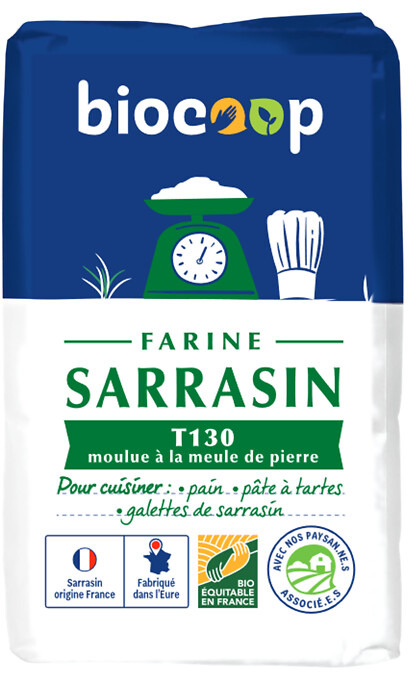
| GTIN | Batch | Date |
|---|---|---|
| 3558630113005 | 130323FSAT130 | Date of minimum durability 13/03/2024 |
Posted in food contamination, Food Hazard, Food Hygiene, Food Inspections, Food Micro Blog, Food Microbiology, Food Microbiology Blog, Food Microbiology Testing, Food Pathogen, Food Quality, food recall, Food Safety, Food Safety Alert, Food Safety Management, Food Safety Regulations, Food Testing, Food Toxin, Mold Toxin, Mould Toxin, Mycotoxin, Ochratoxin, Ochratoxin A
Posted in Decontamination Microbial, Food Micro Blog, Food Microbiology, Food Microbiology Blog, Food Microbiology Research, Food Microbiology Testing, Listeria, Listeria monocytogenes, microbial contamination, Microbial growth, Microbiological Risk Assessment, Microbiology, Microbiology Investigations, Microbiology Risk, Raw Milk, STEC, STEC E.coli


