Category Archives: Food Hygiene

RASFF Alerts – Aflatoxin – Groundnuts – Roasted Pistachios – Peanut Butter – Red Rice – Black Pepper – Flavour Coated Groundnuts – Peanuts – Spice Mix – Pistachios – Basmati Rice

As I have been on annual leave I have covered the last two weeks RASFF Alerts.

European Food Alerts

RASFF

aflatoxins (B1 = 29; Tot. = 51 µg/kg – ppb) in groundnuts from Argentina in the Netherlands

RASFF

aflatoxins (Tot. = 16.12 µg/kg – ppb) in roasted and salted pistachio kernels from Turkey in Germany

RASFF

aflatoxins (B1 = 8.3; Tot. = 9.6 µg/kg – ppb) in peanut butter from the United Kingdom in Ireland

RASFF

aflatoxins (B1 = 8.9; Tot. = 11 µg/kg – ppb) and ochratoxin A (10.3 µg/kg – ppb) in red rice from Sri Lanka in Switzerland

RASFF

aflatoxins (B1 = 14.7; Tot. = 20.1 µg/kg – ppb) in black pepper from Nigeria in Belgium

RASFF

aflatoxins (B1 = 5.6 µg/kg – ppb) in blanched groundnuts from India in the Netherlands

RASFF

aflatoxins (B1 = 3.8; Tot. = 4 µg/kg – ppb) in groundnut kernels from Argentina in the Netherlands

RASFF

aflatoxins (B1 = 5.7; Tot. = 22 µg/kg – ppb) in groundnut kernels from Argentina in the Netherlands

RASFF

aflatoxins (B1 = 3.4; Tot. = 3.8 µg/kg – ppb) in groundnut kernels from Argentina in the Netherlands

RASFF

aflatoxins (B1 = 26.3; Tot. = 29.8 µg/kg – ppb) in flavoured coated groundnuts from Germany in Finland

RASFF

aflatoxins (B1 = 5.4 µg/kg – ppb) in flavoured groundnuts from Germany in Finland

RASFF

aflatoxins (B1 = 3.1; Tot. = 3.9 µg/kg – ppb) in peanuts with shell from India in Spain

RASFF

aflatoxins (B1 = 5; Tot. = 5 µg/kg – ppb) in groundnuts from China, via Germany in the Netherlands

RASFF

aflatoxins (B1 = 8.6; Tot. = 10.0 µg/kg – ppb) in dry roasted cocktail peanuts from Nigeria in the UK

RASFF

aflatoxins (B1 = 6.6; Tot. = 6.6 µg/kg – ppb) in spice mix from Pakistan in Ireland

RASFF

aflatoxins (B1 = 9.8; Tot. = 11.1 µg/kg – ppb) in spice mix from Pakistan in Ireland

RASFF

aflatoxins (B1 = 15.8; Tot. = 17.4 µg/kg – ppb) in inshell pistachios from Iran in Greece

RASFF

aflatoxins (B1 = 4.6; Tot. = 4.6 µg/kg – ppb) in basmati rice from Pakistan in Greece

RASFF

aflatoxins (B1 = 94; Tot. = 101 µg/kg – ppb) in pistachios from Iran in Spain

Denmark – Outbreak of Salmonella Strathcona in Denmark

SSI

From May to August 2020, 23 people are registered with a special type of salmonella in Denmark. The outbreak is being investigated to pinpoint the source of the infection and stop the outbreak.

Last edited on 25 August 2020
From 26 May to 4 August, 23 cases of Salmonella Strathcona have been reported to the Statens Serum Institut (SSI) (see figure). The sick live all over the country, and there are 19 women and 4 men aged 3-95 years. The median age is 65 years. A total of 15 (65%) of the patients have been hospitalized.

Interviews with the affected persons show that they had not been traveling in the period before they became ill, they did not know each other, and they had not participated in joint events. This suggests that it is a common food that has been sold throughout the country that is the source of infection.

Denmark – Tartars and Ground Beef – Salmonella

DVFA

Hilton Foods A / S is recalling tartar and ground beef. Salmonella has been detected in tartar by analysis, and due to the risk of contamination, both products are being recalled.

Recalled Foods , Published: September 2, 2020

What food:
Coop tatar – minced meat under 6% fat
Net weight: 180g
expiry date: 04.09.2020.
EAN barcode: 5700384134074

Which food:
Coop minced beef – minced meat
Production date: 31.08.2020
Last use date: 07.09.2020
EAN barcode: 5700380600597

Sold in:
Tatar is sold in Kvickly, SuperBrugsen, Irma and on Coop.dk/M.

Minced beef is sold in Kvickly, SuperBrugsen, DagliBrugsen and Fakta.

Company recalling:
Hilton Foods A / S, Brunagervej 4, 8361 Hasselager.

Cause:
Salmonella in tartar produced on 31.08.2020 has been detected by analysis. Due to the risk of contamination, both products are recalled.

Risk:
There is a risk of infection with salmonella. The symptoms are i.a. diarrhea, nausea, abdominal pain, fever and vomiting.

Advice for consumers: The Danish
Veterinary and Food Administration advises consumers to deliver the product back to the store where it was purchased or to discard it.

Belgium – Recall of Colruyt Product: Ham Sausage – Listeria monocytogenes

AFSCA

During microbiological checks carried out by the supplier, the presence of Listeria monocytogenes was detected in the ham sausage product bearing the use-by date of 9/15/2020 .

In consultation with the AFSCA, Colruyt therefore decided to withdraw the product concerned from sale.

This ham sausage is sold in Colruyt stores with the following self-service butcher’s: Colruyt Bouwel and Colruyt Zoersel . Colruyt guarantees 100% that the products concerned are no longer in these 2 stores.

Customers are asked not to consume this product and to bring it back to the store, where they will be reimbursed. In the meantime, this product has been removed from the shelves of all of our stores.

Product Description :

  • Ham sausage 300 g
  • Use by date (DLC): 09/15/2020
  • Sales period: from 8/28/2020 to 8/31/2020 inclusive
  • Item number: 19968

Product sold in Belgium via Colruyt Bouwel and Colruyt Zoersel .

For more information , customers can contact Colruyt Group customer service on 0800 99 124.

Denmark – Outbreak of Salmonella Kasenyi in Denmark

SSI

From June to July 2020, 11 people are registered with a special type of salmonella in Denmark. The outbreak is being investigated to pinpoint the source of the infection and stop the outbreak.

Last edited on 25 August 2020
From 10 June to 16 July, 11 cases of Salmonella Kasenyi have been reported to the Statens Serum Institut (SSI) (see figure). The sick live primarily in the metropolitan area – but there are also a few sick elsewhere in the country (see table). The patients are 9 women and 2 men aged 27-78 years. The median age is 53 years. Three (27%) of the patients have been hospitalized.

Interviews with the affected persons show that they had not been out traveling until they became ill, they did not know each other, and they had not participated in joint events. It therefore suggests that it is a common food that has been sold throughout the country that is the source of infection.

Europe – EU agency reports cases of Salmonella after contaminated imported nuts

EU agency reports cases of Salmonella after contaminated imported nuts

Canada – Public Health Notice: Outbreak of Salmonella infections linked to red onions imported from the United States

PHS

August 31, 2020 – Update

The outbreak investigation is ongoing as illnesses continue to be reported to the Public Health Agency of Canada. Since August 21, there have been 78 additional illnesses reported in the ongoing Canadian investigation. There are now 457 confirmed cases in Canada. One individual has died, but it is not known if Salmonella contributed to the cause of death.

There is no evidence to suggest that onions grown in Canada are associated with this outbreak. Onions imported from the United States are under investigation.

Do not eat, use, sell or serve any red, white, yellow, and sweet yellow onions from Thomson International Inc. of Bakersfield, California, USA, or any products made with these onions. This advice applies to all individuals across Canada, as well as retailers, distributors, manufacturers and food service establishments such as hotels, restaurants, cafeterias, hospitals and nursing homes.

If you are not sure where a red, yellow, white, or sweet yellow onion was grown, do not eat it. This notice contains more advice on how to avoid getting sick.

The Canadian Food Inspection Agency (CFIA) has issued food recall warnings for related products that came to Canada. Some of these products were possibly distributed nationally. Additional food recall warnings in Canada are possible. More information on recalled products is available on CFIA’s website.

China – Durian grabbed from sunken vessel sicken 523 Guangxi villagers – Vibrio parahaemolyticus

The Standard

Food Illness

A total of 523 Chinese villagers suffered from food poisoning symptoms after eating durian from a capsized cargo ship in Guangxi on August 26, the local disease control center announced on Tuesday, the state media said.

A later investigation showed that they were infected with vibrio parahaemolyticus bacterium, which, when ingested, causes gastrointestinal illness in humans, and was probably caused by the durian becoming contaminated by sea water.
An announcement from the local government on August 27 said 101 of the villagers suffered from abdominal pains, diarrhea and vomiting while others only displayed mild symptoms. Nine people are currently in hospital,
Video clips circulating online showed the villagers rushing to the sea to try and recover durian floating on the sea water’s surface, after a cargo ship loaded with durian overturned around 200 meters away from the coast of Dongxing in Guangxi on August 26.
Local authorities tried to stop the villagers, but they still managed to recover some durian.
More common in the sea, vibrio parahaemolyticus bacterium is a microorganism that favors salty food, and is commonly found in food poisoning cases in coastal areas in the summer and autumn months, Guangxi Center for Disease Prevention and Control said.
It often lurks in fish, shrimp, crab, shellfish and other seafood, and occasionally spreads through salted products like pickles, seasoned meats and salted eggs. It is suspected the durian, soaked in sea water, could have been contaminated with the microorganism.
Experts said the incubation period for those infected with the bacterium ranges from 1 hour to 4 days, but lasts 10 hours in most cases. The symptoms resulting from its ingestion start quickly, and include chills, abdominal pains, nausea and vomiting, followed by fever, diarrhea, and watery or bloody stool.

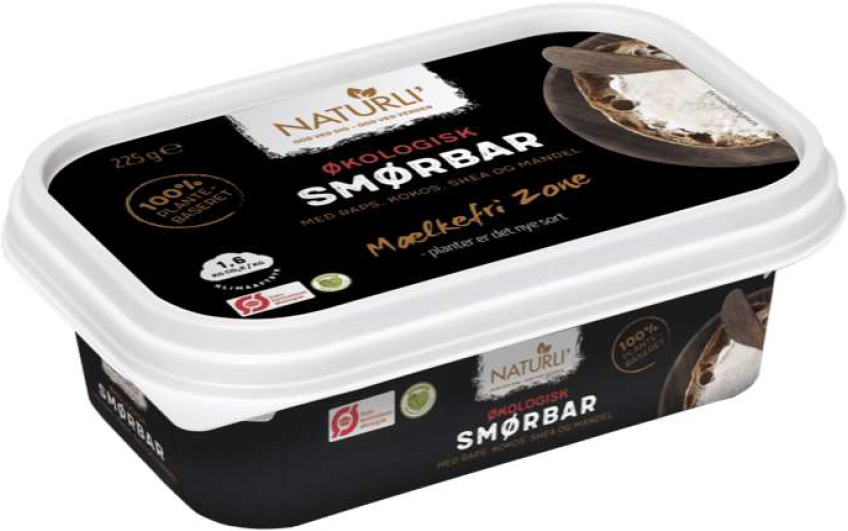
Iceland – Mold in vegan butter

MAST

Natural organic vegan butter

Matvælastofnun warns against consuming two batches of vegan butter from Naturli due to the risk of mold growth. Kjarnavörur hf. who import the product are recalling it from the market, in consultation with the Health Inspectorate of the Hafnarfjörður and Kópavogur areas.

Matvælastofnun received information about the product through the RASFF European warning system on dangerous foods and feed on the market and alerted the health inspectorate.

The recall only applies to the following batches:

  • Product name: Natural organic vegan butter
  • Weight: 225 g
  • BBD: 22.09.2020 and 23.09.2020
  • Manufacturer: Grönvang Food Aps, Vejen, Denmark
  • Bar code: 5701977062118
  • Distribution: Hagkaup, Bónus, Krónan, Nettó, Kjörbúðin, Iceland, Fjarðarkaup, Melabúðin and Veganbúðin


Australia – Freedom Foods Pty Ltd — Milk Lab Almond Milk 1L and Blue Diamond Almond Breeze Chocolate Almond Milk 1L

Product Safety Australia

Photograph of Milk Lab Almond Milk and Blue Diamond Almond Breeze Chocolate Almond Milk

What are the defects?

The recall is due to potential microbial contamination (Pseudomonas).

What are the hazards?

Food products with microbial contamination may cause illness if consumed.

What should consumers do?

Any consumers concerned about their health should seek medical advice and should return the products to the place of purchase for a full refund.

For further information, please contact Freedom Foods by phone on 1800 646 231 or visit www.freedomfoods.com.au

Traders who sold this product

Milk Lab Almond Milk sold nationally in coffee shops, food service outlets and distributors

Blue Diamond Almond Breeze Chocolate Almond Milk sold in Coles and Woolworths in NSW, QLD, Vic and WA and Coles in SA and Tas and distributors

Where the product was sold
Nationally
International
Dates available for sale
  • 29 June 2020 – 1 September 2020
  • 10 August 2020 – 1 September 2020

Recall advertisements and supporting documentation

Coordinating agency

Food Standards Australia New Zealand is the coordinating agency for this recall.