Category Archives: Food Hygiene

Research – Hepatitis A outbreak associated with consumption of dates, England and Wales, January 2021 to April 2021

Eurosurveillance

An outbreak of genetically related hepatitis A virus (HAV) infections among people with no travel history was identified by the Public Health England (PHE) Virus Reference Department (VRD) in conjunction with local teams noting that the cases had eaten dates.

We describe investigations including case characteristics, phylogenetics, analytical studies, and control measures. We aim to flag the possible risk of hepatitis A to populations in other countries through the consumption of contaminated dates, particularly as Ramadan, which is associated with an increase in consumption of dates, began on 12 April 2021, and hepatitis A has a long incubation period of 15 to 50 days.

A confirmed case was defined as a laboratory-confirmed HAV infection with one of three clustered sequences (sequences VRD21_HAV005, VRD21_HAV009 and VRD21_HAV020) and onset date from 1 January 2021 in England or Wales, no travel history or contact with a suspected or confirmed HAV case in the 60 days before onset. A probable case was a laboratory-confirmed HAV infection, with no or pending sequencing result, and with an epidemiological link to a confirmed HAV case with one of the three clustered sequences.

Samples from all locally diagnosed HAV infections in England and Wales are routinely sent to the VRD for characterisation. The outbreak cases had HAV from three closely related Middle Eastern genotype IB sequences (≤ 2 bp different in a 505 bp segment) which clustered most closely with those found in travellers returning from Syria and Lebanon. The sequences have been submitted to the European Nucleotide Archive (ENA), accession numbers OD998295–OD998297.

New Zealand – Food Safety has taken precautionary action following the detection of Salmonella Enteritidis at an Auckland poultry farm.

MPI

kswfoodworld Salmonella

New Zealand Food Safety has taken precautionary action following the detection of Salmonella Enteritidis at an Auckland poultry farm.

This is a timely reminder to take the usual precautions around food safety at home, says director of food regulation Paul Dansted.

“There has been an increase in human cases caused by the same strain of salmonella found in our investigation, which we are tracking alongside the Ministry of Health.

“The cause of the human cases is still being investigated. However, to reduce the possibility of getting ill through food, we’d like to remind people to follow the 3Cs of food safety at home.

“In other words, clean food preparation surfaces, cook raw chicken meat to an internal temperature of 75°C, and chill cooked chicken meat in the fridge.

“Symptoms of Salmonella illness include abdominal cramps, diarrhoea, fever, headache, nausea and vomiting. It can be serious in people with reduced immunity, older people, children, and pregnant women.”

A New Zealand Food Safety audit and follow-up testing has found the bacterium at an Auckland supplier of hatching eggs and day-old chicks to industry.

“That facility has taken a number of steps to prevent further infection, including sanitising affected sheds, culling potentially affected chickens, and increased testing.

“These actions, as well as our tracing work, and wider industry testing, have prevented any contaminated eggs from reaching consumers.

“People’s safety is our number one priority here. Our testing and tracing work over the past few months has been focussed on ensuring the risk remains low, and to assist industry to eradicate the bacterium from commercial chicken flocks.”

Actions to date include:

  • Tracing product from the facility to 64 farms, which have all been tested. Two of these farms tested positive and have been required to hold product before it goes to market. The farms must take a number of actions before being allowed to continue trading. Results from a further 2 facilities are due in the next few days, and the remaining 60 farms returned negative tests.
  • Four facilities which earlier tested positive for the bacterium have already been sanitised and the affected flocks have been culled.
  • Significantly increased industry testing for Salmonella, above and beyond normal requirements, across the supply chain.

“For context, the Salmonella Enteritidis bacterium is present in the poultry industries of many countries and is managed by a variety of regulatory controls. However, it does occasionally cause outbreaks of food poisoning, and can be serious.

“We continue to monitor the situation with the Ministry of Health and are working closely with the poultry sector to ensure any risk is identified and dealt with.”

Salmonellosis can spread in a variety of ways outside of food, including contact with infected animals, material, or surfaces.

France – Product recall: Kerméné brand VPF barded pork muzzle – Listeria monocytogenes

Oulah

Product recall: Kerméné brand VPF barded pork muzzle

ENCOUNTERED PROBLEM

Presence of Listeria monocytogenes

PROPOSED SOLUTION

People who may have this product are asked not to consume it and to return it to the point of sale where it was purchased.

People who have consumed this product and who have a fever, isolated or accompanied by headaches, are invited to consult their doctor, notifying him of this consumption.
Pregnant women should pay special attention to these symptoms, as well as immunocompromised people and the elderly. These symptoms may suggest listeriosis, a disease that can be serious and can take up to eight weeks to incubate.

FURTHER INFORMATION


▸ Lot
11652420


▸ DLC – DDM
05/21/2021


▸ Start / end date of marketing
From 05/08/2021 to 05/12/2021


▸ Health mark
FR 22.364.008 CE


▸
Lannion geographic sales area


▸ Distributors
Center E.LECLERC Perlandis


▸ Consumer service contact
0296480094


▸ Source
PERLANDIS Center Leclerc

Iceland – Listeria in chicken pasta

MAST

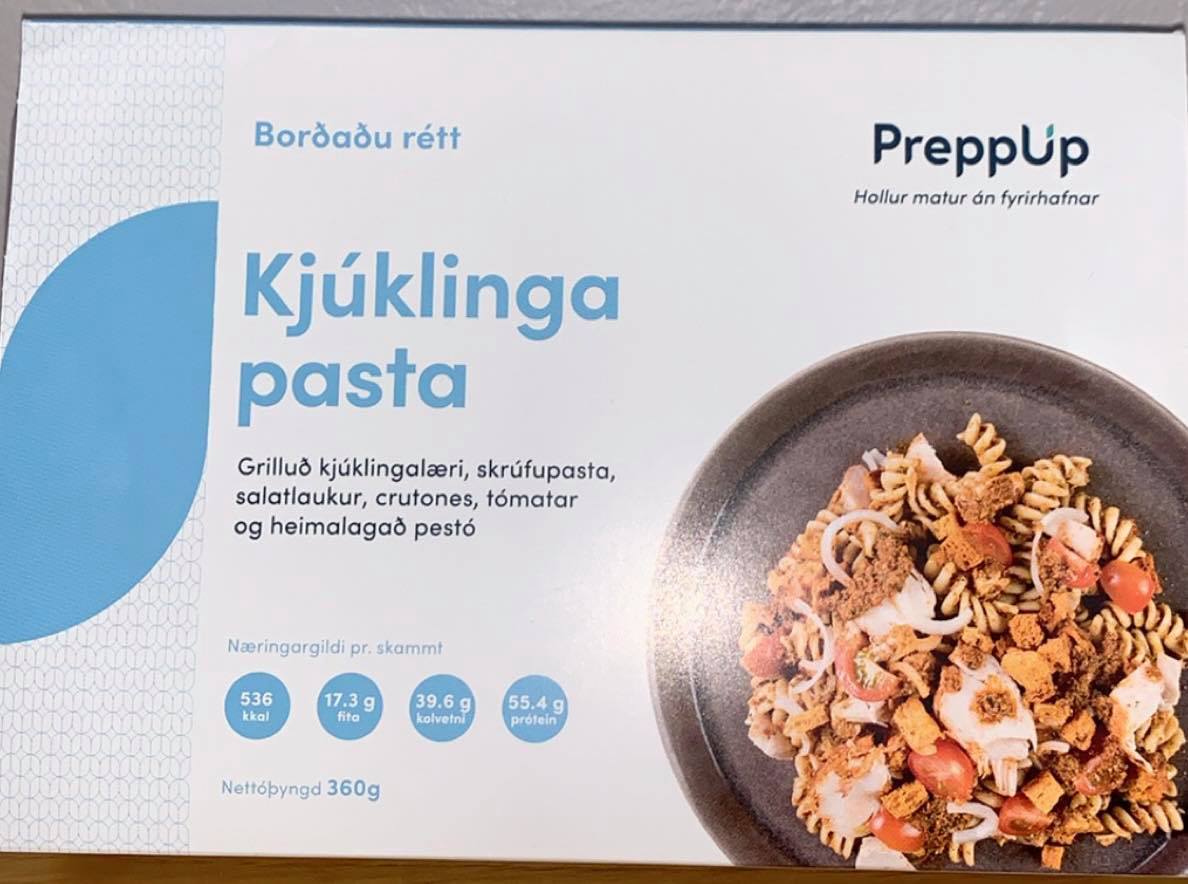
Matvælastofnun warns of one batch of chicken pasta from the company Preppup. Listeria ( Listeria monocytogenes ) was detected in the salad. The company has recalled the product from the market in consultation with the Health Inspectorate of Hafnarfjörður, Garðabær and Kópavogur.

The recall only applies to the following batch:

  • Brand: Preppup
  • Product name: Chicken pasta
  • Producer: Matarkompaní ehf.
  • Country of production: Iceland
  • Batch number / best for dates: L 112 / 25.05.21
  • Storage conditions: 0-4 ° C
  • Distribution: Nettó, Iceland, Hagkaup, Krambúðin, Kjörbúðin and on the PreppUp website

Recall for chicken pasta

Consumers who have purchased the product are advised not to consume it and return it to the store or company for a refund. You can contact us by phone 519-9887 or by e-mail  info@preppup.is  for more information.

France – Product recall: LES VIGNES MARINES brand organic rope mussels in France – E.coli

Oulah

Product recall: LES VIGNES MARINES brand organic rope mold in France

ENCOUNTERED PROBLEM

Presence of Escherichia coli

PROPOSED SOLUTION

People who hold the product in question are asked not to consume them – and more particularly young children, pregnant women, immunocompromised people and the elderly – and to return them to the point of sale where they were purchased.

People who have consumed it and who present symptoms such as diarrhea, abdominal pain or vomiting should consult their doctor as soon as possible, mentioning this consumption and the possible link with the bacterium Escherichia coli.

In the absence of symptoms within 10 days after consuming the affected products, there is no need to worry and consult a doctor.

The E. coli bacterium is naturally present in the digestive microflora of humans and warm-blooded animals. Some strains of E. coli are pathogenic, and can be responsible in humans for various disorders ranging from mild diarrhea to more serious forms such as hemorrhagic diarrhea or severe kidney damage such as HUS, mainly in young children.

FURTHER INFORMATION

▸ Barcode
3000121311723


▸ Lot
• 20210515
• 20210516


▸ DLC – DDM
between 05/23/2021 and 05/24/2021


▸ Start date / End of marketing
From 05/18/2021 to 05/21/2021


▸ Health mark
FR 44.069.002 CE


▸ Distributors
E. Leclerc Stores


▸ Contact
customer service 0960445769


▸ Source
COOPERATIVE SUPPLY COMPANY – SCAPMAREE LECLERC

France – Product reminder: LES VIGNES MARINES branded rope mussels for Dumet Island breeding France

Oulah

Product reminder: LES VIGNES MARINES branded rope mold for Dumet Island breeding France

ENCOUNTERED PROBLEM

Presence of Escherichia coli

PROPOSED SOLUTION

People who hold the product in question are asked not to consume them – and more particularly young children, pregnant women, immunocompromised people and the elderly – and to return them to the point of sale where they were purchased.

People who have consumed it and who present symptoms such as diarrhea, abdominal pain or vomiting should consult their doctor as soon as possible, mentioning this consumption and the possible link with the bacterium Escherichia coli.

In the absence of symptoms within 10 days after consuming the affected products, there is no need to worry and consult a doctor.

The E. coli bacterium is naturally present in the digestive microflora of humans and warm-blooded animals. Some strains of E. coli are pathogenic, and can be responsible in humans for various disorders ranging from mild diarrhea to more serious forms such as hemorrhagic diarrhea or severe kidney damage such as HUS, mainly in young children.

FURTHER INFORMATION

▸ Barcode
3663515862999


▸ Lot
• 20210515
• 20210516


▸ DLC – DDM
between 05/23/2021 and 05/24/2021


▸ Start date / End of marketing
From 05/18/2021 to 05/21/2021


▸ Health mark
FR 44.069.002 CE


▸ Distributors
E. Leclerc Stores


▸ Contact
customer service 0960445769


▸ Source
COOPERATIVE SUPPLY COMPANY – SCAPMAREE LECLERC

Germany – “Every day” pepper salami 200 g – Enterohaemorrhagic E.coli (STEC)

LMW

Warning type: Food
Date of first publication: 05/26/2021
Product name:

“Every day” pepper salami 200 g

Manufacturer (distributor): Zentrale Handelsgesellschaft mbH Offenburg The item was sold exclusively through branches of the Globus retail chain.
Reason for warning:

Enterohaemorrhagic E.coli (STEC) were detected in samples as part of a routine check.

Packaging Unit: 00 g
Durability:

Best before: 05/29/2021

Lot identification: Batch: 1104
Additional Information:

Please refer to the company’s press release attached.

Contact to the responsible authorities:

Baden-Württemberg: poststelle@mlr.bwl.de

Bavaria: poststelle@lgl.bayern.de
Hesse: Schnellwarnung@rpda.hessen.de
Mecklenburg-Western Pomerania: poststelle@lm.mv-regierung.de
Lower Saxony: poststelle@ml.niedersachsen.de
North Rhine-Westphalia: poststelle@mulnv.nrw.de
Rhineland-Palatinate: Poststelle.Referat22@lua.rlp.de
Saarland: poststelle-luv@lav.saarland.de
Saxony: poststelle@sms.sachsen.de
Saxony-Anhalt: poststelle@ms.sachsen-anhalt.de
Thuringia: LM-Ueberendung@tlv.thueringen.de

USA – FDA Releases Results of FY20-FY21 Romaine Lettuce Sampling Assignment


FDA

Eurofins Food Testing UK

The U.S. Food and Drug Administration is releasing the findings of a sampling assignment that tested raw agricultural commodity romaine lettuce mostly at facilities and on farms in the Salinas, California, and Yuma, Arizona growing regions for the presence of pathogens that have been linked to outbreaks of foodborne illness.

The assignment to detect pathogenic Escherichia coli (specifically, Shiga toxin-producing E. coli or STEC) and Salmonella spp began in November 2019 and ended in December 2020, after a pause in sample collection and testing from March through October 2020 due to the COVID-19 pandemic. The FDA did not detect any pathogens during the assignment.

The agency prioritized sample collection at farms and FDA-registered facilities identified in traceback investigations as suppliers of romaine lettuce possibly linked or linked to outbreaks of foodborne illnesses from 2017 to 2019.   The FDA collected and tested 279 samples for both pathogens. Each sample was made up of 10 subsamples, with each subsample consisting of one or more heads or hearts of romaine lettuce and weighing at least 300 grams. This approach – the collection and testing of samples composed of multiple subsamples – increases the probability of detecting pathogens if present, given that microbial hazards may not be uniformly present. Agency field staff collected all samples in their natural form but for the outer leaves having been removed. No fresh-cut lettuce was collected.

Ensuring the microbiological safety of leafy greens continues to be a priority to the FDA. Although no pathogens were detected during this assignment, maintaining surveillance during the growing/harvesting season is helpful to informing the agency’s leafy greens prevention efforts, specifically those outlined in the FDA’s  Leafy Greens Action Plan. The FDA originally released the action plan in March 2020 to foster a more urgent and collaborative approach to preventing leafy greens outbreaks caused by STEC.  In April 2021, the FDA released an updated version of the plan which reaffirms our commitment to advancing leafy greens safety.

For More Information

USA – FSIS Issues Public Health Alert for Frozen, Cooked Diced Poultry Products Due to Possible Listeria Contamination

FSIS USDA

FSIS Announcement

WASHINGTON, May 24, 2021 – The U.S. Department of Agriculture’s Food Safety and Inspection Service (FSIS) is issuing a public health alert for approximately 130,860 pounds of frozen fully cooked, diced chicken products because they may be contaminated with Listeria monocytogenes.

The frozen, fully cooked, diced chicken items were packed on Jan. 25, 2021, Jan. 26, 2021, March 23, 2021, and March 24, 2021. The following products are subject to the public health alert:

  • 4-lb. plastic bags containing “FULLY COOKED CHICKEN MEAT ¾ DICED WHITE” with code 13530, Est. number P-18237, and pack dates of “01/25/2021” and “01/26/2021.”
  • 4-lb. plastic bags containing “FULLY COOKED CHICKEN MEAT DARK/WHITE ¾ DICED” with code 16598, Est. number P-45638, and pack dates “24/MAR/2021” and “23/MAR/2021.”

The products bear establishment numbers “P-18237” or “P-45638” inside the USDA mark of inspection and were distributed by Big Daddy Foods, Inc., a Houston, Texas firm. These items were further distributed to consumers at local food banks in Florida through the USDA Farmers to Families Food Box program in individual food boxes. The products were distributed between Feb. 25, 2021 through March 1, 2021, and March 29, 2021 through April 8, 2021, at temporary locations.

The problem was discovered during routine FSIS inspection activities when inspection personnel observed products requiring recooking due to possible Lm contamination had been repackaged without being recooked. A subsequent FSIS investigation determined other affected product had been further distributed in commerce. There have been no confirmed reports of adverse reactions due to consumption of these products. Anyone concerned about an illness should contact a health care provider.

Consumption of food contaminated with L. monocytogenes can cause listeriosis, a serious infection that primarily affects older adults, persons with weakened immune systems, and pregnant women and their newborns. Less commonly, persons outside these risk groups are affected.

Listeriosis can cause fever, muscle aches, headache, stiff neck, confusion, loss of balance and convulsions sometimes preceded by diarrhea or other gastrointestinal symptoms. An invasive infection spreads beyond the gastrointestinal tract. In pregnant women, the infection can cause miscarriages, stillbirths, premature delivery or life-threatening infection of the newborn. In addition, serious and sometimes fatal infections can occur in older adults and persons with weakened immune systems. Listeriosis is treated with antibiotics. Persons in the higher-risk categories who experience flu-like symptoms within two months after eating contaminated food should seek medical care and tell the health care provider about eating the contaminated food.

Consumers who have received these products are urged not to consume them. These products should be thrown away.

FSIS advises all consumers to reheat ready-to-eat product until steaming hot.

Consumers with food safety questions can call the toll-free USDA Meat and Poultry Hotline at 1-888-MPHotline (1-888-674-6854) or live chat via Ask USDA from 10 a.m. to 6 p.m. (Eastern Time) Monday through Friday. Consumers can also browse food safety messages at Ask USDA or send a question via email to MPHotline@usda.gov . For consumers that need to report a problem with a meat, poultry, or egg product, the online Electronic Consumer Complaint Monitoring System can be accessed 24 hours a day at https://foodcomplaint.fsis.usda.gov/eCCF/.

Product Images

Company Information

ESTABLISHMENT ID
PROCESSING CATEGORY

Fully Cooked – Not Shelf Stable

Company Contact Information

COMPANY MEDIA CONTACT
Company Media Contact
FSIS Contact Information
MEDIA CONTACT
Congressional and Public Affairs
Maria Machuca

UK- Asda recalls Vegetable Cous Cous 500g because of possible contamination with Salmonella

FSA

Asda has recalled its Vegetable Cous Cous 500g because it may be contaminated with salmonella.

Product details

Asda Vegetable Cous Cous
Pack size 500g
Use by All date codes up to and including 03 June 2021

Risk statement

The presence of Salmonella in the product listed above.

Symptoms caused by Salmonella usually include fever, diarrhoea and abdominal cramps.

Action taken by the company

Asda is recalling the above product. Point of sale notices will be displayed in all retail stores that are selling this product. These notices explain to customers why the product is being recalled and tell them what to do if they have bought the product. Please see the attached notice.

Our advice to consumers

If you have bought any of the above product do not eat it. Instead, return it to the store from where it was bought for a full refund.