Listeria monocytogenes in raw milk cheese (Coulommiers) from France in France and Belgium
Listeria monocytogenes in PDO gorgonzola cheese from Italy in Italy and Malta
Listeria monocytogenes in prepared dish from Slovakia in Austria

Listeria monocytogenes in raw milk cheese (Coulommiers) from France in France and Belgium
Listeria monocytogenes in PDO gorgonzola cheese from Italy in Italy and Malta
Listeria monocytogenes in prepared dish from Slovakia in Austria
Salmonella in frozen chicken fillet from the Netherlands in Greece
Salmonella (present /25g) in sliced smoked raw ham from Germany in Germany and France
Salmonella in kipfilet from the Netherlands in Germany, Ireland, UK , Netherlands and N.Ireland
Salmonella Mbandaka in beef from Poland in Germany
PRESENCIA DE SALMONELLA SPP. EN PIMIENTA DE BRASIL // PRESENCE OF SALMONELLA SPP. IN BRAZILIAN PEPPER
in Spain
Samonella , pimienta negra, Brasil // Salmonella in black pepper from Brazil in Spain
Salmonella Derby in minced meat preparation from Poland in Slovakia
Salmonella Enteritidis in chicken from Poland in Slovakia and Czech Republic
Salmonella spp. in chilled chicken elements from Poland in the UK, France and Netherlands
Presence of Salmonella in sesame seeds from India in Poland
Salmonella Enteritidis and Salmonella group O:7 in official samples of chicken neck skins from Poland in Estonia and Rumania
Salmonella spp detected in Chorizo produced in Spain in France
Salmonella Enteritidis in frozen chicken kebab from Poland in the Czech Republic
Salmonella Enteritidis in official samples of chicken neck skins from Poland in France, Poland, Rumania and the UK
Salmonella (group O:8 in 1 out of 5 samples /25g) and Salmonella enterica ser. Infantis (in 4 out of 5 samples /25g) in chilled chicken meat from Poland in the Czech Republic, Germany, Latvia and Poland
Salmonella Agona in sunflower seed halva from Lithuania, via Germany in Finland
Posted in food contamination, Food Hazard, Food Hygiene, Food Inspections, Food Micro Blog, Food Microbiology, Food Microbiology Blog, Food Microbiology Testing, Food Pathogen, food recall, Food Safety, Food Safety Alert, Food Testing, Polish Chicken Salmonella, RASFF, Salmonella, Salmonella in Black Pepper, Salmonella in Chicken, Salmonella Poland, Salmonella Sesame Seeds
Public notice “California Vegan”
“California Vegan” with the production date 29.06.21 and the use-by date 02.07.2021 is not suitable for consumption due to contamination with listeria!
In the product “California Vegan” from the manufacturer “Eat Happy To Go Österreich GmbH”, “Listeria monocytogenes” was found in an analysis. Affected is the product “California Vegan” with the manufacturing date 06/29/2021 and the use date 07/02/2021. The product is not suitable for consumption. The product is no longer available on the shelves.
“Eat Happy To Go Österreich GmbH” fulfills its personal responsibility in accordance with the food law provisions and informs customers as a precaution.
Inquiry note :
Eat Happy To Go Österreich GmbH
Hotline: +43 1 226 00 55
E-Mail: info @ eathappy.at

The Centre for Food Safety (CFS) of the Food and Environmental Hygiene Department today (July 6) instructed the trade to suspend the import of raw oysters produced by Whitstable Oyster Company in the United Kingdom (UK). The trade should also stop using or selling the product concerned immediately should they possess it.
A spokesman for the CFS said, “The CFS was notified by the Centre for Health Protection of the Department of Health of several food poisoning cases which involved consumption of raw oysters at one restaurant in Sha Tin and one restaurant in Causeway Bay. The CFS conducted investigations at the restaurants concerned and found that both restaurants had sold raw oysters from the Whitstable Oyster Company in the United Kingdom supplied by the same local supplier. As well, the CFS received a notification from the Food Standards Agency of the UK that raw oysters supplied by Whitstable Oyster Company in the UK were suspected to be contaminated with norovirus. For the sake of prudence, the CFS has immediately instructed the trade to suspend the import into and sale within Hong Kong of all raw oysters produced by Whitstable Oyster Company in UK.”
The CFS has also instructed the supplier and restaurants concerned to stop supplying and selling the affected raw oysters immediately, and is tracing the distribution of the affected product. The trade should also stop using or selling the product in question.
The spokesman pointed out that as oysters feed by filtering a large volume of seawater, pathogens (such as norovirus), chemical contaminants or natural toxins can accumulate in them if they are grown in or harvested from contaminated water. Regardless of the season or the region in which the oysters are harvested, consuming oysters, particularly raw or partially cooked ones, carries an inherent food safety risk. Susceptible groups, such as pregnant women, young children, the elderly and people with weakened immune systems or liver diseases, should avoid eating raw oysters.
The CFS will inform the British authorities and will also notify the local trade. It will continue to follow up on the incident and take appropriate action to safeguard food safety and public health. An investigation is ongoing.
he FDA, along with CDC, state and local partners, investigated a multistate outbreak of Salmonella infections linked to the consumption of Jule’s Cashew Brie, a vegan, or plant-based cheese alternative. On April 23, 2021, Jule’s Foods of Carlsbad, California, conducted a voluntary recall of all varieties of Jule’s Foods products.
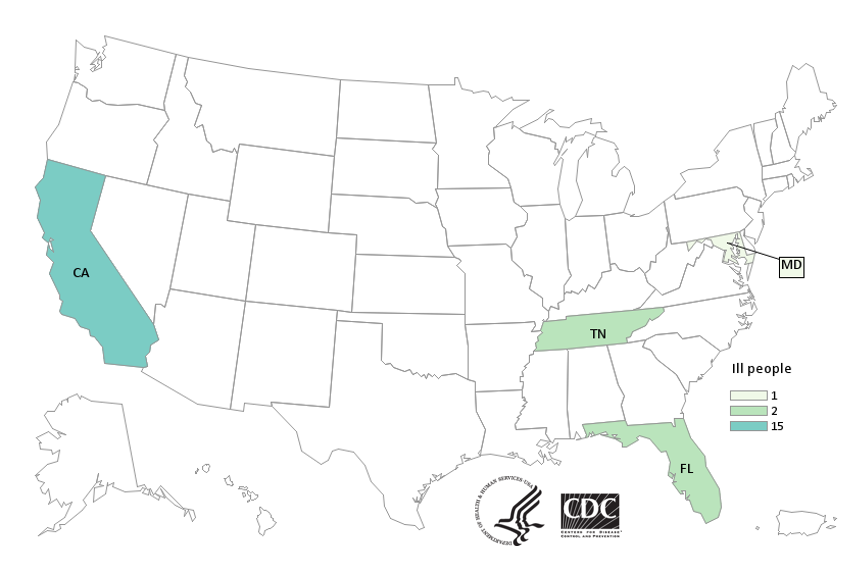
As of July 7, 2021, CDC announced that the outbreak is over. There are a total of 20 illnesses in four states. Two additional strains of Salmonella, Salmonella Typhimurium and Salmonella Chester, have been linked to this outbreak. The illnesses of Salmonella Chester have the same genetic fingerprint as Salmonella found in a sample of Jule’s Cashew Brie collected by the California Department of Public Health (CDPH).
Illnesses of Salmonella Duisburg and Salmonella Urbana have been previously reported and are linked to this outbreak. Other strains of Salmonella have been identified in raw and finished product samples and environmental samples but have not been linked to illnesses.
Based on FDA traceback investigation and sample results, the cashews used by Jule’s Foods have been identified as the likely source of contamination in the Jule’s Cashew Brie products. The FDA worked with the cashew supplier to ensure that potentially contaminated product was removed from the market and that the supplier implemented corrective actions.
CDC announced that the outbreak is over. There are no recommendations for consumers, restaurants, or retailers.

Total Illnesses: 20
Hospitalizations: 5
Deaths: 0
Last Illness Onset: May 9, 2021
States with Cases: CA (15), FL (2), MD (1), TN (2)
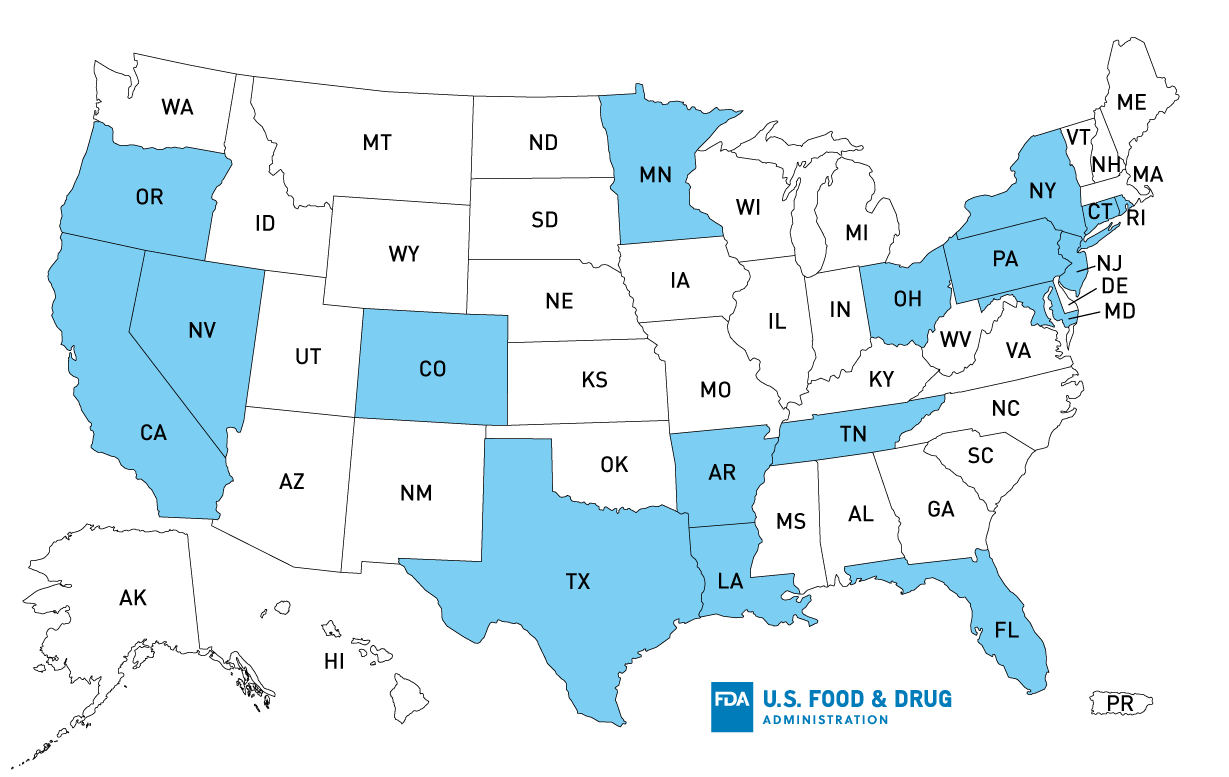
Product Distribution*: Arkansas, California, Colorado, Connecticut, Florida, Louisiana, Maryland, Minnesota, Nevada, New York, New Jersey, Ohio, Oregon, Pennsylvania, Rhode Island, Tennessee, Texas
*Distribution has been confirmed for states listed, but product could have been distributed further, reaching additional states
Posted in FDA, food bourne outbreak, food contamination, food handler, Food Hazard, Food Hygiene, Food Illness, Food Inspections, Food Micro Blog, Food Microbiology, Food Microbiology Blog, Food Microbiology Testing, Food Pathogen, food recall, Food Safety, Food Safety Alert, Food Testing, foodborne outbreak, foodbourne outbreak, outbreak, Salmonella, Uncategorized
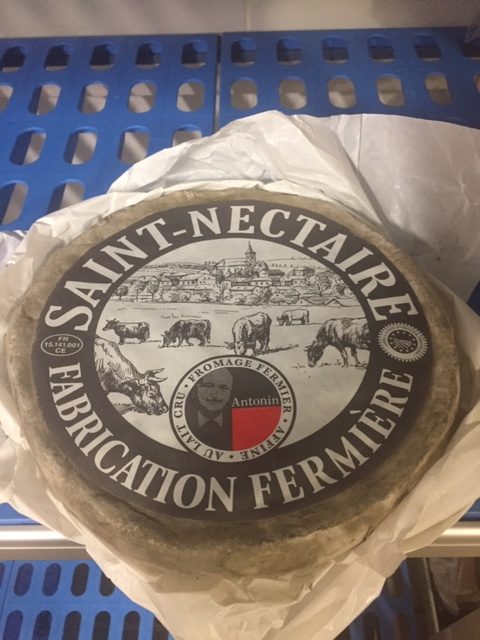
| Lot | Dated | |
|---|---|---|
| lot: 21117111-4 | Use-by date 07/09/2021 | |
Public health officials in a Spanish region have reported six confirmed Salmonella infections.
Surveys and epidemiological work by Castilla y León Public Health have shown the outbreak could have been caused by the consumption of tortillas in two establishments in Soria. A Spanish tortilla also called a Spanish omelet can contain herbs, spices, potatoes, and eggs.
The product was cooked at one of these sites and part of it was transferred, once prepared, to the second.
Two children and four adults are affected. The two young people went to the Santa Bárbara Hospital and were then transferred to Burgos University Hospital, where they were admitted to the pediatric Intensive Care Unit (ICU).
Posted in food bourne outbreak, food contamination, food handler, Food Hazard, Food Hygiene, Food Inspections, Food Micro Blog, Food Microbiology, Food Microbiology Blog, Food Microbiology Testing, Food Pathogen, food recall, Food Safety, Food Safety Alert, foodborne outbreak, foodbourne outbreak, outbreak, Salmonella, Salmonella in Eggs
Recalled Foods , Published: July 6, 2021
What food:
Chorizo Extra (see picture here )
Net weight: 150 grams
Best before-dates: 01.11.2021, 11.06.2021, 01.10.2021, 08.05.2021
Lot number: 4040621
Sold in:
Fakta and Coop 365 stores throughout country
Company recalling:
Mozami A / S, Ved Milepælen 4, 8361 Hasselager
Cause:
After receiving a number of store inquiries, the company has established that there is a risk of mold in the product.
Risk:
Mold formation makes the product unfit for human consumption.
Advice for consumers:
The Danish Veterinary and Food Administration advises consumers to deliver the product back to the store where it was purchased or to discard it.
Recalled Foods , Published: July 7, 2021
Which food:
Fuet Extra (see picture here )
Net weight: 150 grams
Best before date: 01.11.2021
Sold in:
Fakta and Coop 365 stores throughout the country
Company recalling:
Mozami A / S, Ved Milepælen 4, 8361 Hasselager
Cause:
The company has found that there is a risk of mold in the product.
Risk:
Mold formation makes the product unfit for human consumption.
Advice for consumers: The Danish
Veterinary and Food Administration advises consumers to deliver the product back to the store where it was purchased or to discard it.

Presence of Listeria monocytogenes
People who may have this product are asked not to consume it and to return it to the point of sale where it was purchased.
People who have consumed this product and who present with fever, isolated or accompanied by headaches, are invited to consult their attending physician, notifying him of this consumption.
Pregnant women should pay special attention to these symptoms, as well as immunocompromised people and the elderly. These symptoms may suggest listeriosis, a disease that can be serious and can take up to eight weeks to incubate.
▸ Names of models or references
500g tray
▸ Barcode
All Barcodes starting with “0204001”
▸ Lot
…
▸ DLC – DDM
07/01/2021
▸ Packaging
Polystyrene container packaged in a protective atmosphere
▸ Start date / End of marketing
From 06/23/2021 to 06/24/2021
▸ Health mark
…
▸
TRELISSAC geographical sales area
▸ Distributors
E.LECLERC TRELISSAC
▸ Consumer service contact
0553357575
▸ Source
TRELIDIS E.LECLERC


