Category Archives: Food Hygiene

Research – Whole genome sequencing reveals great diversity of Vibrio spp in prawns at retail

Microbiology Research

Food Illness

Consumption of prawns as a protein source has been on the rise worldwide with seafood identified as the predominant attributable source of human vibriosis. However, surveillance of non-cholera is limited both in public health and in food. Using a population- and market share-weighted study design, 211 prawn samples were collected and cultured for spp. Contamination was detected in 46 % of samples, and multiple diverse isolates were obtained from 34 % of positive samples. Whole genome sequencing (WGS) and phylogenetic analysis illustrated a comprehensive view of species diversity in prawns available at retail, with no known pathogenicity markers identified in and . Antimicrobial resistance genes were found in 77 % of isolates, and 12 % carried genes conferring resistance to three or more drug classes. Resistance genes were found predominantly in , though multiple resistance genes were also identified in and . This study highlights the large diversity in derived from prawns at retail, even within a single sample. Although there was little evidence in this study that prawns are a major source of vibriosis in the UK, surveillance of non-cholera is very limited. This study illustrates the value of expanding WGS surveillance efforts of non-cholera Vibrios in the food chain to identify critical control points for food safety through the production system and to determine the full extent of the public health impact.
USA – Outbreak Investigation of Salmonella Typhimurium: Bright Farms Packaged Salad Greens (July 2021) -Outbreak is over

FDA

The FDA, along with CDC and state and local partners, investigated a multistate outbreak of Salmonella Typhimurium infections linked to the consumption of BrightFarms packaged salad greens produced in the firm’s Rochelle, IL facility.

FDA visited the facility and collected samples. Some environmental samples taken inside the facility tested positive for Salmonella Liverpool, but were not a match to the outbreak strain. In addition, a sample collected from an outdoor storm water drainage pond adjacent to the facility was analyzed and reported to be Salmonella Typhimurium and a genetic match to the outbreak strain.

Although no clear route of contamination was readily identified, the FDA is preparing a report to discuss findings and provide information to assist in future prevention efforts.

Recommendation

CDC has declared this outbreak to be over.

Investigation Background

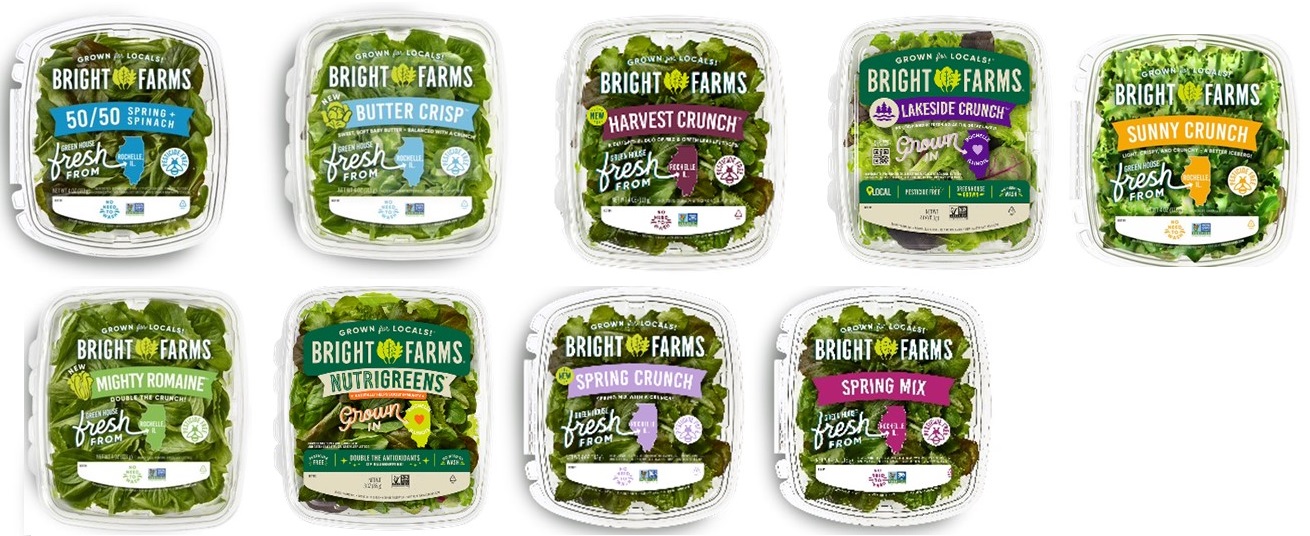
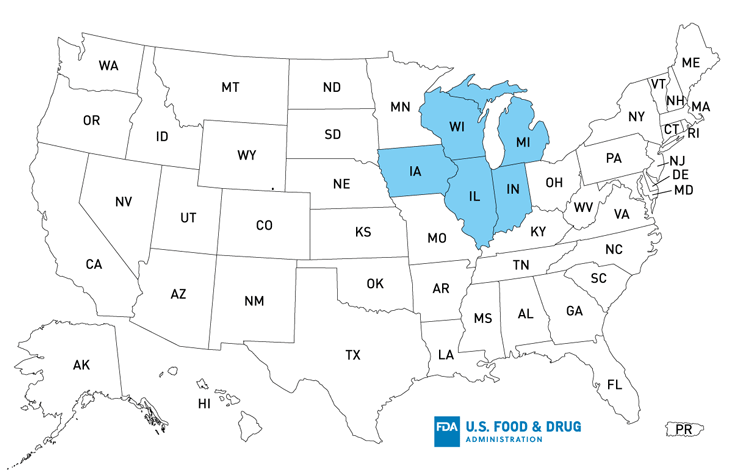
On July 15, 2021, BrightFarms recalled packaged salad greens produced in its Rochelle, Illinois (Ogle County) greenhouse farm sold in Illinois, Indiana, Iowa, and Wisconsin. On July 21, 2021, Michigan was added to the list of states that received recalled products. Interview data and shopper card records show that 15 people ate or bought multiple types of BrightFarms brand salad products before they got sick, including Sunny Crunch, 50/50 Spring & Spinach, Harvest Crunch, and Butter Crisp. FDA conducted a traceback investigation and identified the farm in Rochelle, IL, as the likely source of the BrightFarms brand salad bought by people who became ill. On July 28, 2021, following positive sample results, BrightFarms expanded their recall to include Baby Spinach packaged in clear, plastic clamshells with “Best By” dates through 7/26/2021.


Product Images

Outbreak Investigation of Salmonella Typhimurium in BrightFarms Packaged Salad Greens - Product Images

View Larger Images

Map of U.S. Distribution of Recalled BrightFarms Products

Outbreak Investigation of Salmonella Typhimurium in BrightFarms Packaged Salad Greens - Map of U.S. Distribution of Recalled Products (October 6, 2021)

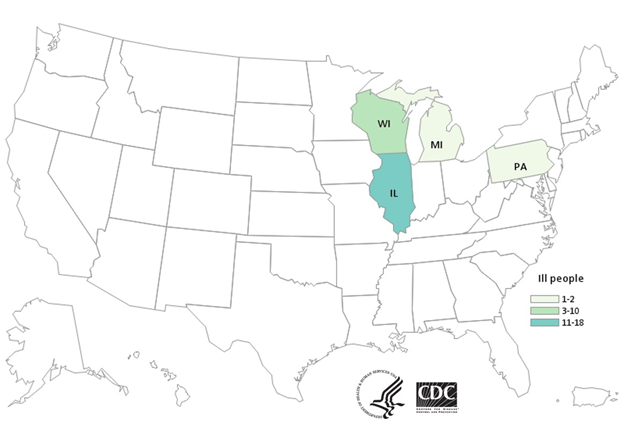
Case Count Map Provided by CDC

Outbreak Investigation of Salmonella Typhimurium in BrightFarms Packaged Salad Greens - CDC Case Count Map (October 6, 2021)

Case Counts

Total Illnesses: 31
Hospitalizations: 4
Deaths: 0
Last Illness Onset: August 18, 2021
States with Cases: IL (18), MI(1), PA (2), WI (10)
Product Distribution*: IA, IL, IN, MI, WI
*Distribution has been confirmed for states listed, but product could have been distributed further, reaching additional states

France – TERRINE DE PHASAN AU PORTO sold in the charcuterie section of the MARKET LA CHAUSSEE SAINT VICTOR store between 28/09/21 and 04/10/21 – Listeria monocytogenes

Gov france

Identifying information for the recalled product

  • Product category Food
  • Product sub-category Meats
  • Product brand name unbranded
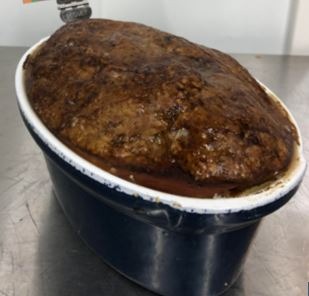
  • Names of models or references TERRINE DE PHASAN AU PORTO sold in the charcuterie section of the CARREFOUR MARKET LA CHAUSSEE SAINT VICTOR store between 28/09/21 and 04/10/21
  • Product identification
    GTIN Lot
    111111111116 sold from 28/09/2021 to 04/10/2021
  • Packaging retail, by cut.
  • Start date / End of marketing From 09/28/2021 to 10/04/2021
  • Storage temperature Product to be stored in the refrigerator
  • Further information TERRINE DE PHASAN AU PORTO sold in the charcuterie section of the CARREFOUR MARKET LA CHAUSSEE SAINT VICTOR store between 28/09/21 and 04/10/21
  • Geographical sales area CARREFOUR MARKET LA CHAUSSEE SAINT VICTOR between 28/09/21 and 04/10/21
  • Distributors CARREFOUR MARKET LA CHAUSSEE SAINT VICTOR ONLY

Practical information regarding the recall

  • Reason for recall presence of listeria monocytogenes
  • Risks incurred by the consumer Listeria monocytogenes (causative agent of listeriosis)

France – HEAD CHEESE WITHOUT NITRITE – Listeria monocytogenes

Gov france

Identifying information for the recalled product

  • Product category Food
  • Product sub-category Meats
  • Product brand name The mesandan nozzle
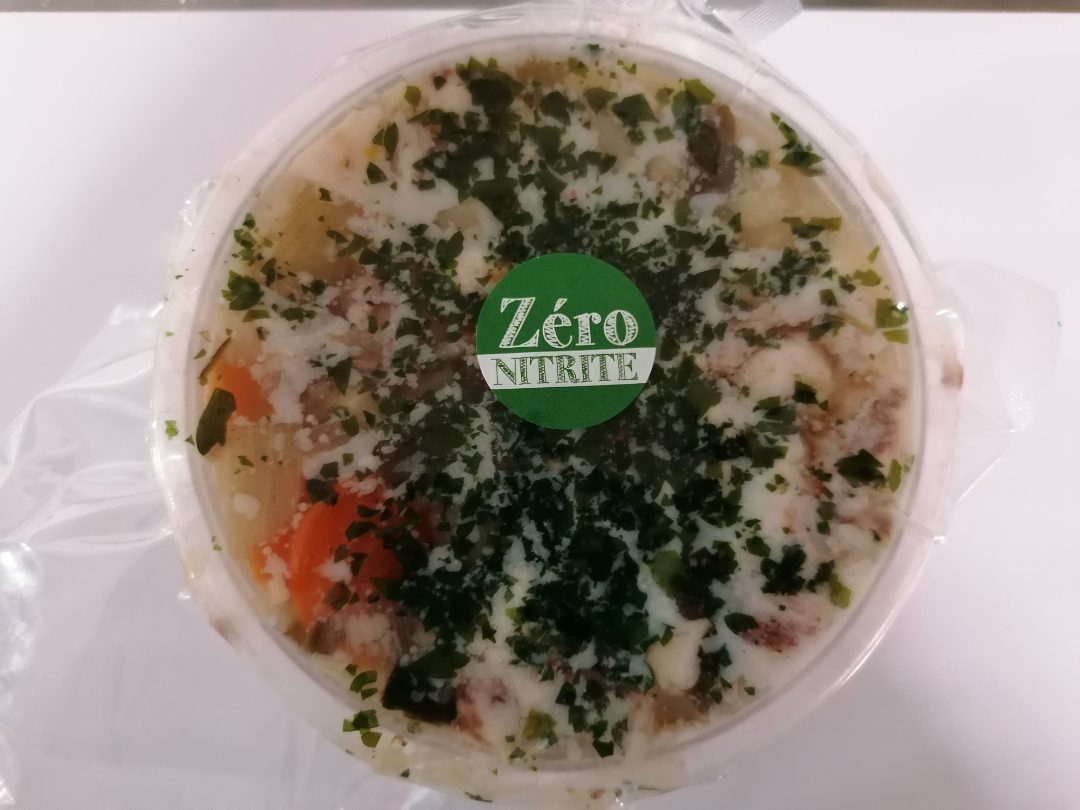
  • Names of models or references Nitrite-free head cheese in 500g bowl Nitrite-free head cheese in 2kg tub
  • Product identification
    Lot Dated
    644856 Use-by date 09/26/2021
    644810 Use-by date 09/26/2021
  • Start date / End of marketing From 09/09/2021 to 09/11/2021
  • Storage temperature Product to be stored in the refrigerator
  • Health mark FR 25 377 020
  • Geographical sales area Regions: Bourgogne-Franche-Comté, Grand-Est
  • Distributors Tuyé de Mésansand store (Les Fins and Tarcenay)

Practical information regarding the recall

  • Reason for recall Presence of Listeria monocytogenes
  • Risks incurred by the consumer Listeria monocytogenes (causative agent of listeriosis)

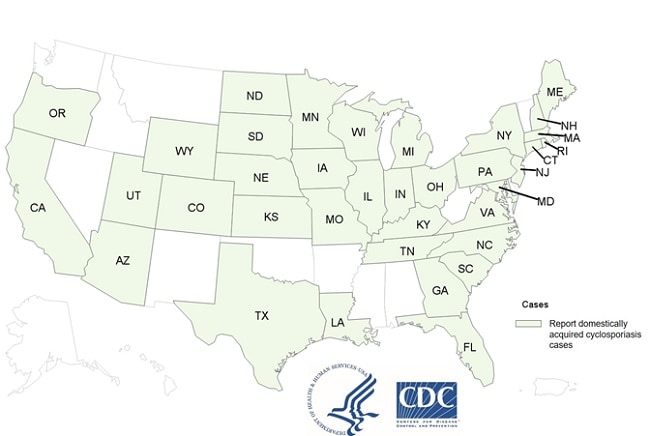
USA – Domestically Acquired Cases of Cyclosporiasis — United States, May–August 2021

CDC

cardcyclosporasme

LAST UPDATED SEPTEMBER 30, 2021 4:00 PM EDT

Cyclosporiasis illnesses are reported year-round in the United States. However, during the spring and summer months there is often an increase in cyclosporiasis acquired in the United States (i.e., “domestically acquired”). The exact timing and duration of these seasonal increases in domestically acquired cyclosporiasis can vary, but reports tend to increase starting in May. In previous years the reported number of cases peaked between June and July, although activity can last as late as September. The overall health impact (e.g., number of infections or hospitalizations) and the number of identified clusters of cases (i.e., cases that can be linked to a common exposure) also vary from season to season. Previous U.S. outbreaks of cyclosporiasis have been linked to various types of fresh produce, including basil, cilantro, mesclun lettuce, raspberries, and snow peas.

At a Glance
  • Illnesses: 1020
  • Hospitalizations: 70
  • Deaths: 0
  • States reporting cases: 36

CDC, along with state and federal health and regulatory officials, monitor cases of cyclosporiasis in the United States in the spring and summer months to detect outbreaks linked to a common food source. However, many cases of cyclosporiasis cannot be directly linked to an outbreak, in part because of the lack of validated laboratory “fingerprinting” methods needed to link cases of Cyclospora infection. Officials use questionnaires to interview sick people to determine what they ate in the 14-day period before illness onset. If a commonality is found, CDC and partners work quickly to determine if a contaminated food product is still available in stores or in peoples’ homes and issue advisories.

Final Update

  • In 2021, multiple outbreaks of cyclosporiasis cases associated with different restaurants or events were investigated by state public health authorities, CDC, and FDA.
    • CDC investigated two large multistate outbreaks of cyclosporiasisexternal icon, one including 40 illnesses and one with 130 illnesses, in which ill people reported eating various types of leafy greens. State officials and FDA conducted traceback investigations for these two outbreaks, but a specific type or grower of leafy greens was not identified as the source of either outbreak.
  • As of September 28, 2021, 1,020 laboratory-confirmed cases of cyclosporiasis in people who had no history of international travel during the 14-day period before illness onset have been reported to CDC by 37 jurisdictions, including 36 states and New York City, since May 1, 2021.
    • The median illness onset date is June 25, 2021 (range: May 1–August 31, 2021).
    • At least 70 people have been hospitalized; no deaths have been reported.

September 30, 2021

Geographic Distribution of Reported Cases of Domestically Acquired Cyclosporiasis—May 1 to August 31, 2021*

outbreak_map_season_9_30_21

* Data are current as of 09/28/2021 (9:00am EDT). States/jurisdictions highlighted on the map have each reported at least one case. New York State includes case reports from New York City. Data are preliminary and subject to change. For questions related to the number of cases reported in each state, contact that state’s health department.

Botulism Symptoms.

CDC

kswfoodworld

Signs and symptoms might include:

  • Difficulty swallowing
  • Muscle weakness
  • Double vision
  • Drooping eyelids
  • Blurry vision
  • Slurred speech
  • Difficulty breathing
  • Difficulty moving the eyes

Possible signs and symptoms in foodborne botulism might also include:

  • Vomiting
  • Nausea
  • Stomach pain
  • Diarrhea

Signs and symptoms in an infant might include:

  • Constipation
  • Poor feeding
  • Drooping eyelids
  • Pupils that are slow to react to light
  • Face showing less expression than usual
  • Weak cry that sounds different than usual
  • Difficulty breathing

People with botulism might not have all of these symptoms at the same time.

The symptoms all result from muscle paralysis caused by the toxin. If untreated, the disease may progress and symptoms may worsen to cause full paralysis of some muscles, including those used in breathing and those in the arms, legs, and trunk (part of the body from the neck to the pelvis area, also called the torso).

In foodborne botulism, symptoms generally begin 18 to 36 hours after eating a contaminated food.

If you or someone you know has symptoms of botulism, immediately see your doctor or go to the emergency room.

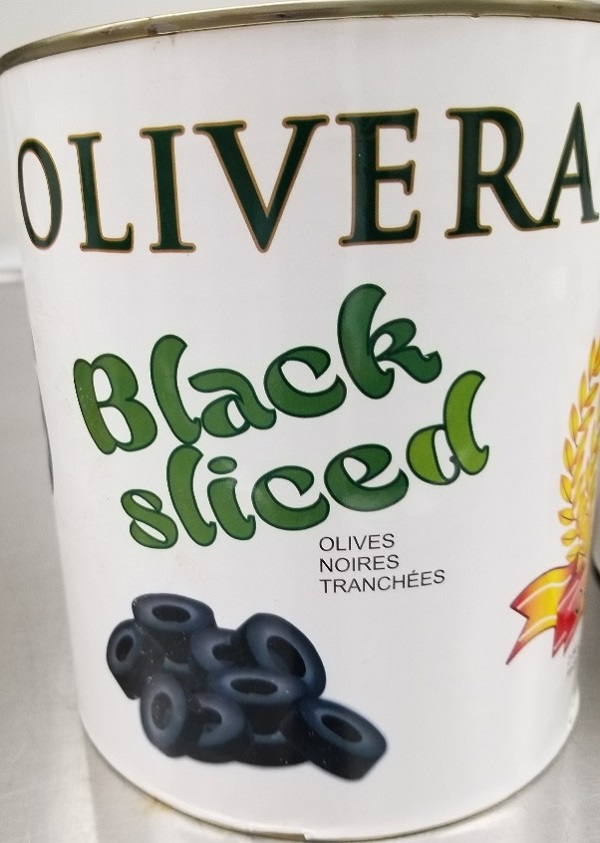
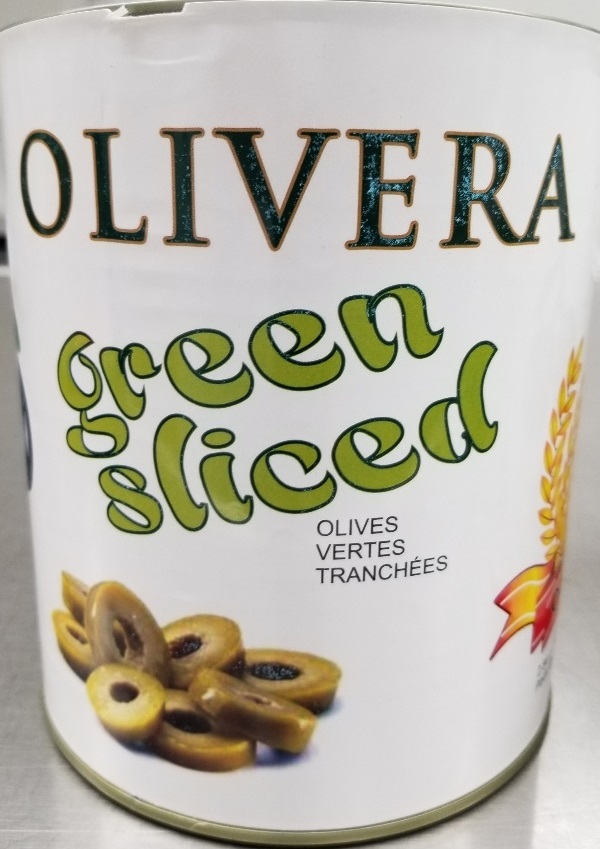
Canada – Olivera brand sliced olives may be unsafe due to potential presence of dangerous bacteria – Clostridium botulinum

CFIA

Olivera – Black Sliced Olives – 2.84 Litres    Olivera – Green Sliced Olives – 2.84 Litres  Olivera – Sliced olives – 2.84 Litres

Recall details

Ottawa, October 5, 2021 – Distribution Alimentaire Tony is recalling Olivera brand sliced olives from the marketplace because they may permit the growth of Clostridium botulinum. Consumers should not consume and distributors, retailers and food service establishments such as hotels, restaurants, cafeterias, hospitals and nursing homes should not sell or use the recalled products described below.

Recalled products

Brand Product Size UPC Codes
Olivera Black Sliced Olives 2.84 L None PRO : 08/03/2021
EXP : 07/03/2023
LOT NO: 09SB260
Olivera Green Sliced Olives 2.84 L None Pro date: 8/3/2021
EXP date: 7/3/2023
PN: 09sG260

What you should do

If you think you became sick from consuming a recalled product, call your doctor.

Check to see if you have the recalled products in your home or establishment. Recalled products should be thrown out or returned to the location where they were purchased.

Food contaminated with Clostridium botulinum toxin may not look or smell spoiled but can still make you sick.

Symptoms in adults can include facial paralysis or loss of facial expression, unreactive or fixed pupils, difficulty swallowing, drooping eyelids, blurred or double vision, difficulty speaking, including slurred speech, and a change in sound of voice, including hoarseness.

Symptoms of foodborne botulism in children can include difficulty swallowing, slurred speech, generalized weakness and paralysis. In all cases, botulism does not cause a fever. In severe cases of illness, people may die.

Background

This recall was triggered by Canadian Food Inspection Agency (CFIA) test results. The CFIA is conducting a food safety investigation, which may lead to the recall of other products. If other high-risk products are recalled, the CFIA will notify the public through updated Food Recall Warnings.

The CFIA is verifying that industry is removing the recalled products from the marketplace.

Illnesses

There have been no reported illnesses associated with the consumption of these products.

Italy- SEASONED SAUSAGE – Salmonella

Salute

Brand : SALUMIFICIO CORNICCHIA SRL

Name : SEASONED SAUSAGE

Reason for reporting : Recall due to microbiological risk

Publication date : 5 October 2021

Click to access C_17_PubblicazioneRichiami_1505_azione_itemAzione0_files_itemFiles0_fileAzione.pdf

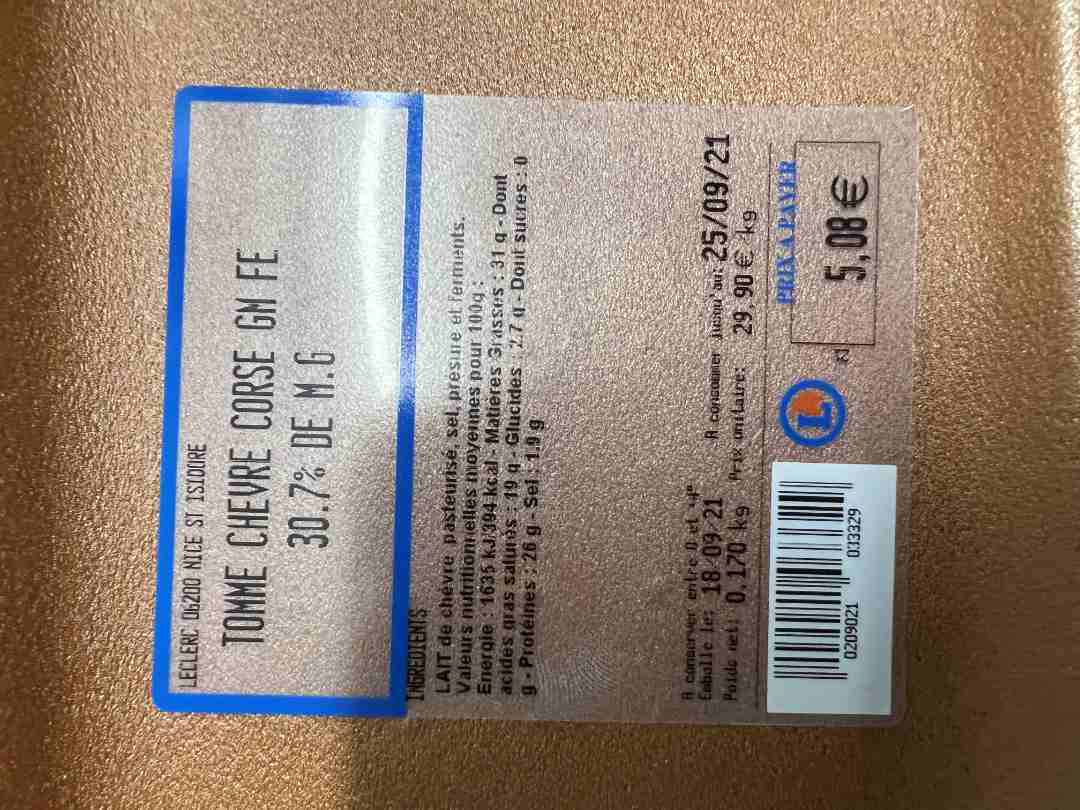
France – TOMME DE GOAT CORSE GM FE – Listeria monocytogenes

Gov france

Identifying information for the recalled product

  • Product category Food
  • Product sub-category Milk and dairy products
  • Product brand name WITHOUT BRAND
  • Names of models or references TOMME DE GOAT CORSE GM FE
  • Product identification
    GTIN Lot Dated
    02090121000000 All lots Use-by date 25/09/2021
  • Packaging Tray
  • Start date / End of marketing From 09/18/2021 to 09/30/2021
  • Storage temperature Product to be stored in the refrigerator
  • Further information This product was sold in the Traditional Cheese section between 09/18/21 and 09/30/21.
  • Geographical sales area Whole France
  • Distributors LECLERC NICE ST ISIDORE

Practical information regarding the recall

  • Reason for recall presence of Listeria monocytogenes
  • Risks incurred by the consumer Listeria monocytogenes (causative agent of listeriosis)

Iceland – Ali, Bónus, FK – Chicken – Salmonella

MAST

Matvælastofnun warns against consuming one batch of chicken from Matfugl marked Ali, Bónus or FK due to suspicion of salmonella infection. The company has recalled the product from the market.

The recall only applies to the following batch:

  • Product name: Ali, Bónus, FK
  • Producer: Matfugl ehf, Völuteigi 2, 270 Mosfellsbær
  • Batch number: 011-21-34-5-29 (whole chicken, breast, puffins, chunks, marinated chicken breast),
  • Packing date: 29.09.2021 – 01.10.2021
  • Distribution: Bonus shops, ISK shops, Fjarðarkaup, Kassinn.

Consumers who have purchased chicken with this traceability number are asked to return it to the relevant store or directly to Matfugl ehf., Völuteigi 2, Mosfellsbær.