Category Archives: Food Hygiene

RASFF Alert – DSP – Live Mussels

RASFF-Logo

RASFF – Diarrhoeic Shellfish Poisoning (DSP) toxins – okadaic acid ( >320 µg/kg – ppb) in live mussels from Italy in Italy

RASFF Alerts – Salmonella – Sesame Seeds – Dried Sausages

RASFF-Logo

RASFF – Salmonella (presence /25g) in sesame seeds from Sudan in Greece

RASFF – Salmonella (presence /25g) in dried sausage from Spain in Belgium

RASFF Alert – Foodborne Outbreak – Listeria monocytogenes – Fried Pork Belly

RASFF-Logo

RASFF – foodborne outbreak suspected (Listeria monocytogenes) to be caused by fried pork belly from Spain in Spain

RASFF Alert – Ochratoxin A – Dried Raisins

RASFF-Logo

RASFF – ochratoxin A (21.91 µg/kg – ppb) in dried raisins from China in Poland

Sweden – Salmonella outbreak, dozens affected

Outbreak News Today

Swedish Public Health officials (Folkhalsomyndigheten) are reporting (computer translated) an outbreak of Salmonella Typhimurium since the beginning of the month.

To date, 36 cases from 10 counties have been linked with whole-genome sequencing. Most cases have been reported from Västra Götaland, Jönköping, Halland and Dalarna. Ill persons are found in all age groups, both among children and the elderly, and slightly more women (22) than men (14) have become sick.

The Swedish National Food Agency and the Public Health Authority together are investigating the outbreak to identify the source of the infection that is suspected to be a food that has been widely distributed in Sweden.

Australia – Byul Mi Kim Chi — Byul Mi Salted Clams 150g – Hepatitis A

ACCC

Photograph of Byul Mi Salted Clams 150g

What are the defects?

The recall is due to possible microbial (Hepatitis A virus) contamination.

What are the hazards?

Food products contaminated with Hepatitis A virus may cause illness if consumed.

What should consumers do?

Consumers must not eat this product and anyone concerned about their health should seek medical advice.

Return affected product to the place of purchase for a full refund.

Further information is available from Byul Mi Kim Chi on 0410 596 688.

Supplier
Byul Mi Kim Chi
Traders who sold this product

Korean grocery stores in NSW

Where the product was sold
New South Wales

Recall advertisements and supporting documentation

Coordinating agency

Food Standards Australia New Zealand is the coordinating agency for this recall.

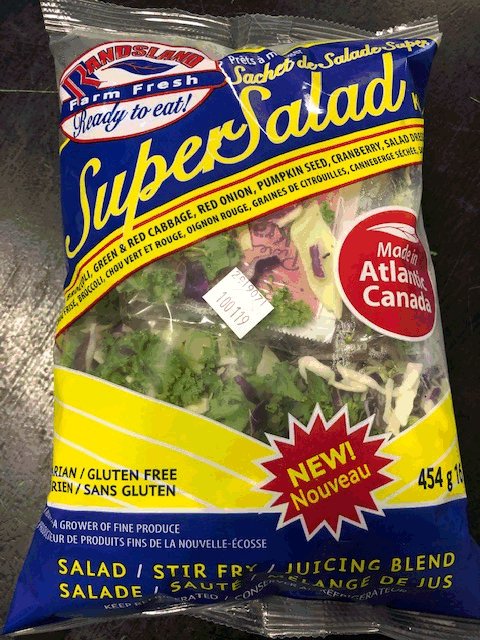
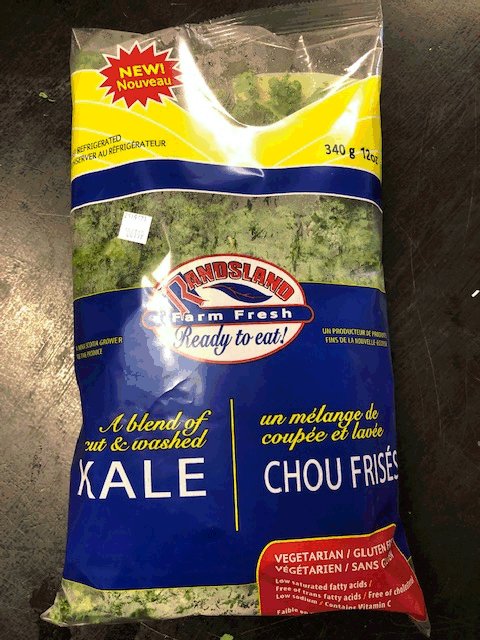
Canada – Updated Food Recall Warning – Randsland brand Super Salad Kit and Randsland brand Kale recalled due to Listeria monocytogenes

CFIA

Recall details

Ottawa, September 25, 2019 – The recall issued on September 24, 2019 has been updated to include additional distribution information. This additional information was identified during the Canadian Food Inspection Agency’s (CFIA) food safety investigation.

Randsland Farms Inc. is recalling Randsland brand Super Salad Kit and Randsland brand Kale from the marketplace due to possible Listeria monocytogenes contamination. Consumers should not consume the recalled products described below.

Recalled products

Brand Name Common Name Size UPC Code(s) on Product
Randsland Super Salad Kit 454 g 0 57225 00005 6 2919071
100119
Randsland Kale 340 g 0 57225 00006 3 2919071
100119

What you should do

If you think you became sick from consuming a recalled product, call your doctor.

Check to see if you have the recalled products in your home. Recalled products should be thrown out or returned to the store where they were purchased.

Food contaminated with Listeria monocytogenes may not look or smell spoiled but can still make you sick. Symptoms can include vomiting, nausea, persistent fever, muscle aches, severe headache and neck stiffness. Pregnant women, the elderly and people with weakened immune systems are particularly at risk. Although infected pregnant women may experience only mild, flu-like symptoms, the infection can lead to premature delivery, infection of the newborn or even stillbirth. In severe cases of illness, people may die.

Background

This recall was triggered by the Canadian Food Inspection Agency’s (CFIA) inspection activities. The CFIA is conducting a food safety investigation, which may lead to the recall of other products. If other high-risk products are recalled, the CFIA will notify the public through updated Food Recall Warnings.

The CFIA is verifying that industry is removing the recalled products from the marketplace.

Illnesses

There have been no reported illnesses associated with the consumption of these products.

Product photos

Printer ready version of photos

  • Randsland - Super Salad Kit
  • Randsland - Kale

USA – FDA Partners with the University of Arizona, Wellton-Mohawk Irrigation and Drainage District, and Yuma Area Leafy Greens Stakeholders to Enhance Food Safety

FDA

The U.S. Food and Drug Administration has launched a new initiative with support from the Arizona Department of Agriculture, and in conjunction with the University of Arizona Cooperative Extension, the Wellton-Mohawk Irrigation and Drainage District (WMIDD), and members of the Yuma area leafy greens industry to better understand the ecology of human pathogens in the environment in the Yuma agricultural region. This initiative will be a multi-year study which will focus on how these pathogens survive, move and possibly contaminate produce prior to harvest.

The launch of this initiative follows the largest E.coli O157:H7 outbreak in the United States since 2006. The outbreak, which was linked to romaine lettuce grown in the Yuma region, began in the spring of 2018 and resulted in 210 reported illnesses from 36 states, 96 hospitalizations, 27 cases of hemolytic uremic syndrome (HUS) and five deaths. In response,  FDA led an Environmental Assessment (EA) of the Yuma produce growing region in collaboration with Centers for Disease Control and Prevention (CDC), the Arizona Department of Agriculture (AZDA), WMIDD, and state partners from June through August 2018.

While the EA was useful in narrowing the scope of the outbreak, many questions remain unanswered regarding the specific origin of the pathogen, the environmental distribution, and potential reservoirs for the outbreak strain. The findings made clear that further collaboration among leafy greens stakeholders and FDA is needed to better understand potential sources of microbial contamination, the prevalence and persistence of human pathogens in the ecosystem near growing areas, and the best management practices to prevent future outbreaks from occurring.

Throughout this initiative, FDA will work in partnership with water quality, food safety, and agricultural experts from the University of Arizona Cooperative Extension, representatives from the WMIDD, and members of the Yuma area leafy greens industry. Research teams will be collecting and examining samples from the environment such as surface waters, canal sediment, and dust. The team will also be collecting scat samples to assess the impact that animal intrusion and native wildlife may have on the growing environment.

Shiga Toxin-Producing E.coli (STEC), of which E.coli O157:H7 is a strain, causes roughly 170,000 people to become ill every year. This generally happens through the consumption of contaminated food or water, or close contact with STEC-infected animals. Between 2009 and 2017, FDA and our partners at CDC identified 28 foodborne STEC outbreaks with known or suspected links to leafy greens. Like a lot of fresh produce, leafy greens are often eaten raw without a kill-step, such as cooking, that could eliminate pathogens that may be present.

The Yuma agricultural region, which encompasses Yuma County in Arizona and the Imperial Valley in California, is a leader in the production of leafy greens in the United States. The findings from this study will contribute new knowledge on how various environmental factors may influence bacterial persistence and distribution in this region, and how those factors may impact the risk of this commodity becoming contaminated. Results from this collaboration will lead to improved practices to prevent or mitigate food safety risks, and ultimately enhance the safety of produce grown in the region.

For More Information

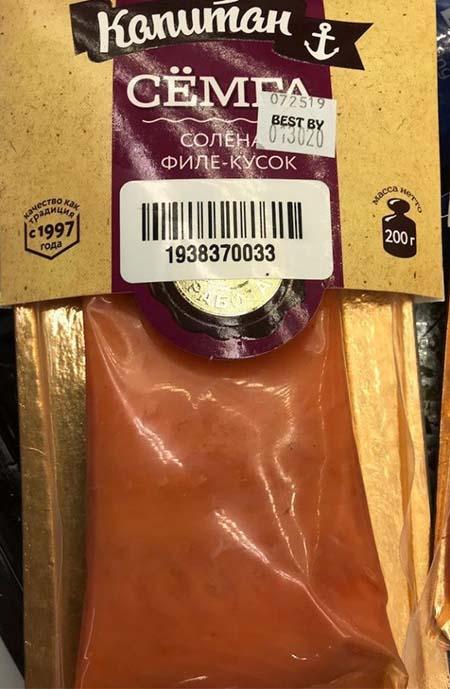
USA – Euphoria Fancy Food Inc. Recalls “Capitan K Salmon Fillet” Due to Possible Health Risk – Listeria monocytogenes

FDA

Company Announcement

Euphoria Fancy Food Inc of Brooklyn, NY is recalling its 7.05 oz packages of “CAPITAN K” salmon slightly salted pieces because they may be contaminated with Listeria monocytogenes, an organism which can cause serious and sometimes fatal infections in young children, frail or elderly people and others with weakened immune systems. Although healthy persons may suffer only short-term symptoms such as high fever, severe headache, stiffness, nausea, abdominal pain and diarrhea, Listeria infection can cause miscarriages and stillbirths among pregnant women.

The recalled “ CAPITAN K ” salmon slightly salted pieces were distributed nationwide in retail stores and through mail orders. The product comes in 7.05 oz, vacuum package marked with container code of 070519 and with a best by date of 01/30/20. The product UPC code is 607059000362.

No illnesses have been reported to date and connection with this problem.

The contamination was discovered after sampling by New York State Department of Agriculture and Market Food Inspectors and subsequent analysis by Food Laboratory personnel revealed the presence of Listeria monocytogenesin some 7.05 oz vacuum packages of “CAPITAN K” salmon slightly salted pieces.

Consumers who have purchased 7.05 oz vacuum packages of “CAPITAN K” salmon slightly salted pieces are urged to return them to the place of purchase for a full refund. Consumers with questions may contact the company at 718-768-3400.


Company Contact Information

Consumers:
Michael Briskin
 718-768-3400

Product Photos

Australia – The Flagstaff Group Ltd t/as Flagstaff Fine Foods — Frozen Meals 360g – Listeria monocytogenes

Gov Au

Photograph of Flagstaff Frozen Meals

Identifying features

Other
See attached list of batch numbers

What are the defects?

The recall is due to potential microbial contamination (Listeria monocytogenes).

What are the hazards?

Listeria may cause illness in pregnant women and their unborn babies, the elderly and people with low immune systems.

What should consumers do?

Any consumers concerned about their health should seek medical advice and should return the products to the place of purchase for a full refund.

For further information, contact Flagstaff Fine Foods by phone on 02 4272 0280 or at https://www.flagstaffgroup.com.au

Traders who sold this product

Meals on Wheels and community organisations

Where the product was sold
Australian Capital Territory
New South Wales
Queensland
South Australia
Dates available for sale
  • 16 May 2019 – 20 September 2019

Recall advertisements and supporting documentation