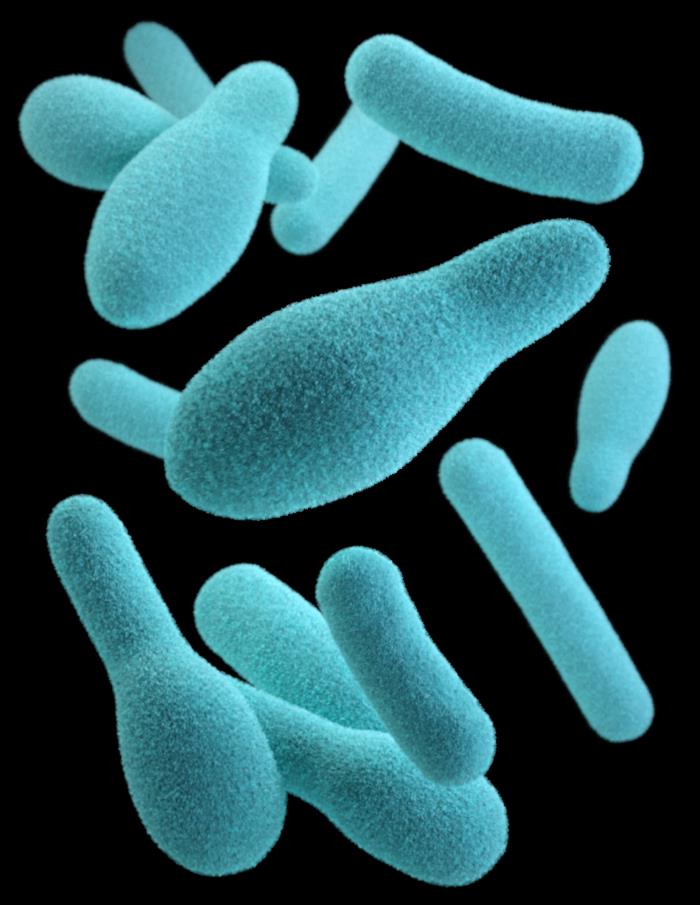
Category Archives: Exotoxin

Research – Staphylococcal Enterotoxins: Description and Importance in Food

MDPI

Abstract
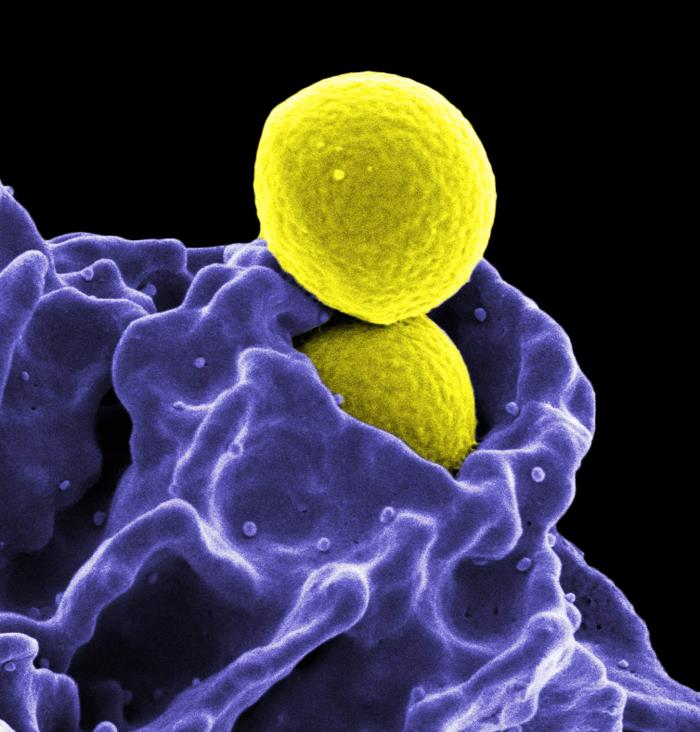
Staphylococcus aureus stands out as one of the most virulent pathogens in the genus Staphylococcus. This characteristic is due to its ability to produce a wide variety of staphylococcal enterotoxins (SEs) and exotoxins, which in turn can cause staphylococcal food poisoning (SFP), clinical syndromes such as skin infections, inflammation, pneumonia, and sepsis, in addition to being associated with the development of inflammation in the mammary glands of dairy cattle, which results in chronic mastitis and cell necrosis. SEs are small globular proteins that combine superantigenic and emetic activities; they are resistant to heat, low temperatures, and proteolytic enzymes and are tolerant to a wide pH range. More than 24 SE genes have been well described (SEA-SEE, SEG, SEH, SEI, SEJ, SElK, SElL, SElM, SElN, SElO, SElP, SElQ, SElR, SElS, SElT, SElU, SElV, SElW, SElX, SElY, and SElZ), being a part of different SFP outbreaks, clinical cases, and isolated animal strains. In recent years, new genes (sel26sel27sel28sel31sel32, and sel33) from SEs have been described, as well as two variants (seh-2p and ses-3p) resulting in a total of thirty-three genes from Ses, including the nine variants that are still in the process of genetic and molecular structure evaluation. SEs are encoded by genes that are located in mobile genetic elements, such as plasmids, prophages, pathogenicity islands, and the enterotoxin gene cluster (egc), and housed in the genomic island of S. aureus. Both classical SEs and SE-like toxins (SEls) share phylogenetic relationships, structure, function, and sequence homology, which are characteristics for the production of new SEs through recombination processes. Due to the epidemiological importance of SEs, their rapid assessment and detection have been crucial for food security and public health; for this reason, different methods of identification of SEs have been developed, such as liquid chromatography coupled with high-resolution mass spectrometry (LC-HRMS), molecular methods, and whole-genome sequencing; providing the diagnosis of SEs and a better understanding of the occurrence, spread, and eradication of SEs. This review provides scientific information on the enterotoxins produced by S. aureus, such as structural characteristics, genetic organization, regulatory mechanisms, superantigen activity, mechanisms of action used by SEs at the time of interaction with the immune system, methods of detection of SEs, and recent biocontrol techniques used in food.
Research – Identify toxin-producing bacteria more quickly

ANSES

Improving the identification of toxin-producing bacteria is a real challenge for understanding food poisoning episodes. As part of the Joint European “One Health” Program coordinated by ANSES, the agency coordinated a European collaborative project on the toxin-producing bacteria which cause the most collective foodborne illnesses (TIAC).

Staphylococcus aureus, Bacillus cereus and Clostridium perfringens were at the heart of the European TOX-Detect project. This trio was not chosen at random: they are the toxin-producing bacteria most frequently involved in collective foodborne illness (TIAC) . According to the European Union Zoonoses Report One Health 2021 published by the European Food Safety Authority (EFSA), bacterial toxins are the second leading cause of TIAC after bacteria themselves (17%). The project, coordinated by ANSES, began in 2018 for a duration of 3 years. It was funded by the One Health EJP program and involved the Institut Pasteur, INRAE ​​as well as various partners from several European countries.

 “  Depending on the bacterial strains, the expression of virulence factors is not the same. These virulence factors are, for example, the presence of adhesion proteins or the production of toxins, in food or in the body. They serve the bacteria to counter the defenses that the host could put up against them, explains Yacine Nia, co-coordinator of the project and deputy head of unit of the Staphylococcus, Bacillus, Clostridium (SBCL) unit, of the food safety laboratory. of Anses. The ability of the bacteria to harm the body will be higher or lower depending on these virulence factors.  »

Most poisonings caused by the toxins of the three bacteria studied cause gastrointestinal symptoms (nausea, vomiting, abdominal pain, diarrhea). Deaths may occur, especially in the most sensitive subjects.

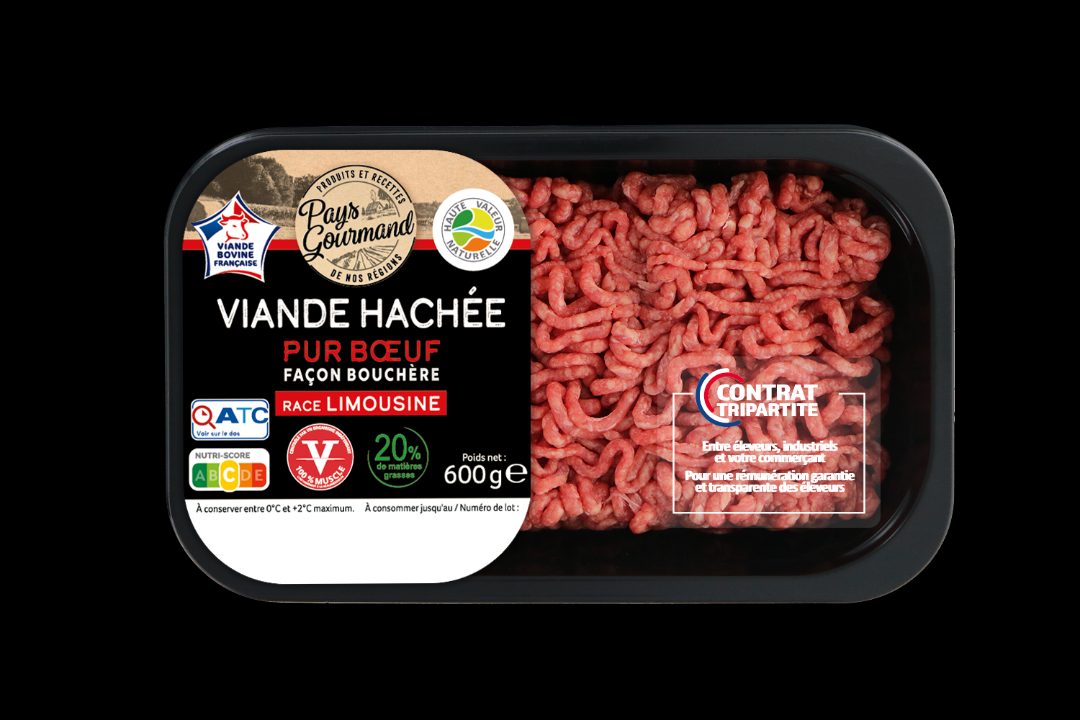
France – Pure beef minced meat, Limousin breed butcher style 20% – 600G

Gov france

Identification information of the recalled product

  • Product category Feed
  • Product subcategory Meats
  • Product brand name Greedy country
  • Model names or references Pure beef minced meat, Limousin breed butcher style 20% – 600G
  • Identification of products
    GTIN Lot Date
    2006050052554 22130813 Use-by date 02/06/2022
  • Marketing start/end date From 25/05/2022 to 02/06/2022
  • Storage temperature Product to be stored in the refrigerator
  • Health mark FR 87.085.006 CE
  • Geographic area of ​​sale Whole France
  • Distributors Aldi

Practical information regarding the recall

  • Reason for recall Possible presence of microorganisms (E. coli STEC)
  • Risks incurred by the consumer Toxigenic Shiga Escherichia coli (STEC)
  • Additional description of the risk Escherichia coli O26:H11

USA- Staph food poisoning linked to illnesses among Coachella bus drivers

Outbreak News Today

MRSA Staphylococcus KSW Food World

According to the Riverside County Health Department, tests conducted on food collected after dozens of employees of a shuttle bus company became ill last month detected a bacterial toxin that can cause the symptoms described by those who became sick.

A state health department laboratory reported this week that Staphylococcal aureus (Staph) enterotoxin was detected in the food sample collected by a Los Angeles County resident who became ill shortly after eating a dinner catered for employees of a shuttle bus company on April 24. The company had provided shuttle service for the Coachella Music Festival.

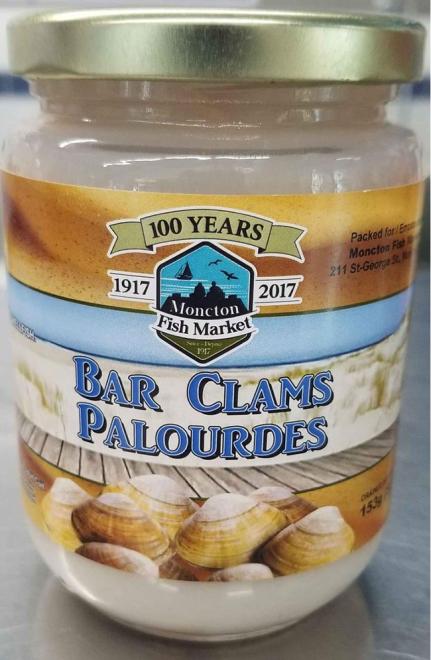
Canada – Moncton Fish Market brand Bar Clams recalled due to potential presence of dangerous bacteria – Clostridium botulinum

CFIA

Moncton Fish Market - Bar Clams: 153 g

Moncton Fish Market - Bar Clams: 153 g

Product
Bar Clams
Issue
Food » Microbial Contamination » Clostridium botulinum
What to do

Do not consume the recalled product

Affected products

Brand Product Size UPC Codes
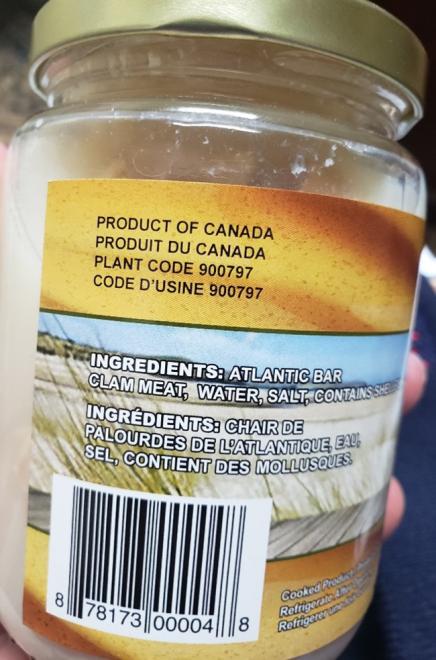
Moncton Fish Market Bar Clams 153 g 8 78173 00004 8 All jars that were sold unrefrigerated

Issue

Moncton Fish Market Ltd. is recalling Moncton Fish Market brand Bar Clams that have been sold unrefrigerated from the marketplace because the product may permit the growth of Clostridium botulinum.

The recalled product has been sold at Moncton Fish Market, Moncton, New Brunswick.

What you should do

  • If you think you became sick from consuming a recalled product, call your doctor
  • Check to see if you have the recalled product in your home
  • Do not consume the recalled product
  • Recalled products should be thrown out or returned to the location where they were purchased

Food contaminated with Clostridium botulinum toxin may not look or smell spoiled but can still make you sick. Symptoms in adults can include facial paralysis or loss of facial expression, unreactive or fixed pupils, difficulty swallowing, drooping eyelids, blurred or double vision, difficulty speaking, including slurred speech, and a change in sound of voice, including hoarseness. Symptoms of foodborne botulism in children can include difficulty swallowing, slurred speech, generalized weakness and paralysis. In all cases, botulism does not cause a fever. In severe cases of illness, people may die.

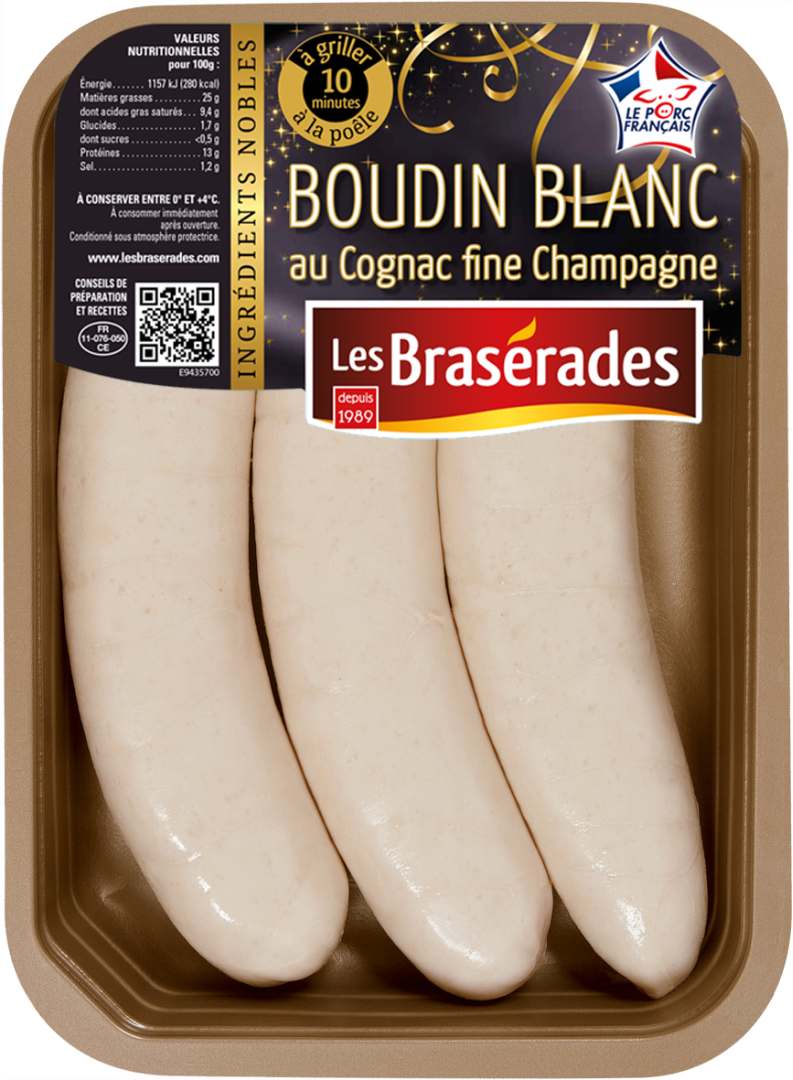
France – WHITE BOUDINS COGNAC FINE CHAMPAGNE Sausages – Clostridium perfringens

Gov france

Identifying information for the recalled product

  • Product category Food
  • Product sub-category Meats
  • Product brand name THE BRASERADES
  • Names of models or references WHITE BOUDINS COGNAC FINE CHAMPAGNE 3 * 125G WHITE BOUDINS COGNAC FINE CHAMPAGNE 7 * 125G
  • Product identification
    GTIN Lot Dated
    3387620061565 321340213 Use-by date 12/17/2021
    3387620061565 321340213 Use-by date 12/18/2021
    3387620061565 321340213 Use-by date 12/19/2021
    3387620061565 321340213 Use-by date 12/20/2021
    3387620061565 321340213 Use-by date 12/21/2021
    3387620061572 321340159 Use-by date 12/18/2021
    3387620061572 321340159 Use-by date 12/20/2021
    3387620061572 321340159 Use-by date 12/21/2021
    3387620061572 321340159 Use-by date 12/22/2021
  • Packaging MODIFIED UNDER ATMOSPHERE TRAY 3 * 125G MODIFIED UNDER ATMOSPHERE TRAY 7 * 125G
  • Start date / End of marketing From 12/06/2021 to 12/10/2021
  • Storage temperature Product to be stored in the refrigerator
  • Health mark FR 11.076.050 CE
  • Geographical sales area Whole France
  • Distributors Leclerc, Auchan, Carrefour, Atac
  • List of points of saleclients_livrés_boudins_fines_champagnes.pdf

Practical information regarding the recall

  • Reason for recall Bacteriological contamination by Clostridium perfringens
  • Risks incurred by the consumer Clostridium perfringens

UK – Chef sentenced after one killed and 31 left ill by undercooked shepherd’s pie

The Guardian

A church harvest supper at a village pub ended in tragedy when one of the congregation was killed and 31 others suffered food poisoning after eating a shepherd’s pie filled with mince that had been incorrectly prepared by a rushing chef.

Elizabeth Neuman, 92, repeatedly vomited after eating the pie and died while other parishioners became “unpleasantly ill” and three of those attending only escaped because they were vegetarians, Reading crown court heard.

The cook, John Croucher, who at the time was head chef at the Crewe Arms in the Northamptonshire village of Hinton-in-the-Hedges, was given a four-month jail sentence, suspended for 12 months, after admitting a charge of contravening food regulations.

Research – Clostridial Neurotoxins: Structure, Function and Implications to Other Bacterial Toxins

MDPI

Gram-positive bacteria are ancient organisms. Many bacteria, including Gram-positive bacteria, produce toxins to manipulate the host, leading to various diseases. While the targets of Gram-positive bacterial toxins are diverse, many of those toxins use a similar mechanism to invade host cells and exert their functions. Clostridial neurotoxins produced by Clostridial tetani and Clostridial botulinum provide a classical example to illustrate the structure–function relationship of bacterial toxins. Here, we critically review the recent progress of the structure–function relationship of clostridial neurotoxins, including the diversity of the clostridial neurotoxins, the mode of actions, and the flexible structures required for the activation of toxins. The mechanism clostridial neurotoxins use for triggering their activity is shared with many other Gram-positive bacterial toxins, especially molten globule-type structures. This review also summarizes the implications of the molten globule-type flexible structures to other Gram-positive bacterial toxins. Understanding these highly dynamic flexible structures in solution and their role in the function of bacterial toxins not only fills in the missing link of the high-resolution structures from X-ray crystallography but also provides vital information for better designing antidotes against those toxins. View Full-Text

USA – Clostridium perfringens is bug that hit South Peninsula Hospital in Anchorage Alaska

Food Poison Journal

CDC Clost perf

Image CDC

Morgan Krakow of the Anchorage Daily News reported that Health officials have traced the source of a foodborne illness outbreak that sickened dozens of hospital workers in Homer to a single item, the Department of Health and Social Services said in a release Monday.

It was a Cubano sandwich, experts who investigated the incident think. In fact, it was probably the pulled pork inside of it, said Jeremy Ayers, section manager with the Food Safety and Sanitation Program within the Division of Environmental Health.

When investigating an outbreak, epidemiologists look at people’s symptoms and when they began. They start to form an idea of what dish was the likely offender. In this case a lot of signs pointed to the Cubano, Ayers said.

“[The] statistics that they came up with were pretty compelling that that sandwich was the implicated food item,” Ayers said.

Experts determined that the Homer incident likely involved a pathogen associated with cooked meat and poultry called Clostridium perfringens.

Ukraine- Botulism case reported in Melitopol, Ukraine, Linked to smoked mackerel

Outbreak News Today

kswfoodworld

On June 21, 2021, a case of botulism – food poisoning was registered in Melitopol- a city in Zaporizhzhia Oblast of southeastern Ukraine, according to the city health department.

The patient is a 65-year-old man who bought cold-smoked mackerel in a retail chain and consumed it himself on June 18-19, 2021.