Category Archives: Decontamination Microbial

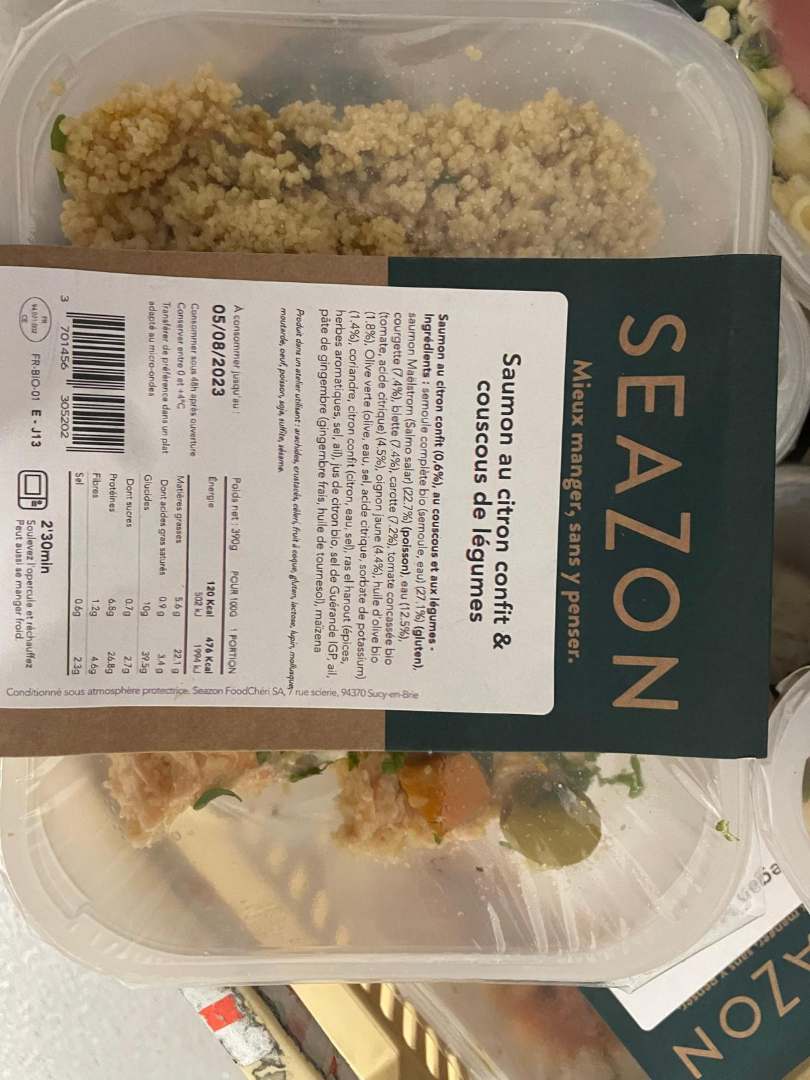
France -Salmon with candied lemon and vegetable couscous – Salmon thawing process not respected, leading to a risk of bacterial development

Gov france

Identification information of the recalled product

  • Product category Feed
  • Product subcategory Prepared meals and snacks
  • Product brand name Seazon
  • Model names or references Salmon with candied lemon (0.6%) with couscous and vegetables
  • Identification of products
    GTIN Batch Date
    3701456305202 05/08/2023 (E) Use-by date 05/08/2023
  • Packaging Plastic tray 390g
  • Marketing start/end date From 07/31/2023 to 07/31/2023
  • Storage temperature Product to be stored in the refrigerator
  • Health mark FR94.071.002CE
  • Geographic area of ​​sale Whole France
  • Distributors Seazon

Research – Effect of Conventional Preservatives and Essential Oils on the Survival and Growth of Escherichia coli in Vegetable Sauces: A Comparative Study

MDPI

Abstract

Essential oils have gained attention as natural alternatives to chemical preservatives in food preservation. However, more information is needed regarding consumer acceptance of essential oils in actual food products. This study aimed to compare the effects of conventional preservatives, heat treatment, and essential oils derived from thyme, oregano, and lemongrass on the survival and growth of pathogenic Escherichia coli in vegetable sauces. The results demonstrated a gradual decrease in pathogen numbers over time, even in untreated samples. On the fifth day of storage, heat treatment, sodium chloride, and acidification using citric acid (pH 3.2) exhibited reductions of 4.4 to 5.3 log CFU/g compared to the untreated control. Among the essential oils tested, lemongrass essential oil at a concentration of 512 mg/kg demonstrated the most remarkable effectiveness, resulting in a reduction of 1.9 log CFU/g compared to the control. Fifteen days after treatment, the control samples exhibited a contamination rate of 6.2 log CFU/g, while E. coli numbers in treated samples with heat, sodium chloride, citric acid (pH 3.2), and lemongrass essential oil (512 mg/kg) were below the detection limits. Additionally, sensory evaluation was conducted to assess the acceptability of the treated samples. The findings provide valuable insights into the potential utilisation of essential oils as natural preservatives in vegetable sauces and their impact on consumer acceptance.

Research – Sanitizing Hatching Eggs with Essential Oils: Avian and Microbiological Safety

MDPI

Abstract

Increased meat and egg production leads to concomitant changes in poultry practices, including the indiscriminate use of formaldehyde to sanitize hatching eggs. Although this sanitizer aids in the increase in poultry production, its toxic potential for man and for avian embryos represents an obstacle to its long-term use. This review assesses whether essential oils fit into the context of hatching egg contamination, reviewing their antimicrobial efficiency, toxicity to poultry embryos and chicks, and their sanitizing effects on poultry production parameters. Studies have indicated that, because they are safer, most of the essential oils studied can be a potential substitute for formaldehyde for minimizing microbial exposure of hatching eggs and embryos. However, complementary studies on the microbiological profile of embryos and chicks hatched from eggs sanitized with essential oils need to be carried out and the economic feasibility of the candidate products should also be considered.

USA – Investigations of Foodborne Illness Outbreaks

FDA

What’s New

  • A new outbreak of Cyclospora cayetanensis (ref #1171) in a not yet identified product has been added to the table. There are currently 39 cases. FDA and state partners have initiated sample collection and testing and FDA has initiated traceback.
  • A new outbreak of E. coli O26 (ref #1165) with 13 cases linked to a not yet identified product has been added to the table. FDA has initiated traceback.
  • For the outbreak of Cyclospora cayetanensis (ref #1163), the case count has increased from 118 to 121 cases and FDA has initiated traceback.
  • For the outbreak of Salmonella Paratyphi B var. L(+) tartrate+ (ref #1157), the case count has increased from 34 to 35 cases.
  • For the outbreak of Cyclospora cayetanensis (ref #1159), the case count has increased from 43 to 68 cases.
  • For the outbreak of hepatitis A virus (ref #1143) linked to frozen strawberries, the advisory was updated on July 20, 2023 to include one additional case. FDA reminds consumers to check their freezers and not eat recalled frozen strawberries.

Spain: Botulism outbreak linked to packaged potato omelette

Outbreak News Today

On July 11, Italy notified through the Early Warning and Response System of the Union Union (EWRS) two cases of botulism whose only food in common had been an omelet of packaged potato consumed in Spain.

On July 14, the Community of Madrid and the Community Valenciana notified the National Epidemiological Surveillance Network (RENAVE) of two cases with symptoms compatible with botulism, with ingestion of the same food, for which reason the immediately alerts the Autonomous Communities and Cities (CC.AA.).

Also, it contacted the Spanish Agency for Food Safety and Nutrition (AESAN) as responsible for analyzing traceability and coordinating pertinent investigations regarding the food product.

Up to now, 7 cases have been reported with a history of consumption of packaged potato in the days prior to the onset of the symptoms: 5 laboratory-confirmed cases with symptom onset date between June 24 and July 10 and 2 probable cases (with compatible clinic and epidemiological link), whose dates of onset of symptoms have been 21 June and July 1 respectively.

France – Chocolate Gourmet Cream 2x120g – Possible Micro Contamination

Gov france

Identification information of the recalled product

  • Product category Feed
  • Product subcategory Milk and dairy products
  • Product brand name Bonneterre
  • Model names or references Chocolate Gourmet Cream 2x120g Bonneterre
  • Identification of products
    GTIN Batch Date
    3396410241414 L 131770033 Use-by date 07/27/2023
  • Packaging 2 glass jars grouped together by a cardboard box
  • Marketing start/end date From 04/07/2023 to 25/07/2023
  • Storage temperature Product to be stored in the refrigerator
  • Health mark EN 22.258.002 EC
  • Further information Chocolate Gourmet Cream with the DLC 07/27/2023
  • Geographic area of ​​sale Whole France
  • Distributors ORGANIC specialty stores

USA – Salmonella Outbreak Linked to Ground Beef

Print

CDC

Investigators are working to identify the source of the ground beef sick people ate in this outbreak. Any ground beef can have germs, like Salmonella. Always cook ground beef to an internal temperature of 160°F.

Fast Facts
  • Illnesses: 16
  • Hospitalizations: 6
  • Deaths: 0
  • States: 4
  • Recall: No
  • Investigation status: Active
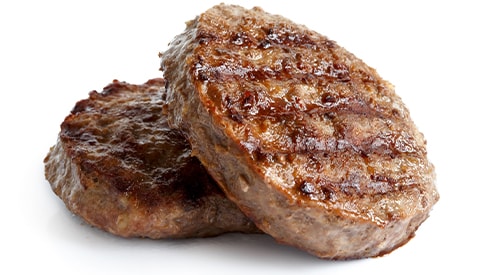
Two ground beef patties on a white background.
 
Source of the Outbreak

All of the people who remembered the type of ground beef they ate and where they bought it reported eating 80% lean ground beef purchased from ShopRite locations in Connecticut, New Jersey, and New York before they got sick. Ground beef is the only common food people reported eating. Investigators are working to identify the source of the ground beef sick people ate.

Salmonella in Ground Beef

Ground beef is a known source of Salmonella illnessesSalmonella germs live in the intestines of people and animals and can be spread through contaminated food, water, food preparation surfaces, and unwashed hands. Salmonella germs are killed when ground beef is cooked to an internal temperature of 160°F. Eating raw or undercooked ground beef can make you sick.

Research – Listeria (Sweden 2022-2023)

Folkhalsomyndigheten

Cases where people have contracted listeria infection are now being investigated by the Public Health Agency in collaboration with the regional infection control units and the Swedish Food Agency.

From the end of May to the beginning of July, ten people have contracted listeria infection caused by the same variant of listeria, serotype IIa. Another four people fell ill in the fall of 2022 with the same strain of bacteria. The cases consist of ten men and four women and are aged 63 to 93 years. They have been reported from eight of the country’s regions. According to the information reported to the Public Health Authority, three of the patients in the oldest age group have died in close connection with their listeria infection.

The people we know who have become ill have had to answer a questionnaire about the foods they have eaten. Many have indicated that they ate cold-smoked and/or smoked salmon, but the exact product that caused the outbreak is not clear.

Risk groups for getting serious illness from listeria are pregnant women, the elderly and people with a weakened immune system.

Research – Estimating the Prevalence of Foodborne Pathogen Campylobacter jejuni in Chicken and Its Control via Sorghum Extracts

MDPI

Abstract

CDC Campy

Campylobacter jejuni is a Gram-negative bacterium which is considered as the most reported cause of foodborne infection, especially for poultry species. The object of this work is to evaluate the occurrence of C. jejuni in chicken meat as well its control via three types of sorghum extracts (white sorghum (WS), yellow sorghum (YS), and red sorghum (RS)); antibacterial activity, antioxidant power, and cytotoxicity of sorghum extracts were also assessed. It was found that C. jejuni is very abundant in chicken meat, especially breast and thigh. WS extract showed more effectiveness than both yellow and red ones. Lyophilized WS extract offered high total phenolic compounds (TPCs) and total flavonoid compounds (TFCs) of 64.2 ± 0.8 mg gallic acid equivalent (GAE/g) and 33.9 ± 0.4 mg catechol equivalent (CE)/g, respectively. Concerning the antibacterial and antioxidant activities, WS showed high and significant antibacterial activity (p < 0.001); hence, WS displayed a minimum inhibitory concentration (MIC) of 6.25%, and revealed an inhibition zone of 7.8 ± 0.3 mm; it also showed an IC50 at a concentration of 34.6 μg/mL. In our study, different samples of chicken fillet were collected and inoculated with pathogenic C. jejuni and stored at 4 °C. Inoculated samples were treated with lyophilized WS extract at (2%, 4%, and 6%), the 2% treatment showed a full reduction in C. jejuni on the 10th day, the 4% treatment showed a full reduction in C. jejuni on the 8th day, while the 6% treatment showed a full reduction in C. jejuni on the 6th day. Additionally, 2%, 4%, and 6% WS extracts were applied on un-inoculated grilled chicken fillet, which enhanced its sensory attributes. In sum, WS extract is a promising natural preservative for chicken meat with accepted sensory evaluation results thanks to its high antibacterial and antioxidant potentials.

Research – Modified Atmosphere Packaging (MAP) for Seaweed Conservation: Impact on Physicochemical Characteristics and Microbiological Activity

MDPI

Abstract

Conventional conservation techniques such as drying, salting or freezing do not allow for preserving the original characteristics of seaweeds. The present work aims to study the impact of minimal processing, in particular “Modified Atmosphere Packaging” (MAP), on the physicochemical characteristics and food safety of two seaweed species, “laver” (Porphyra umbilicalis) and “sea-lettuce” (Ulva lactuca), stored at 6 °C for 15 days. Different parameters were evaluated using analytical methods, namely the composition of headspace gases, color, texture, microorganisms, and volatile organic compounds (VOCs). The main findings of this study were that the MAP treatment was able to inhibit the respiration rate of minimally processed seaweeds, also preserving their color and texture. There was a remarkable reduction in the microbial load for P. umbilicalis treated under modified and vacuum atmospheres, and U. lactuca exhibited relatively steady values with no notable differences between the treatments and the control. Therefore, during the 15-day study period, both seaweeds met the requirements for food safety. GC–TOF-MS allowed to conclude that both MAP and vacuum treatments were more efficient in maintaining the odor characteristics of U. lactuca compared to P. umbilicalis with no significant differences throughout the storage days. Metabolic responses to diverse sources of abiotic stress seemed to account for most of the changes observed.