Category Archives: Clostridium botulinum

Research – Assessment of the risk of botulism from chilled, vacuum/modified atmosphere packed fresh beef, lamb and pork held at 3 °C–8 °C

Science Direct


The safety of current UK industry practice (including shelf-life) for chilled, vacuum/modified atmosphere-packed fresh red meat (beef, lamb and pork) held at 3°C–8°C has been evaluated with respect to non-proteolytic Clostridium botulinum. UK industry typically applies a retail pack shelf-life at 3°C–8°C to 13 days for fresh red meat, with a maximum of 23 days for beef, 27 days for lamb, and 18 days for pork. An exposure assessment established that current commercial practice for fresh red meat provided strong protection with more than 1010 person servings marketed in the UK without association with foodborne botulism. A challenge test demonstrated that spores of non-proteolytic C. botulinum inoculated on chilled vacuum-packed fresh red meat did not lead to detectable neurotoxin at day 50 for beef, day 35 for lamb, or day 25 for pork (i.e. <40 pg type B toxin and type E toxin g−1 of meat). The products were visually spoiled many days before these end points. The exposure assessment and challenge test demonstrated the safety of current UK industry practices for the shelf-life of fresh, vacuum-packed beef, lamb and pork held at 3°C–8°C with respect to C. botulinum, and that botulinum neurotoxin was not detected within their organoleptic shelf-life.

Information – Common Symptoms of All of the Food Poisoning Pathogens

Food Poisoning Bulletin

Food poisoning outbreaks occur every year in the United States. These outbreaks can be caused by bacteria such as E. coli, Salmonella, Listeria Monocytogenes, Clostridium botulinum, Campylobacter, Shigella, Staphylococcus aureus, Brucella, Vibrio, and Bacillus cereus; and viruses such as norovirus and hepatitis A. At least 48,000,000 Americans are sickened with food poisoning every year. Do you know the common symptoms of all of the food poisoning pathogens? Follow the link above to find out.


Information – How Do You Know If You Have a Botulism Infection?

Food Poisoning Bulletin

Botulism is one of the scariest and most lethal foodborne illness infections. The bacteria Clostridium botulinum produces a toxin as it grows. A tiny, tiny amount of that toxin is enough to kill an adult. So how do you know if you have a botulism infection?

Most people think that botulism outbreaks are tied to canned food. It’s true that the bacterium grows in an anaerobic environment, which means that there is no air in the container that holds the food. But botulism can also grow in honey, which is why babies under the age of 1 should never be given honey.

And a deadly botulism outbreak linked to nacho cheese sauce served at Valley Oak and Fuel in Walnut Grove, California in May, 2017 sickened 10 people and killed one person.

The bacteria and the toxin do not change how the food looks, smells, or tastes, and the texture is not affected. The only way to protect canned food against this toxin is to make sure that all canned food is made according to food safety regulations.

USA -IcelandicPlus LLC Voluntarily Recalls Whole Capelin Fish Pet Treats Because Product Exceeds FDA Size Restrictions – Botulism

FDA Label Front:  ICELANDIC+ CAPELINE WHOLE FISH FOR CATS, 1.5 oz. Bag

Out of an abundance of caution IcelandicPlus LLC of Ft. Washington, PA, is recalling its Capelin Pet Treats because some of the fish have exceeded the FDA compliance guideline for fish larger than 5 inches. The FDA has determined that salt-cured, dried, or fermented un-eviscerated fish larger than 5 inches have been linked to outbreaks of botulism poisoning in humans between 1981 and 1987 and again in 1991. Since some IcelandicPlus Capelins are larger than 5 inches there is a possible health risk. To date there have been no reported illnesses of dogs, cats, or persons in connection with Capelin. Nor has there been any positive test results for Clostridium botulinum from any IcelandicPlus Capelin, but because of the potential risk, and despite no known illnesses in connection with our products, we have decided in co-operation with the FDA, to announce this product recall.

Clostridium botulinum toxin can cause severe clinical signs including death in both animals consuming the pet treat and people handling the pet treat or coming in contact with contact areas that have been exposed to the product. Common symptoms may include dizziness, blurred or double vision, trouble with speaking or swallowing, difficulty breathing, muscle weakness, abdominal distension, and constipation. Consider that several of the listed symptoms, such as double vision, cannot be easily assessed in animals or conveyed by an animal. Pets or persons experiencing these symptoms should seek immediate medical attention.

The Capelin product was shipped to distributors in the United States with the intent to be sold to Retailers who in turn sell to Consumers. This product would be found in Independent Pet Specialty Stores within all States in the United States.

The product comes in a clear plastic package or tube, and marked Icelandic+ Capelin WHOLE FISH, PURE FISH TREATS FOR DOGS, or PURE FISH TREATS FOR CATS UPC CODES, 8 5485400775 9; 8 5485400711 7; and 8 5485400757 5 are packaged in a 2.5 ounce tube or a 1.5 or 2.5 ounce bag (lot numbers 02/2020 to 02/2022)

IcelandicPlus is family owned and run by pet parents who take the safety and wellbeing of its consumers and clients with the utmost importance, as such we are conducting this voluntarily recall to further protect our customers. Additionally, we are changing our Capelin supplier to ensure that the fish in our product are consistently less than 5 inches, or if larger, they will be completely eviscerated.

Distributors, Retailers and Consumers who have purchased IcelandicPlus’s Capelin can return it to the location where it was purchased for a refund. Consumers with questions may contact the company at 1857-246-9559. Monday – Friday 8am – 5pm EST.


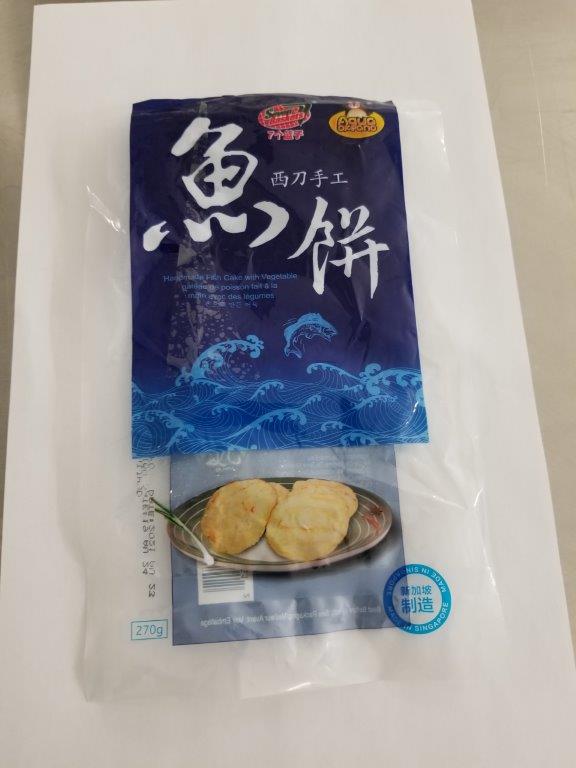
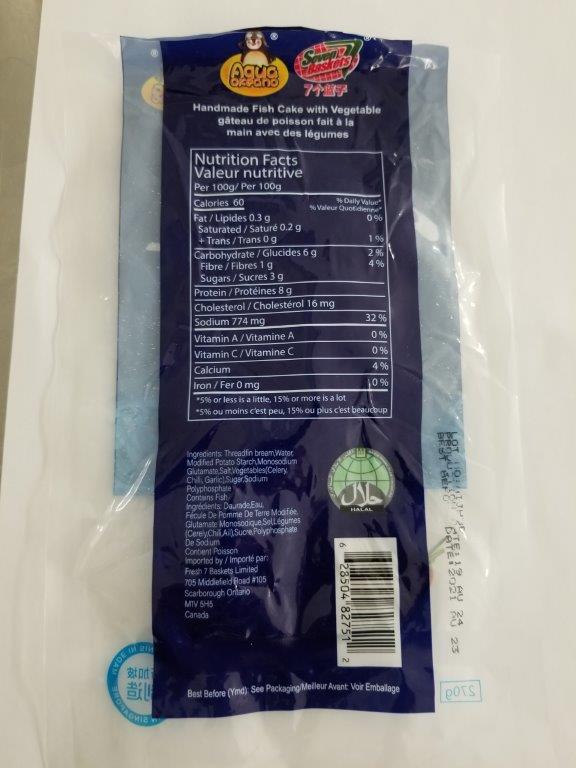
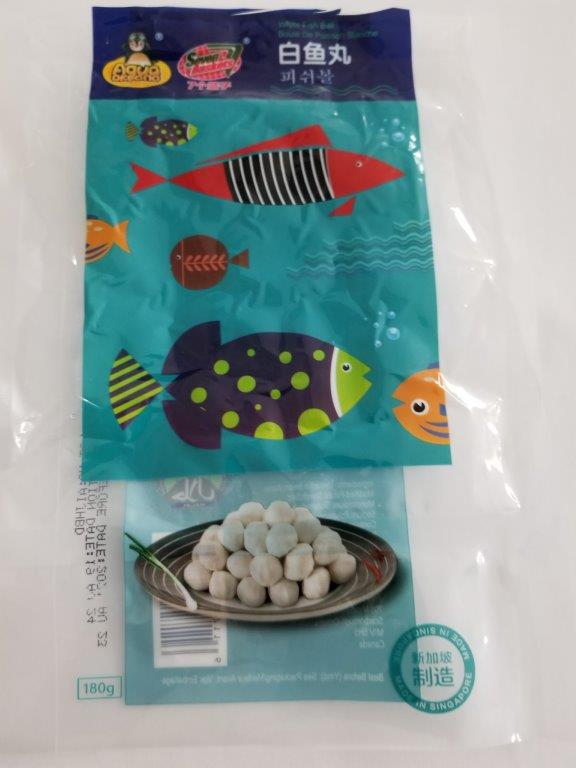
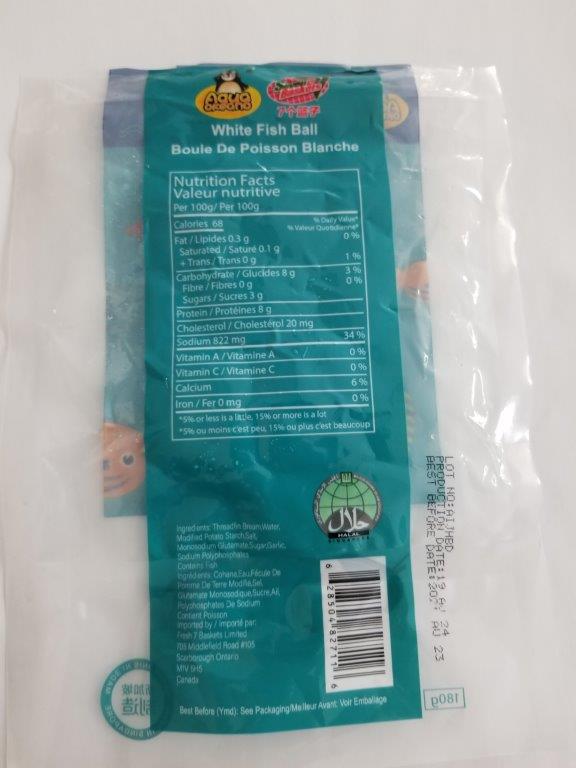
Canada – Food Recall Warning – Aqua Okeano brand and Aqua Okeano / Seven Baskets brand fish products recalled due to potential presence of dangerous bacteria

Canada Gov

Recall details

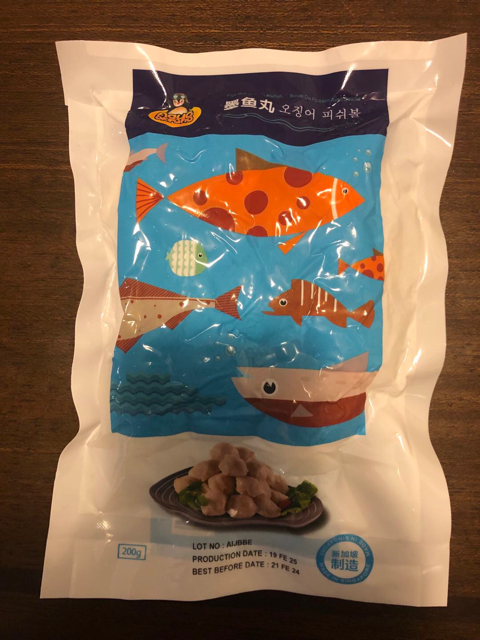
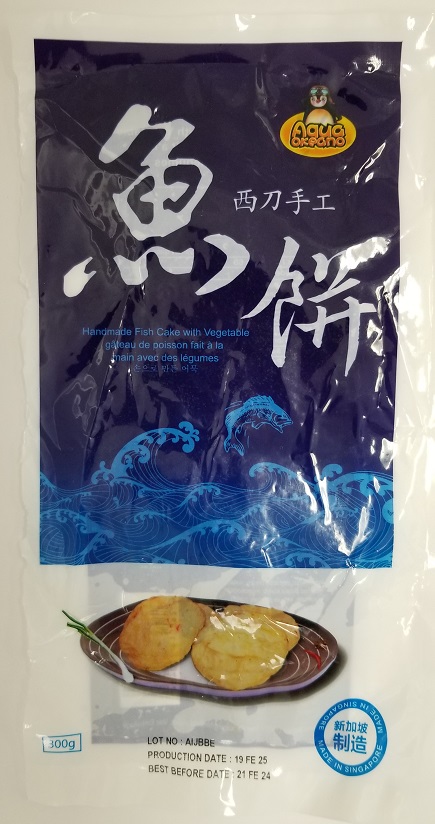
Ottawa, February 25, 2020 – Fresh 7 Baskets Limited is recalling Aqua Okeano brand and Aqua Okeano / Seven Baskets brand fish products from the marketplace because they may permit the growth of Clostridium botulinum. Consumers should not consume the recalled products described below.

Recalled product

Brand Product Size UPC Codes
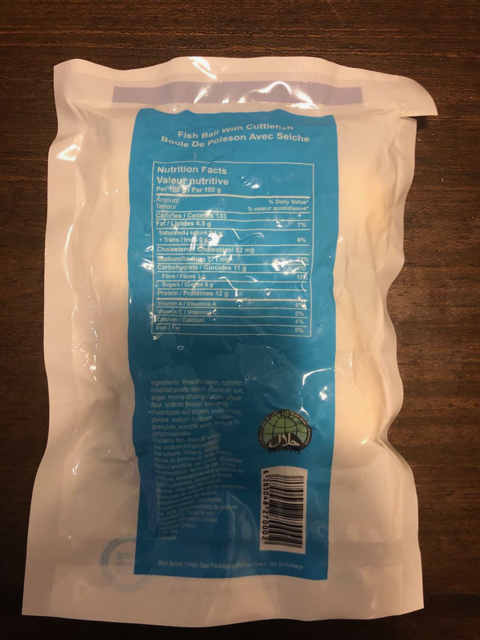
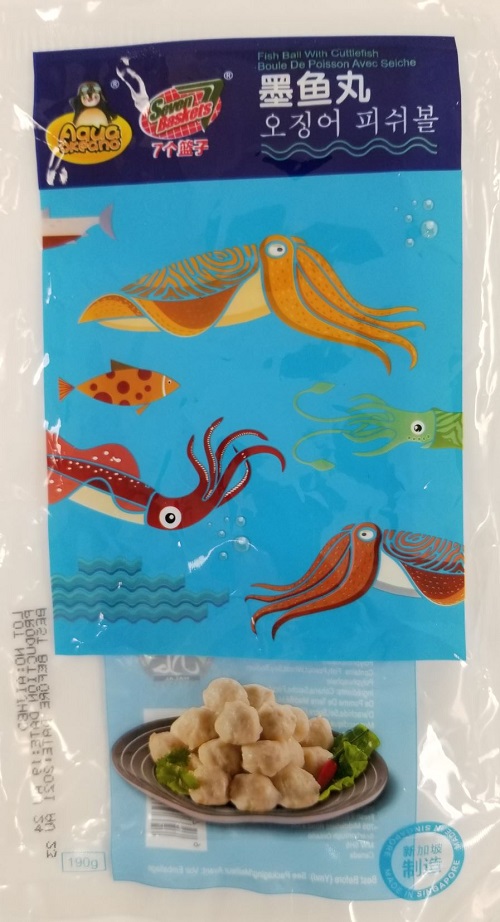
Aqua Okeano Fish Ball with Cuttlefish 200 g 6 285048 270002 All best before dates up to and including 2021 AU 23
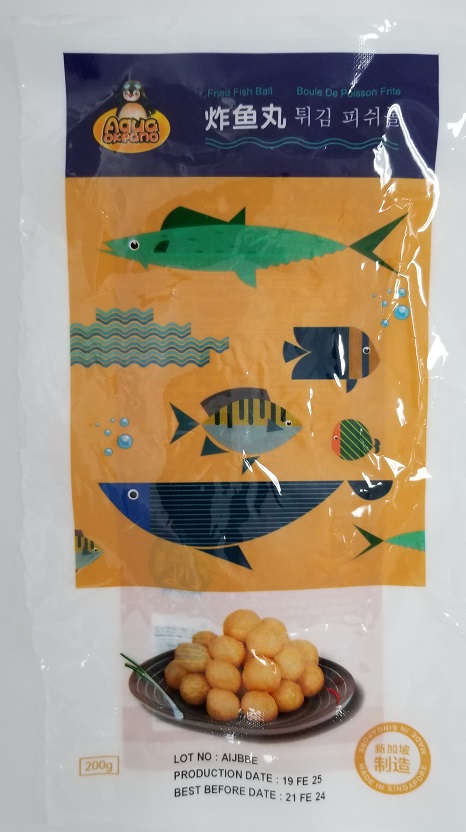
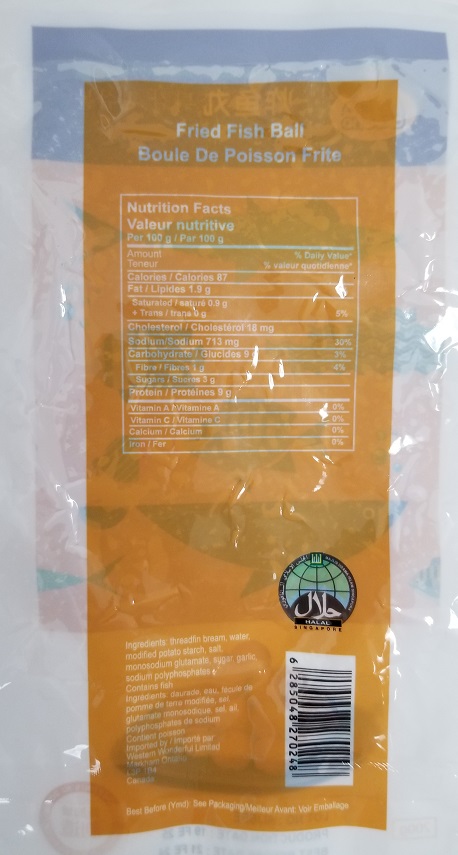
Aqua Okeano Fried Fish Ball 200 g 6 285048 270248 All best before dates up to and including 2021 AU 23
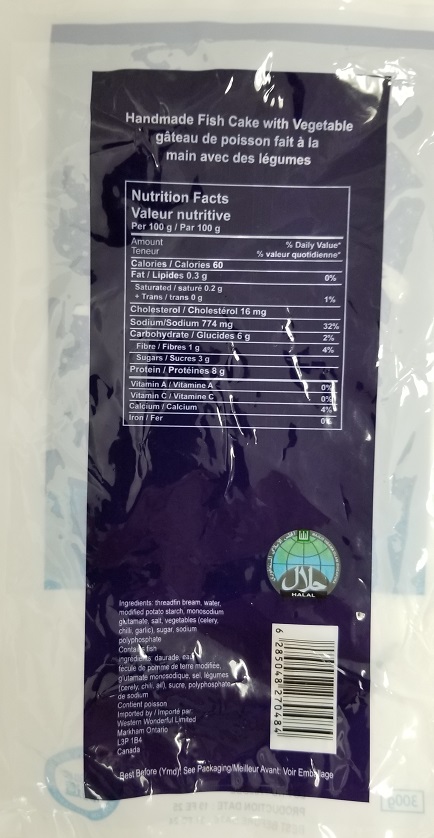
Aqua Okeano Handmade Fish Cake with Vegetable 300 g 6 285048 270484 All best before dates up to and including 2021 AU 23
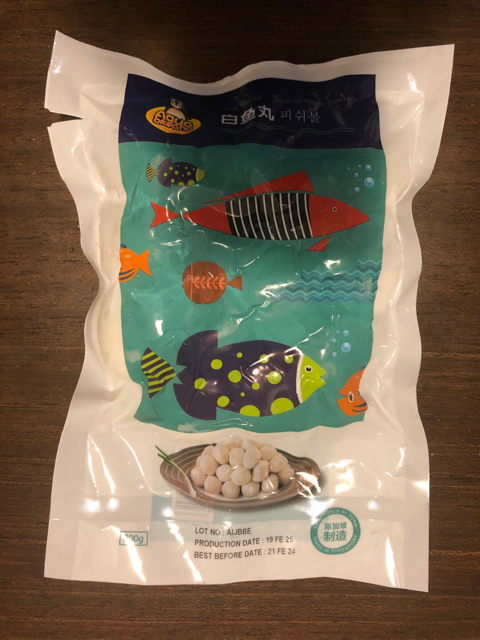
Aqua Okeano White Fish Ball 200 g 6 285048 270316 All best before dates up to and including 2021 AU 23
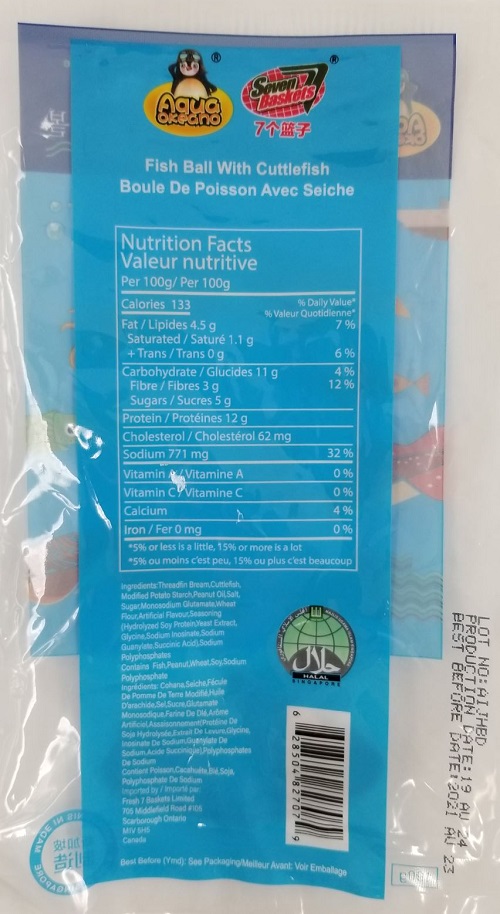
Aqua Okeano / Seven Baskets Fish Ball with Cuttlefish 190 g 6 28504 82707 9 All best before dates up to and including 2021 AU 23
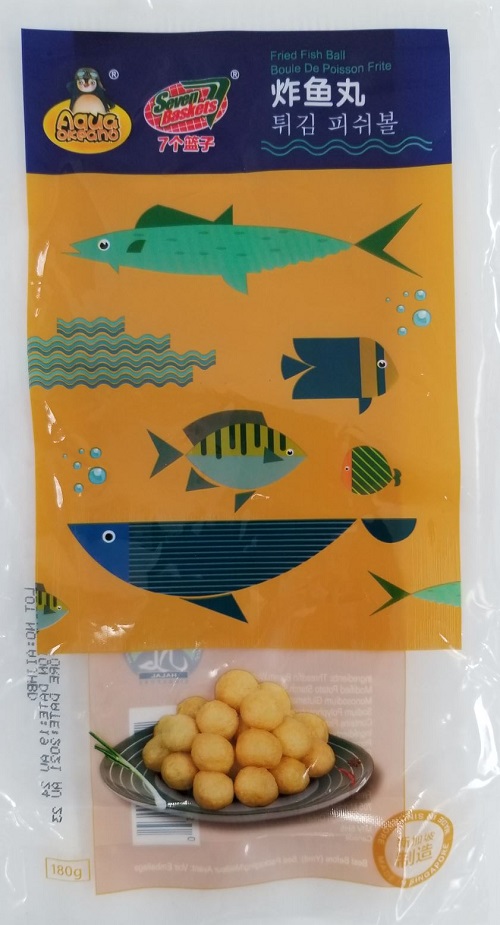
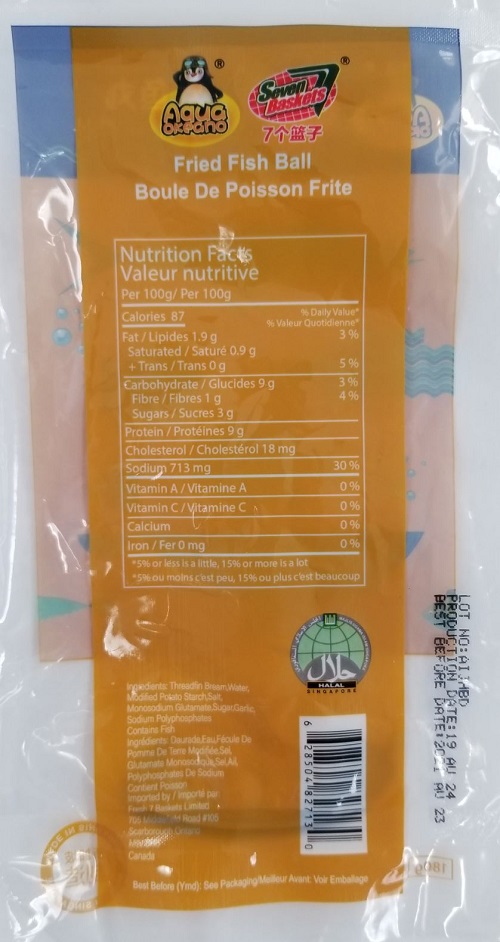
Aqua Okeano / Seven Baskets Fried Fish Ball 180 g 6 28504 82713 0 All best before dates up to and including 2021 AU 23
Aqua Okeano / Seven Baskets Handmade Fish Cake with Vegetable 270 g 6 28504 82751 2 All best before dates up to and including 2021 AU 23
Aqua Okeano / Seven Baskets White Fish Ball 180 g 6 28504 82711 6 All best before dates up to and including 2021 AU 23

What you should do

If you think you became sick from consuming a recalled product, call your doctor.

Check to see if you have the recalled products in your home. Recalled products should be thrown out or returned to the store where they were purchased.

Food contaminated with Clostridium botulinum toxin may not look or smell spoiled but can still make you sick.

Symptoms in adults can include facial paralysis or loss of facial expression, unreactive or fixed pupils, difficulty swallowing, drooping eyelids, blurred or double vision, difficulty speaking or including slurred speech, and a change in sound of voice, including hoarseness.

Symptoms of foodborne botulism in children can include difficulty swallowing, slurred speech, generalized weakness and paralysis. In all cases, botulism does not cause a fever. In severe cases of illness, people may die.

Background

This recall was triggered by Canadian Food Inspection Agency (CFIA) test results. The CFIA is conducting a food safety investigation, which may lead to the recall of other products. If other high-risk products are recalled, the CFIA will notify the public through updated Food Recall Warnings.

The CFIA is verifying that industry is removing the recalled products from the marketplace.

Illnesses

There have been no reported illnesses associated with the consumption of these products.

Product photos

Printer ready version of photos

  • Aqua Okeano - Fish Ball with Cuttlefish
  • Aqua Okeano - Fish Ball with Cuttlefish (Nutrition Facts Table)
  • Aqua Okeano - Fried Fish Ball
  • Aqua Okeano - Fried Fish Ball (Nutrition Facts Table)
  • Aqua Okeano - Handmade Fish Cake with Vegetable
  • Aqua Okeano - Handmade Fish Cake with Vegetable (Nutrition Facts Table)
  • Aqua Okeano - White Fish Ball
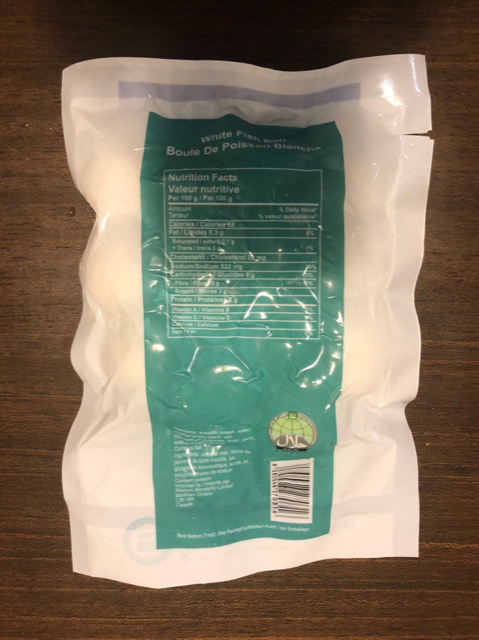
  • Aqua Okeano - White Fish Ball (Nutrition Facts Table)
  • Aqua Okeano / Seven Baskets - Fish Ball with Cuttlefish
  • Aqua Okeano / Seven Baskets - Fish Ball with Cuttlefish (Nutrition Facts Table)
  • Aqua Okeano / Seven Baskets - Fried Fish Ball
  • Aqua Okeano / Seven Baskets - Fried Fish Ball (Nutrition Facts Table)
  • Aqua Okeano / Seven Baskets - Handmade Fish Cake with Vegetable
  • Aqua Okeano / Seven Baskets - Handmade Fish Cake with Vegetable (Nutrition Facts Table)
  • Aqua Okeano / Seven Baskets - White Fish Ball
  • Aqua Okeano / Seven Baskets - White Fish Ball (Nutrition Facts Table)

Canada – Aqua Okeano brand and Aqua Okeano / Seven Baskets brand fish products recalled due to potential presence of dangerous bacteria – Clostridium botulinum

Canada Gov

cdc clost spore

Image CDC

Recall details

Ottawa, February 25, 2020 – Fresh 7 Baskets Limited is recalling Aqua Okeano brand and Aqua Okeano / Seven Baskets brand fish products from the marketplace because they may permit the growth of Clostridium botulinum. Consumers should not consume the recalled products described below.

Recalled product

Brand Product Size UPC Codes
Aqua Okeano Fish Ball with Cuttlefish 200 g 6 285048 270002 All best before dates up to and including 2021 AU 23
Aqua Okeano Fried Fish Ball 200 g 6 285048 270248 All best before dates up to and including 2021 AU 23
Aqua Okeano Handmade Fish Cake with Vegetable 300 g 6 285048 270484 All best before dates up to and including 2021 AU 23
Aqua Okeano White Fish Ball 200 g 6 285048 270316 All best before dates up to and including 2021 AU 23
Aqua Okeano / Seven Baskets Fish Ball with Cuttlefish 190 g 6 28504 82707 9 All best before dates up to and including 2021 AU 23
Aqua Okeano / Seven Baskets Fried Fish Ball 180 g 6 28504 82713 0 All best before dates up to and including 2021 AU 23
Aqua Okeano / Seven Baskets Handmade Fish Cake with Vegetable 270 g 6 28504 82751 2 All best before dates up to and including 2021 AU 23
Aqua Okeano / Seven Baskets White Fish Ball 180 g 6 28504 82711 6 All best before dates up to and including 2021 AU 23

What you should do

If you think you became sick from consuming a recalled product, call your doctor.

Check to see if you have the recalled products in your home. Recalled products should be thrown out or returned to the store where they were purchased.

Food contaminated with Clostridium botulinum toxin may not look or smell spoiled but can still make you sick.

Symptoms in adults can include facial paralysis or loss of facial expression, unreactive or fixed pupils, difficulty swallowing, drooping eyelids, blurred or double vision, difficulty speaking or including slurred speech, and a change in sound of voice, including hoarseness.

Symptoms of foodborne botulism in children can include difficulty swallowing, slurred speech, generalized weakness and paralysis. In all cases, botulism does not cause a fever. In severe cases of illness, people may die.

Background

This recall was triggered by Canadian Food Inspection Agency (CFIA) test results. The CFIA is conducting a food safety investigation, which may lead to the recall of other products. If other high-risk products are recalled, the CFIA will notify the public through updated Food Recall Warnings.

The CFIA is verifying that industry is removing the recalled products from the marketplace.

Illnesses

There have been no reported illnesses associated with the consumption of these products.

Canada-Bottled clams from Cielo Glamping Maritime recalled due to potential presence of dangerous bacteria -Clostridium botulinum

CFIA

CDC Clost Spore

Image CDC

Recall details

Ottawa, February 1, 2020 – Cielo Glamping Maritime is recalling bottled clams from the marketplace because they may permit the growth of Clostridium botulinum. Consumers should not consume the recalled products described below.

Recalled products

Brand Product Size UPC Codes
None Bottled clams (no label) 500 ml None None – Sold from Cielo Glamping Maritime, 232 Chemin des Huîtres, Haut-Shippigan NB
None Bottled clams (no label) 1 L None None – Sold from Cielo Glamping Maritime, 232 Chemin des Huîtres, Haut-Shippigan NB

What you should do

If you think you became sick from consuming a recalled product, call your doctor.

Check to see if you have the recalled products in your home. Recalled products should be thrown out or returned to the store where they were purchased.

Food contaminated with Clostridium botulinum toxin may not look or smell spoiled but can still make you sick.

Symptoms in adults can include facial paralysis or loss of facial expression, unreactive or fixed pupils, difficulty swallowing, drooping eyelids, blurred or double vision, difficulty speaking, slurred speech, and a change in sound of voice, including hoarseness.

Symptoms of foodborne botulism in children can include difficulty swallowing, slurred speech, generalized weakness and paralysis. In all cases, botulism does not cause a fever.  In severe cases of illness, people may die.

Background

This recall was triggered by the Canadian Food Inspection Agency’s (CFIA) inspection activities. The CFIA is conducting a food safety investigation, which may lead to the recall of other products. If other high-risk products are recalled, the CFIA will notify the public through updated Food Recall Warnings.

The CFIA is verifying that industry is removing the recalled products from the marketplace.

Illnesses

There have been no reported illnesses associated with the consumption of these products.

Product photos

Printer ready version of photos

  • Bottled clams (no label)
  • Bottled clams (no label) - Lid


Argentina/ Iceland -Botulism suspected in Argentina, confirmed in Iceland

Food Safety News

Authorities in Argentina are investigating two suspected cases of foodborne botulism linked to a brand of pickled wild boar.

The National Administration of Drugs, Foods and Medical Devices (ANMAT) reported those ill are associated with eating “Escabeche de jabalí” 400-gram of the “Fatto in casa” brand with a date of July 1, 2020, produced by Norma Coatti.

A 27-year-old woman and a 30-year-old man are affected and both needed hospital treatment.

Meanwhile, a case of botulism has been confirmed in Iceland for the first time since 1983.

The Public Health Institute of Iceland (Landlaeknir) revealed an adult began experiencing symptoms on 12 January with poisoning confirmed a week later.

Local health authorities, the Icelandic Food and Veterinary Authrority (Matvælastofnun) and Matis, a government owned, non-profit, research company, are trying to find the source of the poisoning with no evidence as yet pointing toward food available on the market.

USA – Colorado county reports first foodborne botulism death in more than decade

Food Safety News

Foodborne botulism is rare but potentially deadly.

The death of an El Paso County, CO, woman who died this past Sept.20 has since been officially blamed on foodborne botulism, the first death of its kind in a decade.

Cardiovascular disease and diabetes contributed to death, according to the autopsy report. Were it not for botulism, however, the 80-year-old woman could still be alive.

The source of the botulism was previously frozen potatoes stored at room temperature for two weeks. After eating the pre-prepared potatoes, the woman developed trouble breathing; her eyes bulged, her speech slowed, and her muscles became weakened.

The woman’s botulism death was the first in El Paso County since 2008.

Research – Detection of Psychrophilic Clostridium spp. Causing “Blown Pack” Spoilage in Meat Juice Samples from Chilled Vacuum-Packed Beef and Lamb Meat Imported from Different Countries to Switzerland

Journal of Food Protection

ABSTRACT

“Blown pack” spoilage (BPS) of chilled vacuum-packed meat is mainly caused by anaerobic and psychrophilic Clostridium spp., including C. estertheticum, C. gasigenes, C. frigoriphilum, and C. frigidicarnis. Recently, its occurrence has been reported in several countries, especially in internationally traded meat. Therefore, this study aimed at detecting the occurrence of psychrophilic Clostridium spp. causing BPS in meat juice samples (MJS) from chilled vacuum-packed beef and lamb meat imported from other countries to Switzerland. One hundred fifty-four MJS (n = 78 from beef; n = 76 from lamb meat) were screened for psychrophilic Clostridium spp. by quantitative PCR, whereby MJS with a crossing point PCR cycle value <35 and >35 were considered positive and negative, respectively. Psychrophilic Clostridium spp. were detected in 10 MJS, of which 2 were from beef and 8 were from lamb meat. The two beef MJS originated from Spain and Lithuania, whereas the lamb MJS originated from New Zealand (six) and Australia (two). This is the first report of psychrophilic Clostridium spp. in MJS from chilled vacuum-packed beef and lamb meat imported from other countries to Switzerland and provides further evidence that the risk of BPS in lamb meat is higher than in beef.

HIGHLIGHTS
  • Psychrophilic Clostridium spp. were detected in 10 of 154 meat juice samples.

  • Prevalence of psychrophilic Clostridium spp. in lamb meat was higher than in beef.

  • Prevalence of psychrophilic Clostridium spp. was highest in meat imported from New Zealand and Australia.