Detection of bacillus cereus on spices from Spain in France
Bacillus cereus in organic substitute product for animal products (cheese) from Germany in Italy , Belgium and Austria

Detection of bacillus cereus on spices from Spain in France
Bacillus cereus in organic substitute product for animal products (cheese) from Germany in Italy , Belgium and Austria
Posted in Bacillus, Bacillus cereus, food contamination, food handler, Food Hazard, Food Hygiene, Food Inspections, Food Micro Blog, Food Microbiology, Food Microbiology Blog, Food Microbiology Research, Food Microbiology Testing, Food Pathogen, Food Poisoning, Food Quality, food recall, Food Safety, Food Safety Alert, Food Safety Management, Food Safety Regulations, Food Testing, Food Toxin, RASFF
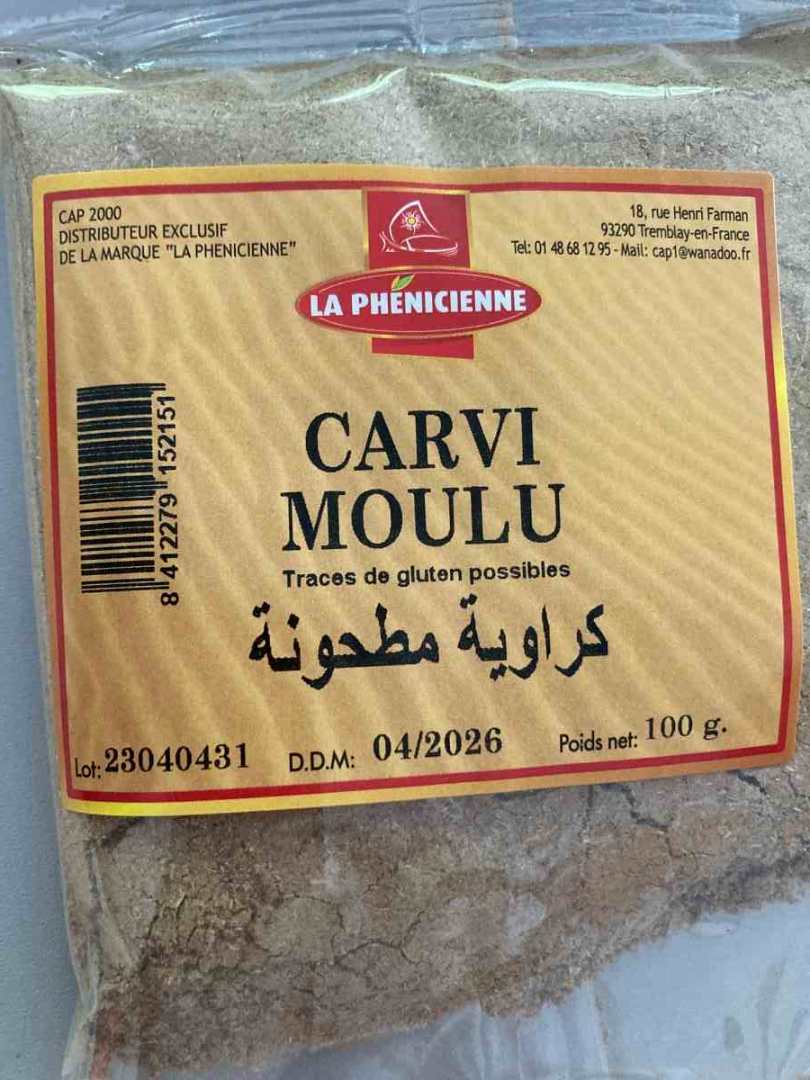
| GTIN | Batch | Date |
|---|---|---|
| 8412279152151 | 23040431 | Date of minimum durability 30/04/2026 |
Posted in Bacillus, Bacillus cereus, food contamination, food handler, Food Hazard, Food Hygiene, Food Inspections, Food Micro Blog, Food Microbiology, Food Microbiology Blog, Food Microbiology Testing, Food Pathogen, Food Poisoning, Food Quality, food recall, Food Safety, Food Safety Alert, Food Safety Management, Food Safety Regulations, Food Testing, Food Toxin

Cashewrella GmbH

Cashewrella GmbH
Cashewrella GmbH & Co. KG Tiefenbrunner Str. 1 37124 Rosdorf
Health hazard from Bacillus cereus
Bacillus cereus
The pathogen Bacillus cereus can produce toxins. In this case, its intake usually leads to sudden nausea and vomiting or diarrhea and abdominal cramps within a few hours. The symptoms usually subside on their own within a day. Babies, small children and the elderly in particular can develop more severe illnesses. Anyone who has eaten this food and develops severe or persistent symptoms should seek medical attention and report possible Bacillus cereus poisoning. It makes no sense to seek preventive medical treatment without symptoms.
Posted in Bacillus, Bacillus cereus, food contamination, food handler, Food Hazard, Food Hygiene, Food Inspections, Food Micro Blog, Food Microbiology, Food Microbiology Blog, Food Microbiology Testing, Food Pathogen, Food Poisoning, Food Quality, food recall, Food Safety, Food Safety Alert, Food Safety Management, Food Safety Regulations, Food Testing, Food Toxin, Lebensmittelwarnung
Foodborne pathogens are a persistent threat to food and consumer safety. To mitigate outbreaks and contamination incited by these pathogens, the development of novel preventative safety controls and biorational inactivation measures are paramount. The objectives of this research were to evaluate the efficacy of pyrrolidine-based amide derivatives of decanoic (DEPY), lauric (LAPY), myristic (MYPY) and palmitic (PAPY) fatty acids for in-vitro inhibition and inactivation of various Gram-positive bacterial strains including Listeria monocytogenes (typically associated with foodborne illness), Bacillus subtilis, and Streptococcus mutans and Streptococcus sobrinus (both normally present in the oral cavity and involved with dental caries). Compared to no treatment (control), significant differences (P < 0.05) in the growth of Listeria strains were seen in-vitro with increased inhibition at higher amide concentrations (10,000–20,000 ppm). Furthermore, in-vitro growth inhibition of B. subtilis, S. sobrinus, and S. mutans was also observed with an effectiveness of LAPY>MYPY>PAPY>DEPY. In co-inoculation assays, LAPY treatment significantly reduced Listeria growth from 1.55 to >5.0 Log CFU/mL when a concentration range of 5 to 250 ppm was applied. Moreover, Listeria populations on pathogen-inoculated produce were significantly (P < 0.05) reduced from 0.51 to >3.00 Log CFU/g with greater inactivation on carrots compared to alfalfa, soybean, and pistachio. These results demonstrated the potential value of these FA amides against Gram-positive pathogenic bacteria. Biorational applications of antibacterial FA amides on fresh produce as a postharvest intervention process offers a great potential for enhancement of food safety.
Posted in Bacillus, Bacillus cereus, food contamination, food handler, Food Hazard, Food Hygiene, Food Inspections, Food Micro Blog, Food Microbiology, Food Microbiology Blog, Food Microbiology Testing, Food Pathogen, Food Poisoning, Food Quality, food recall, Food Safety, Food Safety Alert, Food Safety Management, Food Safety Regulations, Food Testing, Food Toxin, NVWA
The number of outbreaks in France went up in 2021 but was still below 2018 and 2019 levels.
Figures from Santé publique France show there were 1,309 outbreaks affecting 11,056 people in 2021. A total of 512 people went to hospitals and 16 died.
Reported outbreaks rose from 1,010 in 2020 when figures were strongly impacted by the COVID-19 pandemic, according to officials.
For 327 incidents in 2021, a pathogen could be microbiologically confirmed in food or in at least one sick person per outbreak. A pathogen was suspected without microbiological confirmation for 734 outbreaks.
16 deaths in outbreaks
The most frequently microbiologically confirmed pathogen was Salmonella 147 times. It was mostly Salmonella Enteritidis, followed by monophasic Salmonella Typhimurium but the type was not known in 92 incidents. Confirmed Salmonella outbreaks were responsible for 935 patients and 166 hospitalizations.
Campylobacter caused 52 outbreaks with 178 patients and Bacillus cereus had 46 with 665 patients. Nineteen norovirus outbreaks sickened 493 and 11 histamine outbreaks affected 35 people.
Seven outbreaks were due to E. coli, six to Yersinia enterocolitica, four to Shiga toxin-producing E. coli (STEC), and one each because of Listeria monocytogenes, Clostridium botulinum, and Shigella.
The pathogen was identified in patients for 208 outbreaks, of which 143 were confirmed with Salmonella. Identification of the agent took place in food samples for 89 epidemics with 67 confirmed as Bacillus cereus, Staphylococcus aureus and Clostridium perfringens.
The top suspected pathogens based on epidemiological and clinical information, but not microbiologically confirmed, were the toxins Bacillus cereus, Staphylococcus aureus and Clostridium perfringens. For these three pathogens, 3,787 patients and 169 hospital trips were recorded.

Conventional water treatment practices utilizing chemical disinfection, especially chlorination, are considered generally effective in producing microbiologically safe drinking water. However, protozoan pathogens such as oocysts of Cryptosporidium parvum are very resistant to chlorine, which has led to consideration of alternative disinfectants for their control. Free bromine, HOBr, has not been evaluated extensively as an alternative halogen disinfectant for inactivation of Cryptosporidium parvum in drinking water or reclaimed water for non-potable uses. Bromine is a versatile disinfectant consisting of different chemical forms with persistent microbicidal efficacy under varied water quality conditions and is effective against a range of waterborne microbes of health concern. The objectives of this study are to (1) compare the efficacy of free bromine to free chlorine at similar concentrations (as milligrams per liter) for disinfection of Cryptosporidium parvum oocysts, Bacillus atrophaeus spores, and MS2 coliphage in a model buffered water and (2) evaluate the kinetics of inactivation of these microorganisms using appropriate disinfection models. Overall, at a target concentration of ∼5 mg/L, bromine averaged 0.6 log (73.8%) reductions of C. parvum oocyst infectivity after 300 min (CT: 1166 min·mg/L) and produced up to a 0.8 log reduction disinfectant activity. An ∼5.0 mg/L chlorine dose increased oocyst infectivity by only 0.4 log (64%) after 300 min (CT: 895 min·mg/L). Bacillus atrophaeus spores and MS2 coliphage treated with bromine and chlorine were reduced by 4 log10 (99.99%) for both disinfectants over the duration of the experiments.
Posted in Bacillus, Contaminated water, Cryptosporidiosis, Cryptosporidium, Decontamination Microbial, Food Micro Blog, Food Microbiology, Food Microbiology Blog, Food Microbiology Research, Food Microbiology Testing, microbial contamination, Microbial growth, Microbiological Risk Assessment, Microbiology, Microbiology Investigations, Microbiology Risk, Water, water microbiology
Do not use, sell, serve or distribute the affected products.
Uruthira brand Plain Chilli Powder recalled due to Bacillus cereus.
The recalled products have been sold in British Columbia, Ontario and Quebec.
Posted in Bacillus, Bacillus cereus, CFIA, food contamination, food handler, Food Hazard, Food Hygiene, Food Inspections, Food Micro Blog, Food Microbiology, Food Microbiology Blog, Food Microbiology Testing, Food Pathogen, Food Poisoning, Food Quality, food recall, Food Safety, Food Safety Alert, Food Safety Management, Food Safety Regulations, Food Testing, Food Toxin
High amount of Bacillus cereus in sprouts from Germany in Austria
Posted in Bacillus, Bacillus cereus, food contamination, food handler, Food Hazard, Food Hygiene, Food Inspections, Food Micro Blog, Food Microbiology, Food Microbiology Blog, Food Microbiology Testing, Food Pathogen, Food Poisoning, Food Quality, food recall, Food Safety, Food Safety Alert, Food Safety Management, Food Safety Regulations, Food Testing, Food Toxin, RASFF
Do not use, sell, serve or distribute the affected product
Red Chilli Powder – Extra Hot recalled by Sun Global due to Bacillus cereus. The recalled product was sold in Ontario.
Posted in Bacillus, Bacillus cereus, CFIA, food contamination, food handler, Food Hazard, Food Hygiene, Food Inspections, Food Micro Blog, Food Microbiology, Food Microbiology Blog, Food Microbiology Testing, Food Pathogen, Food Poisoning, Food Quality, food recall, Food Safety, Food Safety Management, Food Safety Regulations, Food Testing, Food Toxin

 FoodWorld