Category Archives: Animal Feed Mould Toxin

RASFF Alert – Animal Feed – Mycotoxin – DON – Deoxynivalenol – Corn Grain

RASFF

Exceeding the level of deoxynivalenol (DON) in the product: “corn grain” from France in Poland

RASFF Alerts – Animal Feed – Mold/Moulds – Dried Beet – Feed Material

RASFF

Mold – sheepskin growth on the surface and in the depth of the material, discoloration, change in structure to spongy, disgusting smell of mold and rotting of the feed material from Ukraine in Poland .

RASFF

Mold – sheepskin growth on the surface and in the depth of the material, discoloration, change in structure to spongy, disgusting smell of mold and rotting of the feed material in Poland

RASFF

Dried beet pulp from Ukraine infested with moulds in Poland

Hong Kong – Hong Kong investigating Group B Streptococcus infections linked to fish

Food Safety News

Officials in Hong Kong are investigating an outbreak of invasive Group B Streptococcus cases linked to handling freshwater fish.

The Centre for Health Protection (CHP) of the Department of Health asked the public to not consume raw freshwater fish or aquatic products, and to handle such items with caution to avoid contact with wounds, including small cuts and scratches.

This past week, the Hospital Authority, an agency that manages public hospitals, told the CHP that 88 patients had tested positive for invasive Group B Streptococcus (GBS) in September and October, and provided specimens of 68 patients for genetic sequencing analysis.

This has shown that, amongst the 68 patients, 32 of them belonged to a variety of sequence type 283 (ST283), 27 cases are other serotypes or another strain of ST283, while the results for the remaining nine cases are pending.

RASFF Alerts – Animal Feed – Mould – Fat Feed – Sunflower Feed

RASFF

Mould in fat feed from Ukraine in Poland

RASFF

Mould on post-extraction sunflower feed from Ukraine in Poland

UK – Further update from the Food Standards Agency and Food Standards Scotland following the rise in cases of feline pancytopenia – Mycotoxins

FSA

An update on the investigation into the recalled cat food following a rise in cases of feline pancytopenia and responses to common consumer queries.

The Food Standards Agency has been working closely with Fold Hill Foods over the course of the investigation into the recalled cat food. The company has co-operated fully.

The results of extensive testing identified higher levels of mycotoxins in some samples of the recalled cat food. This includes specific compounds known as T2 and HT2. These products are no longer on sale.

Mycotoxins are found in some types of feed and food and do not, in themselves, indicate they are the cause of feline pancytopenia. No causative link between pancytopenia and the recalled cat food products has been established.

As a result of these findings, Fold Hill Foods is working with its local authority to take steps to resume production.

Next steps in the investigation

A multi-agency approach will continue to try and identify the causes of the pancytopenia. As new information emerges, we will review our approach on managing any identified risks in animal feed and inform industry so that they can take any action required as a result of our findings.

Details of the original product recall notice were published on 17 June.

Frequently asked questions

We understand how upsetting the past two months have been for cat owners and know how important it is that the cause of the recent feline pancytopenia cases is established.

Our tests and analysis to date have not found a causative link to the pancytopenia cases, but our investigation is ongoing and we will provide an update once we have more information.

Was the pancytopenia outbreak not caused by cat food?

To date testing has not been able to definitively determine a cause, we have not ruled out cat food or any other possible causes either.

Is it safe for anyone who still has the recalled cat food to feed it to their cats?

Cat owners should not feed any recalled cat food to their cats and should continue to follow the advice in our recall notice.

What other possible causes are being investigated?

We continue to work with the Animal and Plant Health Agency (APHA) and the Department for the Environment, Food and Rural Affairs (DEFRA) to identify the possible cause of the pancytopenia. At this stage we are not ruling out any possible cause.

Why is the company being allowed to restart production if it is not known for sure that its cat food is safe?

A causative link between the feline pancytopenia and the recalled cat food has not been established

A causative link between the feline pancytopenia and the company’s other cat food products has not been established, either.

Some social media posts have shown the results of mycotoxin tests, suggesting food is unsafe for cats. Why has action not been taken?

We are aware of some social media posts, in which test results have been misinterpreted as showing a danger to cats.

The mere presence of mycotoxins in cat food does not necessarily pose a risk to cats. Mycotoxins are naturally occurring substances produced by certain types of moulds (fungi) which can grow on a variety of different crops and feedstuffs.

If mycotoxins are widely found in animal feed, should people be concerned about other brands of cat food?

No. There is no evidence linking any other products to feline pancytopenia.

RASFF Alerts – Animal Feed – Aflatoxin – Peanut Kernels

RASFF

Aflatoxin B1 in peanut kernels from Argentina in Germany

Research – Mycotoxins in aquaculture: A mitigation approach in turbot

All About Feed

Aquaculture is the fastest-growing food production industry in the world. Due to concerns about sustainability, the need to replace fish meal with plant-based protein alternatives becomes more urgent. However, plant-based ingredients are often contaminated with mycotoxins, increasing the health risks to fish.

Plant-based ingredients in commercial fish diets include maize, soybean meal and various cereal grains, each representing a potential source of mycotoxins.

Mycotoxins in fish feed a widespread problem

Mycotoxin-contaminated fish feed is a widespread problem, especially in tropical regions and developing countries where the farmers themselves often make fish feeds under inappropriate conditions with improper milling and/or storage. In addition to their impact on fish health, some mycotoxins can also accumulate in fish tissue, thereby posing a possible food safety risk.

About mycotoxins in aquaculture

According to a recent risk assessment study on mycotoxin contamination in fish feeds in Europe, deoxynivalenol (DON) is one of the primary mycotoxins present. DON is produced by over 50 species of Fusarium fungi, which mainly infect crops such as wheat and maize before harvest. Fusarium fungi produce a range of mycotoxins, such as fumonisins, the trichothecenes — most strongly associated with chronic and fatal toxic effects in animals and humans — and zearalenone, which is known to affect the fertility of many animal species, including aquatic species such as fish and shrimp.

The impact of mycotoxins depends on several factors including:

  • The type and quantity of mycotoxins in the feed,
  • Feeding level,
  • Duration of exposure
  • The species of fish

Most common issues include:

  • Reduced growth performance,
  • Immune suppression
  • Increased mortality

These are often associated with other on-farm concerns, so the mycotoxin risk is currently underestimated.


USA- Sunshine Mills, Inc. Issues Voluntary Recall of Certain Products Due to Potentially Elevated Levels of Aflatoxin

FDA

Company Announcement

Sunshine Mills, Inc. is issuing a voluntary recall of certain products due to potentially elevated levels of Aflatoxin above the acceptable limit. Aflatoxin is a naturally occurring by-product from the growth of Aspergillus flavus and can be harmful to pets if consumed in significant quantities. No illnesses have been reported in association with these products to date, and no other Sunshine Mills, Inc. pet food products are affected by this announcement.

Products affected by this announcement:

Product Name Size Lot Codes UPC Code
TRIUMPH® WILD SPIRIT CRAFT
DOG FOOD DEBONED CHICKEN &
BROWN RICE RECIPE
3.5 lbs. Best if used By 11 Feb 2022
Lot: TD2 11/Feb/2021
073657 008736
TRIUMPH® WILD SPIRIT CRAFT
DOG FOOD DEBONED CHICKEN &
BROWN RICE RECIPE
30 lbs. Best if used By 11 Feb 2022
Lot: TA2 11/Feb/2021
073657 008750
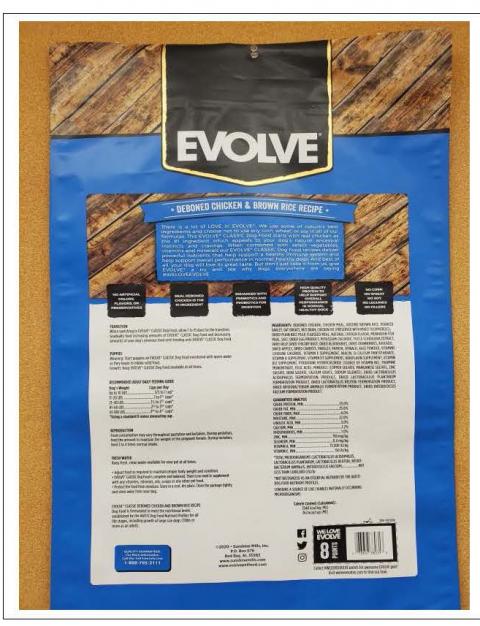
EVOLVE® CLASSIC SUPER
PREMIUM FOOD FOR DOGS
DEBONED CHICKEN & BROWN
RICE RECIPE
15 lbs. Best if used By 11 Feb 2022
Lot: TA1 11/Feb/2021
073657 380320
Best if used By 11 Feb 2022
Lot: TA2 11/Feb/2021
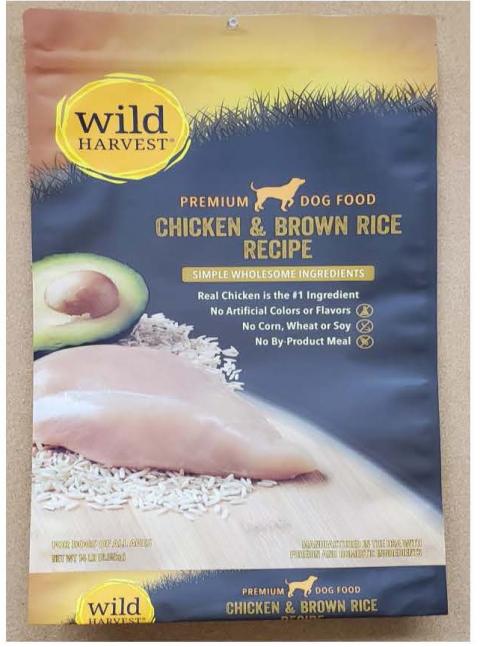
WILD HARVEST® PREMIUM DOG
FOOD CHICKEN & BROWN RICE
RECIPE
14 lbs. Best if used By 11 Feb 2022
Lot: TA2 11/Feb/2021
711535 509523
NURTURE FARMS® NATURAL
DOG FOOD DEBONED CHICKEN &
BROWN RICE RECIPE
15 lbs. Best if used By 11 Feb 2022
Lot: TA2 11/Feb/2021
070155 113597
EVOLVE® CLASSIC SUPER
PREMIUM FOOD FOR DOGS
DEBONED CHICKEN & BROWN
RICE RECIPE
30 lbs. Best if used By 11 Feb 2022
Lot: TA2 11/Feb/2021
073657 380313
HEART TO TAIL PURE BEING®
NATURAL DOG FOOD DEBONED
CHICKEN & BROWN RICE RECIPE
5 lbs. Best if used By 11 Feb 2022
Lot: TD2 11/Feb/2021
4099100129441
ELM PET FOODS NATURALS
CHICKEN & RICE RECIPE DOG
FOOD
40 lbs. Best if used By 11 Feb 2022
Lot: TA1 11/Feb/2021
070155 225221

The affected products were distributed in retail stores nationally. Retailers who received the recalled lots have been contacted and asked to pull these lots from their inventory and shelves. There are no other Triumph®, Evolve®, Wild Harvest®, Nurture Farms®, Pure Being®, or Elm products or other lot codes of these products affected by this recall.

While no adverse health effects related to these products have been reported, Sunshine Mills, Inc. has chosen to issue a voluntary recall of the above-referenced products as a precautionary measure in furtherance of its commitment to the safety and quality of its products. Pets that have consumed any of the above recalled products and exhibit symptoms of illness including sluggishness or lethargy combined with a reluctance to eat, vomiting, yellowish tint to the eyes or gums, or diarrhea should be seen by a veterinarian.

Consumers who have purchased the recalled products should discontinue use of the product and may return the unused portion to the place of purchase for a full refund. Consumers may contact Sunshine Mills, Inc. customer service at (800) 705-2111 from 7AM to 4PM Central Time, Monday through Friday, or by email at customer.service@sunshinemills.com for additional information.

This is a voluntary recall being conducted in cooperation with the U.S. Food and Drug Administration.


Company Contact Information

Consumers:
Sunshine Mills, Inc. customer service
 (800) 705-2111
 customer.service@sunshinemills.com

Product Photos

RASFF Alert – Animal Feed – Peanut Kernels

RASFF

Aflatoxins in peanut kernels from Argentina in Germany

RASFF Alert – Animal Feed – Mould – Sunflower Meal

RASFF

Mould in sunflower meal from Ukraine in Poland