Category Archives: Allergic Reaction

Finland – Food recalls in Finland up for fourth consecutive year

Food Safety News

Food recalls increased almost 20 percent in Finland this past year, according to data compiled by the Finnish Food Authority (Ruokavirasto).

The most common reason for the 200 withdrawals in 2019 was related to allergens. Allergen errors accounted for the largest proportion of recalls for the second year running, at 27 percent.

Microbiological issues such as Salmonella, Listeria, and molds caused the second most recalls with 20 percent of incidents.

Just under half of the recalled food and food contact materials came from another EU country. Finnish products accounted for about 28 percent, as did items from non-EU countries.

Recall rise does not mean more products unsafe
Recalls went up by 32 this past year compared to 2018. It is the fourth year in a row that alerts in the country have increased. There were 111 recalls in 2015, 131 in 2016, 158 in 2017, 168 in 2018 and 200 in 2019.
Australia- FSANZ report says Australian recalls jumped in 2018

Food Safety News

The number of food recalls hit the three figure mark in 2018, according to Food Standards Australia New Zealand (FSANZ).

There were 100 recalls last year, up from 69 in 2017, with 46 percent due to undeclared allergens and 20 percent because of microbial contamination. There were 33 undeclared allergen recalls in 2016, 34 in 2017 and 46 in 2018.

Mark Booth, FSANZ chief executive officer, said results demonstrate food businesses in Australia need to know the mandatory allergen labeling requirements in the Food Standards Code.

Australia/Bali – Two Die from Scomboid Poisoning and Secondary Illness

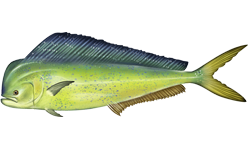
The Australian File:Coryphaena hippurus.png

NOELENE Bischoff and her teenage daughter Yvana died after eating toxic fish while on holidays in Bali, preliminary autopsy results reveal.

But the Sunshine Coast pair may have survived the rare poisoning, called Scombroid Syndrome Toxicity, had they not both been asthma sufferers which accelerated and intensified their reaction.

A spokesman for the Queensland Coroner Terry Ryan told The Australian the Bischoff family met with forensic pathologists in Brisbane yesterday and had been told the possible causes of death. However, autopsy testing has not been finalised.

Bischoff, 54, and her 14-year-old daughter died violently and mysteriously in Bali last month, hours after enjoying a final meal at the Padang Bai Beach resort restaurant.

They had eaten grilled mahi mahi fish, vegetarian pizza and chicken curry, before succumbing to vomiting and breathlessness.

RASFF Alerts – Aflatoxin – Groundnuts -Ocratoxin – Dried Figs

RASFF -aflatoxins (Tot. = 8.6 µg/kg – ppb) in groundnuts from Egypt in Netherlands

RASFF-aflatoxins (B1 = 19; Tot. = 22 µg/kg – ppb) in groundnuts from Egypt in the Netherlands

RASFF-aflatoxins (B1 = 30; Tot. = 33 µg/kg – ppb) in pistachio nuts from Turkey in the Netherlands

RASFF-ochratoxin A (30 µg/kg – ppb) in dried figs from Turkey in the Netherlands

RASFF Alerts – Aflatoxin – Ground Nutmeg – Groundnuts -Ochratoxin – Dried Figs

RASFF -aflatoxins (B1 = 57; Tot. = 60 µg/kg – ppb) in ground nutmeg from Poland in the UK

RASFF – ochratoxin A (18.5 µg/kg – ppb) in dried figs from Turkey in Germany

RASFF -ochratoxin A (11.7 µg/kg – ppb) in dried organic figs from Turkey in Germany

RASFF -aflatoxins (B1 = 72.6 / B1 = 105 µg/kg – ppb) in whole groundnuts from Nicaragua in the UK

RASFF Alerts – E.coli – Histamine – Clams – Canned Anchovy

RASFF -histamine (>2500 mg/kg – ppm) in canned anchovy fillets from Italy in France

RASFF -too high count of Escherichia coli (230; 330; 1300 MPN/100g) in live clams (Venus verrucosa) from Greece in Italy

RASFF Alerts – Histamine – PSP – Listeria monocytogenes

RASFF – Histamine (530 mg/kg – ppm) in sardines from Tunisia in Italy

RASFF – Suspicion of Paralytic Shellfish Poisoning (PSP) toxins (2152 µg/kg – ppb) in surf clams from the United Kingdom

RASFF – Listeria monocytogenes (< 100 CFU/g) in chilled raw milk brie from France in the Netherlands

FDA – Reportable Food Registry Annual Report Third Annual Report: September 8, 2011 – September 7, 2012

FDA

This is the third annual report that measures our success in receiving early warning on problems with food and feed. The Reportable Food Registry (RFR) has already proven itself an invaluable tool to help prevent contaminated food from reaching the public.

By providing early warning about potential public-health risks from reportable foods, the Registry increases the speed with which the FDA, its state- and local-level partners, and industry can remove hazards from the marketplace.

The RFR data also is providing valuable data to help meet requirements under the Food Safety Modernization Act. For example, we can use the data to identify hazards associated with products for which we have not previously made such an association and thus identify foods for which preventive controls may be needed. The data are also being used to help target inspections, plan work, identify and prioritize risks and develop guidance for industry. The FDA will continue working closely with the food and feed industries to enhance this important and beneficial tool.
Michael R. Taylor Deputy Commissioner for Foods and Veterinary Medicine

FDA

RASFF Alerts – Histamine – Canned Tuna – Listeria monocytogenes – Raw Milk Cheese – Staph Toxin in Tuna

RASFF -Histamine (1524 mg/kg – ppm) in cannned tuna in olive oil from Spain in Italy

RASFF -Listeria monocytogenes (100 CFU/g) in chilled raw milk cheese from France

RASFF – Staphylococcal enterotoxin (presence /25g) in chilled tuna from Suriname, via the Netherlands in Sweden

RASFF Alerts – Campylobacter in Dill – Listeria monocytogenes in Sushi and Mackarel – Histamine in Achovies – E.coli in Clams

RASFF – Campylobacter (presence /25g) in fresh dill from Italy in Norway

RASFF – Listeria monocytogenes (<100 /g) in chilled sushi from Germany in the Netherlands

RASFF– Listeria monocytogenes (presence /25g) in chilled vacuum-packed smoked mackerel from Poland

RASFF -Histamine (290; 4200 mg/kg – ppm) in anchovies in olive oil from Spain in Switzerland

RASFF – Too high count of Escherichia coli (1.300 MPN/100g) in chilled clams from Portugal in Spain

RASFF – Too high count of Escherichia coli (13000 MPN/100g) in chilled clams (Venus gallina) from Italy

RASFF – Too high count of Escherichia coli (330 MPN/100g) in chilled clams (Venus gallina) from Italy