Author Archives: KSW

France – Butter – Listeria monocytogenes

Gov France

Product category
Food
Product subcategory
Milk and dairy products
Product brand name
The white pot farm
Model names or references
Butter with dlc from 05/25
Product identification
GTIN Batch Date
10052024 10/05 Use-by date 05/25/2024
Packaging
200g wafer
Start/end date of marketing
From 05/11/2024 to 05/12/2024
Storage temperature
Product to keep in the refrigerator
Geographical sales area
Regions: Normandy
Distributors
Lisieux, Évreux, Caen

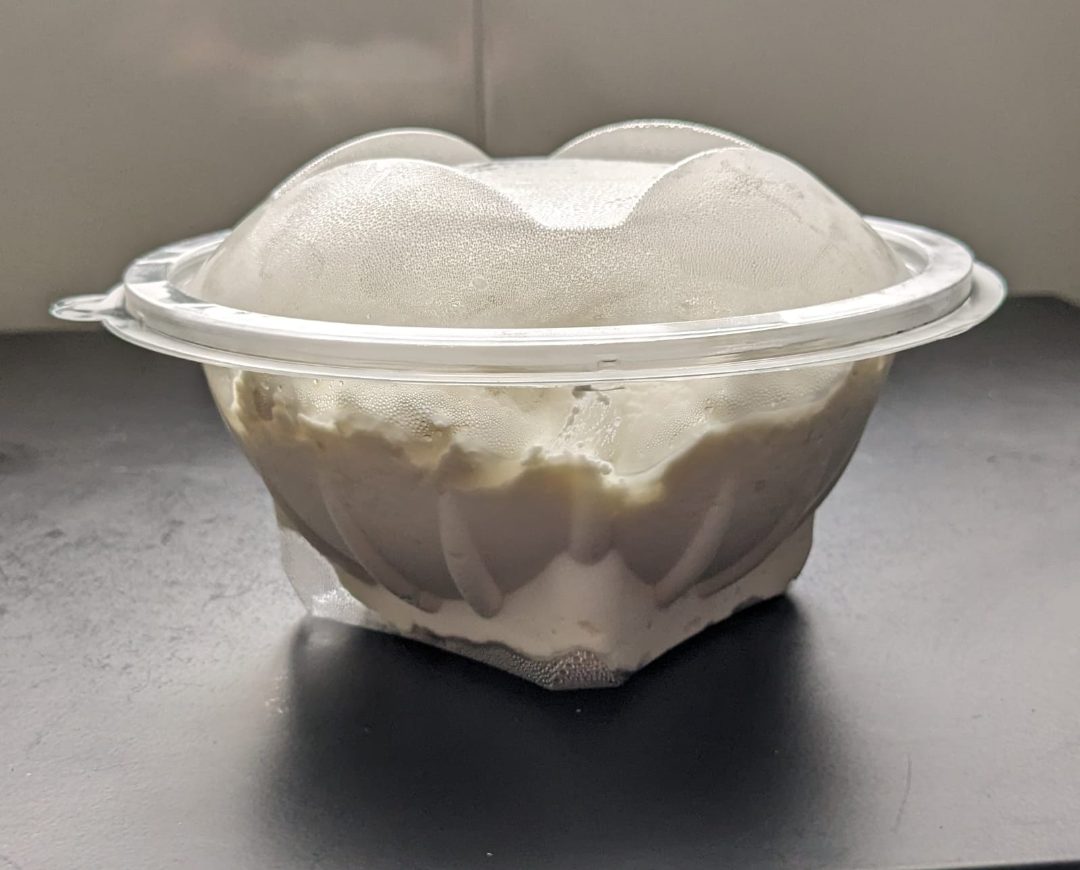
France White cheese, Ash pyramids, Spreadable – Salmonella

Gov France

Product category
Food
Product subcategory
Milk and dairy products
Product brand name
Without
Model names or references
White cheese, Ash pyramids, Spreadable
Product identification
Batch Date
222 Use-by date 05/28/2024
223 Use-by date 05/29/2024
224 Use-by date 05/30/2024
225 Use-by date 05/31/2024
Packaging
Plastic tray for white cheeses and spreads
Start/end date of marketing
From 05/23/2024 to 05/30/2024
Storage temperature
Product to keep in the refrigerator
Further information
Raw milk goat cheese
Geographical sales area
Departments: INDRE (36)
Distributors
Farm shop Déols Market

Research – Use of dishwashers fails to inactivate foodborne pathogens in home-canned model foods

Science Direct

Unlabelled Image

Abstract

Risky home canning techniques are still performed for food preservation due to limited science-based recommendations. This study aimed to evaluate the inactivation of Shiga toxin-producing Escherichia coli O157:H7, Salmonella enterica (ser. Typhimurium, Enteritidis, and Infantis) and Listeria monocytogenes during home canning with a household dishwasher. The 450 mL of blended tomato (acidic liquid food) and potato puree (non-acidic solid food) were prepared with 1.5 % salt and 25 mL vinegar as model foods in glass jars (660 mL). The two model foods were sterilized, then inoculated with separate cocktails of each pathogen at 106–107 CFU/g. The prepared jars were placed in the bottom rack of a dishwasher and subjected to the following cycles: economic (50 °C, 122 min), express (60 °C, 54 min), and intensive (70 °C, 96 min). Temperature changes in jars were monitored by using thermocouples during heat treatment. Within the center of the jars, temperatures were measured as 45 to 53 °C in blended tomato and 44 to 52 °C in potato puree during all tested dishwasher cycles, respectively. The economic cycle treatment reduced S. entericaE. coli O157:H7, and L. monocytogenes populations by 3.1, 4.6, and 4.2 log CFU/g in blended tomato (P ≤ 0.05), where a <1.0 log reduction was observed in potato puree (P > 0.05). All pathogens showed similar heat resistance during the express cycle treatment with a log reduction ranging from 4.2 to 5.0 log CFU/g in blended tomato and 0.6 to 0.7 log CFU/g in potato puree. Reduction in L. monocytogenes population was limited (0.6 log CFU/g) compared to E. coli O157:H7 (2.0 log CFU/g) and S. enterica (2.7 log CFU/g) in blended tomato during the intensive cycle treatment (P ≤ 0.05). Dishwasher cycles at manufacturer defined settings failed to adequately inactivate foodborne pathogens in model foods. This study indicates that home-canned vegetables may cause foodborne illnesses when dishwashers in home kitchens are used for heat processing.

Research – Development of Predictive Modelling for Removal of Multispecies Biofilms of Salmonella Enteritidis, Escherichia coli, and Campylobacter jejuni from Poultry Slaughterhouse Surfaces

MDPI

Abstract

Salmonella Enteritidis, Escherichia coli, and Campylobacter jejuni are among the most common foodborne pathogens worldwide, and poultry products are strongly associated with foodborne pathogen outbreaks. These pathogens are capable of producing biofilms on several surfaces used in the food processing industry, including polyethylene and stainless steel. However, studies on multi-species biofilms are rare. Therefore, this study aimed to develop predictive mathematical models to simulate the adhesion and removal of multispecies biofilms. All combinations of microorganisms resulted in biofilm formation with differences in bacterial counts. E. coli showed the greatest ability to adhere to both surfaces, followed by S. Enteritidis and C. jejuni. The incubation time and temperature did not influence adhesion. Biofilm removal was effective with citric acid and benzalkonium chloride but not with rhamnolipid. Among the generated models, 46 presented a significant coefficient of determination (R2), with the highest R2 being 0.88. These results provide support for the poultry industry in creating biofilm control and eradication programs to avoid the risk of contamination of poultry meat.

Research – Mistaken identity cleared up of foodborne pathogen causing severe symptoms in children

Science Daily

Researchers have developed a quantitative real-time PCR-based detection method for the emerging zoonotic organism Escherichia albertii. They found that E. albertii survives in the human intestinal tract for about four weeks at least.

Australia – White Lies Brewing Company – Crazy Haze Sessions, 500mL – Secondary Fermentation

FSANZ

Crazy Haze Sessions.jpg

Product information

White Lies Brewing Company Pty Ltd is conducting a recall of the above product. The product has been available for sale at First Choice Liquor and Sumner and Seventeen Mile Rocks taprooms in QLD.

Date markings

Best Before: 01022025

Problem

The recall is due to secondary fermentation.

Food safety hazard

Food products containing excess alcohol and carbonation may cause illness/injury if consumed.

What to do​

Consumers should not drink or open this product, and should dispose of it safely. Please contact White Lies Brewing Company for safe disposal instructions and reimbursement. Any consumers concerned about their health should seek medical advice

For further information please contact:

White Lies Brewing Company Pty Ltd
whiteliesbrewing@gmail.com
https://www.whiteliesbrewing.com.au

Related links:

White Lies Brewing – Crazy Haze Sessions Recall Notice [49kb].pdf

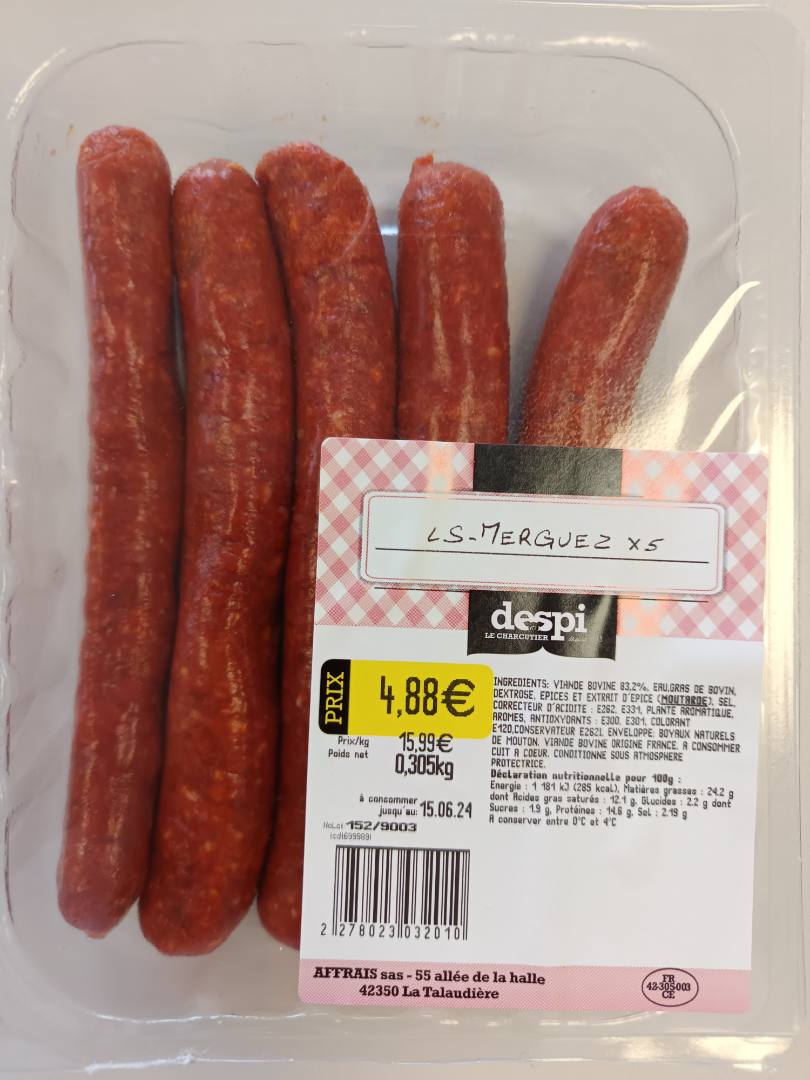
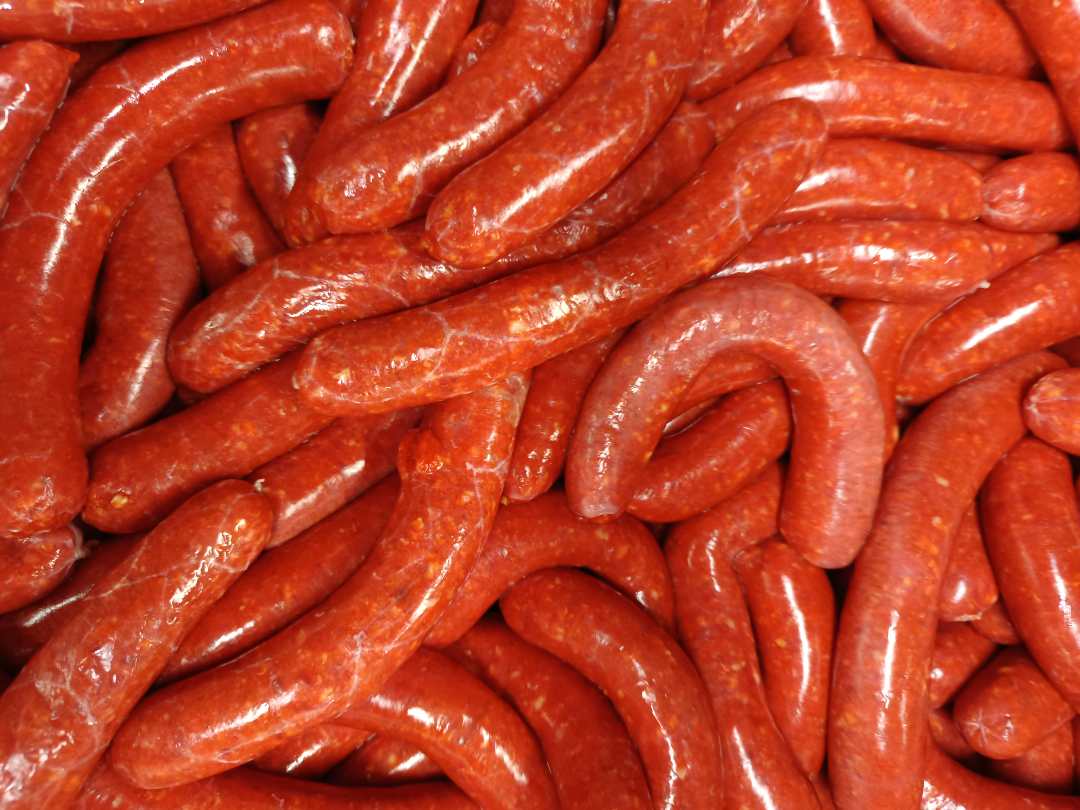
France – MERGUEZ Multiple Batches – Salmonella

Gov France

Gov France

Gov France

Gov France

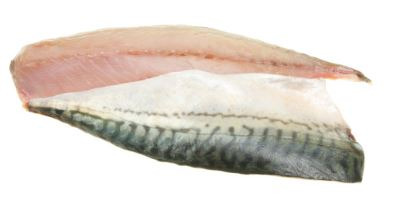
France – MAQUEREL 150/300 3kg *PF* – Histamine

Gov France

Product category
Food
Product subcategory
Fishing and aquaculture products
Product brand name
unbranded
Model names or references
MAQUEREL 150/300 3kg *PF*
Product identification
Batch
09130500333
Start/end date of marketing
From 05/14/2024 to 05/16/2024
Storage temperature
Product to keep in the refrigerator
Geographical sales area
Whole France
Distributors
CARREFOUR CARREFOUR MARKET ENTEGRA INTERMARCHE LECLERC SCALANDES SUPER U

USA – FDA – Investigations of Foodborne Illness Outbreaks

FDA

What’s New

  • An outbreak of Listeria monocytogenes (ref # 1232) linked to a not yet identified product has been added to the table. FDA has initiated traceback.
  • For the outbreak of Salmonella Africana illnesses (ref # 1227) linked to a not yet identified product, the case count has increased from 100 to 141. FDA’s investigation is ongoing.

France – MERGEZ HALAL COUSCOUS – Salmonella

Gov France

Product category
Food
Product subcategory
Meats
Product brand name
Unbranded
Model names or references
763930
Product identification
GTIN Batch Date
3267411546009 970/241430049 Use-by date 06/09/2024
Packaging
Plastic tray under modified atmosphere
Start/end date of marketing
From 05/22/2024 to 05/29/2024
Storage temperature
Product to keep in the refrigerator
Health mark
FR 35.353.003 CE
Geographical sales area
Whole France
Distributors
METRO FRANCE