Monthly Archives: September 2023

France – Milk/Dairy Product – He gets involved – Listeria monocytogenes

Gov france

  • Product category Food
  • Product subcategory Milk and dairy products
  • Product brand name La ferme de Miri’bêle
  • Model names or referencesBelfond
  • Product identification
    Lot Date
    1506 Minimum durability date 10/15/2023
  • Packaging Bulk (whole or cut)
  • Start/end date of marketing From 07/24/2023 to 08/22/2023
  • Storage temperature Product to keep in the refrigerator
  • Health mark Exemption from approval
  • Further information Uncooked pressed cheese made from raw sheep’s milk
  • Geographical sales area Departments: ISERE (38), SAVOIE (73)
  • Distributors La SICA du Granier (store 73 + markets 38)

Research – Essential Oils and Their Combination with Lactic Acid Bacteria and Bacteriocins to Improve the Safety and Shelf Life of Foods: A Review

MDPI

Abstract

The use of plant extracts (e.g., essential oils and their active compounds) represents an interesting alternative to chemical additives and preservatives applied to delay the alteration and oxidation of foods during their storage. Essential oils (EO) are nowadays considered valuable sources of food preservatives as they provide a healthier alternative to synthetic chemicals while serving the same purpose without affecting food quality parameters. The natural antimicrobial molecules found in medicinal plants represent a possible solution against drug-resistant bacteria, which represent a global health problem, especially for foodborne infections. Several solutions related to their application on food have been described, such as incorporation in active packaging or edible film and direct encapsulation. However, the use of bioactive concentrations of plant derivatives may negatively impact the sensorial characteristics of the final product, and to solve this problem, their application has been proposed in combination with other hurdles, including biocontrol agents. Biocontrol agents are microbial cultures capable of producing natural antimicrobials, including bacteriocins, organic acids, volatile organic compounds, and hydrolytic enzymes. The major effect of bacteriocins or bacteriocin-producing LAB (lactic acid bacteria) on food is obtained when their use is combined with other preservation methods. The combined use of EOs and biocontrol agents in fruit and vegetables, meat, and dairy products is becoming more and more important due to growing concerns about potentially dangerous and toxic synthetic additives. The combination of these two hurdles can improve the safety and shelf life (inactivation of spoilage or pathogenic microorganisms) of the final products while maintaining or stabilizing their sensory and nutritional quality. This review critically describes and collects the most updated works regarding the application of EOs in different food sectors and their combination with biocontrol agents and bacteriocins.

Research – Evaluation of Hygiene Practice for Reducing Campylobacter Contamination on Cutting Boards and Risks Associated with Chicken Handling in Kitchen Environment

MDPI

Abstract

Campylobacter kswfoodworld

Cutting boards can serve as potential carriers for the cross-contamination of pathogens from chicken to other surfaces. This study aimed to assess chefs’ handling practices of cutting boards across five provinces in China and identify the key factors contributing to unsafe cutting board usage, including cleaning methods and handling practices. Handling practices associated with cutting boards were examined through a web-based survey (N = 154), while kitchen environment tests were conducted to investigate the splashing or survival of Campylobacter, inoculated in chicken or on cutting boards, to mimic the practices of chefs. Among chefs in the five provinces of China, wood and plastic cutting boards were the most commonly used for preparing chicken meat. Approximately 33.7% of chefs washed boards with running tap water, 31.17% of chefs washed boards with detergent, and 24.03% of chefs cleaned boards by scraping them with a knife after preparing other meats or chicken. The study tested 23 cutting boards from commercial kitchens for Campylobacter presence before and after chicken preparation and cleaning. Among these, 17 were cleaned with a knife, 5 with running tap water, and only 1 with disinfectant. Results showed that cleaning with a knife significantly reduced Campylobacter presence on cutting boards (p < 0.05), while the three main cleaning methods were inadequate in eliminating contamination to a safe level. In kitchen environment tests, contaminated chicken was chopped on cutting boards, with a maximum distance of 60 cm for low contamination, and 120 cm for medium and high contamination levels. This suggested a contamination risk exposure area ranging from 60 cm to 120 cm. Campylobacter survival on surfaces of wood, plastic, and stainless steel was also tested, with plastic surfaces showing the longest survival time (4.5 h at 15 °C and 3.5 h at 25 °C) In comparison, survival time on stainless steel or wood surfaces was only 3 h, implying a cross-contamination risk exposure period of 3 to 4.5 h after chicken preparation. In conclusion, based on the current study data, the practices employed by chefs play an important role in Campylobacter transfer in the kitchen environment. The presence of Campylobacter on cutting boards even after wiping or droplet splashing highlights its potential as a source of cross-contamination in the kitchen environment. So, chefs in China should reinforce their hygiene culture and adopt effective cutting board cleaning practices to prevent pathogen contamination.

Research – Utilization of Algae Extracts as Natural Antibacterial and Antioxidants for Controlling Foodborne Bacteria in Meat Products

MDPI

Abstract

Padina pavonicaHormophysa cuneiformis, and Corallina officinalis are three types of algae that are assumed to be used as antibacterial agents. Our study’s goal was to look into algal extracts’ potential to be used as food preservative agents and to evaluate their ability to inhibit pathogenic bacteria in several meat products (pastirma, beef burger, luncheon, minced meat, and kofta) from the local markets in Alexandria, Egypt. By testing their antibacterial activity, results demonstrated that Padina pavonica showed the highest antibacterial activity towards Bacillus cereusStaphylococcus aureusEscherichia coliStreptococcus pyogenesSalmonella spp., and Klebsiella pneumoniaePadina pavonica extract also possesses most phenolic and flavonoid content overall. It has 24 mg gallic acid equivalent/g and 7.04 mg catechol equivalent/g, respectively. Moreover, the algae extracts were tested for their antioxidant activity, and the findings were measured using ascorbic acid as a benchmark. The IC50 of ascorbic acid was found to be 25.09 μg/mL, while Padina pavonica exhibited an IC50 value of 267.49 μg/mL, Corallina officinalis 305.01 μg/mL, and Hormophysa cuneiformis 325.23 μg/mL. In this study, Padina pavonica extract was utilized in three different concentrations (Treatment 1 g/100 g, Treatment 2 g/100 g, and Treatment 3 g/100 g) on beef burger as a model. The results showed that as the concentration of the extract increased, the bacterial inhibition increased over time. Bacillus cereus was found to be the most susceptible to the extract, while Streptococcus pyogenes was the least. In addition, Padina pavonica was confirmed to be a safe compound through cytotoxicity testing. After conducting a sensory evaluation test, it was confirmed that Padina pavonica in meat products proved to be a satisfactory product.

Research – Reoccurring Escherichia coli O157:H7 Strain Linked to Leafy Greens–Associated Outbreaks, 2016–2019

CDC

Abstract

Genomic characterization of an Escherichia coli O157:H7 strain linked to leafy greens–associated outbreaks dates its emergence to late 2015. One clade has notable accessory genomic content and a previously described mutation putatively associated with increased arsenic tolerance. This strain is a reoccurring, emerging, or persistent strain causing illness over an extended period.

Research – FDA Signs Partnership with Ecuador to Enhance Safety of Shrimp Imports

FDA

Constituent Update

August 25, 2023

Yesterday, the U.S. Food and Drug Administration (FDA) signed a Regulatory Partnership Arrangement (RPA) with Ecuador’s seafood regulatory authority to strengthen food safety in shrimp intended for the U.S. market. Shrimp is the most consumed seafood in the United States, the vast majority of which is imported. Ecuador is one of the leading exporters of aquacultured shrimp to the United States.

The first of its kind, this regulatory partnership serves as an arrangement between the FDA and the Vice Ministry of Aquaculture and Fisheries (VMAF) to work more closely to reinforce food safety practices along the entire supply chain. Such arrangements aim to leverage commodity-specific oversight systems — in this case, involving imported aquacultured shrimp — along with data and information, to strengthen food safety before and at the port of entry.

In preparing for the RPA with Ecuador, in August 2022, the FDA and VMAF signed a confidentiality commitment (CC) that allows for the exchange of confidential information, including inspection records, sample findings, and other non-public documents.

In addition, the FDA did a rigorous assessment of the strength of Ecuador’s aquacultured seafood safety system and examined important parts of VMAF’s programs and capabilities.

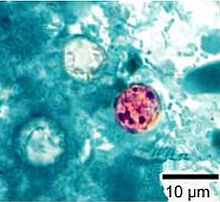
Research – Cyclospora cayetanensis: A Perspective (2020–2023) with Emphasis on Epidemiology and Detection Methods

MDPI

Abstract

Cyclospora cayetanensis infections are prevalent worldwide, and the parasite has become a major public health and food safety concern. Although important efforts have been dedicated to advance toward preventing and reducing incidences of cyclosporiasis, there are still several knowledge gaps that hamper the implementation of effective measures to prevent the contamination of produce and water with Cyclospora oocysts. Some of these data gaps can be attributed to the fact that access to oocysts is a limiting factor in C. cayetanensis research. There are no animal models or in vivo or in vitro culture systems to propagate the oocysts needed to facilitate C. cayetanensis research. Thus, researchers must rely upon limited supplies of oocysts obtained from naturally infected human patients considerably restricting what can be learnt about this parasite. Despite the limited supply of C. cayetanensis oocysts, several important advances have happened in the past 3 years. Great progress has been made in the Cyclospora field in the areas of molecular characterization of strains and species, generation of genomes, and development of novel detection methods. This comprehensive perspective summarizes research published from 2020 to 2023 and evaluates what we have learnt and identifies those aspects in which further research is needed.

USA – Mid America Pet Food Issues Voluntary Recall Due to Possible Salmonella Health Risk

FDA

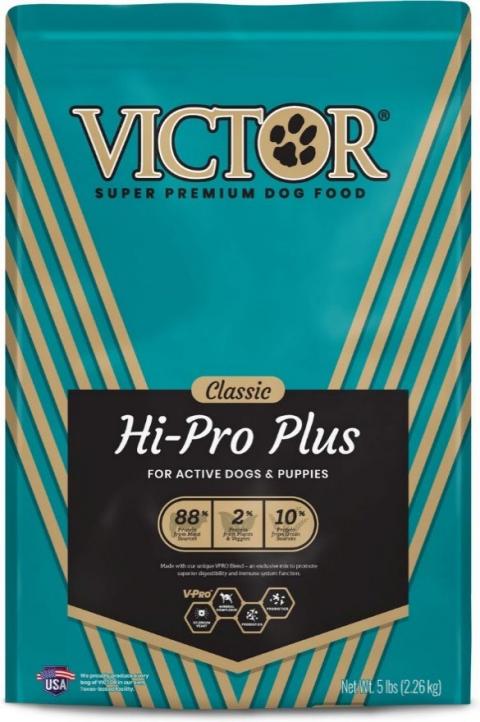
Victor Super Premium Dog Food, Hi-Pro Plus, Net Wt. 5 lbs, front label

Company Announcement

Mid America Pet Food, Mount Pleasant, Texas, is voluntarily recalling one lot of Victor Super Premium Dog Food, Hi-Pro Plus produced at its Mount Pleasant, Texas production facility because it has the potential to be contaminated with SalmonellaSalmonella can affect animals eating the products and there is risk to humans from handling contaminated pet products, especially if they have not thoroughly washed their hands after having contact with the products or any surfaces exposed to these products.

Healthy people infected with Salmonella should monitor themselves for some or all of the following symptoms: nausea, vomiting, diarrhea or bloody diarrhea, abdominal cramping and fever. Rarely, Salmonella can result in more serious ailments, including arterial infections, endocarditis, arthritis, muscle pain, eye irritation, and urinary tract symptoms. Consumers exhibiting these signs after having contact with this product should contact their healthcare providers.

Pets with Salmonella infections may be lethargic and have diarrhea or bloody diarrhea, fever, and vomiting. Some pets will have only decreased appetite, fever and abdominal pain. Infected but otherwise healthy pets can be carriers and infect other animals or humans. If your pet has consumed the recalled product and has these symptoms, please contact your veterinarian.

The affected product was only sold in 5-pound bags. No human or pet illnesses have been reported to date.

Products were distributed to various distributors and retailers in the United States. The affected product consists of 644 cases sold in 5-pound bags with lot code 1000016385 with Best By Date 4/30/2024. Lot code information is found on the back of the bag. Images of product are below.

No other products are included in this recall.

This voluntary recall is being issued due to a single sample of Victor Super Premium Dog Food that tested positive for Salmonella in a random sample test conducted by the South Carolina Department of Agriculture.

Retailers and distributors should immediately pull the recalled lot from their inventory and shelves. Do not sell or donate the recalled products.

Do not feed the recalled product to pets or any other animals. Destroy the food in a way that children, pets and wildlife cannot access. Wash and sanitize pet food bowls, cups and storage containers. Always ensure you wash and sanitize your hands after handling recalled food or any utensils that come in contact with recalled food.

Contact Mid America Pet Food Consumer Affairs at info@mapf.com or 1-888-428-7544 from 8 AM to 5 PM Central Time, Monday through Friday for additional information.
This is a voluntary recall being conducted in cooperation with the U.S. Food and Drug Administration.


Company Contact Information

Consumers:
Mid America Pet Food Consumer Affairs
 1-888-428-7544
 info@mapf.com
Media:
Tim Schramm
 908-370-4771

Canada – E. coli Outbreak linked to Calgary area Day Cares – At least 50 children sickened

Food Poison Journal

An E. coli outbreak has been declared at six Calgary Fueling Brains daycares and five additional sites sharing a centralized kitchen by the Alberta Health Services (AHS). The Fueling Brains daycare branches located in Braeside, Bridgeland, Centennial, McKnight, New Brighton, and West 85th have received closure orders. Similarly, Braineer Academy, Kidz Space, Little Oak Early Education, Almond Branch School and Vik Academy in Okotoks have been ordered closed as well

According to press reports, Alberta Health Services (AHS) confirmed that multiple children arrived at the Alberta Children’s Hospital with bloody diarrhea over the Labor Day long weekend, and that they are dealing with an E. coli outbreak. The outbreak is believed to have originated at a central kitchen that is shared by six locations of Fueling Brains, a day care that operates multiple locations in Calgary, as well as five additional institutions, AHS said in its statement.

Norway – Smoked salmon from Troll Salmon is withdrawn due to the discovery of Listeria

Matportalen

The lot of approx. 200 kg have been sold to Oda.no and Norgesgruppen respectively. Troll Salmon reports that the lot sold to Oda.no should not have gone out to the consumer.

Troll Salmon asks consumers who have purchased the affected products to return them to the store for a refund, or throw the product away.

Listeria can cause serious illness in pregnant women and people with compromised immune systems.

Listeria can grow at low temperatures and in foods with a long shelf life, it can grow to high numbers. The bacterium survives freezing.

Contact:
Arve Iversen, Troll Salmon AS, telephone 900 22 091