Monthly Archives: September 2023

Research – Evaluation of low-energy x-rays as an alternative to chlorine washing to control internalized foodborne pathogens in lettuce

Wiley Online

Abstract

Low-energy X-rays can be used to reduce the number of pathogenic microorganisms in fresh produce, but the efficacy of this process against internalized bacteria in leafy greens has not yet been reported. The leaves of iceberg lettuce were cut into pieces and subjected to vacuum perfusion to force the foodborne pathogen cells into the intercellular spaces within the leaves. Sodium hypochlorite (200–400 ppm) washes were not effective in inactivating internalized bacterial cells from lettuce leaves. In contrast, treatment with 1.5 kGy low-energy X-rays reduced Escherichia coli O157: H7, Salmonella enterica Serovar Typhimurium, and Listeria monocytogenes levels by 6.89, 4.48, and 3.22 log CFU/g, respectively. Additionally, the maximum dose of X-rays did not adversely affect the color or texture of lettuce. These results suggest that low-energy X-ray treatment can be used to control internalized and surface-adhering pathogens in leafy vegetables without affecting product quality.

Research – Sporadic Shiga Toxin–Producing Escherichia coli–Associated Pediatric Hemolytic Uremic Syndrome, France, 2012–2021

CDC

Abstract

Shiga toxin–producing Escherichia coli–associated pediatric hemolytic uremic syndrome (STEC-HUS) remains an important public health risk in France. Cases are primarily sporadic, and geographic heterogeneity has been observed in crude incidence rates. We conducted a retrospective study of 1,255 sporadic pediatric STEC-HUS cases reported during 2012–2021 to describe spatiotemporal dynamics and geographic patterns of higher STEC-HUS risk. Annual case notifications ranged from 109 to 163. Most cases (n = 780 [62%]) were in children ❤ years of age. STEC serogroups O26, O80, and O157 accounted for 78% (559/717) of cases with serogroup data. We identified 13 significant space-time clusters and 3 major geographic zones of interest; areas of southeastern France were included in >5 annual space-time clusters. The results of this study have numerous implications for outbreak detection and investigation and research perspectives to improve knowledge of environmental risk factors associated with geographic disparities in STEC-HUS in France.

Research -Seafood-Associated Outbreak of ctx-Negative Vibrio mimicus Causing Cholera-Like Illness, Florida, USA

CDC

Vibrio mimicus caused a seafood-associated outbreak in Florida, USA, in which 4 of 6 case-patients were hospitalized; 1 required intensive care for severe diarrhea. Strains were ctx-negative but carried genes for other virulence determinants (hemolysin, proteases, and types I–IV and VI secretion systems). Cholera toxin–negative bacterial strains can cause cholera-like disease.

Vibrio mimicus, named because of its close metabolic and genetic similarity to V. cholerae, is recognized globally as a cause of foodborne and waterborne diarrheal disease (14). Limited data indicate that V. mimicus incidence is lower than that reported for V. parahaemolyticus and non-O1/non-O139 V. cholerae but comparable to that of V. fluvialis (3,4). Although some V. mimicus strains produce cholera toxin (CTX) or a cholera-like toxin or have genes from the ctx complex, most do not (1,5). Nonetheless, V. mimicus can cause severe, cholera-like illness; the hospitalization rate among case-patients reported in 2014 (the most recent year for which data are available) to the Centers for Disease Control and Prevention is 57% (3). We report a seafood-associated outbreak caused by V. mimicus in Florida, USA, in which 4 of 6 patients required hospitalization

FDA Finalizes Draft Guidance for Sprout Operations under the Produce Safety Rule, Releases Certain Sections as Revised Draft Guidance

FDA

Constituent Update

September 28, 2023

Today, the U.S. Food and Drug Administration (FDA) released two guidance documents that outline recommendations for how sprout operations may comply with the Produce Safety Rule.

The first is a guidance (2023 Final Guidance) that updates and finalizes the following sections of the January 2017 Draft GuidanceExternal Link Disclaimer entitled Compliance with and Recommendations for Implementation of the Standards for the Growing, Harvesting, Packing, and Holding of Produce for Human Consumption for Sprout Operations:

  • Cleaning and Sanitizing
  • Agricultural Water in Sprout Operations
  • Seeds for Sprouting
  • Environmental Monitoring
  • Recordkeeping

The second guidance (2023 Draft Guidance) re-issues certain sections of the January 2017 Draft GuidanceExternal Link Disclaimer and issues one new section for sprout operations as revised draft guidance. The following updated and new sections in the revised draft guidance are now available for comment:

  • Equipment, Tools, and Buildings
  • Sampling and Testing of Spent Sprout Irrigation Water (or In-Process Sprouts)
  • Personnel Qualifications, Training, and Hygienic Practices

These sections have been revised to align with information in other relevant guidance documents, incorporate additional information and comments received by the agency, and better consolidate and organize information within the guidance. The revised draft guidance is available for comment, and we are particularly interested in receiving information about testing of spent sprout irrigation water or in-process sprouts that sprout operations are currently conducting for non-O157:H7 pathogenic E. coli, including test kit names (as applicable).

To Submit Comments

Comments can be submitted at any time at Regulations.gov or to the Dockets Management Staff (HFA-305), Food and Drug Administration, 5630 Fishers Lane, rm. 1061, Rockville, MD 20852. All written comments should be identified with the docket number FDA-2017-D-0175 and with the title of the guidance document. Comments on the revised draft guidance should be submitted to the Federal Register within 180 days to ensure they are considered during development of the final guidance.

Iraq – Food poisoning at Iraqi wedding leaves 50 people unwell

The National News

More than 50 people came down with food poisoning after attending a wedding in Iraq.

Spoiled food was served at the celebration in Hawijah, Kirkuk province, officials said on Wednesday.

The situation was “under control” by Thursday morning, Ziyad Khalaf, director general of the Kirkuk Health Department, told the state-owned Iraqi News Agency.

Germany – Knackwurst Half & Half (Pork + Beef) – Salmonella

LMW

Alert type: Groceries
Date of first publication: September 28, 2023
Product name:

Knackwurst Half & Half (Pork + Beef)

Manufacturer (distributor):

Agrargenossenschaft Moorgrund eG Landfleischerei Möhra Oberrohner Straße 6 36433 Bad Salzungen

Reason for warning:

Salmonella

Packaging Unit: loose goods with yellow clip and green ribbon
Production date: September 15, 2023
Lot identification:

Batch number: 37/23b

Additional Information:

Salmonella infection manifests itself within a few days of infection with diarrhea, abdominal pain and occasionally vomiting and a slight fever. The symptoms usually go away on their own after several days. In particular, infants, small children, seniors and people with weakened immune systems can develop more severe illnesses. People who have eaten this food and develop severe or persistent symptoms should seek medical attention and report a possible salmonella infection.

Sales are limited to the federal state of Thuringia.

Click to access R%FCckruf+Salmonellen.pdf

Denmark – Mold/Mould in organic tomato paste

Foedevarestyrelsen

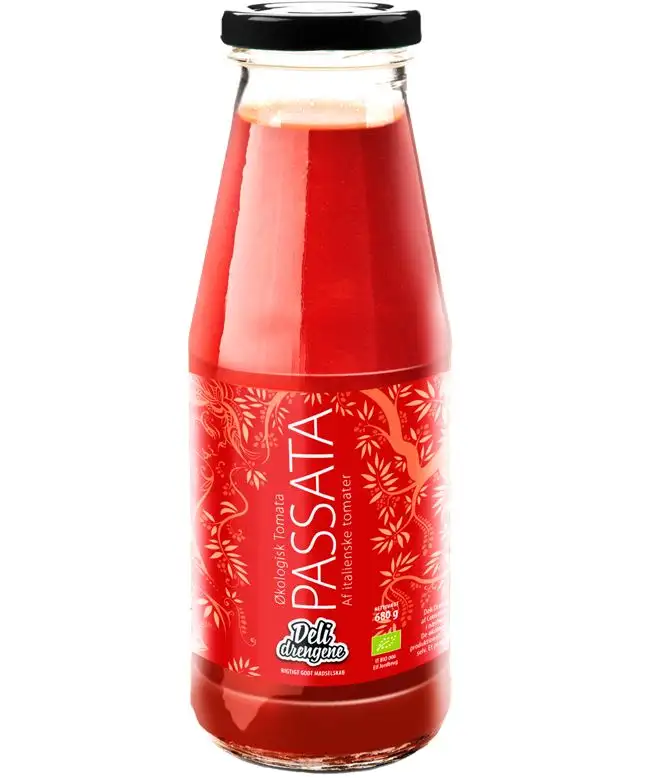
DeliDrengene ApS is recalling TomatPASSATA, DeliDrengene’s organic tomato paste, as there may be mold in the product. Mold makes the product unsuitable as food.
If you have the product, you should discard it or return it to the store where it was purchased.

Which food is recalled

Tomato Passata, organic
Net weight: 680ml
Best before date: 31.12.2023

Lot no: LF218
EAN code: 5710908158110

The product is sold in: Several places throughout the country through Salling, Meny and Spar as well as at Espergærde Ost og Tapas, Butik Sortebro and Lägeger and online through nemlig.com.

An error in the bottling of the product has resulted in tomato appearing on the edge of the bottle. The error means that mold can develop in the product.

Mold makes the product unsuitable as food.

Read more about mold and mildew on food by clicking on the link here

If you have the product, you should discard it or return it to the store where it was purchased. 

DeliDrengene ApS

Mileparken 10C

2605 Brøndby

New Zealand – Public health warning: shellfish biotoxin alert for Marlborough Sounds

MPI

New Zealand Food Safety is advising the public not to collect or consume shellfish gathered from part of Queen Charlotte Sound due to the possible presence of toxins.

“Routine tests on mussel samples taken from Okiwa Bay (The Grove) have shown levels of diarrhetic shellfish toxins more than 3.5 times the safe limit,” says New Zealand Food Safety specialist adviser Piers Harrison.

“The warning extends from The Grove up to a line from Dieffenbach Point across to West Head in the Marlborough Sounds.

“Please do not gather and eat shellfish from this area because anyone doing so is potentially at risk of getting sick.

“Cooking the shellfish does not remove the toxin, so mussels, oysters, tuatua, pipi, toheroa, cockles, scallops, catseyes, kina (sea urchin) and all other bivalve shellfish from this area should not be eaten.”

Finland – Suspected Salmonella in Sprouted Salads

Epressi

Snafu bud salads

Snafu Oy has announced the recall of three Silmusalaatti products. The reason for the recall is that a preliminary positive result for salmonella has been found in one box. Further investigations are underway and the company is issuing a recall as a precaution.

The recall concerns three products:  Alfalfa Green Lettuce, Broccoli Green Lettuce, and Fiery Green Lettuce. The size of the package is 110 g .  The withdrawal applies only to the expiration date  (September 28, 2023),  September 30, 2023 and October 3, 2023.

The products have been on sale in K and S group stores. In accordance with the precautionary principle, the company has already removed the items from sale on September 22, 2023.

Additional information for consumers: Snafy Oy; Samuli Laurikainen 050 412 4500, samuli@silmusalaatti.fi

The matter is handled at the Food Agency by special expert Mika Varjonen, tel. 050-38 68 416,  firstname.surname@ruokavirasto.fi .

Pictures of the products:
(Photo: Snafu Oy)

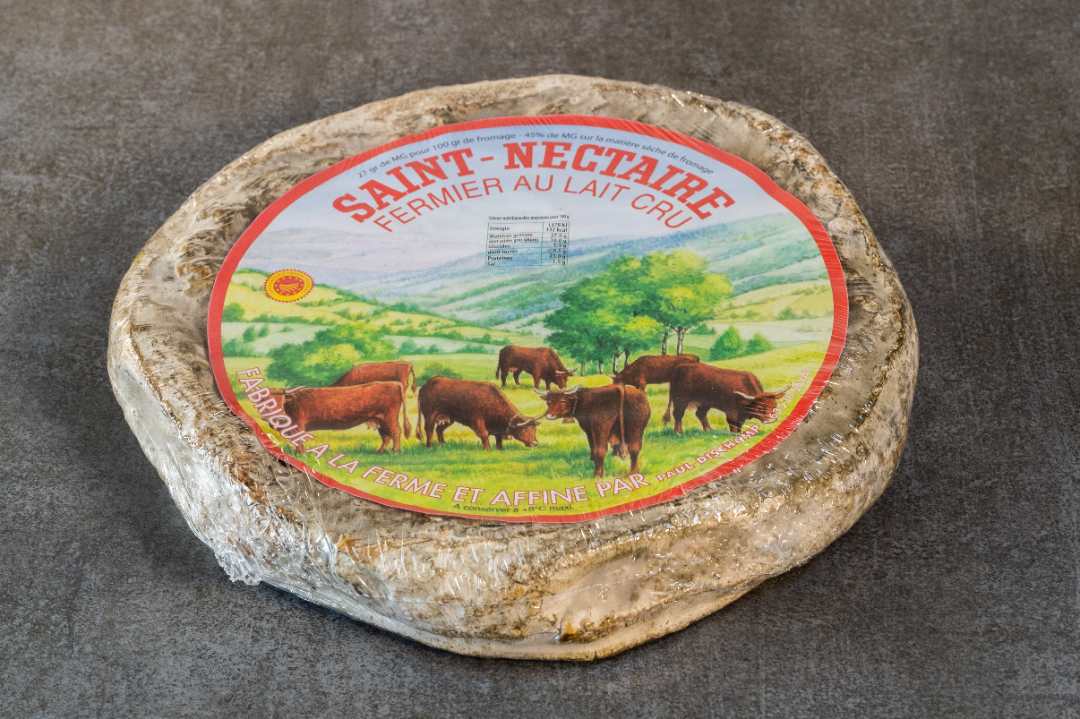
France – Saint-Nectaire farmer “Red Cow”- Listeria monocytogenes

Gov france

  • Product category Food
  • Product subcategory Milk and dairy products
  • Product brand name Red Cow
  • Model names or references Saint-Nectaire farmer “Red Cow”
  • Product identification
    GTIN Batch Date
    3151820423030 D32140056 Minimum durability date 09/21/2023
  • Start/end date of marketing From 08/14/2023 to 09/27/2023
  • Storage temperature Product to keep in the refrigerator
  • Health mark FR63.417.001CE
  • Geographical sales area Whole France
  • Distributors Intermarché