Monthly Archives: May 2023

Research – Study highlights two strategies used by Salmonella to escape the human body’s defenses

News Medical

Like thieves that constantly look for ways to evade capture, Salmonella enterica, a disease-causing bacterium, uses various tactics to escape the human body’s defense mechanisms. In a new study, researchers from the Department of Microbiology and Cell Biology (MCB), IISc, highlight two such strategies that the bacterium uses to protect itself, both driven by the same protein.

When Salmonella enters the human body, each bacterial cell resides within a bubble-like structure known as Salmonella-containing vacuole (SCV). In response to the bacterial infection, the immune cells in our body produce reactive oxygen species (ROS) and reactive nitrogen species (RNS), along with pathways triggered to break down these SCVs and fuse them with cellular bodies called lysosomes or autophagosomes, which destroy the bacteria. However, these bacteria have developed robust mechanisms to maintain vacuolar integrity, which is crucial for their survival. For example, when a bacterial cell divides, the vacuole surrounding it also divides, enabling every new bacterial cell to be ensconced in a vacuole. This also ensures that more vacuoles are present than the number of lysosomes which can digest them.

Research – UAE: Counts of E.coli in vegetables from retailers in Abu Dhabi and Dubai

Horti Daily

A new study by Ihab Habib, Rami H Al-Rifai, Mohamed-Yousif Ibrahim Mohamed, Akela Ghazawi, Afra Abdalla, Glindya Lakshmi, Neveen Agamy and Mushtaq Khan investigates the counts, antimicrobial resistance profile, and genome-based characterization of Escherichia coli in 11 different types of fresh salad vegetable products (n = 400) sampled from retailers in Abu Dhabi and Dubai in the United Arab Emirates.

E. coli was detected in 30% of the tested fresh salad vegetable items, with 26.5% of the samples having an unsatisfactory level (≥100 CFU/g) of E. coli, notably arugula and spinach. The study also assessed the effect of the variability in sample conditions on E. coli counts and found, based on negative binominal regression analysis, that samples from local produce had a significantly higher (p-value < 0.001) E. coli count than imported samples.

The analysis also indicated that fresh salad vegetables from the soil-less farming system (e.g., hydroponic and aeroponic) had significantly (p-value < 0.001) fewer E. coli than those from traditional produce farming. The study also examined the antimicrobial resistance in E. coli (n = 145) recovered from fresh salad vegetables and found that isolates exhibited the highest phenotypic resistance toward ampicillin (20.68%), tetracycline (20%), and trimethoprim-sulfamethoxazole (10.35%).

A total of 20 (13.79%) of the 145 E. coli isolates exhibited a multidrug-resistant phenotype, all from locally sourced leafy salad vegetables. The study further characterized 18 of the 20 multidrug-resistant E. coli isolates using whole-genome sequencing and found that the isolates had varying numbers of virulence-related genes, ranging from 8 to 25 per isolate. The frequently observed genes likely involved in extra-intestinal infection were CsgA, FimH, iss, and afaA. The β-lactamases gene blaCTX-M-15 was prevalent in 50% (9/18) of the E. coli isolates identified from leafy salad vegetable samples.

The study highlights the potential risk of foodborne illness and the likely spread of antimicrobial resistance and resistance genes associated with consuming leafy salad vegetables. It emphasizes the importance of proper food safety practices, including appropriate storage and handling of fresh produce.

Click here to access the entire research.

USA – Foodborne Illness Outbreaks at Retail Food Establishments — National Environmental Assessment Reporting System, 25 State and Local Health Departments, 2017–2019

CDC

Abstract

Problem/Condition: Each year, state and local public health departments report hundreds of foodborne illness outbreaks associated with retail food establishments (e.g., restaurants or caterers) to CDC. Typically, investigations involve epidemiology, laboratory, and environmental health components. Health departments voluntarily report epidemiologic and laboratory data from their foodborne illness outbreak investigations to CDC through the National Outbreak Reporting System (NORS); however, minimal environmental health data from outbreak investigations are reported to NORS. This report summarizes environmental health data collected during outbreak investigations and reported to the National Environmental Assessment Reporting System (NEARS).

Period Covered: 2017–2019.

Description of System: In 2014, CDC launched NEARS to complement NORS surveillance and to use these data to enhance prevention efforts. State and local health departments voluntarily enter data from their foodborne illness outbreak investigations of retail food establishments into NEARS. These data include characteristics of foodborne illness outbreaks (e.g., etiologic agent and factors contributing to the outbreak), characteristics of establishments with outbreaks (e.g., number of meals served daily), and food safety policies in these establishments (e.g., ill worker policy requirements). NEARS is the only available data source that collects environmental characteristics of retail establishments with foodborne illness outbreaks.

Results: During 2017–2019, a total of 800 foodborne illness outbreaks associated with 875 retail food establishments were reported to NEARS by 25 state and local health departments. Among outbreaks with a confirmed or suspected agent (555 of 800 [69.4%]), the most common pathogens were norovirus and Salmonella, accounting for 47.0% and 18.6% of outbreaks, respectively. Contributing factors were identified in 62.5% of outbreaks. Approximately 40% of outbreaks with identified contributing factors had at least one reported factor associated with food contamination by an ill or infectious food worker. Investigators conducted an interview with an establishment manager in 679 (84.9%) outbreaks. Of the 725 managers interviewed, most (91.7%) said their establishment had a policy requiring food workers to notify their manager when they were ill, and 66.0% also said these policies were written. Only 23.0% said their policy listed all five illness symptoms workers needed to notify managers about (i.e., vomiting, diarrhea, jaundice, sore throat with fever, and lesion with pus). Most (85.5%) said that their establishment had a policy restricting or excluding ill workers from working, and 62.4% said these policies were written. Only 17.8% said their policy listed all five illness symptoms that would require restriction or exclusion from work. Only 16.1% of establishments with outbreaks had policies addressing all four components relating to ill or infectious workers (i.e., policy requires workers to notify a manager when they are ill, policy specifies all five illness symptoms workers need to notify managers about, policy restricts or excludes ill workers from working, and policy specifies all five illness symptoms requiring restriction or exclusion from work).

Interpretation: Norovirus was the most commonly identified cause of outbreaks reported to NEARS, and contamination of food by ill or infectious food workers contributed to approximately 40% of outbreaks with identified contributing factors. These findings are consistent with findings from other national outbreak data sets and highlight the role of ill workers in foodborne illness outbreaks. Although a majority of managers reported their establishment had an ill worker policy, often these policies were missing components intended to reduce foodborne illness risk. Contamination of food by ill or infectious food workers is an important cause of outbreaks; therefore, the content and enforcement of existing policies might need to be re-examined and refined.

Public Health Action: Retail food establishments can reduce viral foodborne illness outbreaks by protecting food from contamination through proper hand hygiene and excluding ill or infectious workers from working. Development and implementation of policies that prevent contamination of food by workers are important to foodborne outbreak reduction. NEARS data can help identify gaps in food safety policies and practices, particularly those concerning ill workers. Future analyses of stratified data linking specific outbreak agents and foods with outbreak contributing factors can help guide the development of effective prevention approaches by describing how establishments’ characteristics and food safety policies and practices relate to foodborne illness outbreaks.

Research – Singapore Food Statistics 2022

SFA

The Singapore Food Agency (SFA)’s mission is to ensure and secure a supply of safe food for Singapore. Food security is an existential concern for Singapore.
We import more than 90% of the food we consume, making it impossible for us to insulate ourselves from global food supply shocks. In recent years, Singapore experienced first-hand the effects of supply chain disruptions caused by the COVID-19 pandemic, climate change, geopolitical disruptions and policy decisions taken by foreign governments.
SFA works closely with government agencies, businesses and consumers to manage food security risks, and transform the agri-food sector to be more productive, climate resilient and resource efficient.
To safeguard Singapore’s food security, SFA adopts a multi-pronged approach which includes diversifying food import sources, increasing local production and growing food overseas. SFA also has in place an integrated farm-to-fork food safety system to ensure that food for sale in Singapore is safe for consumption.
SFA’s food safety takes a risk-based approach that is guided by science and aligned to international standards. This Singapore Food Statistics publication describes the developments in Singapore’s food supply and food safety situation in 2022. 3SINGAPORE FOOD STATISTICS 2022

Singapore – Suspension of Nosh Cuisine Pte Ltd’s food business operations – Gastroenteritis Investigation

SFA

The Ministry of Health (MOH), the Singapore Food Agency (SFA), and the Early Childhood Development Agency (ECDA) are investigating three incidents of gastroenteritis reported at MindChamps preschools (MindChamps Preschool @ Bishan, MindChampsPreschool@ Changi Airport and MindChampsPreschool@ Tanglin).

As of 12pm, 30 May 2023, a total of 89 persons (79 children and 10 staff) reported gastroenteritis symptoms after consuming food prepared by Nosh Cuisine Pte Ltd between 17 May and 29 May 2023. Six were hospitalised and are in stable condition. The rest had either sought outpatient treatment, self-medicated, or recovered without treatment.

USA – Cricket Creek Farm Recalls Sophelise and Tobasi Cheeses Because of Potential Listeria Monocytogenes Contamination

FDA

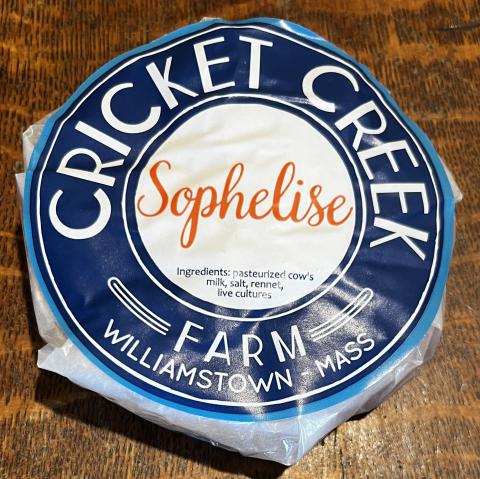
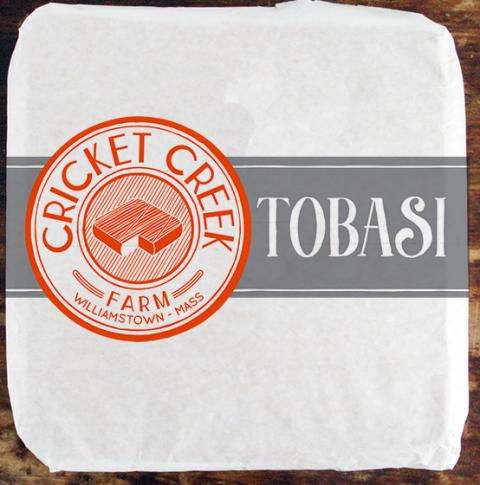
Image 1: Cricket Creek Farm square Tobasi Cheese front packaging/label

Image 2: Cricket Creek Farm circle Sophelise Cheese front packaging/label

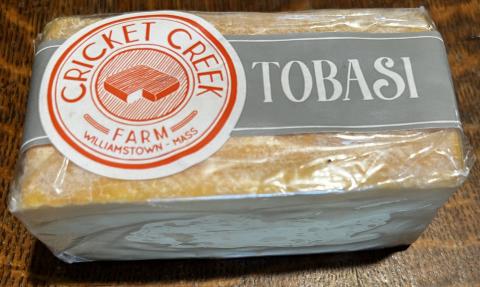
Image 3: Cricket Creek Farm rectangle Tobasi Cheese front packaging/label

Summary

Company Announcement Date:
FDA Publish Date:
Product Type:
Food & Beverages
Cheese/Cheese Product
Foodborne Illness
Reason for Announcement:
Potential Contamination with Listeria monocytogenes
Company Name:
Cricket Creek Farm, LLC
Brand Name:
Cricket Creek Farm
Product Description:
Sophelise Cheese and Tobasi Cheese

Company Announcement

Cricket Creek Farm of Williamstown, MA is recalling 165 units of Sophelise cheese and 149 pounds of Tobasi cheese because it has the potential to be contaminated with Listeria monocytogenes, an organism which can cause serious and sometimes fatal infections in young children, frail or elderly people, and others with weakened immune systems. Although healthy individuals may suffer only short-term symptoms such as high fever, severe headache, stiffness, nausea, abdominal pain and diarrhea, Listeria infection can cause miscarriages and stillbirths among pregnant women.

Sophelise and Tobasi were distributed in Massachusetts and New York through Wild Oats, Williamstown, MA; Provisions Williamstown, Williamstown, MA; McEnroe Organic Farm Market, Millerton, NY; New Lebanon Farmers Market; New Lebanon, NY, at restaurants, and farmers markets.

Sophelise product code: 087055 is a washed, pasteurized milk cheese with a soft rind and pinkish hue; the circular cheese measures 4 inches in diameter and roughly 1 inch tall. It is sold in semi-transparent packaging with a round blue label. Sophelise was distributed between March 29, 2023 and May 26, 2023.

Tobasi with a product label of 315, 341, 048 is a washed raw-milk cheese with an orange rind and creamy interior. When sold retail by Cricket Creek Farm, it is wrapped in clear packaging with a gray and orange label. When sold at retail stores, it is sold in small rectangular cuts. When sold wholesale, the cheese is a square format roughly 8”x8” and 1.25 inches tall. These batches of Tobasi were distributed between March 26, 2023, to May 26, 2023.

One hospitalization due to Listeria monocytogenes has been reported to date. Following this customer notification of illness, products purchased by this individual were tested by Biotrax Testing Laboratory and the current batch of Sophelise was determined to be positive for Listeria monocytogenes. The three batches of Tobasi are being recalled due to their proximity during storage to the exposed product.

Consumers who have purchased Sophelise, with product code 087055 or Tobasi cheese 315, 341, 048 on or after March 26, should not consume or distribute the product, and they are urged to return any remaining product to the place of purchase for a full refund. Consumers with questions may contact the company 8:00am – 5:00pm EST Monday – Friday at info@cricketcreekfarm.com or 413-458-5888.

New Zealand – Shellfish biotoxin alerts – PSP

MPI

South Island warning

Reason for alert Paralytic Shellfish Poisoning (PSP)

Date warning issued 31 May 2023
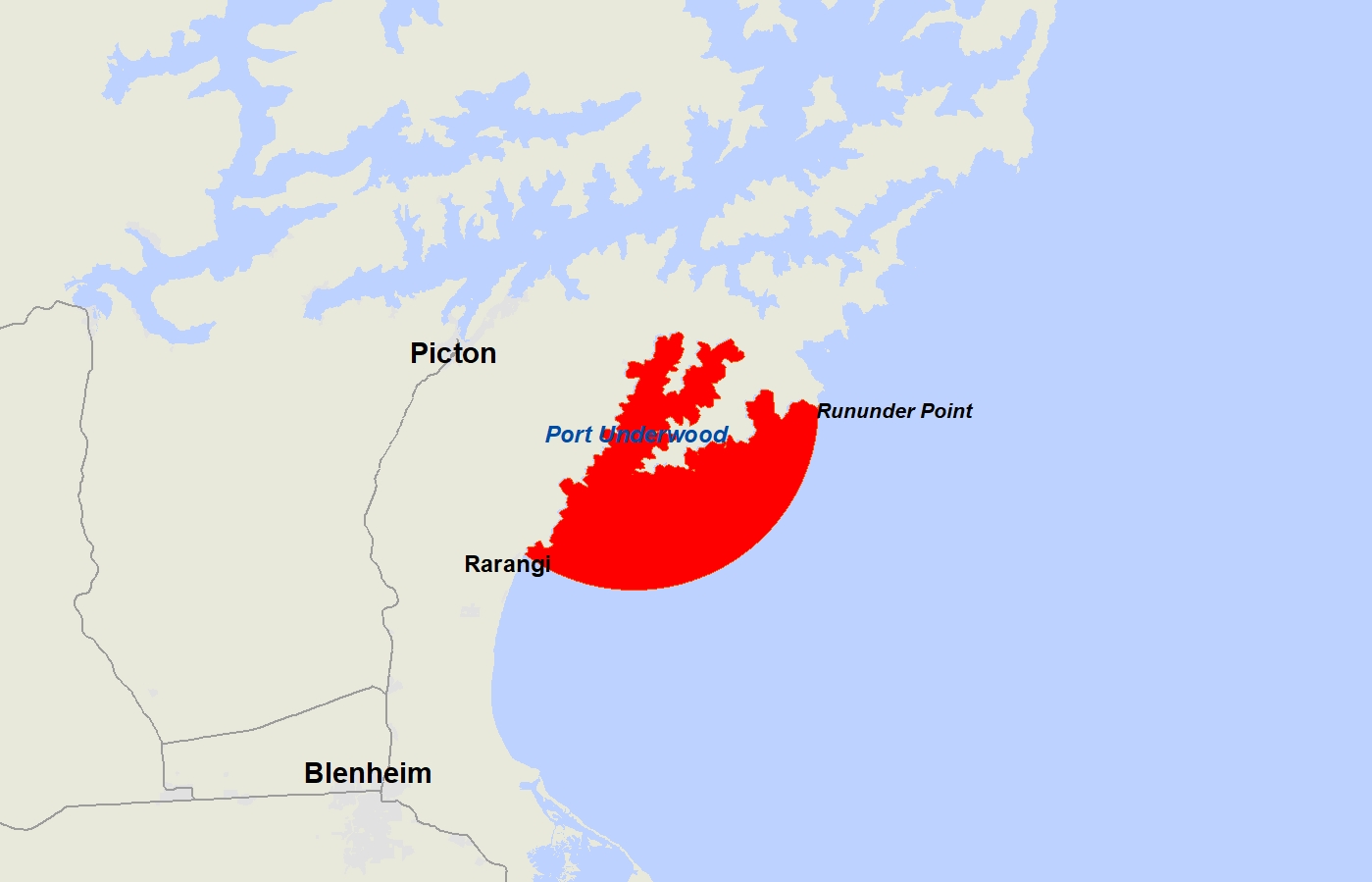
Affected area Port Underwood
Shellfish affected Mussels, oysters, tuatua, pipi, toheroa, cockles, scallops, catseyes, kina (sea urchin) and all other bivalve shellfish.

Note, cooking shellfish does not remove the toxin.

Pāua, crab and crayfish may still be eaten if the gut has been completely removed prior to cooking, as toxins accumulate in the gut. If the gut is not removed its contents could contaminate the meat during the cooking process.

Symptoms Symptoms typically appear between 10 minutes and 3 hours after ingestion and may include:

  • numbness and a tingling (prickly feeling) around the mouth, face, and extremities (hands and feet)
  • difficulty swallowing or breathing
  • dizziness
  • headache
  • nausea
  • vomiting
  • diarrhoea
  • paralysis and respiratory failure and in severe cases, death.
Other information Paralytic shellfish toxins have been detected in shellfish from the Kaipara Harbour at levels over the safe limit of 0.8mg/kg set by MPI. Ongoing testing will continue and any changes will be communicated accordingly.

Map of the affected area

Map of affected area from Rarangi to Rununder Point, Port Underwood area in Marlborough.

Holiday Time :)

There will be a reduced numbers of posts over the next couple of weeks, being a one person band there is no one to cover when I am on holiday.

But normal service will be resumed later in June.

Netherlands – Duo receives suspended sentences for selling Salmonella contaminated eggs

Food Safety News

hazegg.jpg

Two men have been handed suspended prison sentences of six months in the Netherlands for their roles in the sale of Salmonella contaminated eggs.

The director and a manager at the implicated company were also ordered to do 200 hours of community service. Both men, aged 43 and 51, are still working in the poultry sector.

This company was fined €80,000 ($86,000), which was lower than the €140,000 ($150,400) asked for by the Public Prosecution Service (OM). The court in Zwolle said this was because of the considerable time that had passed since the incident.

The business was found guilty of placing eggs contaminated with Salmonella on the market when it knew this was harmful to health and concealing this information from customers.

UK – Worrying levels of E. coli found inside some UK oysters

ITV

Exclusive research carried out by ITV News and Watershed Investigations found some shellfish areas have seven times the E. coli levels deemed safe for eating. See the video at the link above.