Do not consume and return to the point of sale for reimbursement.
Aflatoxins are mycotoxins that can be present in different products such as grains, coffee, rice, raisins and dried fruits. Only a large quantity of contaminated products can lead to health problems.
People with hepatitis are sensitive to aflatoxins.
FURTHER INFORMATION
▸ Barcode 3560070837984
▸ Lot L HH: MM 02/05/2023
▸ DLC 02/05/2023
▸ Packaging 1kg bag
▸ Consumer service contact For any further information, you can contact the Carrefour consumer service by dialing N ° Cristal 09 69 39 7000 – non-surcharged call from Monday to Saturday from 9 am to 7 pm.
Microbial contamination of street food sold in Quetta.
•
38% (121/320) of ready-to-eat food samples were contaminated with microbial pathogens.
•
Food quality was worse in summer months.
•
Salmonella enteritidis and Salmonella typhimurium were identified by multiplex polymerase chain reaction.
•
Isolated pathogens showed antibiotic resistance.
Abstract
Objectives
Ready-to-eat (RTE) food sold in Quetta, Pakistan was assessed for microbial contamination.
Methods
Equal numbers of samples were collected from four categories of RTE food – burgers, shawarma, pizza and sandwiches – from January 2018 to December 2018. Microbial contamination of individual food samples was assessed by quantifying the total aerobic count obtained from plating samples on bacterial growth medium. Salmonella spp. serovars were identified using polymerase chain reaction.
Results
Approximately 38% (121/320) of RTE food samples were not fit for human consumption. The most contaminated type of RTE food was shawarma (49%). Microbial contamination of food samples was higher in summer compared with the other seasons. Approximately 40% (49/121) of food samples that were not fit for human consumption were contamined with Salmonella spp. Salmonella enteritidis (69%) and Salmonella typhimurium (31%) were the only serovars among the samples testing positive for Salmonella spp. Of the 49 samples with high microbial counts, S. enteritidis was present in 34 samples and S. typhimurium was present in 15 samples. The antibiotic sensitivity results demonstrated that both S. enteritidis and S. typhimurium were resistant to amoxicillin. In addition, S. enteritidis was resistant to chloramphenicol and erythromycin, and S. typhimurium presented high resistance to erythromycin. Both S. typhimurium and S. enteritidis were highly sensitive to kanamycin.
Conclusion
RTE food sold by street vendors in Quetta was found to be contaminated with Salmonella spp. and poses a great health risk to consumers. As such, consumption should be avoided, and the health authorities should take stringent action to ensure the quality of street food in order to reduce the healthcare burden.
Update 20 April 2021: Please note distribution has been extended to include Coles Supermarkets in Tasmania.
Product information
Coles Supermarkets Australia Pty Ltd is conducting a recall of Coles Tasmanian Smoked Salmon 150g. The product has been available for sale at in Coles Supermarkets in Victoria (excluding Mildura stores), WA and Tasmania and Coles Online.
Date markings
Use By 07 April 2023
Problem
The recall is due to an incorrect Use By date. The product was incorrectly labelled with a Use By date of 07 April 2023,
instead of 07 May 2021.
Food safety hazard
The food may cause illness if consumed after 07 May 2021.
Country of origin
Australia.
What to do
While the product is currently safe to eat, customers should not consume the product beyond the correct Use By date of 07 May 2021.
Customers should return the product to the place of purchase for a full refund.
For further information please contact:
Coles Supermarkets Australia Pty Ltd
1800 061 562 www.coles.com.au
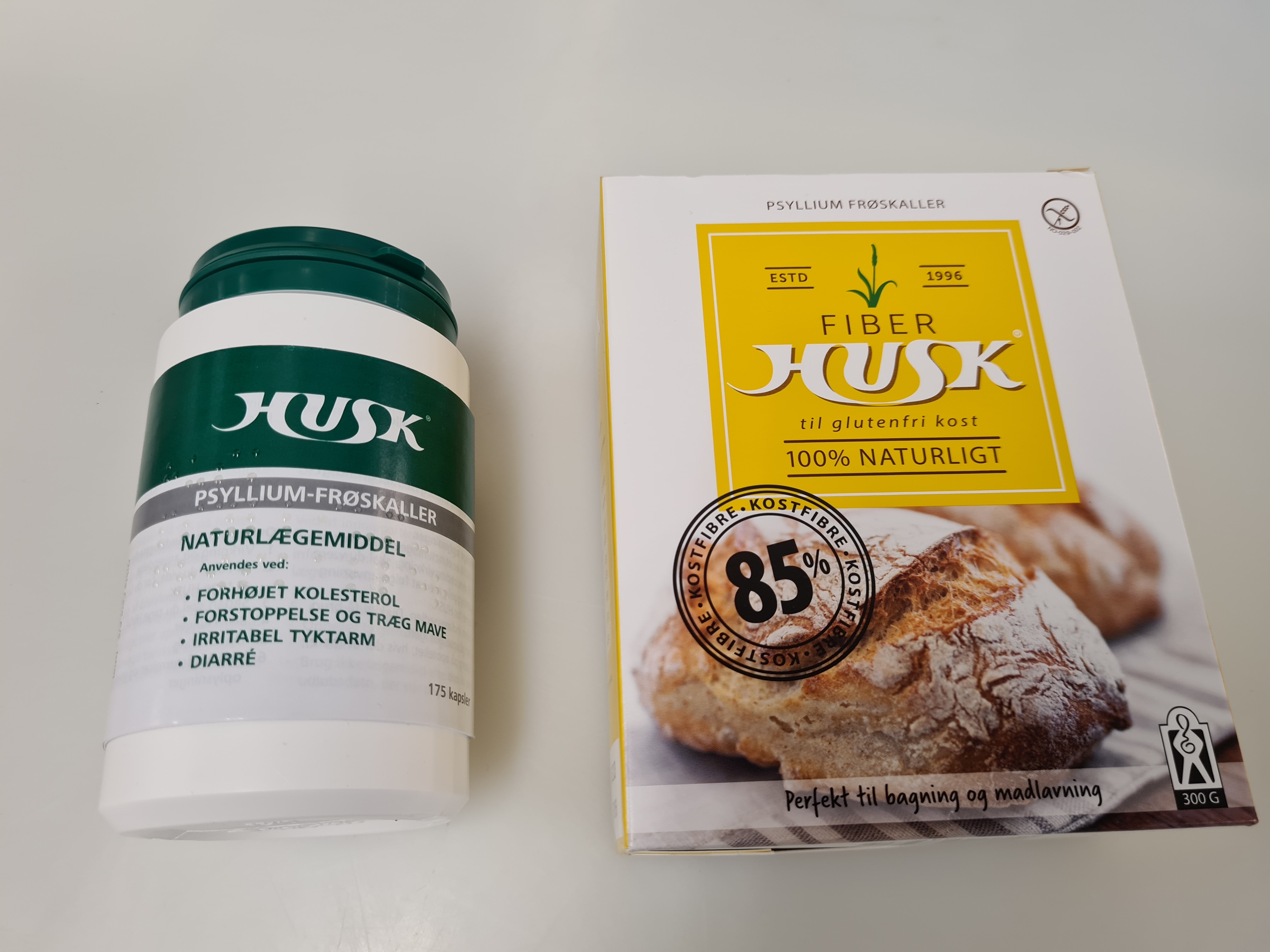
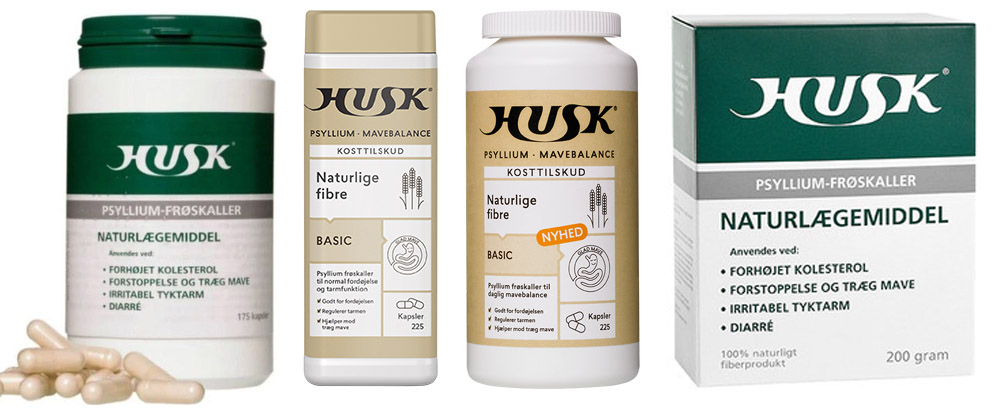
Updated 19.04.21 at 14:43: One product has been added to the recall of HUSK from the company Orkla due to the risk of salmonella. All batches of the gluten-free baking ingredient Fiber Husk are recalled. Fiber Husk was for sale in Kaupfélag Skagfirðinga in Sauðakrókur.
Picture of the HUSK products that were for sale and are recalled by Kaupfélag Skagfirðinga.
———————————————-
Updated 17.04.21 at 11:55 – Distribution: Recalled products were for sale in Lyfjavers store on Suðurlandsbraut, Lyfjavers online store and Kaupfélag Skagfirðinga in Sauðárkrókur. No further distribution within the country is known at this time, but work is continuing to gather information on distribution.
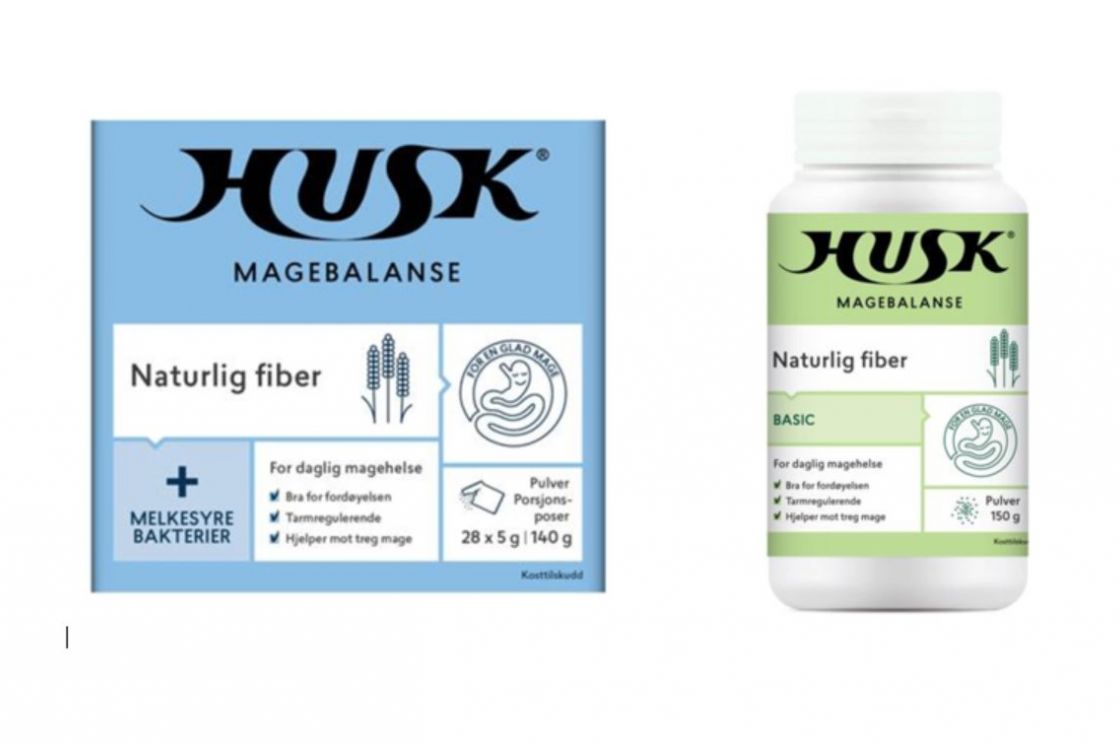
Matvælastofnun warns against consuming HUSK PSYLLIUM FROSKALLER and HUSK PSYLLIUM MAVEBALANCE fiber capsules and powders from the company Orkla Care. Salmonella has been identified in the products and three deaths and a number of infections in Denmark can be traced to their consumption.
Matvælastofnun and the municipal health inspectorate continue to work on obtaining information on distribution to Iceland. The products have been imported to the country and are available in pharmacies, among other places. Recall is ongoing in all rounds. Full distribution is not available at this time, but further information will be published as soon as it is available.
Updated 19.04.21 at 11:43 Updated 17.04.21 at 12:15 Updated 17.04.21 at 11:55
Norenca Product recall: “American prepared” and “American prepared martino” recall. Problem: possible presence of Salmonella.
As a precautionary measure, Norenca NV is now withdrawing from sale the following items due to the possible presence of Salmonella
1. American prepared – Lot 02114099 – DLC 04/16/21 – Lot 02115102 – DLC 04/20/21 – Lot 02115103 – DLC 04/21/21 – Lot 02115104 – DLC 04/22/21 – Lot 02115105 – DLC 23 / 04/21 – Weight: +/- 175g, +/- 350g and +/- 850g
2. American prepared martino – Lot 02114099 – DLC 04/16/21 – Lot 02115102 – DLC 04/20/21 – Lot 02115103 – DLC 04/21/21 – Lot 02115104 – DLC 04/22/21 – Lot 02115105 – DLC 04/23/21 – Weight: +/- 175g, +/- 350g and +/- 850g
Sale period: since 04/10/21
Information for consumers
The Norenca company asks its customers not to consume this product and to bring it back to the point of sale.
Possible symptoms of foodborne illness caused by Salmonella are: fever, abdominal cramps and diarrhea, within 12 to 48 hours of consuming the contaminated food. The risk of infection is higher in the elderly, children, pregnant women and people with weakened immune systems.
People who have consumed these products and who present this type of symptoms are invited to consult their doctor without delay, notifying him of this consumption.
A Salmonella outbreak in Denmark is continuing to affect more people and has also been linked to three deaths.
The Statens Serum Institut (SSI) previously reported that 25 people were infected and 14 had needed hospital treatment with most falling ill this past month.
The agency has now revealed 33 people have the same type of Salmonella typhimurium in the country and 19 have been hospitalized.
A possible Illinois outbreak may be associated with a Jimmy John’s restaurant, according to a piece in The Pantagraph, Many of those sickened were student athletes who go to school at Illinois State University (ISU). The first reports of illnesses were received by the McLean County Health Department (MCHD) on April 7, 2021
One Jimmy John’s restaurant, located at 203 West Market Street in Bloomington, Illinois, was temporarily closed, but no official is stating that there is any connection between that facility and any illnesses. There are five Jimmy John’s locations in the area.
According to iwaspoisoned.com, public officials are investigating “multiple reports” of illness in that county. The MCHD Communicable Disease Division is trying to discover the exact cause of the illnesses. They did not reveal any information about any particular food they are looking for, or whether any patients have been hospitalized.
The main pathogenic bacteria in food are Campylobacter and Salmonella. But Listeria in cheese and enterohemorrhagic Escherichia coli (ECEH) bacteria in young shoots have also made headlines in recent years.
Current
Smoked fish, what are the health risks?
04/16/2021 – Smoked fish are popular specialties in Switzerland. Consumed without cooking, they can become a food safety concern if hygiene rules are not respected during processing.
An assessment of the dietary risks associated with smoked fish was carried out as part of a pilot study in collaboration with the Office for Consumer Affairs of the canton of Vaud.
The study did not reveal any major risk, but follow-up should be ensured in order to maintain a high level of food safety and quality. The cantonal authorities concerned will keep this topic in their monitoring program and the FSVO plans to carry out a more detailed assessment.
Likewise, it is very important to wash your hands after coming into contact with animal products, as Campylobacter, Salmonella, Listeria and EHEC are transmitted from animals to humans. These diseases are called zoonoses.
Campylobacter
Infection with Campylobacter bacteria is the most common zoonosis in Switzerland, as in other European countries. It is the cause of gastrointestinal diseases in humans. The illness can last for about a week and in some circumstances may require hospitalization.
Campylobacter infection is characterized by abdominal pain, watery or bloody diarrhea, and an increase in temperature. Vomiting and high fever can also occur.
Infection is caused by contaminated food that has not been sufficiently cooked before consumption or that has come into direct contact with animals. In southern countries, contaminated water sources also represent a significant risk. The main source of infection, however, remains poultry meat.
According to data from the Federal Office of Public Health (OFSP), there are around 1,000 cases of Campylobacter infections each year. All patients do not consult their doctor, this figure is actually much higher. Overall, the number of cases has grown steadily over the past few years to reach around 7,500 during the year 2014.
Prevent Campylobacter infections
Campylobacter bacteria can survive in food, but cannot multiply there. Since contamination by Campylobacter does not affect foodstuffs, it is not possible to identify their presence by smell or appearance.
Campylobacter can be safely eliminated by thoroughly cooking the food at 70 ° C for at least 2 minutes by roasting, cooking or pasteurization. Freezing the food reduces the number of Campylobacter, without eliminating them completely.
Salmonella
Salmonella infection is most often manifested by inflammatory bowel disease with sudden onset of diarrhea, nausea, vomiting, fever, headache and abdominal pain. Salmonella infections are subject to notification .
They usually occur by ingesting contaminated food. The danger comes mainly from poultry, eggs, egg preparations, unpasteurized milk and meat products. Contamination through other animal products, utensils used, water, humans, etc. can occur throughout the food manufacturing process.
Prevent salmonellosis
Salmonella infections are fought on two levels:
the number of infected domestic animals should be reduced;
contamination of food with salmonella must be avoided and their multiplication stopped.
Listeria
In people without weakened immune systems, a Listeria infection is usually accompanied by mild symptoms or even no symptoms at all. People who are immunocompromised can experience a variety of serious symptoms, the outcome of which can be fatal. During pregnancy, a Listeria infection can lead to miscarriage or cause a child to have sepsis or meningitis when it is born.
Listeria transmission is caused by the ingestion of contaminated raw food, mainly of animal origin: meat, smoked fish, cold cuts, soft cheese. Transmission through contact with infected animals is rarer.
Prevent listeriosis
In the first place, the general rules of hygiene should be observed when in contact with food and animals. Pregnant women and people with weakened immune systems should in particular avoid raw vegetables, raw or undercooked meat as well as raw fish and seafood, soft cheese and cheese made from unpasteurized milk. .
Enterohemorrhagic Escherichia coli (EHEC)
The majority of people infected with EHEC have abdominal pain accompanied by cramping, a short-term fever followed by intestinal colic which becomes violent, and slightly bloody hemorrhagic diarrhea. In a minority of people, only watery diarrhea is observed. Cases of EHEC infections are very rare in Switzerland. The mortality rate reaches 3 to 5%.
Escherichia coli bacteria naturally belong to our intestinal flora. EHECs are a pathogenic line of these generally harmless bacteria. Infection occurs first by consuming contaminated animal foods, mainly undercooked ground beef and unpasteurized dairy products. Contaminated drinking water, young shoots, potatoes and unpasteurized apple juice can, for example, also contain EHEC. More rarely, cases of transmission of EHEC are observed through contact with animals or animal faeces.
Prevent EHEC infections
Since a very small number of infectious agents is enough to get sick, it is important to follow the general rules of hygiene. It is therefore strongly recommended to wash your hands thoroughly after having been in contact with animals and to cook the meat thoroughly when preparing meals. Raw food should always be stored in the refrigerator.
Leksands Knäckebröd recalls a limited batch of breads Brown-baked Crispy Round, Brown-saved Crackle Triangle, Mini-square Brown-baked, Round-shaped Normal-baked and Round-browned. Sampling has shown a content of the mold toxin ochratoxin that exceeds the limit value.
Leksands Knäckebröd recalls a limited batch of Brown-saved Crack Round, Brown-saved Crack Triangle, Minirut Brown-saved, Round-Normal-baked and Round-brown-saved.
During sampling, it has emerged that Brown-saved Knäcke Rund, Brown-saved Knäcke Trekant, Minirut Brown-saved, Rundrut Normal-baked and Rundrut Brown-saved from Leksands Knäckebröd with best before-date 2022-01-09 and 2022-01-10 contain Ochratoxin which exceeds the limit value. Ochratoxin is a substance that comes from molds and can occur in cereals, dried fruit, red wine and coffee.
Leksands Knäckebröd encourages all customers who have bought the mentioned products with expiration dates 2022-01-09 and 2022-01-10 to throw away the crispbread and contact customer service on the website for compensation. Other best-before dates or other products from Leksands Knäckebröd are not affected.
Leksands Knäckebröd apologizes and takes what happened seriously.
Product safety and consumer confidence are of the highest priority and measurements are made continuously. Leksands Knäckebröd cooperates with the National Food Administration to ensure that precautionary measures are followed. Similar cases have not been detected before. Leksands Knäckebröd has taken further measures to ensure that we continue to have a high level of product safety.






 FoodWorld