Monthly Archives: January 2020

Research – Assessment of the potential of Arabic gum as an antimicrobial and antioxidant agent in developing vegan “egg‐free” mayonnaise

Wiley Online

The main factors affecting the spoilage of mayonnaise are lipid oxidation and microbial contamination. Therefore, the investigation was carried out to estimate the antimicrobial and antioxidant properties of the aqueous extract of the Arabic gum (AG). The effect of the addition of AG powder on physical–chemical and sensory properties has been evaluated in different percentages of 25, 50, 75, and 100 into mayonnaise. At the highest concentration of AG 20 mg/ml, the DPPH result represented high antioxidant activity at 92.13%. AG had inhibitory effects on gram‐negative and gram‐positive bacteria, with Staphylococcus aureus and Bacillus subtilis being the most susceptible bacteria. The use of AG as an egg substitute in mayonnaise has been shown to have a great effect on physical–chemical properties. All mayonnaise samples were sensory acceptable, particularly vegan mayonnaise (100% AG) and still acceptable for consumption at 5°C for 5 months of storage. AG could be considered an additive with significant emulsifier properties, antioxidant, and antimicrobial activities. Therefore, AG is a good choice to produce new vegetarian products for consumers who are unable to eat egg‐based foods.

USA – Salud Natural Entrepreneur Inc. Recalls Nopalina Flax Seed Fiber Powder and Nopalina Flax Seed Fiber Capsules Because of Possible Health Risk – Salmonella

FDA

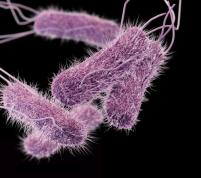
Salmonellaa

Image CDC

Salud Natural Entrepreneur, Inc. of Waukegan, IL is voluntarily recalling Nopalina Flax Seed Fiber (powder) and Nopalina Flax Seed Fiber (capsule) products due to possible Salmonella contamination in one of the ingredients used on the formula of Nopalina Flax Seed Fiber. Salmonella is an organism which can cause serious and sometimes fatal infections in young children, frail or elderly people, and others with weakened immune systems. Healthy persons infected with Salmonella often experience fever, diarrhea (which may be bloody), nausea, vomiting and abdominal pain. In rare circumstances, infection with Salmonella can result in the organism getting into the bloodstream and producing more severe illnesses such as arterial infections (i.e., infected aneurysms), endocarditis and arthritis. Consumers of these products who are experiencing symptoms of Salmonella should contact their health care provider. To date, there are no reports of illnesses associated with the products.

Nopalina Flax Seed products are distributed throughout the United States and Puerto Rico via retail stores and the company’s web site https://www.nopalinaonline.com/External Link Disclaimer

The following lot numbers are affected by this recall (the lot numbers can be found on the bottom back of the product label):

Nopalina Flax Seed Fiber (powder, 1 lb. bags) UPC 890523000720

  • Lot # 62.19 / 9 # 52.1 Best if used by 10/7/21
  • Lot # 62.19 / 2 # 52.1 Best if used by 10/7/21

Nopalina Flax Seed Fiber (powder, 1 lb. bags) UPC 890523000720

  • Lot # 64.19 / 3 # 52.1 Best if used by 10/21/21

Nopalina Flax Seed Fiber (powder, 1 lb. bags) UPC 890523000720

  • Lot # 65.19 / 1 # 52.1 Best if used by 10/24/21
  • Lot # 65.19 / 2 # 52.1 Best if used by 10/24/21

Nopalina Flax Seed Fiber (powder, 2 lb. bags) UPC:890523000843

  • Lot # 64.19 / 2 # 52.1 Best if used by 10/21/21
  • Lot # 64.19 / 2 * 2Lb # 52.1 Best if used by 10/21/21

Nopalina Flax Seed Fiber (capsules, 120 count) UPC 890523000867

  • Lot # 23.19 1C120 # 07 Best if used by 10/7/21
  • Lot # 23.192C120 # 02 Best if used by 10/7/21
  • Lot # 23.19 / 2C120 # 02 Best if used by 10/7/21
  • Lot # 23.19.2C120 # 02 Best if used by 10/7/21
  • Lot # 23.19.3C120 # 02 Best if used by 10/7/21

This recall is being made with the knowledge of the Food and Drug Administration.

The recall is the result of an FDA sampling of senna leaves powder, an ingredient used to manufacture the Nopalina Flax Seed Fiber (powder) and Nopalina Flax Seed Fiber (capsules), that tested positive for three types of Salmonella including Salmonella Gaminara, Salmonella Kentucky, and Salmonella Oranienburg. The company has ceased the use of the suspect ingredient.

We care deeply about the health of all of our consumers and are committed to providing with safe and high quality products. Salud Natural Entrepreneur, Inc. has identified and isolated the ingredient to prevent this from happening again.

Consumers who have purchased Nopalina Flax Seed Powder and Nopalina Flax Seed Capsules having the lot numbers listed above should not consume them and are urged to return it to the place of purchase for a full refund.

Consumers with questions may contact the company at 877-296-6845 (Monday to Friday 9am-5pm) or can go to our site: https://www.nopalinaonline.com/certificate/External Link Disclaimer

Symptoms of salmonellosis

Salmonella are a group of bacteria that can cause gastrointestinal illness and fever called salmonellosis. Most people infected with Salmonella begin developing symptoms 12 to 72 hours after infection. The illness usually lasts four to seven days and most people recover without treatment.

Most people with salmonellosis develop diarrhea, fever, and abdominal cramps. More severe cases of salmonellosis may include a high fever, aches, headaches, lethargy, a rash, blood in the urine or stool, and in some cases may become fatal.

Children younger than five, the elderly, and people with weakened immune systems are more likely to have severe salmonellosis infections.

RASFF Alert – Campylobacter – Chicken Meat

RASFF-Logo

RASFF – Salmonella enterica ser. Infantis (presence /25g) and Campylobacter jejuni (presence /25g) in frozen chicken meat from Poland in Finland

RASFF Alerts – Salmonella – Sesame Seeds – Chicken Chip Nuggets – Beef and Turkey Kebab – Hazlenuts – Live Oysters – Pistachios – Chicken Meat – Almonds – Chicken Livers – Chicken Cuts

RASFF-Logo

RASFF – Salmonella (1 out of 5 samples /25g) in sesame seeds from Nigeria in Poland

RASFF – Salmonella enterica ser. Infantis (prsence /25g) in frozen chicken chips nuggets from Germany in Italy

RASFF – Salmonella (presence /25g) in frozen beef and turkey kebab from Slovenia in Italy

RASFF – Salmonella (presence /25g) in sesame seeds from India in Greece

RASFF – Salmonella (presence /25g) in hazelnuts from Georgia in Germany

RASFF – Salmonella enterica ser. Napoli (presence /25g) in live oysters from France in Italy

RASFF – Salmonella (O:3,10,19 /25g) in halva with pistachios from Syria, via the Netherlands in Germany

RASFF – Salmonella enterica ser. Infantis (presence /25g) and Campylobacter jejuni (presence /25g) in frozen chicken meat from Poland in Finland

RASFF – Salmonella (present /250g) in almond kernels from the United States in Germany

RASFF – Salmonella (presence /25g) in almonds from Spain in Germany

RASFF – Salmonella (presence /25g) in hazelnuts from Georgia in Germany

RASFF – Salmonella enterica ser. Kisil (presence in 1 out of 5 samples /25g) in hulled sesame seeds from India in Greece

RASFF – Salmonella enterica ser. Typhimurium monophasic (1 ,4, [5], 12:i:-) (presence /25g) in chilled chicken livers from France in France

RASFF – Salmonella enterica ser. Infantis (presence /25g) in chilled chicken cuts from Poland in Bulgaria

RASFF Alerts – Aflatoxin – Pistachios – Dried Figs – Hazelnut Kernels

RASFF-Logo

RASFF – aflatoxins (B1 = 8.0; Tot. = 10 µg/kg – ppb) in shelled pistachios from Iran in Greece

RASFF – aflatoxins (B1 = 16.7 µg/kg – ppb) in pistachios from Iran in Germany

RASFF – aflatoxins (B1 = 21.3 µg/kg – ppb) in pistachios from Iran in Germany

RASFF – aflatoxins (B1 = 11.3 µg/kg – ppb) in dried figs from Turkey in France

RASFF – aflatoxins (B1 = 17; Tot. = 20.3 µg/kg – ppb) in hazelnut kernels from Turkey in the UK

RASFF – aflatoxins (B1 = 17; Tot. = 19 µg/kg – ppb) in pistachio kernels from the United States, dispatched from Turkey

RASFF – aflatoxins (B1 = 8.9 µg/kg – ppb) in dried figs from Turkey in France

RASFF – aflatoxins (B1 = 6; Tot. = 10 µg/kg – ppb) in dried figs from Turkey in France

RASFF Alerts – Listeria monocytogenes – Camembert – Fresh Cheese and Tomato Skewers – Raw Goats Milk Cheese – Chilled Meat Product

RASFF-Logo

RASFF – Listeria monocytogenes (<10 CFU/g) in chilled camembert cheese from France in France

RASFF – Listeria monocytogenes (<10 CFU/g) in fresh cheese and tomato skewers from Poland in France

RASFF – Listeria monocytogenes (<100 CFU/g) in raw milk goat’s cheese from France in France

RASFF – Listeria monocytogenes in chilled meat product from Germany in Germany

RASFF Alert – Ochratoxin A – Fig Bread with Almonds

RASFF-Logo

RASFF – ochratoxin A (114 µg/kg – ppb) in fig bread with almonds from Spain in Cyprus

RASFF Alert – Foodborne Outbreak – Suspected Norovirus in the UK – Oysters

RASFF-Logo

RASFF – foodborne outbreak suspected (norovirus) to be caused by live oysters from the United Kingdom in the UK

RASFF Alerts – Norovirus – Oysters – Blue Berries

RASFF-Logo

RASFF – norovirus (presence /25g) in frozen blue berries from South America, via the Netherlands in Belgium

RASFF – norovirus in live oysters (Cassostrea gigas) from France in Italy

RASFF – norovirus (suspicion) in live oysters from France in the Netherlands

RASFF – norovirus (GI, GII) in live oysters from France in Italy

RASFF – norovirus (GI, GII /2g) in live oysters from France in Italy

RASFF – foodborne outbreak suspected (norovirus) to be caused by live oysters from the United Kingdom in the UK

RASFF – withdrawal of live bivalve molluscs harvested in France because of possible contamination with norovirus in France

RASFF – norovirus (GII /2g) in live oysters (Crassostrea gigas) from France in Italy

RASFF Alert – Animal Feed – Aflatoxin – Shelled Peanuts

RASFF-Logo

RASFF – aflatoxins (B1 = 25.2 µg/kg – ppb) in shelled peanuts from the United States in the UK