Germany – Brie de Meaux: Brie de Meaux Excellence 3/4 ff Brie de Meaux Xavier David Brie de Meaux Xavier David Aff44j Brie de Meaux AOC Donge BB 3/4Aff Brie de Meaux LRDC 3/4 wood – STEC E.coli

Lebensmittelwarnung

Alert type:

Groceries

Date of first publication:

March 13, 2024

Product name:

Brie de Meaux: Brie de Meaux Excellence 3/4 ff Brie de Meaux Xavier David Brie de Meaux Xavier David Aff44j Brie de Meaux AOC Donge BB 3/4Aff Brie de Meaux LRDC 3/4 wood

Product images:

Mar 13, 2024 - 705116.png

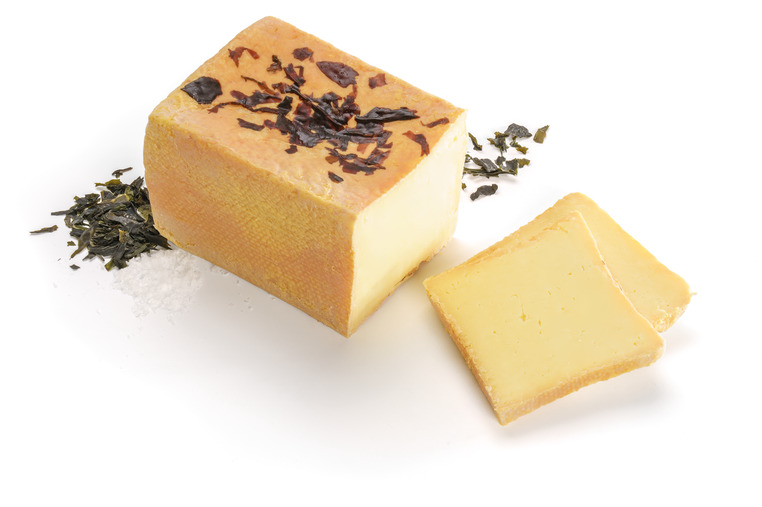
Product image of a cheese in a round wooden box with a print.

Mar 13, 2024 - 706132.png

Product image of a cheese next to a round wooden box with a print.

Mar 13, 2024 - 708338.png

Product image of a cheese next to a round black box with a print.

Mar 13, 2024 - 708341.png

Product image of a cheese next to a round black box with a print.

Manufacturer (distributor):

Manufacturer: Fromagerie Dongé in France Distributed by Fromi GmbH, 77694 Kehl – Auenheim

Reason for warning:

Suspected contamination with undesirable bacteria (Escherichia coli STEC)

Packaging Unit:

Counterware

Durability: Best before: March 31, 2024
Lot identification:

Batch number : RG040124BM

Additional Information:

Excerpt from the attached consumer information:

“The French company “Fromagerie Dongé” is recalling the following product:
Name: Brie de Meaux, Packaging type: Counterware, Batch number: RG040124BM, Best before: March 31, 2024, Identity code: FR 55.518.001 CE
due to suspected contamination with unwanted bacteria (Escherichia coli STEC).
These can lead to sometimes febrile gastrointestinal disorders, possibly with bleeding, within a few days (2-7) after consumption of contaminated products. Serious kidney complications, especially in children, are possible.
Consumers who have purchased this product , are asked not to consume it and to return it to the store where it was purchased.
People who have consumed the above product and are suffering from the symptoms described are asked to consult their doctor and advise against consuming the product.”

Click to access Verbraucherinformation.pdf

France – Goat’s white cheese – Listeria monocytogenes

Gov France

Product category
Food
Product subcategory
Milk and dairy products
Product brand name
The Gargilesse
Model names or references
Gagrilles white cheese in 340 g jar lot 64 and 65
Product identification
GTIN Batch Date
3770002595053 lot 65 Recommended consumption date 03/23/2024
3770002595053 lot 64 Recommended consumption date 03/22/2024
Packaging
340 g jar
Start/end date of marketing
From 03/07/2024 to 03/13/2024
Storage temperature
Product to keep in the refrigerator
Geographical sales area
Departments: INDRE (36)
Distributors
Auchan Chateauroux, Leclerc cap sud, crossroads market Paumule Le Pechereau, Intermarché St Marcel, Farmer’s taste Le Poinçonnet

Viet Nam – Banh mi eatery hauled over the coals for Salmonella poisoning.

VN Express

A sandwich shop in the Mekong Delta’s Soc Trang Province, where over 150 people recently suffered food poisoning, has been fined VND90 million (US$3,650) and shut for four months.

Thu Ha banh mi shop on Hai Ba Trung Street also has to shell out over VND380 million for the treatment of the victims, the Soc Trang People’s Committee ruled.

France – Haddock fillet – Histamine

Gov France

Product category
Food
Product subcategory
Fishing and aquaculture products
Product brand name
unbranded
Model names or references
Haddock fillet sold in the traditional seafood department.
Product identification
GTIN Batch Date
02095710 S240680150 Use-by date between 03/11/2024 and 03/13/2024
Packaging
sealed bag.
Start/end date of marketing
From 03/09/2024 to 03/11/2024
Storage temperature
Product to keep in the refrigerator
Geographical sales area
E. Leclerc Parisis (Nantes)
Distributors
E. Leclerc Parisis

France – Maroilles Sorbais AOP Ch’ti -Listeria monocytogenes

Gov France

Product category
Food
Product subcategory
Milk and dairy products
Product brand name
Ch’ti
Model names or references
Maroilles Sorbais AOP Ch’ti: Sorbais format only
Product identification
GTIN Batch Date
3340040000170 355 Minimum durability date 04/07/2024
3340040000170 355 Minimum durability date 04/08/2024
3340040000170 355 Minimum durability date 04/09/2024
3340040000170 355 Minimum durability date 04/12/2024
3340040000170 355 Minimum durability date 04/14/2024
3340040000170 355 Minimum durability date 04/15/2024
3340040000170 355 Minimum durability date 04/21/2024
3340040000170 355 Minimum durability date 04/22/2024
Start/end date of marketing
From 02/07/2024 to 04/22/2024
Storage temperature
Product to keep in the refrigerator
Health mark
FR 02 725 002 CE
Geographical sales area
Whole France
Distributors
Intermarché Nord Pas de Calais; Intermarché Oise; northern cora; Intermarché fismes; Sodival intermarket; Auchan sum; Auchan Nord Pas de Calais

USA – Nearly 100 Holland America cruise passengers become ill in Norovirus outbreak

USA Today

Nearly 100 Holland America Line passengers got sick in a norovirus outbreak.

Among 2,522 guests on the cruise line’s Koningsdam ship, 98 reported being ill, along with 12 crew members, according to the Centers for Disease Control and Prevention. Their main symptoms were diarrhea and vomiting.

Koningsdam is currently sailing a round-trip cruise visiting Hawaii and French Polynesia that departed from San Diego on Feb. 17, according to CruiseMapper. Holland America and the ship’s crew increased cleaning and disinfection and isolated sick passengers and crew following the outbreak, among other steps, the CDC said.

Sweden – Norvida recalls John’s mixed minced meat due to Salmonella

Livsmedelsverket

Norvida is recalling John’s mixed minced meat 500 grams because salmonella has been found. The product has been sold at COOP. 

USA – Spring Holidays are a Treat, Don’t Let Bacteria Ruin Your Feast

FSIS USDA

It’s a special time of year, where friends and family from coast to coast will gather for a rare occurrence: the three major holidays of Easter, Eid, and Passover all falling within the spring season. People who observe these faiths will gather with friends and family to enjoy traditional meals.

“The holiday season is a special time to gather with friends and family and enjoy traditional meals,” said USDA Under Secretary for Food Safety Dr. Emilio Esteban. “Whether you’re celebrating your Easter dinner with ham, Eid lunch with lamb, or Seder meal with brisket, remember to keep food safety at the forefront.”

These holiday meals often have cultural significance and may require foods to be prepared early, so that religious obligations are completed prior to gathering and enjoying the meals. This provides an extended opportunity for foodborne illness to ruin major holiday dishes. The U.S. Department of Agriculture’s (USDA) Food Safety and Inspection Service (FSIS) wants to keep your celebrations going with some tips on how not to be at risk for foodborne illness.

Here are six pieces of advice from the USDA to keep your holiday meals safe:

#1 Keep Hands Clean Before, During, and After Food Prep

Handwashing is the first step to avoiding foodborne illness. In a recent USDA study, 96% of handwashing attempts failed due to not including all the necessary steps. Wash your hands for at least 20 seconds with soap and water before and after handling food and when switching between ingredients.

#2 Prevent Cross-Contamination of Surfaces and Foods

Cross-contamination is the spread of bacteria from raw meat and poultry onto ready-to-eat food, surfaces, and utensils. Avoid this by using separate cutting boards — one for raw meat and poultry, and another for ready-to-eat foods such as fruits and vegetables. Clean and sanitize any areas where meat and poultry have touched before and after cooking. Cleaning with soap and water physically removes the germs, and sanitizing kills any that may remain. Many different sanitizers can be used: an easy homemade version is to make a solution of 1 tablespoon of liquid chlorine bleach per gallon of water, or you can use a commercial sanitizer or sanitizing wipe.

#3 Thaw Meat and Poultry Safely

Leaving any frozen package of meat or poultry for more than two hours on the counter at room temperature is dangerous. Even though the center of the package may still be frozen, the outer layer of the food is in the “Danger Zone” between 40 and 140 F — a temperature where foodborne bacteria multiply rapidly and cause foodborne illness. Plan for refrigerator, cold water, or microwave thawing instead.

#4 Cook to a Safe Internal Temperature

Color is never a reliable indicator of safety and doneness. Use a food thermometer to ensure the following safe internal temperatures:

  • Cook fish to 145 F.
  • Cook beef, pork, lamb and veal steaks, chops and roasts to 145 F. For safety and quality, allow meat to rest for at least three minutes before carving or consuming.
  • Ham, fresh or smoked (uncooked): 145 F
  • Cook ground meats, including beef, pork, lamb and veal to 160 F.
  • Cook egg dishes to 160 F.
  • Cook poultry (whole or ground) to 165 F.

When reheating already cooked meat, poultry or egg items that have cooled, they should be reheated to at least 165 °F. USDA recommends reheating cooked meat, poultry or egg products on the stove top, in the oven, or in a microwave.

#5 Keep Hot Foods Hot, and Cold Foods Cold

Food should not be left in the Danger Zone for more than two hours (called the two-hour rule). After two hours, bacteria can reach dangerous levels that can cause foodborne illness. Perishable foods, such as kebabs or brisket, should be discarded if left out for longer than two hours.

To prevent food waste, refrigerate or freeze perishable items within two hours, or keep hot foods hot and cold foods cold. Keep cold foods at a temperature of 40 F or below by keeping food nestled in ice or refrigerated until ready to serve. Keep hot foods at a temperature of 140 F or above by placing food in a preheated oven, warming trays, chafing dishes or slow cookers.

#6 Use or Freeze Leftovers within Four Days

Leftovers (including appetizers, side dishes and main courses) should be stored within two hours of cooking. Divide leftovers into smaller portions and refrigerate or freeze them in shallow containers, which helps leftovers cool quicker than storing them in large quantities. Place leftovers into airtight containers to help keep bacteria out and retain moisture.

Leftovers can be kept in the refrigerator for three to four days or frozen for three to four months. Although safe indefinitely, frozen leftovers can lose moisture and flavor when stored for longer times in the freezer.

USA – FDA recalls hamster and gerbil feed over Salmonella contamination

Pet Food Industry

Central Valley Ag Cooperative is voluntarily recalling several lGS Hamster/Gerbil + Turmeric bulk super sacks after testing detected the possible presence of Salmonella.

The Food and Drug Administration (FDA) announced a voluntary recall of batches of a hamster and gerbil feed after an ingredient tested positive for Salmonella.

According to a report at NewsweekCentral Valley Ag Cooperative initiated a voluntarily recall on February 26 for several lGS Hamster/Gerbil + Turmeric bulk super sacks after testing detected the possible presence of salmonella. The products affected bear the lot code B0624179808 11399 OXBOW and have a best-by date of 2/6/2026.

Research 2019 Outbreak – Manchester Royal Infirmary: Hospital patients died after eating chicken sandwiches suspected of containing listeria, inquest hears

Sky News

The women, with underlying health conditions, died days after eating the pre-prepared sandwiches – prompting an investigation into a national listeria outbreak, with cases outside the hospital.