Research – New Zealand Food Safety on track to meet Campylobacteriosis-reduction target

MPI

New Zealand Food Safety is approaching its target to reduce rates of campylobacteriosis, the country’s most common foodborne illness, a new report published today has found.

Annual report concerning Foodborne Diseases in New Zealand 2023 [PDF, 5 MB]

The report, prepared for New Zealand Food Safety by the Institute for Environmental and Scientific Research (ESR), found that the rate of New Zealand-acquired foodborne illness caused by the bacteria Campylobacter has fallen from 88 to 77 cases per 100,000 population over the past 4 years.

“New Zealand Food Safety has made reducing campylobacteriosis rates a key priority, and we’ve made great strides in recent years,” says New Zealand Food Safety deputy director-general Vincent Arbuckle.

“Rates of infection more than halved between 2006 and 2020. In 2020 we set a target to reduce the rate by a further 20%, taking it to 70 cases per 100,000 by the end of 2024.

“These latest results show this goal is in sight, which is a testament to the combined and sustained work of government and industry over time.

“The Campylobacter Action Plan, put in place to help tackle the issue, mainly focuses on steps to reduce the levels of Campylobacter through the poultry food chain. We have worked with government, industry and NGOs right across the poultry food chain through the Campylobacter governance group with representatives from Ministry of Health, Poultry Industry Association of New Zealand, Foodstuffs North Island, Foodstuffs South Island, Woolworths NZ, and Consumer NZ.”

Campylobacter Action Plan

The poultry industry has continued to improve processing practices over time, resulting in a sustained reduction in the proportion of birds that have detectable levels of Campylobacter at the end of primary processing.

While changes in the food supply chain have achieved good results, consumer awareness remains an important part of the effort, Mr Arbuckle says.

“We know that about half of all foodborne illness is caused at home. These illnesses can be prevented with good food preparation techniques as well as proper cooking and storage.

“To support prevention of Campylobacter at home we run public education campaigns which focus on giving people information they can use to keep themselves safe.

“While it is rewarding to see campylobacteriosis rates falling, there is more work to do. The symptoms of campylobacteriosis can be unpleasant for healthy adults and the consequences for the very young and people over 65 can be serious.”

The report also provides data on other foodborne illnesses in New Zealand, including listeriosis, which remains steady with 37 cases notified this year, Mr Arbuckle said.

Listeria is common in the environment and while case of illness are low, listeriosis can have tragic consequences, including death. Of the notified cases, 26 people were in the 60-plus age group, and 7 people died with listeriosis this year.

“There are a range of practical measures people can take at home to reduce their risk from Listeria. More information is available on our website.

Listeria infection: symptoms and advice

New Zealand Food Safety ran a Listeria education campaign in June targeting pregnant people and those aged over 60.

By the numbers:

  • 76.8 campylobacteriosis cases per 100,000 population, with 4,010 cases domestically acquired
  • 989 hospitalised with campylobacteriosis, with 325 in the over-70 age group – the highest number of hospitalisations across all age groups
  • 37 cases of listeriosiswith 7 deaths. 26 of these cases occurred in people aged over 60.

Media release: Simple steps to avoid life-threatening listeriosis

Campylobacter infection: symptoms and advice

For further information and general enquiries, call MPI on 0800 00 83 33 or email info@mpi.govt.nz

For media enquiries, contact the media team on 029 894 0328.
Anatomy of An Outbreak: Boar’s Head, Liverwurst, and Listeria monocytogenes

EFood Alert

On August 28, 2024, the US Centers for Disease Control and Prevention (CDC) revealed that Listeria monocytogenes-contaminated deli meats were responsible for 57 illnesses in 18 states.

All 57 outbreak victims were hospitalized.

Nine people are dead.

Read the interesting article at the link above.

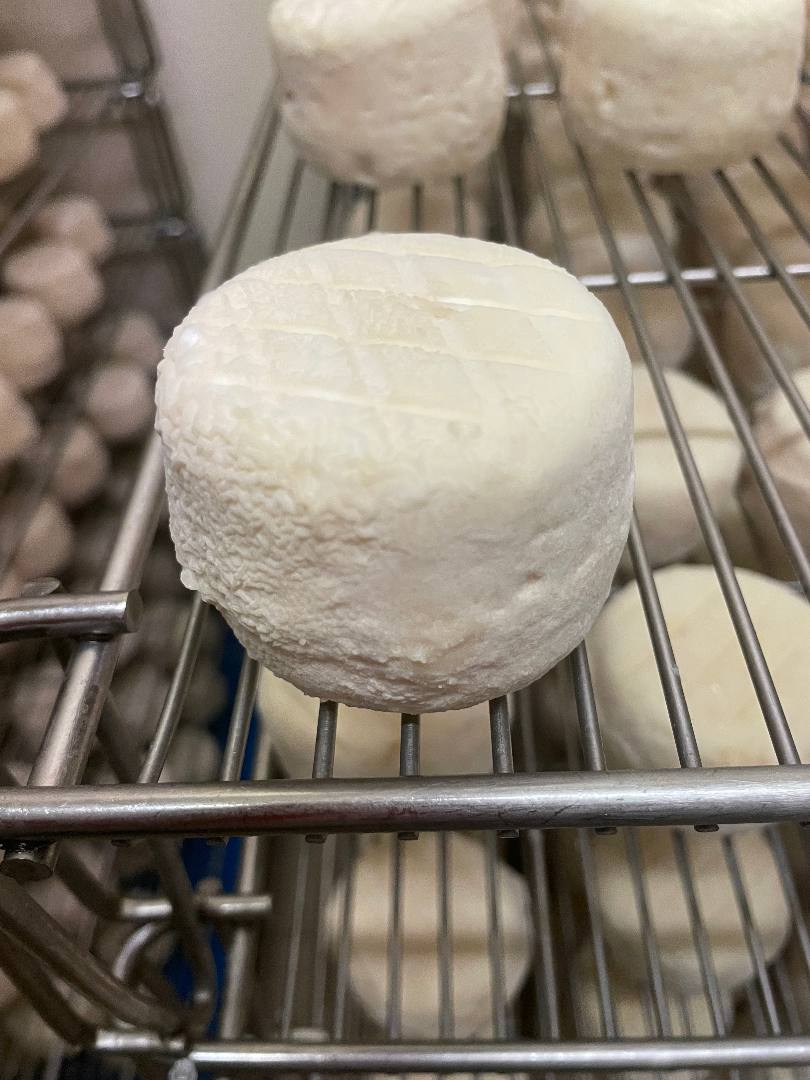
France – Raw milk goat cheese – STEC E.coli O103

Gov France

Product Category
Food
Product subcategory
Milk and dairy products
Product brand name
chavignol droppings,
Model names or references
CHAVIGNOL CROTTINS
Product identification
Batch
08/08 09/08 10/08 13/08 15/08
Packaging
naked at the request of the consumer
Start/End of marketing date
From 08/09/2024 to 09/03/2024
Storage temperature
Product to be kept in the refrigerator
Geographic area of ​​sale
Whole France
Distributors
THE CHAPOTON FARM 2 ROUTE DE SANCERRE 18300 MENETOU RATEL

France – More Mussel Product with Incorrect Use BY Date – Food Safety

Gov France

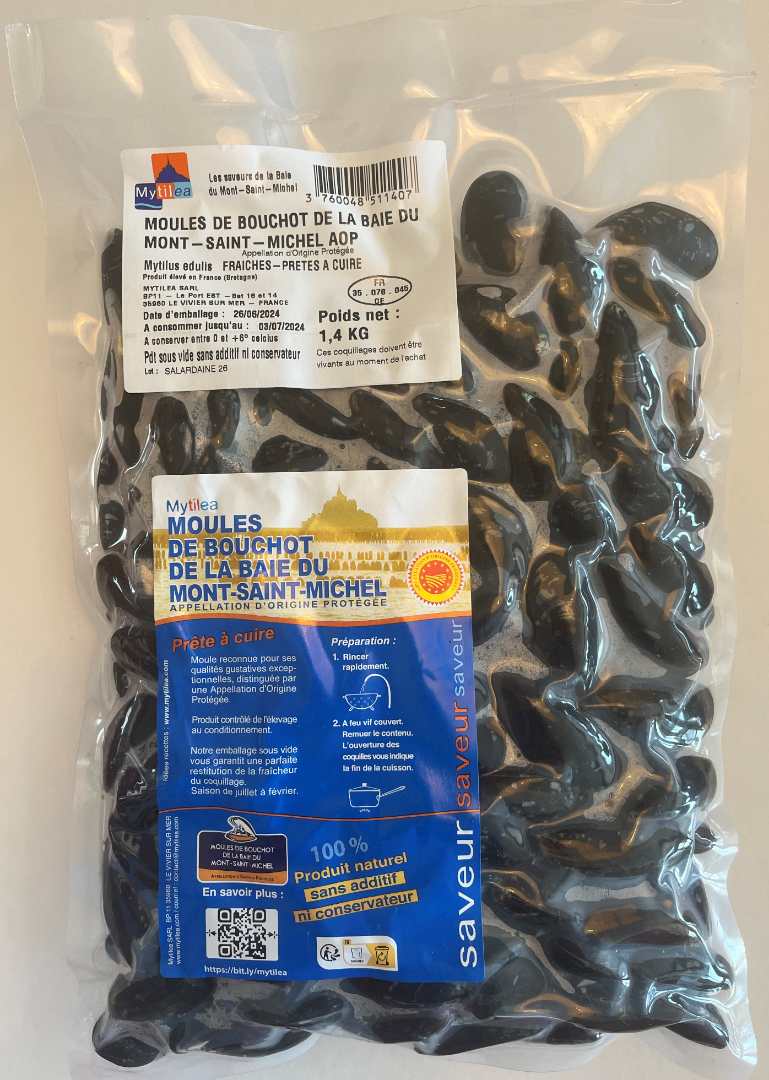
BOUCHOT MUSSELS FROM THE BAY OF MT ST MICHEL AOP

France – Food Safety – Various Mussel Products – Incorrect Use By Dates

Gov France

Bouchot mussels from the Bay of Mont Saint Michel

Gov France

Bouchot mussels from the Bay of Mont Saint Michel

Gov France

Bouchot Chausey mussels

Gov France

Bouchot mussels from the Bay of Mont Saint Michel

Gov France

Bouchot mussels Traditional specialty guaranteed

Gov France

STG Bouchot mussels from Saint Brieuc

Gov France

BOUCHOT MUSSEL AOP ST MICHEL

Gov France

BOUCHOT MUSSEL STG 1.4KG

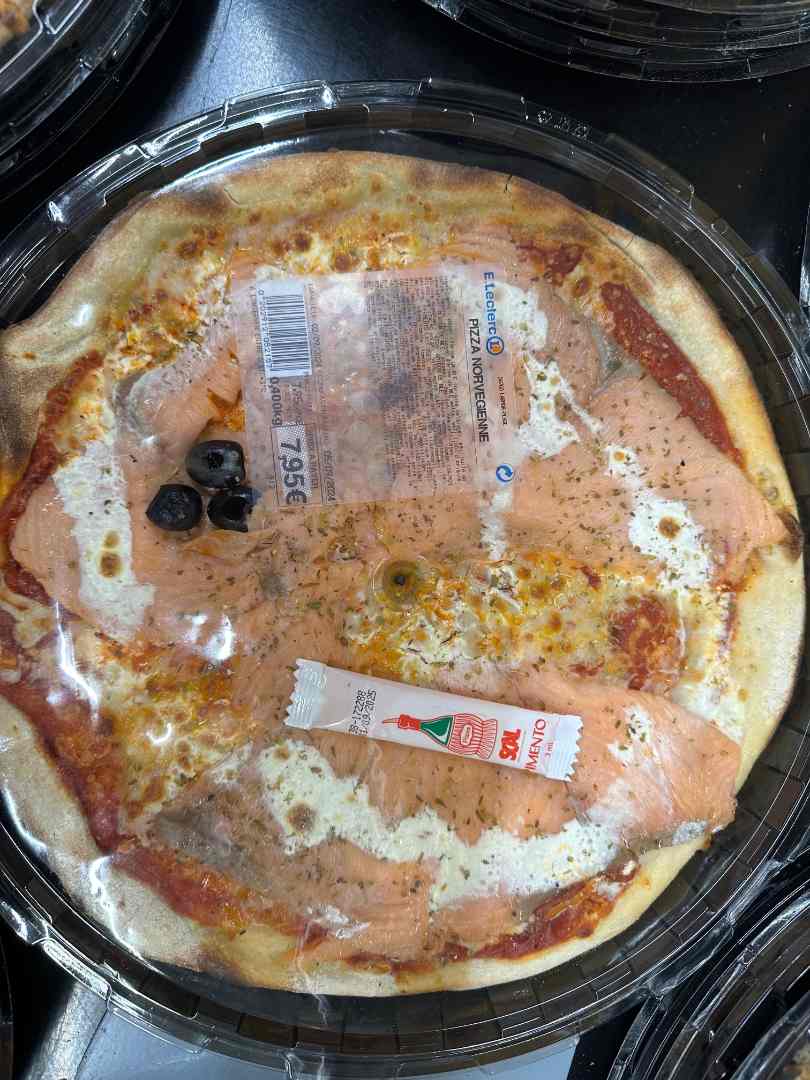
France – Norwegian Pizza (2 sizes: whole and half) – Listeria monocytogenes

Gov France

Product Category
Food
Product subcategory
Prepared meals and snacks
Product brand name
UNBRANDED
Model names or references
Norwegian Pizza 400 g and Half Norwegian Pizza 200 g. Product prepared in store, then sold in the LS delicatessen section by the E.LECLERC store in LARMOR-PLAGE.
Product identification
GTIN Batch Date
0202912000000 Packing date: 08/14/24 + 08/15/24 + 08/16/24 + 08/17/24 + 08/19/24 Expiry date between 08/17/2024 and 08/22/2024
0202929000000 Packing date: 08/14/24 + 08/15/24 + 08/16/24 + 08/17/24 + 08/19/24 Expiry date between 08/17/2024 and 08/22/2024
List of products
POSTER_NORWEGIAN_PIZZA_with_smoked_salmon_incriminated_AUGUST_2024.pdfAttachment
Packaging
Packaging of whole pizza in 400 g and half pizza in 200 g
Start/End of marketing date
From 08/14/2024 to 08/19/2024
Storage temperature
Product to be stored at room temperature
Health mark
/
Additional information
The Norwegian pizzas sold in our self-service bin contain smoked salmon. A batch of smoked salmon (GUYADER) has been the subject of a recall alert due to listeria contamination. These pizzas, with this batch of incriminated smoked salmon, were sold between 08/14/2024 and 08/19/2024.
Geographic area of ​​sale
Sale in self-service bin
Distributors
E.LECLERC of Larmor-Plage

Research – Monophasic variant of Salmonella Typhimurium 4,[5],12:i:- outbreak: an investigation by the Competent Authority – Italy in Roasted Pork

Italian Journal of Food Safety

Foodborne diseases represent a significant public health issue, regarding both collective health and the economy, with implications for healthcare costs and agribusiness. This paper shows the description and results of the investigation of a Salmonella enterica subsp. enterica foodborne outbreak that occurred in the Marche Region (Italy) in 2022, linked to the consumption of a roasted pork product (porchetta).

As part of the outbreak investigations discussed in this article, molecular analysis to evaluate the genomic correlation between clinical, food, and environmental origin strains was carried out. All Salmonella strains of different origins were serotyped as monophasic variants of Salmonella Typhimurium with an antibiotic-resistance pattern and an allelic profile such as to define the “cluster strain” allowing the correlation between clinical and food/environmental strains, definitively confirmed by whole genome sequencing analysis.

Following the laboratory evidence, corrective measures at the porchetta processing plant and at the retail stores involved were carried out by the Local Animal Based Food Hygiene Service. The results of this study show that effective intervention is only possible if efficient data exchange, standardized procedures, and staff training are guaranteed. The latter aspect also concerns the food business operator, who must take appropriate measures to minimize the risk.

USA – Campylobacter Outbreak tied to Paradise Grove Dairy Raw Milk

Food Poison Journal

Idaho Public Health officials are investigating recent reports of 18 people who recently experienced symptoms of, and tested positive for, Campylobacter, and who also reported purchasing and drinking unpasteurized (raw) milk from Paradise Grove Dairy. The Idaho Division of Public Health is collaborating with Central District Health (CDH), Eastern Idaho Public Health (EIPH), and Idaho State Department of Agriculture (ISDA) in the ongoing investigation.

Since July 24, 18 people tested positive for campylobacteriosis, a bacterial infection. All 18 reported drinking raw milk, and 17 reported drinking raw milk produced by Paradise Grove Dairy in Jefferson County prior to getting sick. Paradise Grove Dairy distributes milk to numerous stores across southern Idaho. CDH and EIPH are conducting interviews with sick people

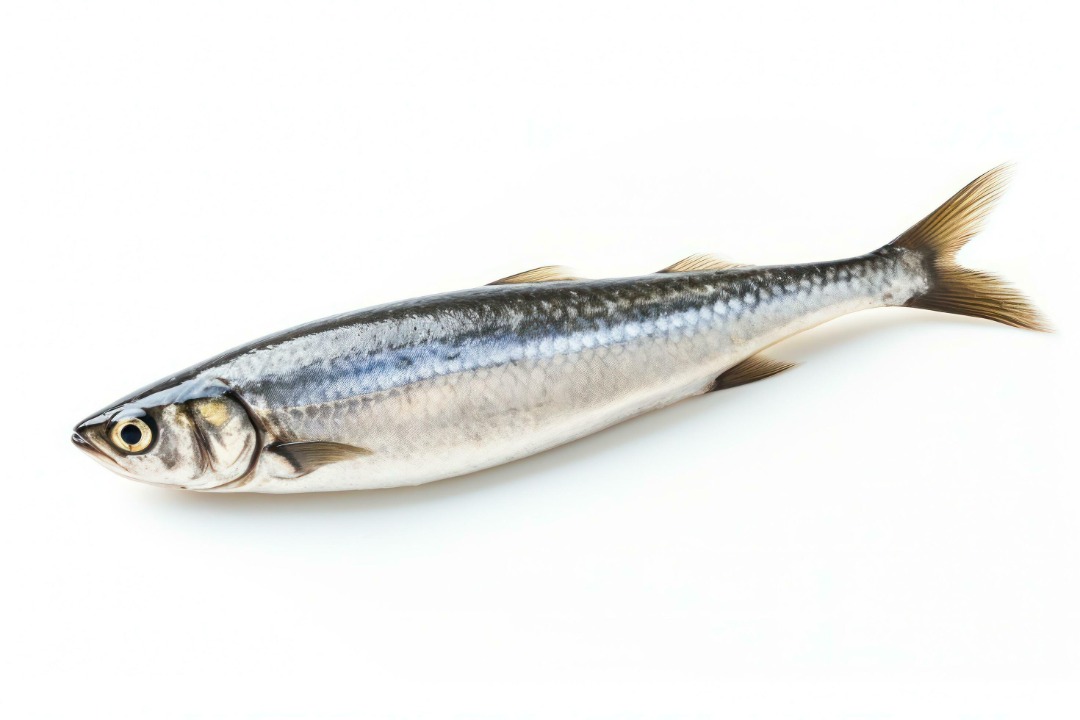
France – Ready to cook sardines – Histamine

Gov France

Product Category
Food
Product subcategory
Fishery and aquaculture products
Product brand name
Unbranded
Model names or references
Ready-to-cook sardines sold in the fishmonger’s department, traditional stand
Product identification
GTIN Batch
00000000000000 No lot sold at the traditional stand
Packaging
On customer request in different weights
Start/End of marketing date
From 08/16/2024 to 08/19/2024
Storage temperature
Product to be kept in the refrigerator
Additional information
The product was sold in the fishmonger’s stand between 08/16/2024 and 08/19/2024 inclusive
Geographic area of ​​sale
Regions: Hauts-de-France
Distributors
Leclerc Noeux-Les-Mines

USA – Boar’s Head plant linked to deadly outbreak broke food safety rules dozens of times, records show

ABC7 NY

Jarratt, Virginia — A Boar’s Head deli meat plant in Virginia tied to a deadly food poisoning outbreak repeatedly violated federal regulations, including instances of mold, insects, liquid dripping from ceilings, and meat and fat residue on walls, floors and equipment, newly released records show.

Agriculture Department officials logged 69 instances of “noncompliance” with federal rules in the past year, including several in recent weeks, according to documents released through federal Freedom of Information Act requests.

The Jarratt, Virginia, plant has been linked to the deaths of at least nine people and hospitalizations of about 50 others in 18 states. All were sickened with listeria after eating Boar’s Head Provisions Co. Inc. deli meats. The company recalled more than 7 million pounds of products last month after tests confirmed that listeria bacteria in Boar’s Head products were making people sick.