New Zealand – Eight fast facts about toxic shellfish poisoning

MPI

With warmer weather on the way, Kiwis all over the motu will be heading to the beach to enjoy the sea’s bounty. But before you go gathering shellfish, New Zealand Food Safety deputy director-general Vincent Arbuckle has some fast facts to share about toxic shellfish poisoning and how to keep yourself, your whanau and friends safe.

1. New Zealand hasn’t had a toxic shellfish poisoning outbreak for a decade

Toxic shellfish poisoning can cause serious illness and can even be fatal. Fortunately, we haven’t had an outbreak of toxic shellfish poisoning since 2014, when 13 people fell ill.

New Zealand Food Safety works hard to keep it that way by monitoring key recreational shellfish harvesting areas around the country for biotoxins.

2. New Zealand Food Safety regularly tests water and shellfish for biotoxins to keep the public safe

New Zealand Food Safety has more than 40 monitoring sites, with water tested weekly for toxic algae and shellfish tested fortnightly for biotoxins. The commercial shellfish industry also provides their own biotoxin monitoring data from more than 30 sites, giving us even greater coverage.

If shellfish are found to contain biotoxins at unsafe levels, we issue public health warnings and post signs at affected beaches. In 2023 we issued 17 biotoxin alerts.

3. Cooking does not destroy biotoxins

It’s important to know that cooking will not make toxic shellfish safe to eat, because cooking doesn’t destroy biotoxins.

If anyone becomes ill after eating shellfish from an area where a public health warning has been issued, phone healthline for advice on 0800 61 11 16, or seek medical attention immediately. We advise that you also contact your nearest public health unit and keep any leftover shellfish for testing.

4. Shellfish become poisonous by feeding on toxic algae

Shellfish with 2 shells (bivalve shellfish) can each filter more than 200 litres of water a day. They do this to filter out microscopic algae (called phytoplankton) and other particles as a food source. If these algae are toxic, the biotoxins can build up in the shellfish, making them poisonous. Generally, the more toxic algae there are in the water, the more toxic the shellfish get.

5. Bivalve shellfish are the most affected by biotoxins

Shellfish affected by biotoxins usually include bivalves like mussels, oysters, tuatua, pipi, toheroa, cockles and scallops. But pūpū (cat’s eyes) and Cook’s turban and can also have elevated levels of some biotoxins.

Generally, you can still eat pāua, crab and crayfish, but only if you remove the gut before cooking, as biotoxins accumulate in the gut. Finfish are not affected by biotoxins from algal blooms, but we advise discarding the liver before cooking. 

6. Not all species of phytoplankton are toxic

Phytoplankton are photosynthetic microscopic algae, meaning that, just like plants, they use the sunshine to grow. And, like plants, they also need nutrients (which they get from the water) to grow.

If conditions are right, phytoplankton can multiply to high numbers and form algal blooms. Most species of phytoplankton are harmless, but some can naturally produce highly toxic chemicals we call marine biotoxins.

7. Algal blooms occur naturally under particular conditions

Algal blooms usually occur naturally when wind and water currents are favourable for their growth. Causes can include slow water circulation or unusually high water temperatures. Some blooms have happened after extreme weather events like cyclones, floods, or drought.

New Zealand Food Safety does extra monitoring during a toxic algal bloom to track its spread and see how it is affecting different kinds of shellfish.

8. There are 4 main types of toxic shellfish poisoning in New Zealand

Paralytic shellfish poisoning (PSP) is potentially the most serious of the 4 main types of toxic shellfish poisoning found in NZ.

PSP symptoms usually appear within 10 minutes to 3 hours of eating and may include:

  • numbness and tingling around the mouth, face, hands, and feet
  • difficulty swallowing or breathing
  • dizziness and headache
  • nausea and vomiting
  • diarrhoea
  • paralysis and respiratory failure
  • and, in severe cases, death.

If you suspect someone has PSP poisoning after eating shellfish from an area where we have issued a public health warning, seek medical attention immediately.

Information – Listeria, a deadly foodborne pathogen

Food Poison Journal

kswfoodworld

The deadliest foodborne pathogen in terms of fatality rates is often considered to be *Listeria monocytogenes*. While infections from Listeria are less common compared to other pathogens like Salmonella or E. coli, the consequences can be much more severe, especially for certain high-risk populations. Read more at  the link above.

Belgium – Different cheeses from Fromagerie Sainte Godeleine in France – Listeria monocytogenes

AFSCA

Sainte Godeleine Cheese Factory

10/14/2024 (Update of the recall of 10/10/2024)

Following a notification via the RASFF system (European Rapid Alert System for Food and Feed), the AFSCA is withdrawing from sale various cheeses from “Fromagerie Sainte Godeleine en France” and recalling them from consumers due to the possible presence of Listeria Monocytogenes.

The AFSCA asks that you do not consume these products and return them to the point of sale where they were purchased.

Product Description:

Picture
FRUITE DU CAP GRIS NOSE 230G
  • Product name: FRUITE DU CAP GRIS NEZ 230G
  • Expiry dates (DDM): between 07/10/2024 and 02/11/2024
  • Manufacturer identification number: FR-62-889-001-CE

Picture
WISSANT SAND 400G
  • Product name: SABLE DE WISSANT 400G
  • Expiry date (BDD): between 07/10/2024 and 02/11/2024
  • Manufacturer identification number: FR-62-889-001-CE

Picture
THE HOT BOX 230G
  • Product Name: HOT BOX 230G
  • Expiration date (DDM): 10/22/2024
  • Manufacturer identification number: FR-62-889-001-CE

Picture
AUDRESSELLES FLOWER 400G
  • Product name: FLEUR D’AUDRESSELLES 400G
  • Expiry dates (DDM): between 07/10/2024 and 02/11/2024
  • Manufacturer identification number: FR-62-889-001-CE

Picture
FORT D'AMBLETEUSE 400G
  • Product name: FORT D’AMBLETEUSE 400G
  • Expiry date (BDD): between 07/10/2024 and 02/11/2024
  • Manufacturer identification number: FR-62-889-001-CE

Picture
The Blerliot 230g
  • Product name: Le Blerliot 230g
  • Expiry dates (BDD): 12/10/2024 & 02/11/2024

Picture
Petit Touquet 200g
  • Product name: Petit Touquet 200g
  • Expiration date (DDM): 10/17/2024

Picture
SMALL CALAIS PAVE 200 GR
  • Product name: SMALL PAVE DE CALAIS 200 GR
  • Expiry date (BDD): between 07/10/2024 and 02/11/2024
  • Manufacturer identification number: FR-62-889-001-CE

The products were sold through various outlets.

For any further information , you can contact the AFSCA contact point for consumers: 0800/13.550 or  pointdecontact@afsca.be.

Information – Norovirus is the most common foodborne pathogen

Food Poison Journal

Norovirus is one of the most common causes of foodborne illness worldwide, and several factors contribute to its prevalence:

Only a small number of virus particles (as few as 18) are needed to cause infection, making it extremely easy to contract.

Norovirus spreads quickly through contaminated food, water, surfaces, and direct person-to-person contact. It can remain viable on surfaces for extended periods, allowing it to infect others.

Consuming foods or beverages contaminated with Norovirus is a common way of transmission, especially if food handlers are infected and practice poor hygiene.

Close contact, especially in crowded environments such as schools, cruise ships, hospitals, and nursing homes, facilitates transmission.

Read More at the link above.

France – PINK TROUT FILLET 4 KG – Salmonella

Gov France

Product Category
Food
Product subcategory
Fishery and aquaculture products
Product brand name
unbranded
Model names or references
salmon trout fillet
Product identification
Batch
18057 BL
Start/End of marketing date
From 08/10/2024 to 10/10/2024
Storage temperature
Product to be kept in the refrigerator
Health mark
27.003.001
Geographic area of ​​sale
Whole France
Distributors
GMS/RHD

France – Superior Cooked Ham, Skinless and Defatted – Listeria monocytogenes

Gov France

Product Category
Food
Product subcategory
Meats
Product brand name
U
Model names or references
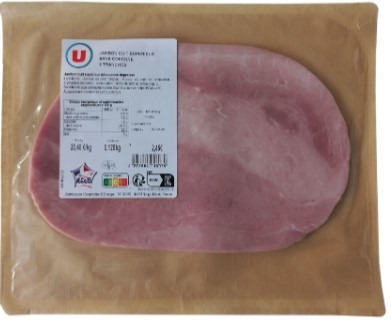
Superior Cooked Ham, Skinless and Defatted, U Brand
Product identification
Batch Date
01297174 Expiry date 11/11/2024
Start/End of marketing date
From 09/28/2024 to 10/03/2024
Storage temperature
Product to be kept in the refrigerator
Geographic area of ​​sale
The White
Distributors
U Express Le Blanc

USA – Missouri LongHorn Steakhouse linked to 68 Shigella Illnesses

Food Poison Journal

The St. Clair County Health Department (SCCHD) and Illinois Department of Public Health (IDPH) continue to investigate the outbreak of Shigellosis caused by Shigella bacteria, a disease that affects your digestive system. As of October 11, 2024, the SCCHD has identified 24 individuals with positive Shigella lab reports and an additional 44 individuals reporting illness consistent with Shigellosis after dining at the LongHorn Steakhouse located at 6115 North Illinois Street, in Fairview Heights, Illinois between the dates of September 20th and September 30th, 2024. Age range of those affected are from age 12 to 80 years of age. A total of nine (9) people have been hospitalized.

LongHorn Steakhouse officials voluntarily closed the Fairview Heights establishment on October 2, 2024 and have fully cooperated with SCCHD and IDPH on the investigation to determine the source of the infections. SCCHD has performed environmental assessments of the restaurant and provided corrective actions and guidance in consultation with IDPH on safe food handling practices, proper handwashing protocols and professional environmental cleaning services to prevent further spread of disease.

Sweden- An outbreak of Salmonella Enteritidis with a probable connection to imported eggs is being investigated.

Folkhalsomyndigheten

2024-10-10

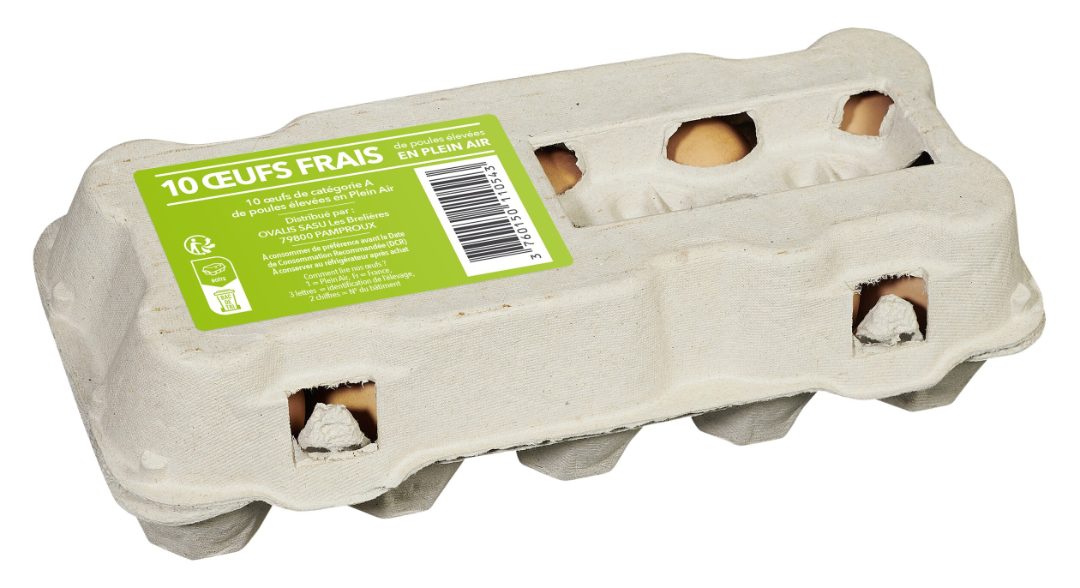
Since the beginning of the year, several accumulations of disease cases with Salmonella Enteritidis have been identified where epidemiological investigations have pointed to the consumption of imported eggs. The eggs have been sold both to private individuals in shops that do not belong to the larger chains and to restaurants. Several of the disease cases have consumed soft-boiled eggs or unheated eggs in, for example, mayonnaise, béarnaise sauce, Skagen scrambled eggs and pasta carbonara. On several occasions, eggs from private individuals, from shops and from restaurants have been analysed, however, without salmonella being able to be detected.

To avoid becoming infected, raw eggs or foods with raw eggs from countries other than Sweden, Norway, Finland and Denmark should not be consumed. The risk of infection when consuming such eggs is avoided by heating the whole egg, including the yolk, or the food containing eggs (see the Swedish Food Agency’s recommendations under Read more).

Continued investigative work takes place in collaboration between regional infection control, municipalities, the Swedish Food Agency and the Public Health Agency.

USA – Milo’s Salmonella Egg Outbreak sickens 65

Food Poison Journal

hazegg.jpg

The FDA and CDC are assisting state and local partners from the Wisconsin Department of Agriculture Trade and Consumer Protection and Wisconsin Department of Health Services in an investigation of Salmonella Enteritidis infections linked to eggs supplied by Milo’s Poultry Farms, LLC of Bonduel, Wisconsin (WI).

As of September 6, 2024, a total of 65 people infected with the outbreak strain of Salmonella have been reported from nine states. Illnesses started on dates ranging from May 23, 2024 to August 10, 2024. Of the 63 people with information available, 24 have been hospitalized and no deaths have been reported.

Luxembourg – Wilderness Pure Snack Horse Lungs from REAL NATURE – Salmonella

SAP

The following product is recalled in Luxembourg:

Name Wilderness Pure Snack Horse Lungs
Brand REAL NATURE
Unit 150 g
Related lot
Use-by date (UBD) – Batch 10/03/2027 – 000012145

28/02/2027 – 000012118

Danger: Possible presence of Salmonella

Salmonella can cause symptoms such as loss of appetite, vomiting, abdominal pain, diarrhea, fever and lethargy after consumption in fragile animals (very young, old, weakened). In healthy animals, salmonella generally causes few or no symptoms. When the animal has eaten the product in question and presents these symptoms, its owner is advised to consult a veterinarian and report this consumption.

In the absence of symptoms, animals can be healthy carriers of salmonellosis, i.e. excrete salmonella in their stools without being sick. A risk of contamination via the excrement of the animal having consumed the product or directly via the contaminated food therefore exists for all persons in contact with the animal or the food concerned. 

The product can be distributed by different points of sale in Luxembourg.