USA – Pet foods in this huge Salmonella recall may also cause human illness from handling

Food Safety News

Human risk of illness is on the rise due to the handling of contaminated pet foods named in a massive recall by Evansville, IN-based Midwestern Pet Foods.

Specific cat and food brands including   CanineX, Earthborn Holistic, Venture, Unrefined, Sportmix Wholesomes, Pro Pac, Pro Pac Ultimates, Sportstrail, Sportmix, and Meridian brands produced at its Monmouth, IL production facility because they have the potential to be contaminated with Salmonella.

A full list of recalled products is included in this announcement.  In addition to the risk to humans, Salmonella can affect animals eating the products.

Surfaces not thoroughly washed after having contact with the products or any surfaces exposed to these products are at risk.

People infected with Salmonella should monitor themselves for some or all of the following symptoms: nausea, vomiting, diarrhea or bloody diarrhea, abdominal cramping, and fever.  Salmonella can result in serious ailments, including arterial infections, endocarditis, arthritis, muscle pain, eye irritation, and urinary tract symptoms. Consumers exhibiting these signs after having contact with this product should contact their healthcare providers.

Pets with Salmonella infections may be lethargic and have diarrhea or bloody diarrhea, fever, and vomiting. Some pets will have only decreased appetite, fever, and abdominal pain. Infected but otherwise healthy pets can be carriers and infect other animals or humans. If your pet has consumed the recalled product and has these symptoms, please contact your veterinarian. No human or pet illnesses have been reported to date.

Products were distributed to retail stores nationwide and to online retailers.

Sri Lanka – Company importing unrefined coconut oil fails second Aflatoxin test

Adaderana

A company that imported unrefined coconut oil containing the carcinogen Aflatoxin has failed its second quality test as well, the Sri Lanka Standards Institution (SLSI) stated.

The company in question has failed due to its test reports indicating an overdose of Aflatoxin in the imported oil.

Accordingly, the company will have to re-export the relevant oil stocks.

Meanwhile, 03 more companies have appealed for a second test of their samples and their reports are due tomorrow (29).

Several companies are currently re-testing samples of imported unrefined coconut oil containing the potent carcinogen Aflatoxin.

These tests are carried out by the SLSI, the Food Safety Unit of the Ministry of Health, and the Industrial Technology Institute (ITI).

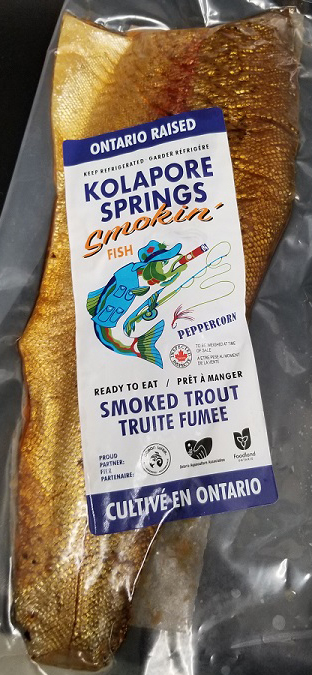
Canada – Food Recall Warning – Kolapore Springs brand smoked trout products recalled due to potential presence of dangerous bacteria – Clostridium botulinum

CFIA

Recall date:
March 26, 2021
Reason for recall:
Microbiological – Clostridium botulinum
Hazard classification:
Class 1
Company / Firm:
North Shore Specialty Foods
Distribution:
Ontario
Extent of the distribution:
Consumer

Recall details

Ottawa, March 26, 2021 – North Shore Specialty Foods is recalling Kolapore Springs brand smoked trout products from the marketplace because they may permit the growth of Clostridium botulinum. Consumers should not consume the recalled products described below.

Recalled products

Brand Product Size UPC Codes
Kolapore Springs Smoked trout Variable 6 27987 16383 4 All best before dates up to and including 2021 MR 31
Kolapore Springs Smoked trout, Peppercorn Variable 6 27987 16383 4 All best before dates up to and including 2021 MR 31

What you should do

If you think you became sick from consuming a recalled product, call your doctor.

Check to see if you have the recalled products in your home. Recalled products should be thrown out or returned to the store where they were purchased.

Food contaminated with Clostridium botulinum toxin may not look or smell spoiled but can still make you sick.

Symptoms in adults can include facial paralysis or loss of facial expression, unreactive or fixed pupils, difficulty swallowing, drooping eyelids, blurred or double vision, difficulty speaking, including slurred speech, and a change in sound of voice, including hoarseness.

Symptoms of foodborne botulism in children can include difficulty swallowing, slurred speech, generalized weakness and paralysis. In all cases, botulism does not cause a fever. In severe cases of illness, people may die.

Background

This recall was triggered by Canadian Food Inspection Agency (CFIA) test results. The CFIA is conducting a food safety investigation, which may lead to the recall of other products. If other high-risk products are recalled, the CFIA will notify the public through updated Food Recall Warnings.

The CFIA is verifying that industry is removing the recalled products from the marketplace.

Illnesses

There have been no reported illnesses associated with the consumption of these products. this active outbreak investigation.

Product photos

Printer ready version of photos

  • Kolapore Springs - Smoked trout
  • Kolapore Springs - Smoked trout, Peppercorn

Public enquiries and media

Company information
North Shore Specialty Foods: 1-705-606-1377 (Sean)
Public enquiries
Toll-free: 1-800-442-2342 (Canada and U.S.)
Telephone: 1-613-773-2342 (local or international)
Email: cfia.enquiries-demandederenseignements.acia@canada.ca
Media relations
Telephone: 613-773-6600
Email: cfia.media.acia@canada.ca

USA – Midwestern Pet Foods Voluntarily Recall Due to Possible Salmonella Health Risk

FDA

Midwestern Pet Foods, Evansville, Indiana is issuing a voluntary recall of specific expiration dates of certain dog and cat food brands including CanineX, Earthborn Holistic, Venture, Unrefined, Sportmix Wholesomes, Pro Pac, Pro Pac Ultimates, Sportstrail, Sportmix and Meridian brands produced at its Monmouth, Illinois Production Facility because they have the potential to be contaminated with Salmonella. A full list of recalled products may be found at the end of this announcement.

Salmonella can affect animals eating the products and there is risk to humans from handling contaminated pet products, especially if they have not thoroughly washed their hands after having contact with the products or any surfaces exposed to these products.

Healthy people infected with Salmonella should monitor themselves for some or all of the following symptoms: nausea, vomiting, diarrhea or bloody diarrhea, abdominal cramping and fever. Rarely, Salmonella can result in more serious ailments, including arterial infections, endocarditis, arthritis, muscle pain, eye irritation, and urinary tract symptoms. Consumers exhibiting these signs after having contact with this product should contact their healthcare providers.

Pets with Salmonella infections may be lethargic and have diarrhea or bloody diarrhea, fever, and vomiting. Some pets will have only decreased appetite, fever and abdominal pain. Infected but otherwise healthy pets can be carriers and infect other animals or humans. If your pet has consumed the recalled product and has these symptoms, please contact your veterinarian. No human or pet illnesses have been reported to date.

Products were distributed to retail stores nationwide and to online retailers.
Lot code information may be found on the back of the bags with the following format:
“EXP AUG/02/22/M1/L#

See Example Image Below

This recall covers only certain products manufactured at Midwestern Pet Foods Monmouth, Illinois facility.  The unique Monmouth Facility identifier is located in the date code as an “M”.

The recall was as the result of a routine sampling program by the company which revealed that the finished products may contain the bacteria.

Retailers and distributors should immediately pull recalled lots from their inventory and shelves.  Do not sell or donate the recalled products.  Retailers are encouraged to contact consumers that have purchased the recalled products if the means to do so exists.

Do not feed the recalled products to pets or any other animals.  Destroy the food in a way that children, pets and wildlife cannot access them.  Wash and sanitize pet food bowls, cups and storage containers.  Always ensure you wash and sanitize your hands after handling recalled food or any utensils that come in contact with recalled food.

Contact Midwestern Pet Foods Consumer Affairs at info@midwesternpetfoods.com or 800-474-4163, ext 455 from 8 AM to 5 PM Central Time, Monday through Friday for additional information.

This voluntary recall is being conducted in cooperation with the US Food and Drug Administration.  All other Midwestern Pet Foods products are unaffected by this recall.

USA – Kareem Mart Recalls “Halva” Because of Possible Health Risk -Salmonella

FDA

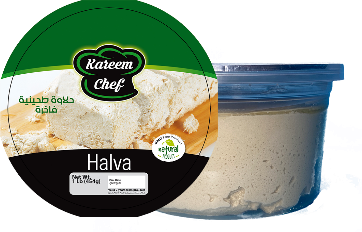
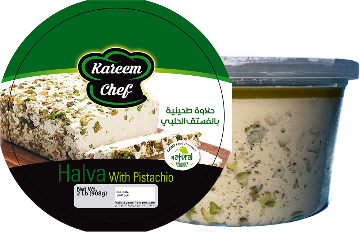
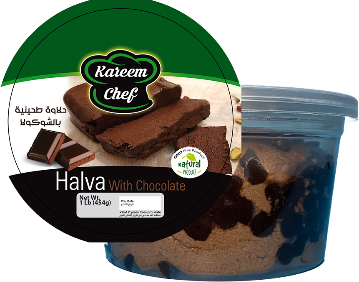
Kareem Mart of Garden City, MI,is recalling its 1lb and 2lb Kareem Chef brand “Halva”, “Halva with Pistachio”, and “Halva with Chocolate” food treats because they have the potential to be contaminated with salmonella, an organism which can cause serious and sometimes fatal infection in young children, frail or elderly people, and others with weakened immune systems. Healthy persons infected with salmonella often experience fever, diarrhea (which may be bloody), nausea, vomiting and abdominal pain. In rare circumstances, producing more severe illnesses infections.

The recalled “Halva” were distributed through Mediterranean food stores and wholesalers in Michigan, Illinois, Missouri, New York, Ohio, North Carolina and Pennsylvania.  Between March 2020 to Feb 2021.

Please do not consume the product and immediately dispose of the product or return to 32816 Manor Park Garden City MI 48135. Or to the place of purchase. And send us a note to the email: recalls@kareemmart.com with the return receipt and product purchase date for a full refund.

The products come in 1lb and 2lb plastic tubs. There is only one lot distributed.

With Best Before 07-01-2022.

No illnesses have been reported to date in connection with the problem.

The potential for contamination was noted after routine testing from samples in the stores by the Michigan Department of Agriculture and Rural Development (MDARD).

Production of the product has been suspended while the FDA and the company continue their investigation as to the source of the problem.

Thank you.


Company Contact Information

Consumers:
Distributing Department
 (313)651-4600
 recalls@kareemmart.com

Product Photos

Luxembourg – RECALL: VALENÇAY RAW MILK CHEESE FROM THE FROMAGERIE D’ANJOUIN BRAND – Listeria monocytogenes

Fromagerie d’Anjouin recalls the following product:

Source: Auchan
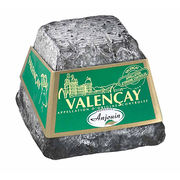
Last name Valençay raw milk cheese
Mark Fromagerie d’Anjouin
Unit 220 g
EAN code 3301170008504
Date of Minimum Durability (DDM) 04/03/2021
Lot V028
Sale period from: 02/18/2021 to 03/26/2021

Danger  : Potential presence of Listeria monocytogenes

Listeria monocytogenes can cause fever, headache, and gastroenteritis. Vulnerable people such as the immunocompromised and the elderly and young children may experience neurological symptoms due to meningitis. Pregnant women should also pay special attention to these symptoms. Gastroenteritis can appear between a few hours and 3 days after consumption, while neurological symptoms can only appear after 3 months. People who have consumed these products and who have these symptoms are advised to consult a doctor, notifying him of this consumption.

Sale in Luxembourg by: Auchan

A sale by other operators cannot be excluded.

Source of information: Auchan recall notification

Communicated by: Government Commission for Quality, Fraud and Food Safety .

France – Product recall: Valençay raw milk cheese 220 g from the Fromagerie d’Anjouin brand – Listeria monocytogenes

Oulah

Product recall: Valençay raw milk cheese 220 g from the Fromagerie d'Anjouin brand

ENCOUNTERED PROBLEM

Possible presence of Listeria monocytogenes

PROPOSED SOLUTION

People who may have this product are asked not to consume it and to return it to the point of sale where it was purchased.

People who have consumed this product and who present with fever, isolated or accompanied by headaches, are invited to consult their attending physician, notifying him of this consumption.
Pregnant women should pay special attention to these symptoms, as well as immunocompromised people and the elderly. These symptoms may suggest listeriosis, a disease that can be serious and can take up to eight weeks to incubate.

FURTHER INFORMATION

▸ Barcode
3301170008504

▸ Lot
V028

▸ DDM
04/03/2021

▸ Type of packaging
Sold to the self-service / cup shelves

▸ Health
stamp FR 36.004.001 CE

▸ Marketing
from 02/12/2021 to 03/26/2021

▸ Consumer service contact
The Consumer Service is at your disposal to answer any questions
Toll-free number: 0800 35 29 19
Hours: 9:00 a.m. – 5:00 p.m.

▸ Source
https://www.auchan.fr/

Australia- Food Recall Statistics – 2020

FSANZ

Why do we collect food recall data?

We collect data on Australian food recalls to identify trends and common issues in the food industry and help find ways to prevent future incidents.

An analysis of annual food recall statistics for the last 10 years is below. For statistics on allergen-related recalls see Undeclared allergen food recall statistics. Our statistics are updated annually.

Classification of food recalls

We classify food recalls based on the reason for the recall. Reasons include:

  • Microbial contamination
  • Labelling
  • Foreign matter
  • Chemical/other contaminants
  • Undeclared allergen
  • Biotoxin
  • Other

Food recall statistics (1 January 2011 – 31 December 2020)

Figure 1: Food recalls by year 2011-2020

Fig 1.png

Between 2011 and 2020, FSANZ coordinated 763 recalls, including 109 recalls in 2020 (see Figure 1). The 10-year average increased from 71 to 76 recalls per year.

Microbial contamination food recalls

Figure 6: Food recalls due to microbial contamination by microbe 2011-2020

 Fig 6.png

Between 2011 and 2020 there were 195 food recalls due to microbial contamination (see Table 1). As shown in Figure 6, the most common microbes were Listeria monocytogenes (65 recalls; 33%), Salmonella (48 recalls; 25%) and E. coli (42 recalls; 22%). Salmonella related recalls increased in 2020 due to multiple recalls associated with lettuce products.

Meat and meat products, dairy products and mixed and/or processed foods were the main food groups recalled due to Listeria monocytogenes contamination. The food industry and government place a high priority on Listeria management in these sectors and undertake extensive product testing to monitor for contamination.

A wide range of foods are recalled due to Salmonella contamination. Eggs and fruits, vegetables and herbs were the most commonly recalled categories. Fruits, vegetables and herbs recalled due to Salmonella included lettuce, sprouts, rockmelon and dried herbs.

Dairy products are more commonly recalled due to concerns with process hygiene, indicated through E. coli testing, than other categories of food. Other products commonly recalled for E. coli include fresh sprouts and fermented sausages.

Research – Risk of Legionella is high when offices reopen after lockdown

Digital Journal

Once more offices open up, following the easing of coronavirus measures, a new danger presents itself – Legionnaires’ disease. This arises because of poorly maintained water and air conditioning systems.

The number of cases of Legionella is increasing globally, with a marked change recorded in the U.S. The number of cases now stands, typically, at 10,000 cases per year. The disease is a form of pneumonia caused by Legionella bacteria (L. pneumophila). These organisms can be inhaled into the lungs through water aerosols and droplet, suspended in the air when water is used. Signs and symptoms typically include fever, cough, and chest pain, and it can result in death in up to 10 percent of cases.

Research – Can bacterial viruses improve the microbiological safety of raw milk cheeses?

Harper Adams

Harper Adams University research is exploring a biological control method to improve the safety of popular Egyptian cheeses produced from raw cows’ milk.

The work is being conducted by Sherif Kandil, a PhD student and scholar sponsored by the Newton Mosharafa Fund. Sherif is in the final year of a three-year study, directed by Dr Lynn McIntyre, Senior Lecturer in Food Safety in the Department of Food Technology and Innovation.

Dr McIntyre explained: “The project was prompted by a number of foodborne outbreaks and prevalence data showing high levels of Staphylococcus aureus (S. aureus) and Escherichia coli (E. coli) in raw milk in Egypt.

“Cheeses made from raw cows’ milk, such as Karish, Domiatti and Ras, are popular in Egypt and Arab countries. Their strong flavour is produced by naturally occurring microorganisms in raw milk rather than the deliberate addition of starter culture organisms. However, their production also relies on smallholders in rural areas who make and store cheese under potentially uncontrolled hygiene and temperature conditions’’ Sherif added. Therefore, the growth of a variety of disease-causing (pathogenic) bacteria such as S. aureus and E. coli can be a real problem.

“These pathogens are also developing some resistance to antibiotics, but pasteurisation, normally used to kill pathogenic bacteria in raw milk, would also kill the desirable microorganisms and alter the flavours, which may be unacceptable to the consumer.”

Bacteriophages are highly specific viruses, which, unlike antibiotics, can selectively kill target bacterial species without affecting the desirable microorganisms. These could therefore have potential to target and control the disease-causing bacteria in raw cows’ milk cheeses, “an area that has not received much attention to date” according to Sherif.

For his study, Sherif collected 100 raw cows’ milk samples and processed them using a standard method to isolate and identify strains of S. aureus and E. coli in the Princess Margaret Laboratories, at Harper Adams University.

Karish, Domiatti and Ras cheeses have been successfully produced from raw cows’ milk on a small-lab-scale using traditional production methods, and their properties characterised during manufacture and storage.

A range of conditions, based on these data, has also been tested to understand how the bacteriophages behave under conditions they will be exposed to during cheese production. The last phase this year will evaluate how effective these phages are at controlling S. aureus and E. coli in milk and during further lab-scale cheese manufacture and storage.

“There is increasing interest in controlling pathogenic bacteria in food using natural non-thermal approaches without compromising the manufacturing process and product quality,” Dr McIntyre added. “We are not immune to these food safety challenges in the UK, and much of what we’ve been investigating in this project could also be applied to raw milk cheese production here.”