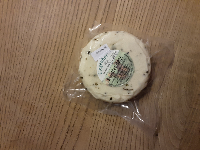
Ziegenhof Fam. Filgertshofer
Detection of Vero/Shiga toxin-forming VTEC/STEC, stx1- positive

Ziegenhof Fam. Filgertshofer
Detection of Vero/Shiga toxin-forming VTEC/STEC, stx1- positive
Posted in food contamination, food handler, Food Hazard, Food Hygiene, Food Inspections, Food Micro Blog, Food Microbiology, Food Microbiology Blog, Food Microbiology Testing, Food Pathogen, Food Poisoning, food recall, Food Safety, Food Safety Alert, food safety training, Food Testing, Food Toxin, STEC, STEC E.coli, STX 1, VTEC
Verotoxin E.coli in beef tartar from Poland in Lithuania
Posted in E.coli, food contamination, Food Hazard, Food Hygiene, Food Inspections, Food Micro Blog, Food Microbiology, Food Microbiology Blog, Food Microbiology Testing, Food Pathogen, Food Poisoning, food recall, Food Safety, Food Safety Alert, Food Testing, Food Toxin, RASFF, STEC, STEC E.coli, VTEC
According to the 2014 Zoonosis Monitoring Report (1), the majority of verified outbreaks in the EU were associated with foodstuffs of animal origin. Fruit and vegetables were implicated in only 7,1 % of the verified outbreaks, primarily caused by frozen raspberries contaminated with Norovirus, albeit showing an increase compared to 2013 where ‘vegetables and juices’ were reported in 4,4 % of the outbreaks.
Nevertheless, the possible consequences of microbiological contamination of fresh fruits and vegetables (FFV) cannot be underestimated as shown by the German crisis (2) linked to the contamination of sprouts by Verotoxin-producing Escherichia coli (VTEC).In the aftermath of this VTEC crisis in 2011, the Commission asked the European Food Safety Authority (EFSA) to advice on the public health risks posed by pathogens in food of non-animal origin (FNAO), addressing in particular the risk factors and the mitigation options including possible microbiological criteria.
As a result, EFSA issued six scientific opinions on the following food/pathogen combinations identified as the most important risks within FNAO:
1) VTEC in seeds and sprouted seeds
(2) Salmonella and Norovirus in food of leafy greens eaten raw as salads.
(3) Salmonella and Norovirus in berries.
(4) Salmonella and Norovirus in tomatoes.
(5) Salmonella in melons.
(6) Salmonella, Yersinia, Shigella and Norovirus in bulb and stem vegetables, and carrots.
This guideline takes account of the relevant opinions of EFSA, and consultation with Member States experts and relevant stakeholders. Though it is intended to offer practical help to growers, it may also be used by official inspectors during their audits where appropriate. EFSA confirmed that further research on possible risks and risk mitigating measures related to FFV should continue.
Posted in EFSA, Food Microbiology Research, Norovirus, Research, Salmonella, Shigella, STEC, STEC E.coli, VTEC, Yersinia

Product recall Dr. Oetker Schoko Ausstech Cookies
Opinion of the Dr. Oetker GmbH on the test report of the Innsbruck Institute for Food Safety with the order number 2112838
.
Oetker Schoko Ausstechkätzchen
lot/ batch/ BBD: L169
During a sample taken by the Innsbruck Institute for Food Safety, Vero/Shiga toxin-producing Escherichia coli were detected in the above-mentioned test object.
Although according to the Federal Institute for Risk Assessment (BfR) in its statement no. Oetker, which learned of the test results on November 26, 2021, batch L 169 from Dr. Oetker chocolate cookie cutters back.
We would like to point out that E.Coli detection would only be possible in raw dough, but baked biscuits can be enjoyed without hesitation.
Item No. 1-01-870700
GTIN EVE 4000521013288 Item
description Chocolate cookie
cutter Best before 02.2023
The goods concerned were placed on the Austrian market from September 2021. He was informed immediately. To avoid health risks, consumers are asked to return the recalled goods to the point of sale where the product was purchased. The purchase price will be refunded. dr Oetker apologizes to its customers for any inconvenience caused.
More info
Posted in AGES, food contamination, Food Hazard, Food Hygiene, Food Inspections, Food Micro Blog, Food Microbiology, Food Microbiology Blog, Food Microbiology Testing, Food Pathogen, Food Poisoning, food recall, Food Safety, Food Safety Alert, Food Testing, Food Toxin, STEC, STEC E.coli, Uncategorized, VTEC
Verotoxin-producing E.coli in soft cheese from France in Germany, Italy and Austria
Posted in E.coli, food contamination, food handler, Food Hazard, Food Hygiene, Food Inspections, Food Micro Blog, Food Microbiology, Food Microbiology Blog, Food Microbiology Testing, Food Pathogen, Food Poisoning, food recall, Food Safety, Food Safety Alert, Food Testing, Food Toxin, microbial contamination, Microbiological Risk Assessment, Microbiology, Microbiology Investigations, RASFF, STEC, STEC E.coli, VTEC

Food
01/21/2022
Gillot SAS, Saint-Hilaire-de-Briouze, Orne – France
Enterohemorrhagic Escherichia coli (EHEC)
An EHEC (synonyms: STEC, VTEC) disease usually manifests itself within a week after infection with diarrhea and abdominal cramps. Babies, small children, the elderly and people with a weakened immune system in particular can develop more severe illnesses with bloody diarrhea. Rarely, especially in small children, acute kidney failure can occur in a second flare-up a few days after the onset of diarrhea. Anyone who has eaten this food and develops severe or persistent symptoms should seek medical attention and report possible EHEC infection. It makes no sense to seek preventive medical treatment without symptoms.
VTEC/STEC in raw milk cheese from France in Germany
Posted in E.coli, food contamination, Food Hazard, Food Hygiene, Food Inspections, Food Micro Blog, Food Microbiology, Food Microbiology Blog, Food Microbiology Testing, Food Pathogen, Food Poisoning, food recall, Food Safety, Food Safety Alert, Food Testing, Food Toxin, RASFF, Raw Milk, raw milk cheese, STEC, STEC E.coli, VTEC
Summary
The occurrence of most zoonotic pathogens in animals was stable in 2020 compared to previous years. The occurrence in humans, however, decreased in 2020 due to the COVID-19 situation. The decrease was highest in campylobacteriosis, salmonellosis and E. coli (EHEC/VTEC) infections, mainly due to less travel associated cases. Introduction The Zoonosis Report is published annually in Norway in accordance with the requirements of the EU Council Directive 2003/99/EC. In addition, data on specified zoonoses in feed, animals and food are reported to the European Food Safety Authority (EFSA). Corresponding data from humans are reported to the European Center for Disease Control (ECDC).
These two European institutions compile an annual European zoonosis report based on the received data: https://www.efsa.europa.eu/en/efsajournal/pub/6971The Norwegian Veterinary Institute (NVI) is responsible for reporting of Norwegian data to EFSA, while the Norwegian Institute of Public Health (NIPH) reports Norwegian data to ECDC. The Zoonosis Report is written by the NVI in collaboration with the Norwegian Food Safety Authority (NFSA) and NIPH.
Posted in Campylobacter, Decontamination Microbial, EFSA, EHEC, Food Micro Blog, Food Microbiology, Food Microbiology Blog, Food Microbiology Research, Food Microbiology Testing, microbial contamination, Microbiological Risk Assessment, Microbiology, Microbiology Investigations, Salmonella, salmonellosis, STEC, STEC E.coli, VTEC, Zoonosis

Product recall Dr. Oetker Schoko Ausstech Cookies
Opinion of the Dr. Oetker GmbH on the test report of the Institute for Food Safety Innsbruck with the order number 2112838.
Villach (OTS) – Object of
investigation Dr. Oetker Schoko
Cookie Cutter Lot / Batch / Best before: L169
When a sample was taken by the Innsbruck Institute for Food Safety, Vero / Shiga toxin-forming Escherichia coli were detected in the above-mentioned object of investigation.
Although according to the Federal Institute for Risk Assessment (BfR) in its opinion no. Oetker, who learned of the examination results on November 26th, 2021, received batch L 169 from Dr. Oetker chocolate cookie cutters back.
We would like to point out that E.Coli proof would only be possible in the raw dough, but baked biscuits can be enjoyed without hesitation.
Item No. 1-01-870700
GTIN EVE 4000521013288
Article description Chocolate cookie
cutter Best before 02.2023
The product concerned was placed on the Austrian market from September 2021. He was informed immediately. To avoid health risks, consumers are asked to return the recalled goods to the shop where the product was purchased. The purchase price will be refunded. Dr. Oetker apologizes to its customers for any inconvenience this may cause.
Posted in Bacterial Toxin, food contamination, Food Hazard, Food Hygiene, Food Inspections, Food Micro Blog, Food Microbiology, Food Microbiology Blog, Food Microbiology Testing, Food Pathogen, Food Poisoning, food recall, Food Safety, Food Safety Alert, Food Testing, Food Toxin, STEC, STEC E.coli, Toxin, VTEC
Verotoxin-producing E. coli in fresh puff pastry from Austria in Germany
Shigatoxin-producing Escherichia coli (stx1+, stx2 + /25g) in tuna salad from the Netherlands in Belgium
Shigatoxin-producing Escherichia coli (stx1 +, stx2 + /25g) in romaine lettuce from the Netherlands in Belgium
Posted in E.coli, escherichia coli, food contamination, food handler, Food Hazard, Food Hygiene, Food Inspections, Food Micro Blog, Food Microbiology, Food Microbiology Blog, Food Microbiology Testing, Food Pathogen, Food Poisoning, food recall, Food Safety, Food Safety Alert, Food Testing, Food Toxin, RASFF, STEC, STEC E.coli, VTEC