
RASFF-aflatoxins in groundnut kernels from the Gambia in the UK
RASFF-aflatoxins (91.4 µg/kg – ppb) in groundnut kernels for feed from the Gambia in teh UK


The Ministry for Primary Industries (MPI) today issued a public health warning against collecting shellfish in the Kenepuru Sound and inner Pelorus Sound, extending outward to Tawero Point and Opani-aputa Point.
Routine tests on shellfish samples taken from this region have shown levels of Paralytic Shellfish Poisoning (PSP) toxins above the safe limit of 0.8 mg/kg set by MPI. Anyone eating shellfish from this area is potentially at risk of illness.
Mussels, oysters, tuatua, pipi, toheroa, cockles, scallops, cat’s eyes, kina (sea urchin) and all other bivalve shellfish should not be eaten.
Note, cooking shellfish does not remove the toxin.
Pāua, crab and crayfish may still be eaten if the gut has been completely removed prior to cooking, as toxins accumulate in the gut. If the gut is not removed its contents could contaminate the meat during the cooking process.
Symptoms typically appear between 10 minutes and 3 hours after ingestion and may include:
If anyone becomes ill after eating shellfish from an area where a public health warning has been issued, phone Healthline for advice on 0800 61 11 16, or seek medical attention immediately. You are also advised to contact your nearest public health unit and keep any leftover shellfish in case it can be tested.
Monitoring of toxin levels will continue and any changes will be communicated accordingly. Commercially harvested shellfish – sold in shops and supermarkets, or exported – is subject to strict water and flesh monitoring programmes by MPI to ensure they are safe to eat.
Signs will be erected in the affected areas.
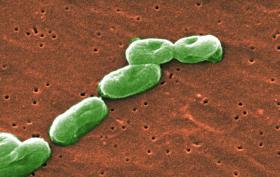
Escherichia coli (E. coli) is a germ that occurs naturally in the gut of mammals and birds, as well as in the human intestinal flora. However, certain E. coli types can cause severe diarrhea in humans. These virulent E. coli types include Shiga toxin-producing E. coli (STEC), also known as Verotoxin-producing E. coli (VTEC).
Their damaging effect is due to the fact that STEC produce toxins known as Shiga toxins (Stx), which can cause disease in the human gut. As the best known STEC representative, an enterohaemorrhagic E. coli (EHEC) strain of the serotype O104:H4 was responsible for numerous severe cases of haemolyticuremic syndrome (HUS) and bloody diarrhea in Germany in 2011, as a result of which 53 people died.
Two South Australians have been hospitalised with Hepatitis A, believed to have been caused by them eating Creative Gourmet frozen pomegranate.
The product was recalled from Coles last month but SA Health is reminding South Australians to make sure they do not have the product in their freezers.
SA Health food and controlled drugs director Fay Jenkins said nationally there have been 11 cases linked to the outbreak, with two in South Australia.
“There’s a lady in her 60s and she is quite unwell and she is in hospital. There is a younger gentleman [aged 33] … and he’s actually been discharged from hospital,” Dr Jenkins said.
Symptoms of Hepatitis A include nausea, vomiting, fever, yellowing of the skin, dark urine and pale stools.
The infection can take from 15 to 50 days to develop.
Darren Cartwright of Yahoo News writes the Holland America Line has literally taken a hands-on, or make that hands-off, approach and heavily restricted self-service in the general dining areas of its ships.
The move could be just what’s needed to restore Australia’s faith in the industry following four gastro outbreaks on Holland America’s sister line Princess Cruises over the past 15 months.
The most recent was in January when some 200 passengers went down with the norovirus aboard the Sea Princess during a tour of New Zealand.
Posted in Norovirus, Uncategorized
Posted in Burkholderia cepacia, FDA, Recall, Uncategorized
surveillance report
Posted in Uncategorized
The Ministry for Primary Industries today issued a public health warning against collecting shellfish in the Hawke’s Bay region from Cape Kidnappers to the north end of Māhanga Beach near Māhia due to paralytic shellfish toxins being detected at levels of concern.
Routine tests on shellfish samples taken from sites in this region have shown levels of Paralytic Shellfish Poisoning (PSP) toxins above the safe limit of 0.8 mg/kg set by MPI. Anyone eating shellfish from this area is potentially at risk of illness.
Mussels, oysters, tuatua, pipi, toheroa, cockles, scallops, catseyes, kina (sea urchin) and all other bivalve shellfish should not be eaten.
Note: cooking shellfish does not remove the toxin.
Pāua, crab and crayfish may still be eaten if the gut has been completely removed prior to cooking, as toxins accumulate in the gut. If the gut is not removed its contents could contaminate the meat during the cooking process.
Symptoms typically appear between 10 minutes and 3 hours after ingestion and may include:
If anyone becomes ill after eating shellfish from an area where a public health warning has been issued, phone Healthline for advice on 0800 61 11 16, or seek medical attention immediately. You are also advised to contact your nearest public health unit and keep any leftover shellfish in case it can be tested.
Monitoring of toxin levels will continue and any changes will be communicated accordingly. Commercially harvested shellfish – sold in shops and supermarkets, or exported – is subject to strict water and flesh monitoring programmes by MPI to ensure they are safe to eat.
Posted in Uncategorized
Consumers who have unpasteurized, raw milk from Pool Forge Dairy should immediately throw it out and monitor themselves and their children for symptoms of Listeria infection for the next 70 days.
Pennsylvania’s Department of Agriculture posted the warning Monday because routine tests by the department showed the milk to be contaminated with Listeria monocytogenes.
“Consumers who purchased raw, whole milk from Pool Forge Dairy between April 25 and May 7 should immediately discard it. The milk was sold in a plastic quart, half-gallon, and gallon containers with the Pool Forge label,” according to the notice from the agriculture department.
The dairy, which is Lancaster County, sold the implicated unpasteurized milk at the farm at 201 Bridgeville Road; Shady Maple Market at 1324 Main Street; and Hoover’s Farm Market at 1719 Main Street. All three locations are in East Earl Township in northeastern Lancaster County.
The North Dakota Department of Health (NDDoH) reports North Dakota’s first case of E. coli infection associated with romaine lettuce originating from the Yuma, Arizona growing region. The NDDoH has been working with the Centers for Disease Control and Prevention (CDC), the U.S. Food and Drug Administration (FDA), and other state and local health officials in this national investigation. A second case in ND possibly associated with the outbreak is still under investigation.
North Dakota Department of Health Reports Case of E. coli Linked to Romaine Lettuce

 MPI
MPI 


