Category Archives: STEC

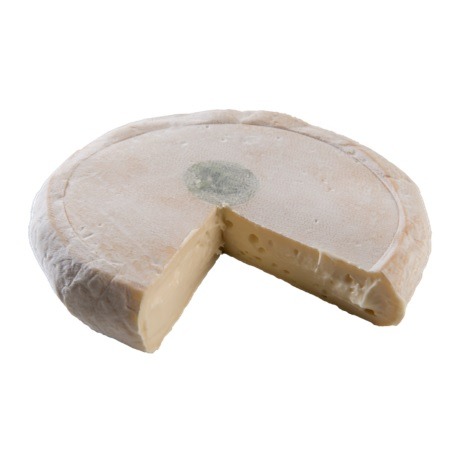
France – FARM REBLOCHON AOP LA GRANGE – STEC E.coli

Gov france

Identification information of the recalled product

  • Product category Feed
  • Product subcategory Milk and dairy products
  • Product brand name BARN
  • Model names or references n / A
  • Identification of products
    GTIN Batch Date
    2481206000007 All lots Use-by date 30/09/2022
  • Marketing start/end date From 08/26/2022 to 09/09/2022
  • Storage temperature Product to be stored in the refrigerator
  • Health markFR-74-160-166-CE
  • Geographic area of ​​sale Whole France
  • Distributors Grand Frais Fresh

Practical information regarding the recall

  • Reason for recall Possible presence of Escherichia coli
  • Risks incurred by the consumer Toxigenic Shiga Escherichia coli (STEC)

Research – Shiga toxin-producing Escherichia coli (STEC) infection – Annual Epidemiological Report for 2020

ECDC

Thumbnail

For 2020, 28 EU/EEA countries reported 4 824 confirmed cases of Shiga toxin -producing Escherichia coli (STEC) infection. The overall notification rate was 1.6 cases per 100 000 population. The highest notification rates were reported in Ireland, Malta, Denmark, and Norway. The EU/EEA notification rate decreased notably in 2020 compared with 2016-2019 due to the COVID-19 pandemic. The highest rate of confirmed cases was observed in 0–4-year-old children, with 8.6 cases per 100 000 population for males and 7.5 cases per 100 000 population for females.

Click to access STEC-infection-AER-2020-JD-FINAL.pdf

USA – E. coli at San Diego State University

Food Poison Journal

On Sept. 6, Student Health Services notified the SDSU community of two cases of Shiga Toxin-Producing E. coli (STEC) in the student community in one residential and one non-residential student.  These students began experiencing symptoms on Aug. 27 and 29, respectively.

At this time, a specific food source has not been identified for either of these cases. SDSU’s Environmental Health and Safety team is working closely with the County of San Diego Health & Human Services Agency to investigate these cases and to identify and confirm the potential source. Additional information will be shared with the community as it becomes available.

USA – FSIS Issues Public Health Alert For Specific Ground Beef In HelloFresh Meal Kits Due to Possible E. Coli O157:H7 Contamination

FSIS USDA

The U.S. Department of Agriculture’s Food Safety and Inspection Service (FSIS) is issuing a public health alert due to concerns that ground beef products in HelloFresh meal kits may be associated with Escherichia coli (E. coli) O157:H7 illness. A recall was not requested because the products are no longer available for purchase.

The meal kits containing ground beef for this public health alert were shipped to consumers from July 2-21, 2022. The following products are subject to the public health alert [view label]:

  • 10-oz. plastic vacuum-packed packages containing “GROUND BEEF 85% LEAN/15% FAT” with codes “EST#46481 L1 22 155” or “EST#46481 L5 22 155” on the side of the packaging.

The ground beef packages bear “EST.46841” inside the USDA mark of inspection and on the plastic ground beef package.

FSIS, the Centers for Disease Control and Prevention, and state public health partners are investigating an outbreak of E. coli O157:H7 and raw ground beef is the probable source of the reported illnesses. Traceback information identified that multiple case-patients received ground beef produced at establishment M46841 and distributed by HelloFresh in meal kits from July 2-21, 2022. Traceback of materials used to produce the ground beef is ongoing and FSIS continues to work with suppliers and public health partners on the investigation.

FSIS is concerned that some product may be in consumers’ freezers. Consumers who have purchased these products are urged not to consume them. These products should be thrown away.

FSIS advises all consumers to safely prepare their raw meat products, including fresh and frozen, and only consume ground beef that has been cooked to a temperature of 160 F. The only way to confirm that ground beef is cooked to a temperature high enough to kill harmful bacteria is to use a food thermometer that measures internal temperature, https://www.fsis.usda.gov/safetempchart.

Media and consumers with questions regarding the public health alert can contact hello@hellofresh.com or by live chat.

Consumers with food safety questions can call the toll-free USDA Meat and Poultry Hotline at 888-MPHotline (888-674-6854) or live chat via Ask USDA from 10 a.m. to 6 p.m. (Eastern Time) Monday through Friday. Consumers can also browse food safety messages at Ask USDA or send a question via email to MPHotline@usda.gov. For consumers that need to report a problem with a meat, poultry, or egg product, the online Electronic Consumer Complaint Monitoring System can be accessed 24 hours a day at https://foodcomplaint.fsis.usda.gov/eCCF/.

Product Images

Company Contact Information

COMPANY MEDIA CONTACT
Company Media Contact

Italy –  Maccagno – STEC E.coli

Salute

Brand : Antoniotti Michela

Name : Maccagno

Reason for reporting : Recall due to microbiological risk

Publication date : 9 September 2022

Documentation

Documentation

USA – Leafy Greens STEC Action Plan

FDA

Leafy greens are among the most widely consumed vegetables and an important part of an overall healthy diet. However, while millions of servings are consumed safely every day, leafy greens have been repeatedly associated with illnesses caused by Shiga toxin-producing E. coli (STEC), the most common of which is E. coli O157:H7. FDA is committed to breaking this cycle of reoccurring outbreaks.

Over the last several years the FDA and partners in the public and private sectors have worked to enhance the safety of leafy greens through the development and implementation of the Leafy Greens STEC Action Plan (LGAP). This work includes prioritized inspections, focused sampling, stakeholder engagement and collaboration, data sharing, root cause investigations, and advancements in the science of detection and prevention.

Collectively, this work has expanded our body of knowledge about how and why outbreaks linked to leafy greens have occurred, which has guided and informed the evolution of the action plan over the years. Still, we know that we cannot fix the issue of leafy green contamination on our own. Industry leadership, along with collaboration among growers, processors, retailers, state partners, and the broader agricultural community, is critical to establishing needed prevention measures and preventing foodborne illness.

The following table provides the approaches for three priority areas: Prevention, Response, and Addressing Knowledge Gaps, as well as accomplishments that have been made since the action plan launched in March 2020.

RASFF Alert – STEC E.coli – Lettuce and Beetroot Mix

RASFF

Shigatoxin-producing Escherichia coli (STEC) in mix of lettuce and beetroot from Poland in Spain, Slovakia, Hungary and Czech Republic

Ireland – Irish officials warn about rise in E. coli infections

Food Safety News

Health officials in the Republic of Ireland have issued a warning after an increase in E. coli cases and outbreaks in recent weeks.

The Department of Public Health Mid-West reported that in a four week period there have been more than 20 E. coli cases reported in the region, including several hospitalizations.

Public health teams have managed and investigated outbreaks and cases in households and rural settings, particularly on or near farms, and sites with access to a private well supply. Sources of infection are under investigation.

Officials also confirmed a “small number” of hemolytic uremic syndrome (HUS) cases. HUS is a type of kidney failure associated with E. coli infection.

The Mid-West region, which includes Clare, Limerick and North Tipperary, has one of the top rates of E. coli in the country, and Ireland has one of the highest rates in Europe.

In the past decade, there have been 1,250 cases of E. coli in the Mid-West region, with the highest number being 164 infections in 2021.

Infection can be acquired through contact with farm animals or their environment, from eating unwashed or undercooked contaminated food, drinking water from contaminated sources, and from contact with infected people such as in household or childcare settings where there are nappy changing or shared toilet facilities.

Meanwhile, an E. coli outbreak in Scotland has affected at least 50 people. Two nurseries in East Lothian have now reopened. Some patients were hospitalized but most people had mild symptoms and did not require hospital treatment.

Public Health Wales also recently reported an increase in cases of diarrhea and vomiting, specifically those caused by E. coli, in the Wrexham and Flintshire areas.

Research – Outbreak Investigation of E. coli O157:H7: Unknown Food (Fall 2020)

Food Poisoning News

The FDA and CDC, in collaboration with state and local partners, have completed the investigation on two of three multistate outbreak of E. coli O157:H7 infections in the U.S. this fall.

One of these investigations, Outbreak Unknown Source 3, identified 18 reported illnesses in nine states: California, Colorado, Illinois, Michigan, New York, Ohio, Pennsylvania, Virginia, Washington.

FDA completed a traceback investigation of several potential food vehicles identified in patient interviews and although no single farm was identified as a common source of the outbreak, FDA and state partners also conducted on-site investigations on farms of interest. However, information and samples collected in these inspections did not link these farms to the outbreak. The investigation of a farm does not mean that the farm is linked to an outbreak. The results of an investigation into a farm may well lead to that firm being ruled out of the investigation. On 12/18/2020, the CDC announced that this outbreak had ended.

The other completed outbreak investigation, Outbreak Unknown Source 1, identified 32 reported illnesses in 12 states: California, Illinois, Louisiana, Maryland, Michigan, Montana, New Jersey, Ohio, Utah, Virginia, Washington, Wisconsin. This strain of E. coli is genetically similar to a strain linked to a romaine outbreak that occurred in the spring of 2018, though a food was not linked to the current outbreak. FDA completed a traceback investigation and was unable to determine a common source of the outbreak. FDA and state partners also conducted on-site inspections on farms of interest, though information collected in these inspections did not link these farms to the outbreak. On 12/18/2020, the CDC announced that this outbreak had ended.

Investigations of a third E. coli outbreak of Unknown Source 2 continue.

Germany – Farmer’s bratwurst, spreadable raw sausage – STEC E.coli

LMW

Alert type: Food
Date of first publication: 06.09.2022
Product name:

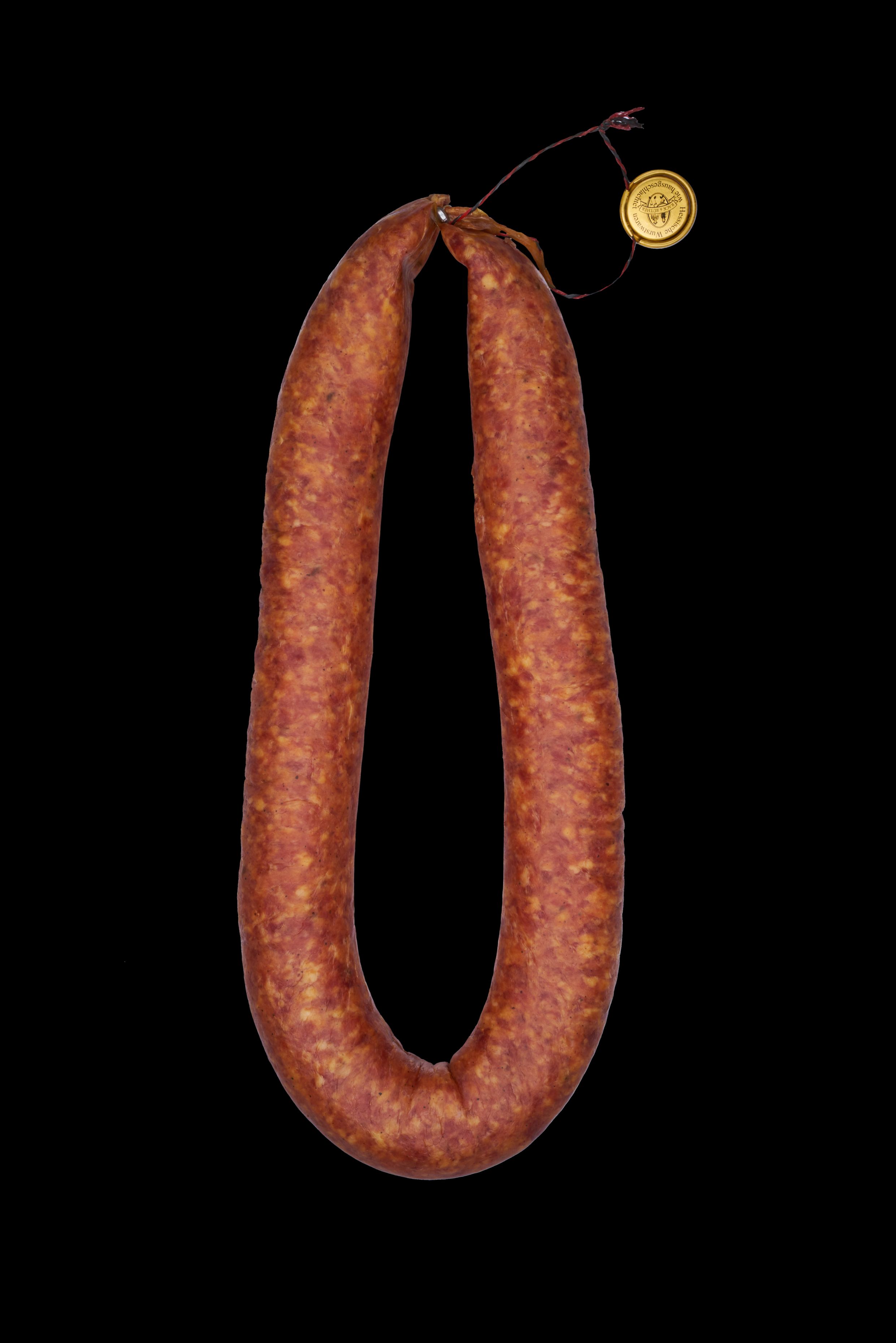
Farmer’s bratwurst, spreadable raw sausage

Product images:

Hessische_Bauernbratwurst_streichfaehig.jpg

Rack & Rüther GmbH

Manufacturer (distributor):

Rack & Rüther GmbH Steinbreite 14 34277 Fuldabrück

Reason for warning:

Detection of shigatoxin-producing Escherichia coli (STEC)

Durability: 09/30/2022
Lot identification: 238
Further information:

An EHEC (synonyms: STEC, VTEC) disease usually manifests itself within a week after infection with diarrhea and abdominal cramps. Babies, small children, the elderly and people with a weakened immune system in particular can develop more severe illnesses with bloody diarrhea. Rarely, especially in small children, acute kidney failure can occur in a second flare-up a few days after the onset of diarrhea. Anyone who has eaten this food and develops severe or persistent symptoms should seek medical attention and report possible EHEC infection. It makes no sense to seek preventive medical treatment without symptoms.

Further information on the pathogen can be found here: http://www.infectionsschutz.de/erregersteckbriefe/ehec/

For more information, please refer to the attached customer information.

Manufacturer’s website: