Category Archives: STEC E.coli

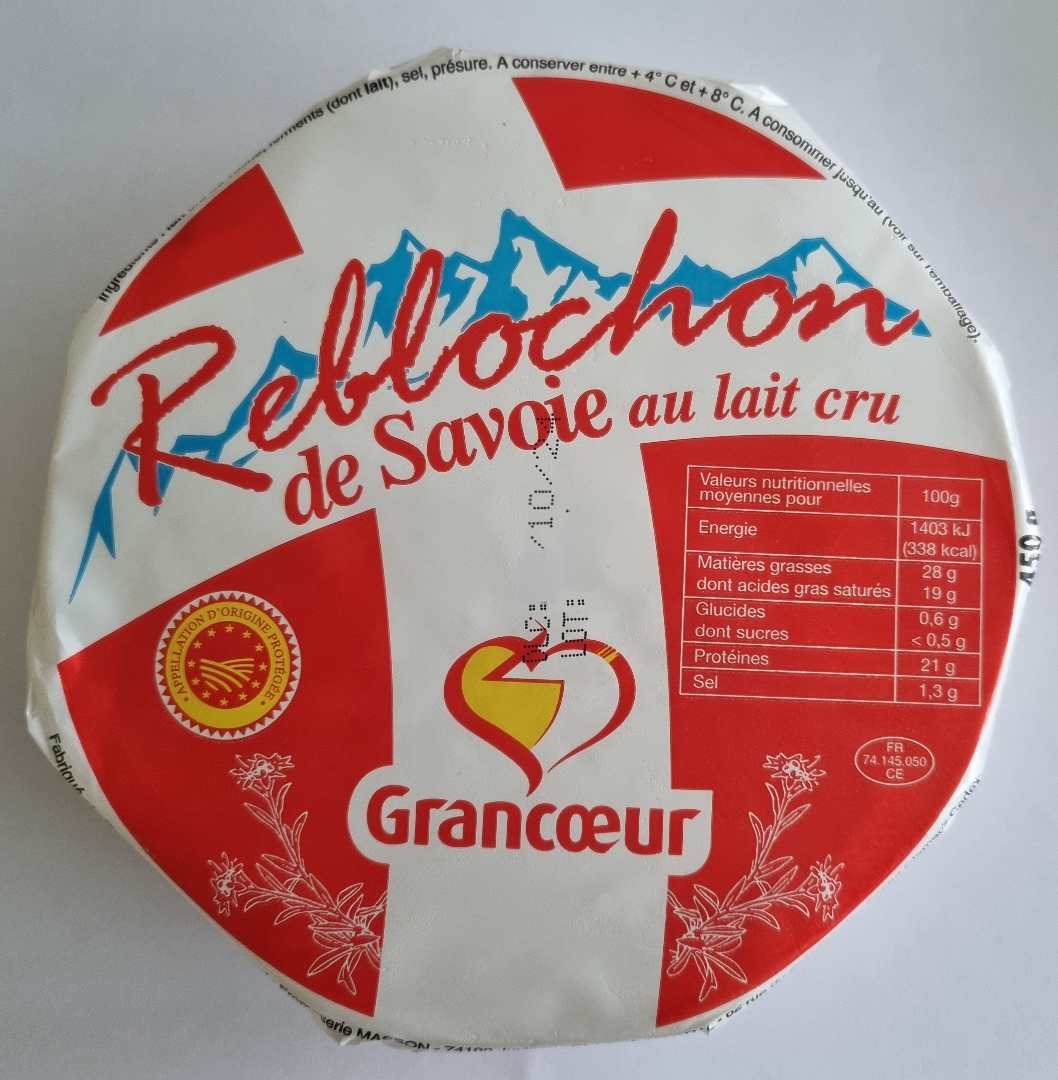
France – Reblochon de Savoie made from raw milk – STEC E.coli O103:H2

Gov France

  • Product CategoryFood
  • Product subcategoryMilk and dairy products
  • Product brand nameBigheart
  • Model names or referencesReblochon de Savoie made from raw milk
  • Product identification
    Batch Date
    182 V Expiry date 02/10/2024
    182 Expiry date 02/10/2024
  • Storage temperatureProduct to be kept in the refrigerator
  • Health mark FR 74.145.050 CE
  • Geographic area of ​​sale Whole France
  • DistributorsGRAL

France – Half Reblochon from Savoie – STEC E.coli O103:H2

Gov France

Product Category
Food
Product subcategory
Milk and dairy products
Product brand name
Producers and traders
Model names or references
Half Reblochon from Savoie approximately 250G
Product identification
GTIN Batch Date
3250391104475 182V Expiry date 04/09/2024
Packaging
pre-packaged – approx. 250G
Start/End of marketing date
From 07/20/2024 to 08/23/2024
Storage temperature
Product to be kept in the refrigerator
Health mark
FR 74.145.050 CE
Additional information
Manufacturer: MASSON Variable weight – sold individually with EAN 2 873 981 XXX XXX
Geographic area of ​​sale
Whole France
Distributors
Intermarche

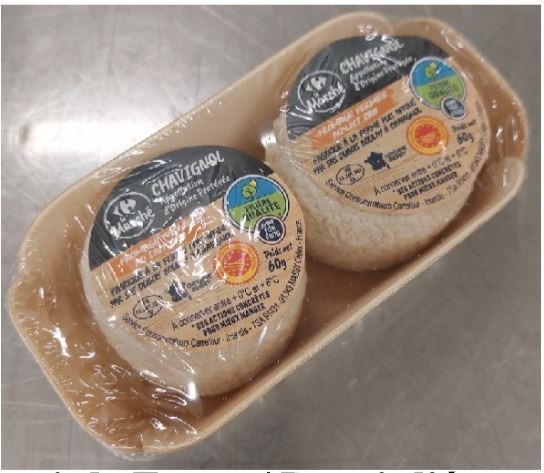
France -Cheese – CROTTIN DE CHAVIGNOL Farmer AOP – STEC E.coli O103

Gov France

Product Category
Food
Product subcategory
Milk and dairy products
Product brand name
CARREFOUR The Carrefour Quality Sector Market
Model names or references
CROTTIN DE CHAVIGNOL AOP 2X60g CARREFOUR The Market Carrefour Quality Line
Product identification
GTIN Batch Date
3245413705556 GODO0908 Minimum durability date 09/24/2024
Packaging
2X60g
Start/End of marketing date
From 08/21/2024 to 09/03/2024
Storage temperature
Product to be kept in the refrigerator
Health mark
FR 18 241 051 CE
Geographic area of ​​sale
Whole France
Distributors
CROSSROADS

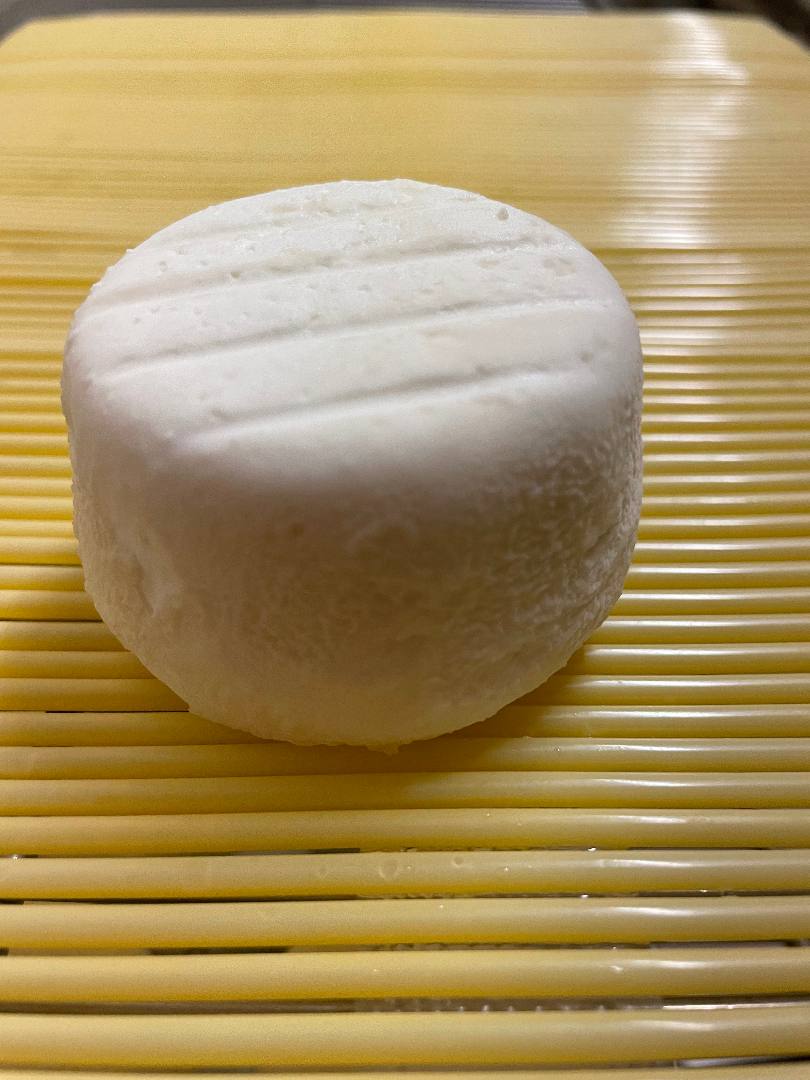
France – Farmhouse goat cheeses made from raw milk – STEC E.coli O103

Gov France

Product Category
Food
Product subcategory
Milk and dairy products
Product brand name
farmhouse droppings made from raw milk
Model names or references
farmhouse droppings made from raw milk
Product identification
Batch
08/08 09/08 10/08 13/08 15/08
Start/End of marketing date
From 08/09/2024 to 09/03/2024
Storage temperature
Product to be kept in the refrigerator
Geographic area of ​​sale
Whole France
Distributors
the chapotons farm 2 route de sancerre 18300MENETOU RATEL

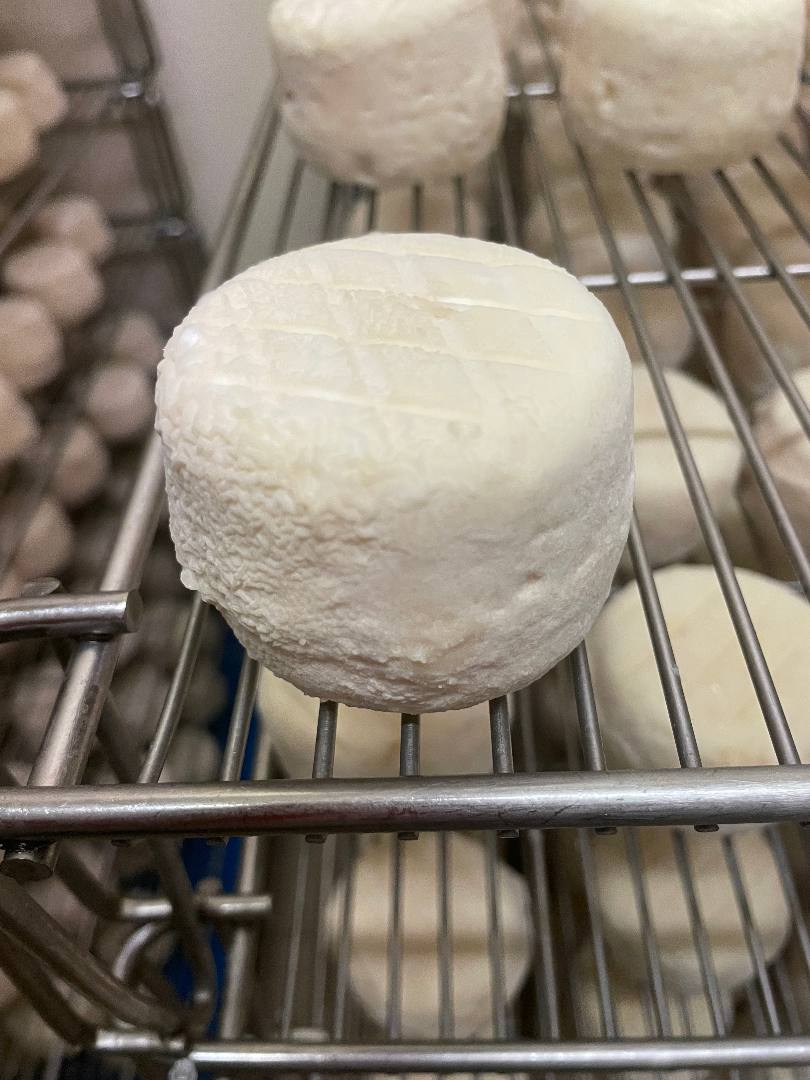
France – Raw milk goat cheese – STEC E.coli O103

Gov France

Product Category
Food
Product subcategory
Milk and dairy products
Product brand name
chavignol droppings,
Model names or references
CHAVIGNOL CROTTINS
Product identification
Batch
08/08 09/08 10/08 13/08 15/08
Packaging
naked at the request of the consumer
Start/End of marketing date
From 08/09/2024 to 09/03/2024
Storage temperature
Product to be kept in the refrigerator
Geographic area of ​​sale
Whole France
Distributors
THE CHAPOTON FARM 2 ROUTE DE SANCERRE 18300 MENETOU RATEL

USA – New STEC E. coli outbreak under investigation

FSA

The FDA is investigating a new outbreak of E. coli O157:H7 infections that has sickened 25 people.

The Food and Drug Administration has not reported where the patients live or how old they are. The agency has begun traceback efforts, but is not yet reporting what food or foods are being traced.

E. coli is particularly dangerous and often results in the hospitalization of patients. Some patients develop a type of kidney failure and others develop brain injuries. Death is more likely in patients infected with E. coli O157:H7 than other types of E. coli.

Research – Berry Pomace Extracts as a Natural Washing Aid to Mitigate Enterohaemorrhagic E. coli in Fresh Produce

MDPI

Abstract

Enterohemorrhagic Escherichia coli (EHEC) outbreaks have been frequently linked to the consumption of produce. Furthermore, produce grown on organic farms possess a higher risk, as the farmers avoid antibiotics and chemicals. This study sets out to evaluate the effectiveness of advanced postharvest disinfection processes using berry pomace extracts (BPEs) in reducing EHEC load in two common leafy greens, spinach and lettuce. Spinach and lettuce were inoculated with ~5 log CFU/leaf EHEC EDL-933 and then treated with three different concentrations of BPE (1, 1.5, and 2 gallic acid equivalent, GAE mg/mL) for increasing periods of time. After the wash, the bacteria were quantified. Changes in the relative expression of virulence genes and the genes involved in cell division and replication and response against stress/antibiotics were studied. We observed a significant reduction in EHEC EDL933, ranging from 0.5 to 1.6 log CFU/spinach leaf (p < 0.05) washed with BPE water. A similar trend of reduction, ranging from 0.3 to 1.3 log CFU/mL, was observed in pre-inoculated lettuce washed with BPE water. We also quantified the remaining bacterial population in the residual treatment solutions and found the survived bacterial cells (~3 log CFU/mL) were low despite repeated washing with the same solution. In addition, we evaluated the phenolic concentration in leftover BPE, which did not change significantly, even after multiple uses. Alterations in gene expression levels were observed, with downregulation ranging from 1 to 3 log folds in the genes responsible for the adhesion and virulence of EHEC EDL933 and significant upregulation of genes responsible for survival against stress. All other genes were upregulated, ranging from 2 to 7 log folds, with a dose-dependent decrease in expression. This finding shows the potential of BPE to be used for sanitation of fresh produce as a natural and sustainable approach.

France- Raw Milk Cheeses – STEC E.coli – Listeria monocytogenes- Staphylococcus aureus

Gov France

Gov France

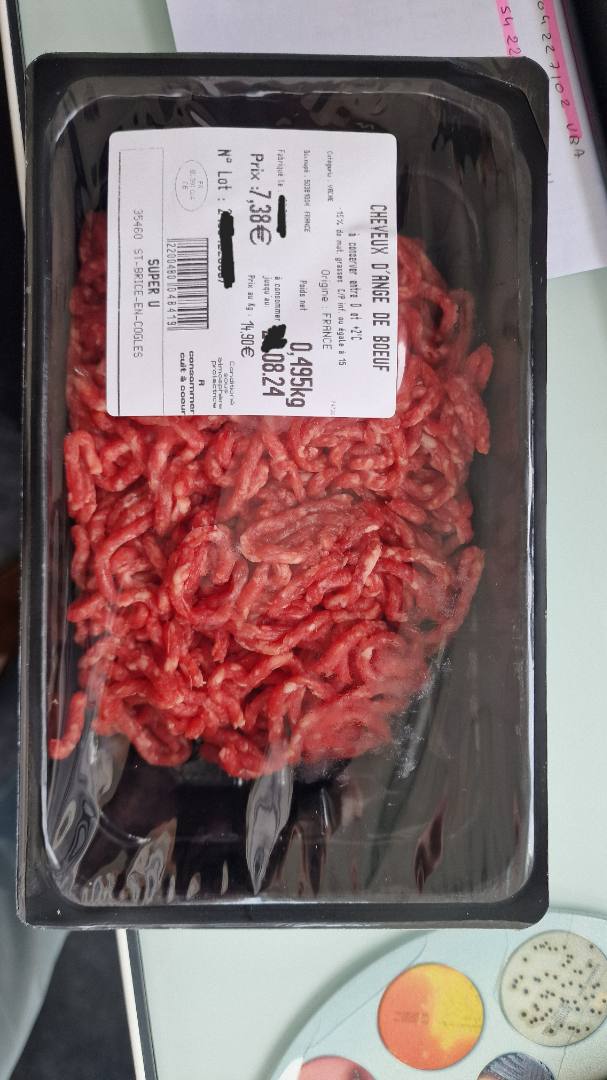
France – Ground beef and angel hair – STEC E.coli O103

Gov France

Product Category
Food
Product subcategory
Meats
Product brand name
Super U Saint Brice
Model names or references
Ground steaks and angel hair Super u Saint Brice
Product identification
Batch
21354219007
Packaging
Tray in protective atmosphere
Start/End of marketing date
From 08/13/2024 to 08/20/2024
Storage temperature
Product to be kept in the refrigerator
Health mark
50391004
Additional information
/
Geographic area of ​​sale
Departments: ILLE-ET-VILAINE (35)
Distributors
Super U Saint Brice

Research – Systematic risk ranking of microbiological hazards in infant foods

Science Direct

Abstract

Ensuring food safety, particularly for vulnerable groups, like infants and young children, requires identifying and prioritizing potential hazards in food chains. We previously developed a web-based decision support system (DSS) to identify specific microbiological hazards (MHs) in infant and toddler foods through a structured five-step process. This study takes the framework further by introducing systematic risk ranking (RR) steps to rank MH risks with seven criteria: process survival, recontamination, growth opportunity, meal preparation, hazard-food association evidence, food consumption habits of infants and toddlers in the EU, and MH severity. Each criterion is given a semi-quantitative or quantitative score or risk value, contributing to the final MH risk calculation via three aggregation methods: semi-quantitative risk scoring, semi-quantitative risk value, and outranking multi-criteria decision analysis (MCDA). To validate the criteria and ranking approaches, we conducted a case study to rank MH risks in infant formula, compared the results of the three risk ranking methods, and additionally evaluated the ranking results against expert opinions to ensure their accuracy. The results showed strong agreement among the three methods, consistently ranking Salmonella non-Typhi and Cronobacter spp. and Shiga-toxin-producing Escherichia coli as the top MH risks in infant formulae, with minor deviations. When MHs were ranked after an initial hazard identification step, all three methods produced nearly identical MH rankings, reinforcing the reliability of the ranking steps and the selected criteria. Notably, the risk value and MCDA methods provided more informative MH rankings compared to the risk scoring method. The risk value and risk scoring methods were implemented into an online tool, called the MIcrobiological hazards risk RAnking decision support system (Mira-DSS), available at https://foodmicrobiologywur.shinyapps.io/MIcrobial_hazards_RAnking/. In conclusion, our framework enables the ranking of MH risks, facilitating intervention comparisons and resource allocations to mitigate MH risks in infant foods, with potential applicability to broader food categories.