Brand : Antoniotti Michela
Name : Maccagno
Reason for reporting : Recall due to microbiological risk
Publication date : 9 September 2022


Brand : Antoniotti Michela
Name : Maccagno
Reason for reporting : Recall due to microbiological risk
Publication date : 9 September 2022
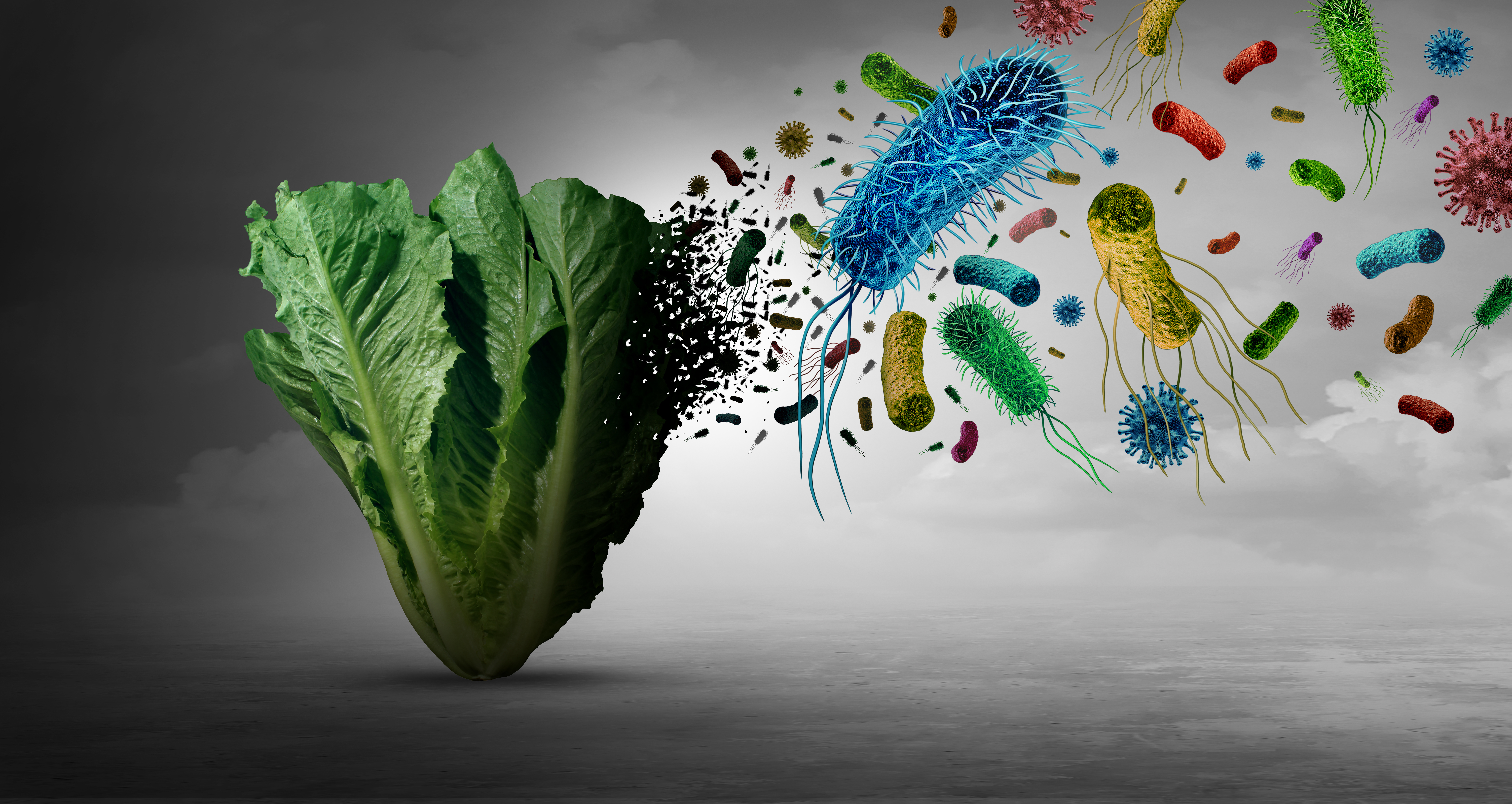
Leafy greens are among the most widely consumed vegetables and an important part of an overall healthy diet. However, while millions of servings are consumed safely every day, leafy greens have been repeatedly associated with illnesses caused by Shiga toxin-producing E. coli (STEC), the most common of which is E. coli O157:H7. FDA is committed to breaking this cycle of reoccurring outbreaks.
Over the last several years the FDA and partners in the public and private sectors have worked to enhance the safety of leafy greens through the development and implementation of the Leafy Greens STEC Action Plan (LGAP). This work includes prioritized inspections, focused sampling, stakeholder engagement and collaboration, data sharing, root cause investigations, and advancements in the science of detection and prevention.
Collectively, this work has expanded our body of knowledge about how and why outbreaks linked to leafy greens have occurred, which has guided and informed the evolution of the action plan over the years. Still, we know that we cannot fix the issue of leafy green contamination on our own. Industry leadership, along with collaboration among growers, processors, retailers, state partners, and the broader agricultural community, is critical to establishing needed prevention measures and preventing foodborne illness.
The following table provides the approaches for three priority areas: Prevention, Response, and Addressing Knowledge Gaps, as well as accomplishments that have been made since the action plan launched in March 2020.
Posted in Decontamination Microbial, E.coli O157, E.coli O157:H7, FDA, Food Micro Blog, Food Microbiology, Food Microbiology Blog, Food Microbiology Research, Food Microbiology Testing, microbial contamination, Microbiological Risk Assessment, Microbiology, Microbiology Investigations, Microbiology Risk, Research, Shigatoxin, STEC, STEC E.coli
Shigatoxin-producing Escherichia coli (STEC) in mix of lettuce and beetroot from Poland in Spain, Slovakia, Hungary and Czech Republic
Posted in food contamination, food handler, Food Hazard, Food Hygiene, Food Inspections, Food Micro Blog, Food Microbiology, Food Microbiology Blog, Food Microbiology Testing, Food Pathogen, food recall, Food Safety, Food Safety Alert, Food Safety Management, Food Testing, Food Toxin, RASFF, Shigatoxin, STEC, STEC E.coli
Health officials in the Republic of Ireland have issued a warning after an increase in E. coli cases and outbreaks in recent weeks.
The Department of Public Health Mid-West reported that in a four week period there have been more than 20 E. coli cases reported in the region, including several hospitalizations.
Public health teams have managed and investigated outbreaks and cases in households and rural settings, particularly on or near farms, and sites with access to a private well supply. Sources of infection are under investigation.
Officials also confirmed a “small number” of hemolytic uremic syndrome (HUS) cases. HUS is a type of kidney failure associated with E. coli infection.
The Mid-West region, which includes Clare, Limerick and North Tipperary, has one of the top rates of E. coli in the country, and Ireland has one of the highest rates in Europe.
In the past decade, there have been 1,250 cases of E. coli in the Mid-West region, with the highest number being 164 infections in 2021.
Infection can be acquired through contact with farm animals or their environment, from eating unwashed or undercooked contaminated food, drinking water from contaminated sources, and from contact with infected people such as in household or childcare settings where there are nappy changing or shared toilet facilities.
Meanwhile, an E. coli outbreak in Scotland has affected at least 50 people. Two nurseries in East Lothian have now reopened. Some patients were hospitalized but most people had mild symptoms and did not require hospital treatment.
Public Health Wales also recently reported an increase in cases of diarrhea and vomiting, specifically those caused by E. coli, in the Wrexham and Flintshire areas.
Posted in food bourne outbreak, food contamination, food handler, Food Hazard, Food Hygiene, Food Illness, Food Inspections, Food Micro Blog, Food Microbiology, Food Microbiology Blog, Food Microbiology Testing, Food Pathogen, Food Poisoning, food recall, Food Safety, Food Safety Alert, Food Safety Management, Food Testing, Food Toxin, Foodborne Illness, foodborne outbreak, foodbourne outbreak, Illness, outbreak, STEC, STEC E.coli
The FDA and CDC, in collaboration with state and local partners, have completed the investigation on two of three multistate outbreak of E. coli O157:H7 infections in the U.S. this fall.
One of these investigations, Outbreak Unknown Source 3, identified 18 reported illnesses in nine states: California, Colorado, Illinois, Michigan, New York, Ohio, Pennsylvania, Virginia, Washington.
FDA completed a traceback investigation of several potential food vehicles identified in patient interviews and although no single farm was identified as a common source of the outbreak, FDA and state partners also conducted on-site investigations on farms of interest. However, information and samples collected in these inspections did not link these farms to the outbreak. The investigation of a farm does not mean that the farm is linked to an outbreak. The results of an investigation into a farm may well lead to that firm being ruled out of the investigation. On 12/18/2020, the CDC announced that this outbreak had ended.
The other completed outbreak investigation, Outbreak Unknown Source 1, identified 32 reported illnesses in 12 states: California, Illinois, Louisiana, Maryland, Michigan, Montana, New Jersey, Ohio, Utah, Virginia, Washington, Wisconsin. This strain of E. coli is genetically similar to a strain linked to a romaine outbreak that occurred in the spring of 2018, though a food was not linked to the current outbreak. FDA completed a traceback investigation and was unable to determine a common source of the outbreak. FDA and state partners also conducted on-site inspections on farms of interest, though information collected in these inspections did not link these farms to the outbreak. On 12/18/2020, the CDC announced that this outbreak had ended.
Investigations of a third E. coli outbreak of Unknown Source 2 continue.
Posted in CDC, Decontamination Microbial, E.coli, E.coli O157, E.coli O157:H7, FDA, food bourne outbreak, Food Illness, Food Micro Blog, Food Microbiology, Food Microbiology Blog, Food Microbiology Research, Food Microbiology Testing, Foodborne Illness, foodborne outbreak, foodbourne outbreak, Illness, microbial contamination, Microbiological Risk Assessment, Microbiology, Microbiology Investigations, Microbiology Risk, outbreak, STEC, STEC E.coli
Farmer’s bratwurst, spreadable raw sausage
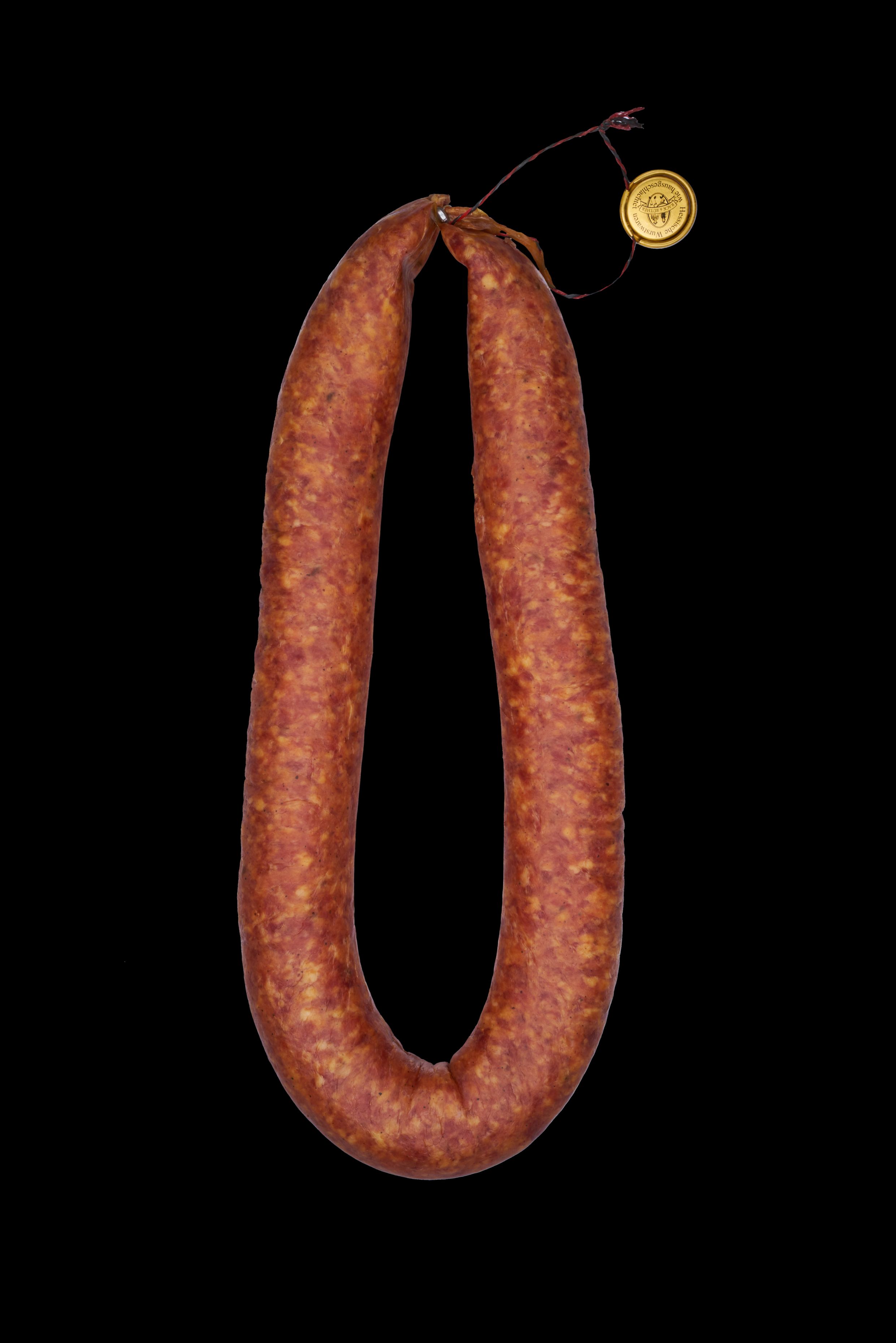
Rack & Rüther GmbH
Rack & Rüther GmbH Steinbreite 14 34277 Fuldabrück
Detection of shigatoxin-producing Escherichia coli (STEC)
An EHEC (synonyms: STEC, VTEC) disease usually manifests itself within a week after infection with diarrhea and abdominal cramps. Babies, small children, the elderly and people with a weakened immune system in particular can develop more severe illnesses with bloody diarrhea. Rarely, especially in small children, acute kidney failure can occur in a second flare-up a few days after the onset of diarrhea. Anyone who has eaten this food and develops severe or persistent symptoms should seek medical attention and report possible EHEC infection. It makes no sense to seek preventive medical treatment without symptoms.
Further information on the pathogen can be found here: http://www.infectionsschutz.de/erregersteckbriefe/ehec/
For more information, please refer to the attached customer information.
Posted in E.coli, food contamination, food handler, Food Hazard, Food Hygiene, Food Inspections, Food Micro Blog, Food Microbiology, Food Microbiology Blog, Food Microbiology Testing, Food Pathogen, Food Poisoning, food recall, Food Safety, Food Safety Alert, Food Safety Management, Food Testing, Food Toxin, STEC, STEC E.coli, VTEC
Abstract
We describe the recent detection of 3 Shiga toxin–producing enteroaggregative Escherichia coli O104:H4 isolates from patients and 1 from pork in the Netherlands that were genetically highly similar to isolates from the 2011 large-scale outbreak in Europe. Our findings stress the importance of safeguarding food supply production chains to prevent future outbreaks.
Shiga toxin–producing Escherichia coli (STEC) is a zoonotic pathogen that causes illness ranging from mild diarrhea to haemolytic uremic syndrome and death. During 2011, an exceptionally large outbreak caused by serotype O104:H4 STEC occurred in Europe, mainly in Germany and France, that was associated with sprouts grown from imported fenugreek seeds (1). Besides the ability to produce Shiga toxin, specifically stx2a, the strain had the genetic characteristics and phylogenetic backbone of an enteroaggregative E. coli (EAEC) pathotype (2) but lacked other classical STEC virulence markers eae and hlyA (3). In addition, the outbreak strain carried plasmid-borne blaCTX-M-15 and blaTEM-1 genes. The epidemiologic investigation revealed that a contaminated batch of fenugreek seeds imported into the European Union from Egypt was the most probable source of the pathogen causing the outbreak (4).
After the 2011 outbreak in Germany and France, only a few sporadic cases of infection with Shiga toxin–producing EAEC O104:H4 were reported, most related to travel to Turkey or North Africa (5–8). We describe the sporadic occurrence of Shiga toxin–producing EAEC O104:H4 isolates in the Netherlands, originating from 2 clinical cases from 2019 and 2020 and 1 food isolate from 2017. In addition, we report a clinical case from Austria in 2021.
Posted in Decontamination Microbial, E.coli O104, Food Micro Blog, Food Microbiology, Food Microbiology Blog, Food Microbiology Research, Food Microbiology Testing, Food Pathogen, Haemolytic Uremic Syndrome, HUS, microbial contamination, Microbiological Risk Assessment, Microbiology, Microbiology Investigations, Microbiology Risk, Pathogen, pathogenic, Research, STEC, STEC E.coli, Zoonosis
Another 13 people have been confirmed sick in an outbreak of E. coli O157:H7 infections linked to lettuce on sandwiches from Wendy’s restaurants. Two states have been added to the outbreak.
Half of the 97 outbreak patients have been so sick that they had to be admitted to hospitals. Of the 43 hospitalized people, 10 have developed a kind of kidney failure known as hemolytic uremic syndrome (HUS), according to the Centers for Disease Control and Prevention.
Among the 67 people with detailed food histories, 81 percent reported eating at Wendy’s restaurants. Of 54 people with further information about what they ate at Wendy’s, 37 reported eating romaine lettuce served on burgers and other sandwiches.
Posted in food bourne outbreak, Food Illness, Food Micro Blog, Food Microbiology, Food Microbiology Blog, Food Microbiology Testing, Foodborne Illness, foodborne outbreak, foodbourne outbreak, Illness, microbial contamination, Microbiological Risk Assessment, Microbiology, Microbiology Investigations, Microbiology Risk, outbreak, STEC, STEC E.coli
STEC in Spinach and arugula from the Netherlands in Belgium, Cyprus, Denmark, Germany, Kuwait, Netherlands, Portugal, USA, UK, Qatar and Spain
Suspicion of enterohaemorrhagic Escherichia coli in salami with truffles from Italy in Germany
STEC (stx+;eae+) in bovine carcass from Belgium in the Netherlands
Presence of E.coli STEC in bovine meat (sirloin) from Uruguay in Spain
Posted in Enterohaemorrhagic Escherichia coli, food contamination, food handler, Food Hazard, Food Hygiene, Food Inspections, Food Micro Blog, Food Microbiology, Food Microbiology Blog, Food Microbiology Testing, Food Pathogen, Food Poisoning, food recall, Food Safety, Food Safety Alert, Food Safety Management, Food Testing, Food Toxin, RASFF, STEC, STEC E.coli
Posted in food contamination, food handler, Food Hazard, Food Hygiene, Food Inspections, Food Micro Blog, Food Microbiology, Food Microbiology Blog, Food Microbiology Testing, Food Pathogen, Food Poisoning, food recall, Food Safety, Food Safety Alert, Food Safety Management, Food Testing, Food Toxin, NVWA, STEC, STEC E.coli

 FoodWorld