Category Archives: STEC E.coli

USA – Five people hospitalized in E. coli O157 outbreak at the University of Arkansas

The Washington Post

Health officials are investigating an outbreak of E. coli food poisoning among students at the University of Arkansas, with dozens reporting symptoms and five people needing treatment in the hospital.

Among those affected are two 19-year-old sorority members who developed a serious complication that can lead to kidney failure after being infected with the E. coli strain O157:H7. That’s according to Bill Marler, a Seattle food safety lawyer who said he reviewed the patients’ medical records after being contacted by the families.

USA – Dean & Peeler Meatworks, LLC, Recalls Fresh Ground Beef Products Due to Possible E. Coli O157:H7 Contamination

FSIS USDA

WASHINGTON, Aug. 29, 2023 – Dean & Peeler Meatworks, LLC, a Poth, Texas establishment, is recalling approximately 1,835 pounds of fresh ground beef products that may be contaminated with E. coli O157:H7, the U.S. Department of Agriculture’s Food Safety and Inspection Service (FSIS) announced today.

The fresh ground beef products were produced on August 22, 2023. The following products are subject to recall [view labels]:

  • 1-lb., 5-lb., and 10-lb. vacuum-sealed plastic bags containing “Peeler Farms WAGYU BEEF GROUND BEEF” with lot code 17836 represented on the label.
  • 5-lb. vacuum-sealed plastic bags containing “R-C RANCH TEXAS CRAFT MEATS WAGYU RC13610 STEAKHOUSE BLEND – GROUND BEEF 5 lb” with lot code 17816 represented on the label.
  • 8-oz. vacuum-sealed plastic bags containing “R-C RANCH TEXAS CRAFT MEATS WAGYU RC13603 – GROUND BEEF PATTIES 8 oz” with lot code 17816 represented on the label.

The products subject to recall bear establishment number “EST. 51283” inside the USDA mark of inspection. These items were shipped to restaurant locations in the greater San Antonio, Texas, area.

The issue was reported to FSIS after the ground beef product was submitted to a third-party laboratory for microbiological analysis and the sample tested presumptive positive for E. coli O157:H7. There have been no confirmed reports of adverse reactions due to consumption of these products.

Anyone concerned about an injury or illness should contact a healthcare provider. E. coli O157:H7 is a potentially deadly bacterium that can cause dehydration, bloody diarrhea and abdominal cramps 2-8 days (3-4 days, on average) after exposure the organism. While most people recover within a week, some develop a type of kidney failure called hemolytic uremic syndrome (HUS). This condition can occur among persons of any age but is most common in children under 5-years old and older adults. It is marked by easy bruising, pallor, and decreased urine output. Persons who experience these symptoms should seek emergency medical care immediately.

FSIS is concerned that some product may be in restaurant refrigerators or freezers. Restaurants are urged not to serve these products. These products should be thrown away or returned to the place of purchase.

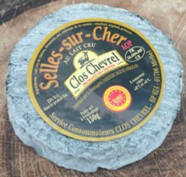
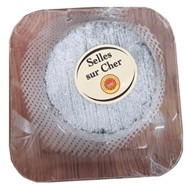
France – Various Cheeses – STEC E.coli 026/O103

Gov france

Gov france

Gov france

Quebec – Notice not to consume lean ground meat (beef or veal) prepared and sold by Boucherie du Terroir in Montreal – STEC E.coli

Quebec

The Ministry of Agriculture, Fisheries and Food (MAPAQ), in collaboration with the Food Inspection Division of the City of Montreal and the company Boucherie du Terroir, located at 2625, boulevard Rosemont , in Montreal, warns the public not to consume the products indicated in the table below, because these foods are likely to contain the bacterium E. coli producing shigatoxins.

Product name

Format

State

Batch

“LEAN GROUND BEEF”

Variable

Refrigerated

Packed: August 10, 2023


Best before: August 17, 2023

“LEAN GROUND VEAL”

The products that are the subject of this warning have been offered for sale only at 2625, boulevard Rosemont , in Montreal (Valmont grocery store). They were vacuum-packed in a transparent plastic wrapper. The label of the products included, in addition to their name, the words “Boucherie Valmont”.

The operator is voluntarily recalling the products in question. It has agreed with MAPAQ and the Food Inspection Division of the City of Montreal to distribute this warning as a precautionary measure. Also, people who have any of these products in their possession are advised not to consume it. They must return it to the establishment where they bought it or throw it away.

It should be noted that proper cooking of meat destroys the  E. coli  bacteria in all cases. The preparation of ready meals, such as spaghetti sauce, shepherd’s pie or meat pie, requires a long enough cooking time and a high enough temperature to destroy the bacteria.

Foods contaminated with the E. coli bacterium that produces shigatoxins do not necessarily show any visible spoilage or suspicious smell, but the consumption of these foods can cause serious and even fatal illnesses. They are manifested by diarrhea and abdominal pain, often accompanied by blood in the stool. These symptoms usually appear two to ten days after eating contaminated food. Nausea, vomiting and sometimes fever may also occur. When these symptoms appear, it is strongly recommended to consult a doctor without delay. Most symptoms disappear within five to ten days.

It should be noted that no case of illness associated with the consumption of these foods has been reported to MAPAQ to date.

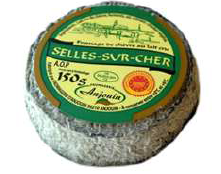
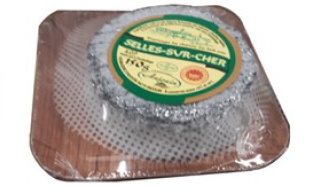
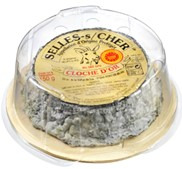
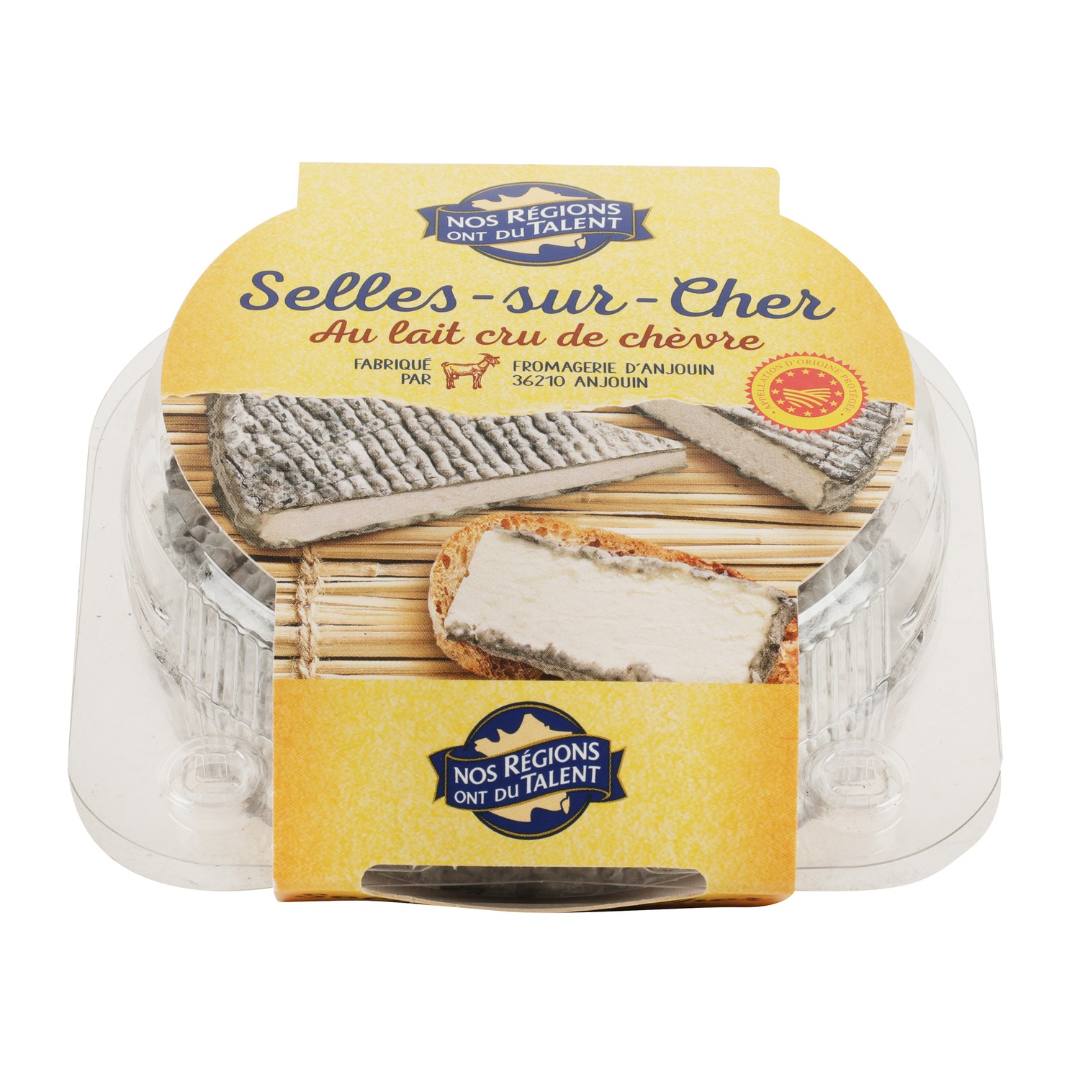
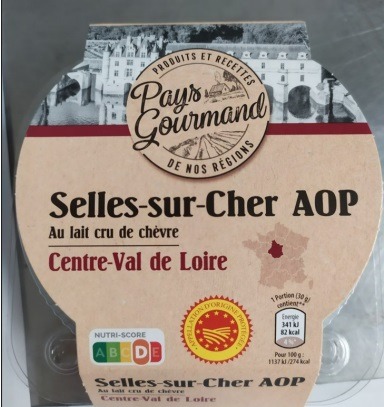
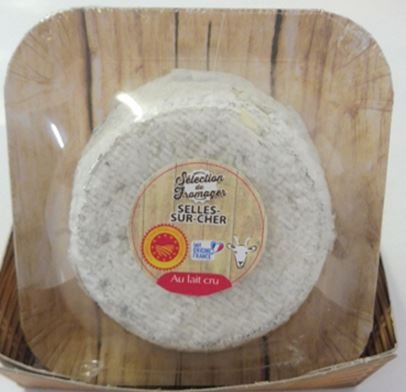
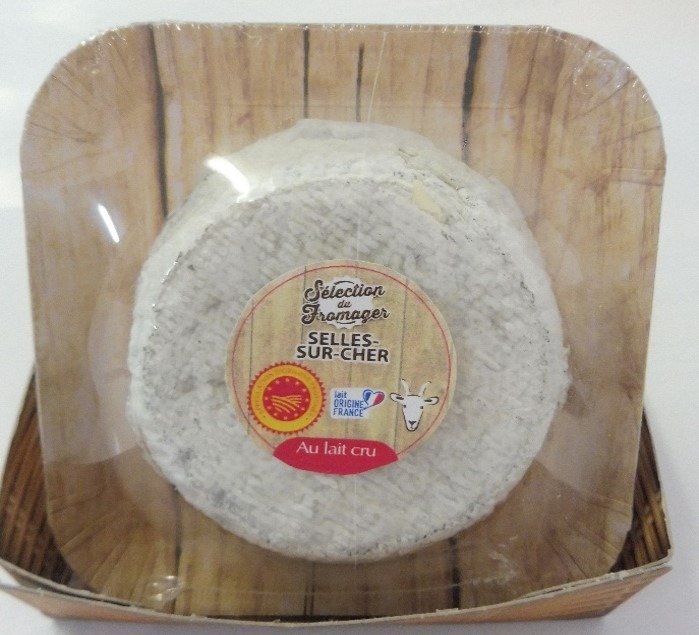
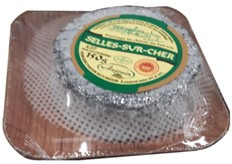
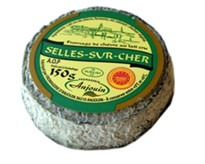
Luxembourg – Selles-sur-Cher AOP from the Fromagerie d’Anjouin brand – STEC E.coli O26/O103

SAP

The following products are recalled in Luxembourg: 

Name Selles-sur-Cher AOP
Brand Anjouin cheese dairy
Conditioning The cutting
Unit 150g
bar code 3301170007002
Date of minimum durability (MDD) 10/10/2023
Batch S222T2
Sale period from 08/23/2023 to 08/26/2023
Name Selles-sur-Cher AOP
Brand Anjouin cheese dairy
Conditioning tray
Unit 150g
bar code 3301170070105
Date of minimum durability (MDD) 10/10/2023
Batch S222T2
Sale period from 08/23/2023 to 08/26/2023

Danger  : Presence of E. coli STEC O103 and O26 – Escherichia coli likely to produce toxins (shiga toxins)

Escherichia coli STEC O103:H2 and O26:H11 can cause, in the week following consumption, possibly hemorrhagic gastroenteritis, accompanied or not by fever, and which can be followed by severe renal complications in young children. People who have consumed the products mentioned above and who present this type of symptom are invited to consult a doctor and report this consumption to him.

Sale confirmed in Luxembourg by: Auchan.

A sale by other operators cannot be excluded.

Information Source: Recall Notification

France – Various Cheese – SADDLES ON CHER – STEC E.coli O26 and O103

Gov france

SADDLES ON CHER AOP

Gov france

SADDLES ON CHER AOP 150G

Gov france

SADDLES ON CHER PDO 150g

Gov france

Gov france

Saddles on Cher

RASFF

Saddles on Cher AOP

France – Cheese – SADDLES ON CHER AOP – STEC E.coli O26 and O103

Gov france

  • Product category Food
  • Product subcategory Milk and dairy products
  • Product brand name Anjouin Cheese Factory
  • Model names or references SADDLES ON CHER AOP 150G
  • Identification of products
    GTIN Batch Date
    0003301170070105 S222T2 Date of minimum durability 10/10/2023
  • Packaging 150G tray
  • Marketing start/end date From 08/23/2023 to 08/25/2023
  • Storage temperature Product to be stored in the refrigerator
  • Health mark EN 36.004.001 EC
  • Geographic area of ​​sale Whole France
  • Distributors CARREFOUR AUCHAN

France – Cheese – SADDLES ON CHER AOP – STEC E.coli O26 and O103

Gov france

  • Product category Food
  • Product subcategory Milk and dairy products
  • Product brand name Anjouin Cheese Factory
  • Model names or references SADDLES ON CHER AOP 150G
  • Identification of products
    GTIN Batch Date
    0003301170007002 S220T2 Date of minimum durability 07/10/2023
    0003301170007002 S222T2 Date of minimum durability 10/10/2023
  • Packaging By the cup 150G
  • Marketing start/end date From 08/21/2023 to 08/25/2023
  • Storage temperature Product to be stored in the refrigerator
  • Health mark EN 36.004.001 EC
  • Geographic area of ​​sale Whole France
  • Distributor AUCHAN CREM CENTER SYSTEME U ABC PEYRAUD ODEON BUISSON FRANCE FRESH PRO A PRO LA FERME D’ALEXANDRE VALSERINE APS PROLAICENTRE CARREFOUR CARTRY FROMAPAC PONT D’AIN

CDC Research – Reoccurring Escherichia coli O157:H7 Strain Linked to Leafy Greens–Associated Outbreaks, 2016–2019

CDC

Abstract

Genomic characterization of an Escherichia coli O157:H7 strain linked to leafy greens–associated outbreaks dates its emergence to late 2015. One clade has notable accessory genomic content and a previously described mutation putatively associated with increased arsenic tolerance. This strain is a reoccurring, emerging, or persistent strain causing illness over an extended period.

Escherichia coli O157:H7 is estimated to cause ≈63,000 domestically acquired foodborne illnesses and 20 deaths in the United States each year (1). E. coli O157:H7 infections are typically associated with abdominal cramps, bloody diarrhea, and vomiting; however, a rare but serious condition called hemolytic uremic syndrome can develop, resulting in anemia and acute renal failure. Healthy cattle serve as the main reservoir for E. coli O157:H7, and contaminated food, water, and environmental sources, as well as contact with animals, have been the source of outbreaks of E. coli O157:H7 infections.

More recently, contaminated leafy greens have been recognized as a major source of E. coli O157:H7 illnesses and outbreaks. In foodborne illness attribution estimates for 2020 based on outbreak data, 58.1% of E. coli O157:H7 illnesses were attributed to vegetable row crops, a category that includes leafy greens (https://www.cdc.gov/foodsafety/ifsac/annual-reports.html). During 2009–2018, a total of 32 confirmed or suspected outbreaks of E. coli O157:H7 infections linked to contaminated leafy greens occurred in the United States and Canada (5).

A large E. coli outbreak in late 2019, hereafter referred to as outbreak A, caused 167 cases, hospitalized 85 persons from 27 states, and was associated with the consumption of romaine lettuce from Salinas Valley, California, USA (https://www.cdc.gov/ecoli/2019/o157h7-11-19/index.html). We characterized isolates from outbreak A and highly related isolates by using a variety of molecular methods.


Research – Effectiveness of Ultra-High Irradiance Blue Light-Emitting Diodes in Inactivating Escherichia coli O157:H7 on Dry Stainless Steel and Cast-Iron Surfaces

MDPI

Abstract

The use of blue light-emitting diodes (LEDs) is emerging as a promising dry decontamination method. In the present study, LEDs emitting ultra-high irradiance (UHI) density at 405 nm (842 mW/cm2) and 460 nm (615 mW/cm2) were used to deliver high-intensity photoinactivation treatments ranging from 221 to 1107 J/cm2. The efficacy of these treatments to inactivate E. coli O157:H7 dry cells was evaluated on clean and soiled stainless steel and cast-iron surfaces. On clean metal surfaces, the 405 and 460 nm LED treatment with a 221 J/cm2 dose resulted in E. coli reductions ranging from 2.0 to 4.1 log CFU/cm2. Increasing the treatment energy dose to 665 J/cm2 caused further significant reductions (>8 log CFU/cm2) in the E. coli population. LED treatments triggered a significant production of intracellular reactive oxygen species (ROS) in E. coli cells, as well as a significant temperature increase on metal surfaces. In the presence of organic matter, intracellular ROS generation in E. coli cells dropped significantly, and treatments with higher energy doses (>700 J/cm2) were required to uphold antimicrobial effectiveness. The mechanism of the bactericidal effect of UHI blue LED treatments is likely to be a combination of photothermal and photochemical effects. This study showed that LEDs emitting monochromatic blue light at UHI levels may serve as a viable and time-effective method for surface decontamination in dry food processing environments.