Category Archives: Shellfish

USA – DPH warns residents about severe Vibrio infections caused by consumption of raw shellfish or exposure to salt or brackish water

CT Portal

The Connecticut Department of Public Health (DPH) is warning residents about the potential dangers of consuming raw shellfish and exposure to salt or brackish water along Long Island Sound, due to severe Vibrio vulnificus infections.

 Since July 1, three cases of V. vulnificus infections have been reported to DPH. The three patients are between 60-80 years of age. All three patients were hospitalized and one died.  One patient reported consuming raw oysters from an out-of-state establishment. Two patients reported exposure to salt or brackish water in Long Island Sound. Both patients had pre-existing open cuts or wounds or sustained new wounds during these activities which likely led to the infections. 

 “The identification of these severe cases, including one fatality, due to V. vulnificus is concerning,” said DPH Commissioner Manisha Juthani, MD. “People should consider the potential risk of consuming raw oysters and exposure to salt or brackish water and take appropriate precautions. Particularly during the hottest months of the summer, bacteria are more likely to overgrow and contaminate raw shellfish. Given our current heat wave, this may be a time to exercise particular caution in what you consume.”
New Zealand – Shellfish Biotoxin Alert – Port Underwood – South Island

MPI

South Island warning

Reason for alert Paralytic Shellfish Poisoning (PSP)

Date warning issued 31 May 2023
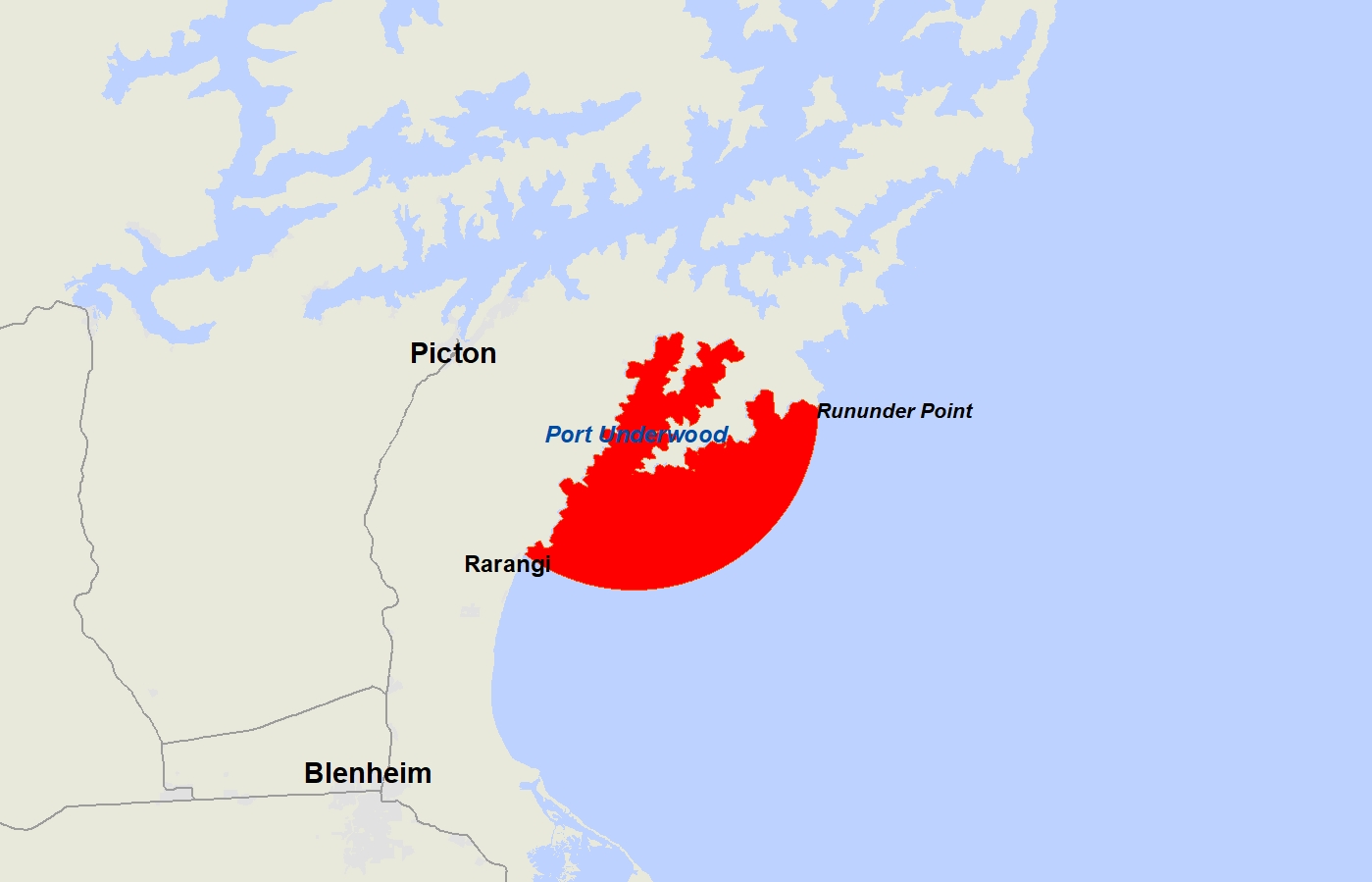
Affected area Port Underwood
Shellfish affected Mussels, oysters, tuatua, pipi, toheroa, cockles, scallops, catseyes, kina (sea urchin) and all other bivalve shellfish.

Note, cooking shellfish does not remove the toxin.

Pāua, crab and crayfish may still be eaten if the gut has been completely removed prior to cooking, as toxins accumulate in the gut. If the gut is not removed its contents could contaminate the meat during the cooking process.

Symptoms Symptoms typically appear between 10 minutes and 3 hours after ingestion and may include:

  • numbness and a tingling (prickly feeling) around the mouth, face, and extremities (hands and feet)
  • difficulty swallowing or breathing
  • dizziness
  • headache
  • nausea
  • vomiting
  • diarrhoea
  • paralysis and respiratory failure and in severe cases, death.
Other information Paralytic shellfish toxins have been detected in mussels throughout Port Underwood at levels well over the safe limit of 0.8mg/kg set by New Zealand Food Safety. Ongoing testing will continue and any changes will be communicated accordingly.

Map of the affected area

Map of affected area from Rarangi to Rununder Point, Port Underwood area in Marlborough.

New Zealand – Shellfish biotoxin alerts – PSP

MPI

South Island warning

Reason for alert Paralytic Shellfish Poisoning (PSP)

Date warning issued 31 May 2023
Affected area Port Underwood
Shellfish affected Mussels, oysters, tuatua, pipi, toheroa, cockles, scallops, catseyes, kina (sea urchin) and all other bivalve shellfish.

Note, cooking shellfish does not remove the toxin.

Pāua, crab and crayfish may still be eaten if the gut has been completely removed prior to cooking, as toxins accumulate in the gut. If the gut is not removed its contents could contaminate the meat during the cooking process.

Symptoms Symptoms typically appear between 10 minutes and 3 hours after ingestion and may include:

  • numbness and a tingling (prickly feeling) around the mouth, face, and extremities (hands and feet)
  • difficulty swallowing or breathing
  • dizziness
  • headache
  • nausea
  • vomiting
  • diarrhoea
  • paralysis and respiratory failure and in severe cases, death.
Other information Paralytic shellfish toxins have been detected in shellfish from the Kaipara Harbour at levels over the safe limit of 0.8mg/kg set by MPI. Ongoing testing will continue and any changes will be communicated accordingly.

Map of the affected area

Map of affected area from Rarangi to Rununder Point, Port Underwood area in Marlborough.

New Zealand – North Island warning Extended – PSP

MPI

North Island warning

Reason for alert Paralytic Shellfish Poisoning (PSP)

Date warning issued Extended 18 May 2023

10 May 2023

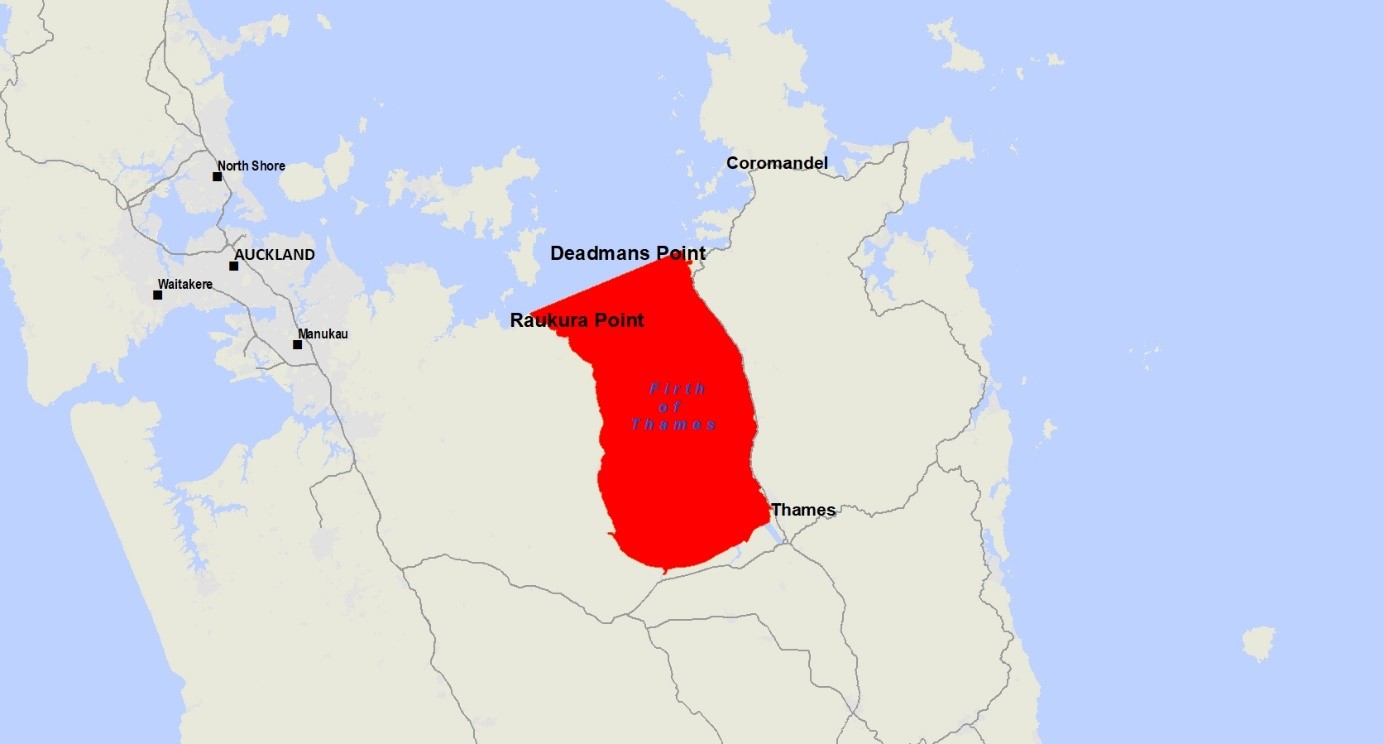
Affected area Firth of Thames.
Shellfish affected Mussels, oysters, tuatua, pipi, toheroa, cockles, scallops, catseyes, kina (sea urchin) and all other bivalve shellfish.

Note, cooking shellfish does not remove the toxin.

Pāua, crab and crayfish may still be eaten if the gut has been completely removed prior to cooking, as toxins accumulate in the gut. If the gut is not removed its contents could contaminate the meat during the cooking process.

Symptoms Symptoms typically appear between 10 minutes and 3 hours after ingestion and may include:

  • numbness and a tingling (prickly feeling) around the mouth, face, and extremities (hands and feet)
  • difficulty swallowing or breathing
  • dizziness
  • headache
  • nausea
  • vomiting
  • diarrhoea
  • paralysis and respiratory failure and in severe cases, death.
Other information Paralytic shellfish toxins have been detected in shellfish from the Kaipara Harbour at levels over the safe limit of 0.8mg/kg set by MPI. Ongoing testing will continue and any changes will be communicated accordingly.

Map of the affected area

Map of affected area from Raukura Point across to Deadmans Point.

Public warnings about toxic shellfish

We test shellfish and seawater for toxic algae every week from popular shellfish gathering areas around New Zealand. If the shellfish are not safe to eat, we issue public health warnings and put up signs at affected beaches.

RASFF Alerts – ASP Toxins – Tellins

RASFF

ASP toxins in Tellins from France in Spain

New Zealand – Shellfish biotoxin alert – Firth of Thames

MPI

New Zealand Food Safety today issued a public health warning advising the public not to collect or consume shellfish harvested from the entire Firth of Thames area up to a line from Raukura Point across to Deadmans Point.

Routine tests on shellfish samples taken from this region have shown levels of Paralytic Shellfish Poisoning (PSP) toxins above the safe limit of 0.8 mg/kg set by New Zealand Food Safety. Anyone eating shellfish from this area is potentially at risk of illness.

See a map of the warning

Mussels, oysters, tuatua, pipi, toheroa, cockles, scallops, catseyes, kina (sea urchin) and all other bivalve shellfish should not be eaten.

Note: cooking shellfish does not remove the toxin.

Pāua, crab and crayfish may still be eaten if the gut has been completely removed prior to cooking, as toxins accumulate in the gut. If the gut is not removed its contents could contaminate the meat during the cooking process.

Symptoms typically appear between 10 minutes and 3 hours after ingestion and may include:

  • numbness and a tingling (prickly feeling) around the mouth, face, and extremities (hands and feet)
  • difficulty swallowing or breathing
  • dizziness
  • headache
  • nausea
  • vomiting
  • diarrhoea
  • paralysis and respiratory failure and in severe cases, death.

If anyone becomes ill after eating shellfish from an area where a public health warning has been issued, phone Healthline for advice on 0800 61 11 16, or seek medical attention immediately. You are also advised to contact your nearest public health unit and keep any leftover shellfish in case it can be tested.

Monitoring of toxin levels will continue and any changes will be communicated accordingly. Commercially harvested shellfish – sold in shops and supermarkets, or exported – is subject to strict water and flesh monitoring programmes by MPI to ensure they are safe to eat.

New Zealand – Shellfish Biotoxin Alert – North Island

MPI

Current warning

Kaipara Harbour, Auckland

NORTH ISLAND WARNING

Reason for alert Paralytic Shellfish Poisoning (PSP)

Date warning issued 10 February 2023

Media release

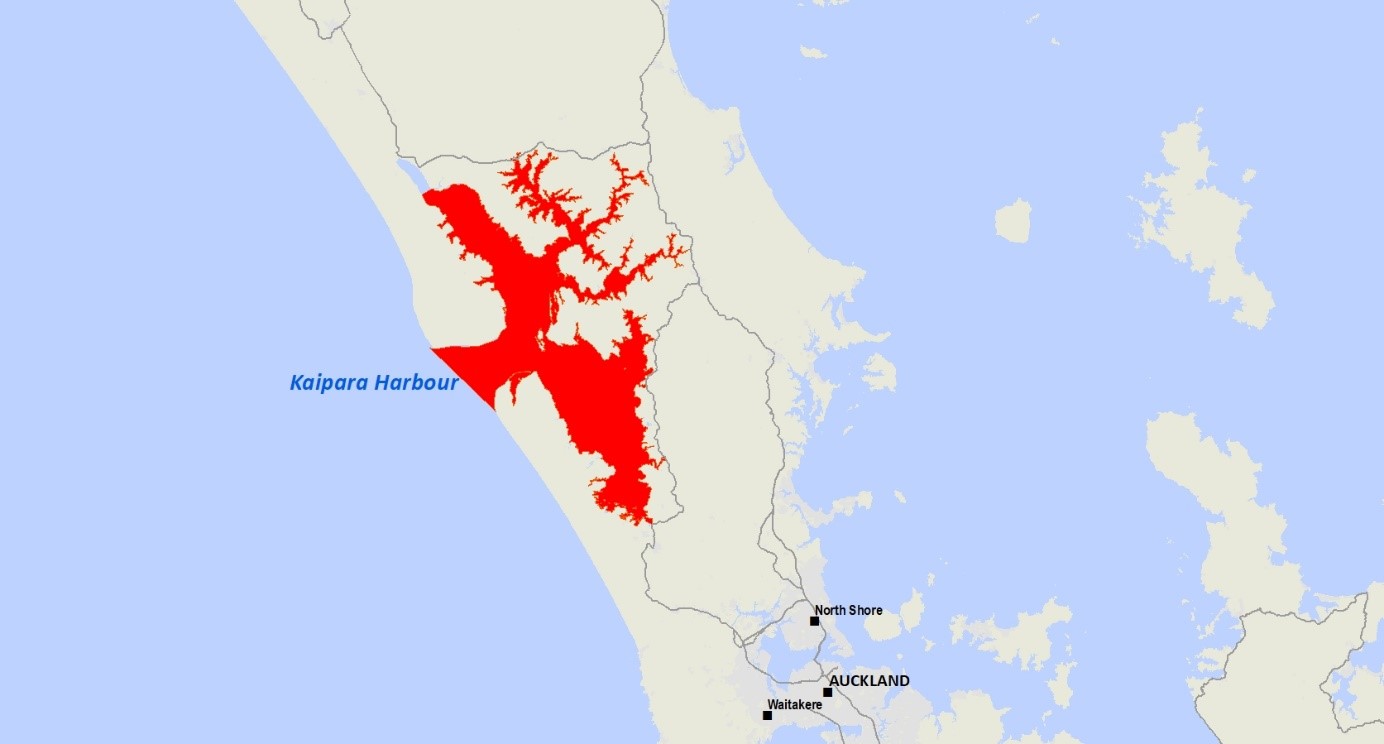
Affected area The warning extends throughout the whole of the Kaipara Harbour up to a line across the entrance from the top of Oneone Beach across to North Head.
Shellfish affected Mussels, oysters, tuatua, pipi, toheroa, cockles, scallops, catseyes, kina (sea urchin) and all other bivalve shellfish.

Note, cooking shellfish does NOT remove the toxin.

Pāua, crab and crayfish may still be eaten if the gut has been completely removed prior to cooking, as toxins accumulate in the gut. If the gut is not removed its contents could contaminate the meat during the cooking process.

Symptoms Symptoms typically appear between 10 minutes and 3 hours after ingestion and may include:

  • numbness and a tingling (prickly feeling) around the mouth, face, and extremities (hands and feet)
  • difficulty swallowing or breathing
  • dizziness
  • headache
  • nausea
  • vomiting
  • diarrhoea
  • paralysis and respiratory failure and in severe cases, death.
Other information Paralytic shellfish toxins have been detected in shellfish from the Kaipara Harbour at levels over the safe limit of 0.8mg/kg set by MPI. Ongoing testing will continue and any changes will be communicated accordingly.

Map of affected area

RASFF Alert – Pinnatoxins – Mussels

RASFF

Pinnatoxins in fresh mussels from the Netherlands in Belgium

Pinnatoxins (PnTXs) are toxins produced by marine microalgae called Vulcanodinium rugosum that can accumulate in shellfish. These marine biotoxins were first identified in France in 2011 in mussels from the Ingril lagoon in the Hérault département. Since then, analyses carried out in mussels from this lagoon have shown high concentrations of PnTXs for several months each year.

Pinnatoxins have also been detected, to a lesser extent, in other regions of France, notably in mussels from other Mediterranean lagoons (Vic, le Prévost, Thau, Leucate) and on the Atlantic and Corsican coasts. Outside France, data on shellfish contamination by PnTXs have also been reported in Canada, Australia, New Zealand, and other countries in Northern and Southern Europe.

RASFF Alert – Marine Biotoxin – Live Slipper Clams

RASFF

HIGH LEVELS OF LIPOPHILIC BIOTOXINS IN LIVE SLIPPER CLAM (VENERUPIS CORRUGATA) FROM PORTUGAL in Spain

Lipophilic marine biotoxins include okadaic acid, pectenotoxin, yessotoxin and azaspiracid groups.

Research – Evaluation of a test method to detect hepatitis A virus in salted shellfish

Wiley Online

Contaminated salted shellfish were a suspected cause of the 2019 hepatitis A outbreak in Korea; however, no virus was detected in the shellfish by the virus detection tests used. In this study, we investigated the shortcomings of these detection tests for identifying hepatitis A virus in salted shellfish to serve as a guide for improvement of these tests. Salted shellfish were washed and desalted before collecting the mid‐guts for testing. For verification of the method, the mid‐guts were first inoculated with norovirus and then RT‐qPCR was performed to determine the presence of norovirus genes. The norovirus gene was amplified normally along with an internal positive control; however, when the nucleic acid was extracted to be concentrated, gene amplification was inhibited. Since NaCl was the suspected contaminant, RT‐qPCR was then performed on samples that had been desalinated for 2 days, and hepatitis A virus genes were successfully detected. Gene amplification enabled analyzing the relationship between patients in the outbreak and the distributed salted shellfish. To detect viral contamination in salted and fermented specimens such as salted shellfish, it is imperative to extract the mid‐gut intestinal tract and remove any PCR inhibitors (e.g., excess salt). In this study, desalting salted shellfish using sterile distilled water before harvesting the mid‐gut was effective in facilitating hepatitis A detection. Development of future test methods requires accurately determining the effect of PCR inhibitors through the incorporation of an IPC in genetic detection tests.