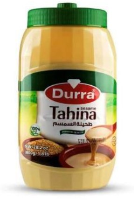
El Khawas Trade GmbH
El Khawas Trade GmbH Schwelmerstr. 185 42389 Wuppertal
LOT NO. 298
Reference is made to the attached product recall.
El Khawas Trade GmbH
El Khawas Trade GmbH Schwelmerstr. 185 42389 Wuppertal
LOT NO. 298
Reference is made to the attached product recall.
Posted in food contamination, food handler, Food Hazard, Food Hygiene, Food Inspections, Food Micro Blog, Food Microbiology, Food Microbiology Blog, Food Microbiology Testing, Food Pathogen, Food Quality, food recall, Food Safety, Food Safety Alert, Food Safety Management, Food Safety Regulations, Food Testing, Salmonella
Brand : TOMINO DEL CANAVESE NONNO CASARO
Denomination : SOFT CHEESE WITH SLIGHTLY MOLDED EDIBLE RIND
Reason for reporting : Remind for microbiological risk
Date of publication : 18 April 2023
Posted in food contamination, food handler, Food Hazard, Food Hygiene, Food Inspections, Food Micro Blog, Food Microbiology, Food Microbiology Blog, Food Microbiology Testing, Food Pathogen, Food Quality, food recall, Food Safety, Food Safety Alert, Food Safety Management, Food Safety Regulations, Food Testing, Salmonella
Brand : Caseificio Longo Srl
Denomination : “Tomino piemontese” soft cheese
Reason for reporting : Recall for microbiological risk
Publication date : 17 April 2023
Posted in food contamination, food handler, Food Hazard, Food Hygiene, Food Inspections, Food Micro Blog, Food Microbiology, Food Microbiology Blog, Food Microbiology Testing, Food Pathogen, Food Quality, food recall, Food Safety, Food Safety Alert, Food Safety Management, Food Safety Regulations, Food Testing, Salmonella
Salmonella has struck again with a recent multistate outbreak spanning eleven states, resulting in at least a dozen ill including three requiring hospitalization. The CDC has identified raw flour as the culprit, but are still trying to pinpoint which brand(s). The sources of these victims’ illnesses have been identified as both raw dough and batter, with the only common denominator in these consumed products being raw flour.
Baked/fully cooked flour isn’t an issue, but the problem is that many people consume flour raw by eating cookie dough or batter before cooking it. Although it can be fun to “try a little on your finger” before it goes into the oven and has a chance to cook, this is an inherently dangerous practice. The flour in these uncooked products is raw, which means it hasn’t been treated for bacteria yet (one way to “treat” food is to heat it to a sufficient temperature, as is done with cakes and cookies). Cooking the product eliminates the bacteria, therefore drastically reducing the chance of becoming ill.
This is why it is extremely important that when making these types of foods that consumers follow the instructions for how high the temperature needs to be when cooking, and for how long a product needs to bake. Thee instructions aer both to provide a well-cooked product, but also for safety. These directions are on the packaging to ensure that your food isn’t undercooked, which is a strong contributor to illness.
Posted in food contamination, food handler, Food Hazard, Food Hygiene, Food Illness, Food Inspections, Food Micro Blog, Food Microbiology, Food Microbiology Blog, Food Microbiology Research, Food Microbiology Testing, Food Pathogen, Food Quality, food recall, Food Safety, Food Safety Alert, Food Safety Management, Food Safety Regulations, food safety training, foodborne outbreak, foodbourne outbreak, outbreak, Salmonella
Posted in food contamination, food handler, Food Hazard, Food Hygiene, Food Inspections, Food Micro Blog, Food Microbiology, Food Microbiology Blog, Food Microbiology Testing, Food Pathogen, Food Quality, food recall, Food Safety, Food Safety Alert, Food Safety Management, Food Safety Regulations, Food Testing, NVWA, Salmonella
The Public Health Agency of Canada is investigating an outbreak occurring in eight provinces of Salmonella infections linked to snakes and feeder rodents.
As of April 13, 2023, there are 45 confirmed cases of Salmonella illness reported in this outbreak in the following provinces: British Columbia (1), Alberta (5), Saskatchewan (1), Manitoba (3), Ontario (22), Quebec (11), New Brunswick (1) and Newfoundland and Labrador (1).
Individuals became sick between February 2022 and March 2023. Nine individuals have been hospitalized. One person has died and provincial public health partners have confirmed that Salmonella was the cause of death.
Individuals who became ill are between 0 and 96 years of age. Nine of 45 (20%) of the cases are under 5 years of age. Approximately half of the cases (51%) are male.
Many of the individuals who became sick reported having direct or indirect contact with snakes and feeder rodents (used as reptile food) before their illnesses occurred.
Salmonellosis is a well-known foodborne illness caused by Salmonella bacteria. However, it can also occur if a person does not properly wash their hands after handling pets and farm animals, such as pet reptiles or baby chicks.
Posted in Animal Feed Salmonella, Salmonella, Uncategorized
A glass of raw milk for breakfast, a roll with raw ham in the lunch break and a homemade smoothie with frozen berries in the afternoon – raw or unheated food is a regular part of the population’s menu. This is shown by a current, representative survey by the Federal Institute for Risk Assessment ( BfR ). Raw animal and vegetable products should be consumed with caution. They can contain pathogenic germs such as salmonella, listeria and campylobacter and lead to foodborne infections. Small children, people with previous illnesses, the elderly and pregnant women are particularly at risk. “The health risks of raw foods are often underestimated,” says BfR-President Professor Dr. dr Andrew Hensel. “Heating protects. Diseases can be avoided with simple kitchen hygiene rules. Sensitive groups of people in particular should only eat raw animal food that has been sufficiently heated.”
To the BfR Consumer Monitor Special information brochure, raw foods:
Verbrauchermonitor-2023-spezial-rohe-lebensmittel.pdf (586.9 KB)The particularly popular raw foods include raw sausage and raw ham, which are eaten several times a week by more than a third of those surveyed. At least one to three times a month, 73 percent of those surveyed eat raw meat and sausage products, followed by soft cheese made from raw milk (57 percent). Other foods eaten with the same frequency by around a third of those surveyed are raw meat (38 percent), cold-smoked fish (33 percent) and frozen berries (33 percent). While about one in five (21 percent) eats raw sweet dough with eggs at least once or three times a month, it is still one in eight (12 percent) when it comes to raw dough without eggs. 19 percent of respondents drink raw milk at least one to three times a month.
Every year around 100,000 diseases are reported in Germany that may have been caused by bacteria, viruses or parasites in food. The number of unreported cases is likely to be much higher. While salmonella, listeria and norovirus are known to the majority of the population, the knowledge about other food-related pathogens is less good. Particularly surprising: Although campylobacteriosis has been the most frequently reported bacterial food-borne illness in Germany and Europe for years, only just under a quarter (23 percent) of people know the causative pathogen Campylobacter . The same applies to the abbreviations STEC, EHEC and VTEC for particularly dangerous Escherichia coli-Bacteria (27 percent). The pathogens mentioned can lurk in a large number of raw foods: salmonella and campylobacter in poultry, chicken eggs and raw meat and sausage products, listeria in cold-smoked fish products and raw milk cheese or noroviruses in raw oysters and frozen berries as well as STEC in flour.
The perception of the health risk sometimes differs greatly between different raw or unheated foods. The majority of respondents see a medium to (very) high health risk in particular with raw fish and raw seafood, raw meat, raw eggs and raw sweet dough with eggs. Frozen berries, on the other hand, are perceived as the least risky. Other foods that the majority of those surveyed also associate with a (very) low health risk are soft cheese made from raw milk, cold-smoked fish, raw sausage and raw ham, as well as raw dough without eggs.
In order to protect yourself from foodborne infections, it is important to observe the rules of kitchen hygiene so that pathogens do not spread from raw foods to others. Small children, pregnant women and people with a weakened immune system should only eat raw food from animals if they have been sufficiently heated beforehand.
Via the BfR consumer monitor
Whether antibiotic resistance, microplastics, salmonella or aluminum in food – which health risks are known to the population and what worries them? The BfR Consumer Monitor, a representative population survey that has been carried out regularly since 2014, provides answers to these and other questions . To this end, around 1,000 people living in private households in Germany are being interviewed by telephone on behalf of the BfR . In addition, the BfR conducts representative surveys on individual topics that are of particular current interest, such as tattoos, e-cigarettes, superfoods or additives in food.
Posted in Campylobacter, Decontamination Microbial, food bourne outbreak, Food Illness, Food Micro Blog, Food Microbiology, Food Microbiology Blog, Food Microbiology Research, Food Microbiology Testing, Foodborne Illness, foodborne outbreak, foodbourne outbreak, Listeria, Listeria monocytogenes, microbial contamination, Microbial growth, Microbiological Risk Assessment, Microbiology, Microbiology Investigations, Microbiology Risk, outbreak, Raw Milk, raw milk cheese, Raw Milk Cream, Salmonella
Salmonella Enteritidis in cream cake from Slovenia in Austria
Salmonella in chicken sausages from Belgium in the Netherlands
Detection of Salmonella enteritidis on chicken legs from Poland in France
Salmonella in frozen roasted chicken breast from Ukraine in France, Germany and Netherlands
Salmonella Typhimurium in turkey meat from Poland in Belgium, Czech Republic, Denmark, Germany, Hungary, Romania, Slovakia, Sweden.
Salmonella spp in sesame seeds from Nigeria in Greece and Switzerland
Salmonella spp in sesame seeds from Nigeria in Greece
Salmonella spp. in sesame seeds from Nigeria in Greece
Posted in food contamination, food handler, Food Hazard, Food Hygiene, Food Inspections, Food Micro Blog, Food Microbiology, Food Microbiology Blog, Food Microbiology Testing, Food Pathogen, Food Quality, food recall, Food Safety, Food Safety Alert, Food Safety Management, Food Safety Regulations, Food Testing, Polish Chicken Salmonella, RASFF, Salmonella, Salmonella in Chicken, Salmonella Poland, Salmonella Sesame Seeds

USPOULTRY and the USPOULTRY Foundation have announced the completion of a funded research project at Cargill Inc., in which researchers evaluated egg wash sanitizers to reduce Salmonella contamination on and in turkey eggs. The research was made possible in part by an endowing Foundation gift from Cargill and proceeds from the International Poultry Expo, part of the International Production & Processing Expo (IPPE).
According to the research summary, Salmonella remains the number one cause of foodborne illness in the U.S., which causes an economic burden for the poultry industry as well as public concern for the consumers. As such, the poultry industry must be diligent during processing to reduce Salmonella risk, including interventions for hatch eggs.
Dr. Ted Brown and colleagues at Cargill, Inc. recently completed a research project that evaluated sanitizers with thymol, peracetic acid (PAA), bromine, peroxide, chlorine and quaternary ammonium. The peroxide product proved to be the most effective egg sanitizer at reducing Salmonella prevalence on the egg surface by more than 73%. None of the sanitizers tested in the trial caused damage to the cuticle, and Salmonella did not penetrate the egg.
Posted in Decontamination Microbial, Food Micro Blog, Food Microbiology, Food Microbiology Blog, Food Microbiology Research, Food Microbiology Testing, microbial contamination, Microbial growth, Microbiological Risk Assessment, Microbiology, Microbiology Investigations, Microbiology Risk, Salmonella, Salmonella in Eggs