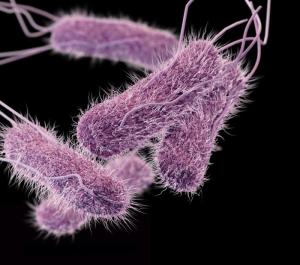
Salmonella is indeed a significant cause of foodborne illness worldwide and can be deadly, especially in certain vulnerable populations. Here are some key points regarding its severity: Read more in the link above

Salmonella is indeed a significant cause of foodborne illness worldwide and can be deadly, especially in certain vulnerable populations. Here are some key points regarding its severity: Read more in the link above
Posted in Animal Feed Salmonella, Food Microbiology Research, Pet Food Salmonella, Polish Chicken Salmonella, Research, Salmonella, Salmonella Betel Leaves, Salmonella Brazil, Salmonella Cantaloupes, Salmonella Dog Food, Salmonella in Black Pepper, Salmonella in Brazil Nuts, Salmonella in Chicken, Salmonella in Chocolate, Salmonella in Eggs, Salmonella in Nuts, Salmonella in Onions, Salmonella in Sprouts, Salmonella Peanut Butter, Salmonella Poland, Salmonella Sesame Seeds, Salmonella Tahini, Salmonella Oranienburg, salmonellosis
A large, cross-border outbreak of nontyphoidal salmonellosis connected to chocolate product consumption was recently reported. This occurrence motivated us to conduct a comprehensive review of existing literature concerning outbreaks of nontyphoidal salmonellosis associated with chocolate consumption.
We performed a systematic review following the Preferred Reporting Items for Systematic Reviews and Meta-Analyses (PRISMA) guidelines (PROSPERO CRD42022369023) in 3 databases: U.S. National Library of Medicine, Web of Science and Excerpta Medica. Google Scholar and the bibliography of each identified report were also screened. Eligible were articles published after 1970, describing outbreaks of more than 10 patients with a nontyphoidal salmonellosis associated with chocolate consumption.
Twenty-three articles were included, which described 12 outbreaks involving a total of 3266 patients. All outbreaks occurred in high-income countries: 1 was limited to 1 city, 6 involved 1 country and the remaining 5 involved 2 or more countries. Six outbreaks peaked in winter, 3 in autumn, 2 in spring and 1 in summer. Children were mainly affected. No predominant serotype was identified.
Our data documents that chocolate is an optimal medium for the transmission of nontyphoidal salmonellosis. A connected worldwide reporting system including high-income, middle-income and low-income countries is crucial to detect infectious diseases outbreaks in an early phase and avoid their spread.
Salmonella Typhimurium in beef from Germany in Denmark, France, Germany, Italy, Portugal, Spain, United Kingdom
Salmonella spp. in snack product from Germany in the Netherlands
Salmonella in betel leaves from India in France
SALMONELLA IN SESAME SEEDS FROM THE REBUBLIC OF CHAD in Greece and the UAE
Salmonella Enteritidis in chilled chicken meat from Poland in the Czech Republic
Salmonella Infantis in chilled chicken legs from Poland in the Czech Republic
Presence of Salmonella spp in mussels (Mytilus edulis) from the Netherlands in Italy
Salmonella Abaetetuba in frozen papaya from Netherlands in Finland
Salmonella in Mousse au Chocolat products (classic and whole milk) in Germany and Switzerland
Salmonella in poultry kebab skewer from Poland in Austria
Detection of Salmonella enteridis on chicken thighs from Poland in France
Suspicion of salmonella contamination in a ham sandwich from France in Switzerland
Salmonella spp. in sugared egg yolk from the Netherlands in Germany
Salmonella Typhimurium in basil from Egypt in Poland
Posted in food contamination, food handler, Food Hazard, Food Hygiene, Food Inspections, Food Micro Blog, Food Microbiology, Food Microbiology Blog, Food Microbiology Testing, Food Pathogen, Food Quality, food recall, Food Safety, Food Safety Alert, Food Safety Management, Food Safety Regulations, Food Testing, Polish Chicken Salmonella, RASFF, Salmonella, Salmonella Betel Leaves, Salmonella in Chicken, Salmonella in Chocolate, Salmonella Poland, Salmonella Sesame Seeds, salmonellosis
The number of outbreaks and people sick in them was higher in 2022 than the year before, according to the Belgian food agency.
Belgium recorded 830 outbreaks in 2022 compared to 547 in 2021, with 4,247 people affected compared to 2,070 in 2021. In 2022, 125 people were hospitalized, and two died.
The rise may partly be because of increased activity in the hospitality, restaurant, and catering sector after large closures because of COVID-19. The various incidents, such as Salmonella contamination at Ferrero, may also have raised consumer awareness and encouraged them to report illnesses, said the Federal Agency for the Safety of the Food Chain (FASFC).
Posted in food bourne outbreak, Food Illness, Food Micro Blog, Food Microbiology, Food Microbiology Blog, Food Microbiology Research, Food Microbiology Testing, Foodborne Illness, foodborne outbreak, foodbourne outbreak, Illness, microbial contamination, Microbial growth, Microbiological Risk Assessment, Microbiology, Microbiology Investigations, Microbiology Risk, outbreak, Salmonella, Salmonella in Chocolate
Ferrero has informed Belgian authorities that it has found Salmonella at the site that was behind a major outbreak in 2022.
The confectionery company notified the Federal Agency for the Safety of the Food Chain (FASFC) of the Salmonella detection in the environment of the Arlon factory. It is not clear when the Salmonella positive was found, when authorities were told or whether it is the same type that was behind the outbreak.
Posted in Chocolate, Food Micro Blog, Food Microbiology, Food Microbiology Blog, Food Microbiology Research, Food Microbiology Testing, microbial contamination, Microbial growth, Microbiological Risk Assessment, Microbiology, Microbiology Investigations, Microbiology Risk, outbreak, Salmonella, Salmonella in Chocolate
10 March 2023: She Universe Ltd is recalling specific batches of its Open Sesame – Almond & Sesame Batons and GoodFor brand Sugar Free Spheres due to the possible presence of Salmonella.


|
Product identification |
|
|---|---|
| Product type | Chocolate |
| Name of product (size) | GoodFor brand Sugar Free Spheres (12g)
She Universe brand Open Sesame – Almond & Sesame Batons (100g) |
| Date marking | GoodFor brand Sugar Free Spheres:
She Universe brand Open Sesame – Almond & Sesame Batons:
|
| Package size and description | The products are sold in a 100g carboard box and for bulk dispense in various weights. |
| Distribution | The products are sold at GoodFor stores, selected retail outlets and health food stores throughout New Zealand.
The products are not exported. |
| Notes | This recall does not affect any other She Universe brand products. |
Point of sale notice – She Universe Limited [PDF, 48 KB]
Point of salef notice – GoodFor brand [PDF, 40 KB]
Customers are asked to check the date mark on the product.
Affected products should not be consumed. There have been no reports of associated illness, however if you have consumed any of these products and have any concerns about your health, seek medical advice.
Customers should return the products to their retailer for a full refund.
If you have questions, contact She Universe Ltd:
Posted in food contamination, food handler, Food Hazard, Food Hygiene, Food Inspections, Food Micro Blog, Food Microbiology, Food Microbiology Blog, Food Microbiology Testing, Food Pathogen, Food Quality, food recall, Food Safety, Food Safety Alert, Food Safety Management, Food Safety Regulations, Food Testing, MPI, Salmonella, Salmonella in Chocolate, Salmonella Sesame Seeds
Largest ever recall of chocolate products in global history, just before Easter 2022, prevented thousands of extra cases; a total of 455 cases of Salmonella Typhimurium found in 17 countries; UK had most cases with 128.
Like any other manufactured food product, chocolate can be contaminated if key ingredients or processes break down. In a presentation in a pre-ECCMID day for this year’s European Congress of Clinical Microbiology & Infectious Diseases (ECCMID 2023, Copenhagen, 15-19 April), Dr Johanna Takkinen, Principal Expert for Food- and Waterborne Diseases at the European Centres for Disease Control and Prevention (ECDC), Stockholm, Sweden, will discuss the drama as the story unfolded, and the lessons learned from an outbreak of Salmonella Typhimurium in Kinder Chocolate Eggs traced to a Belgian chocolate factory.
”If not for clear and co-ordinated action across Europe and beyond, there may have been many thousands more children falling ill, and potentially many deaths,” says Dr Takkinen.
Authorities in the UK (the UK Health Security Agency [UKHSA]) first raised the alarm in ECDC-hosted alert platform EpiPulse on 17 February 2022, reporting a cluster of 18 children reported ill with monophasic Salmonella Typhimurium infections since January 2022. Of these, seven were hospitalised and five of the seven had bloody diarrhoea, a serious symptom. “Preliminary interviews of first cases indicated Kinder chocolate products as a possible vehicle of infection. Several countries then began reporting an increasing number of infections with strains the same as the UK outbreak,” explains Dr Takkinen. By 18 February, France had reported its first 2 cases, and by 18 March 59 cases were reported in five countries.
Late in March 2022, ECDC coordinated a teleconference with affected countries when four non-human monophasic S. Typhimurium isolates, genetically close to the human isolates, were identified in a public database. Within a week, these isolates were confirmed originating from one particular Belgian chocolate factory. Prior to this, identifying which factory or factories were involved was difficult since there are four factories within the European Union that produce Kinder chocolate in large quantities. This new microbiological evidence allowed the various agencies to focus their investigations on one factory.
Meanwhile, the Food Standards Agency (FSA) in the UK* and the Food Safety Authority (FSA) in Ireland and the UK FSA decided to recall, on April 2**, certain Kinder Chocolate products (including Kinder Surprise Eggs). On April 8 authorities, now confident the factory was identified, ordered that chocolate factory (Ferrero) closed, and two days later had issued a global recall of products from the factory. The alert reached 130 countries, and in addition to the 401 cases* identified in the EU and UK combined (the UK had the most cases, with 128), further cases were identified in Switzerland (49) and Canada (4) and the USA (1) – giving a global total of 455 cases in 17 countries. The ECDC and EFSA also published Rapid Outbreak Assessments to keep the public updated.
For link to Dr Takkinen’s slides, click here
*For the ECDC update showing case numbers from different countries, click here
**For the Food Standards Agency (UK) notice on this, original published April 2, 2022, click here
Posted in food bourne outbreak, Food Illness, Food Micro Blog, Food Microbiology, Food Microbiology Blog, Food Microbiology Research, Food Microbiology Testing, Foodborne Illness, foodborne outbreak, foodbourne outbreak, Illness, microbial contamination, Microbial growth, Microbiological Risk Assessment, Microbiology, Microbiology Investigations, Microbiology Risk, outbreak, Salmonella, Salmonella in Chocolate, UKHSA
groceries
12/23/2022
Santa Claus in town Santa made of milk chocolate, 200g
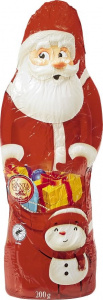
Hans Riegelein & Sohn GmbH & Co. KG distributed and manufactured for Netto Marken-Discount Stiftung & Co. KG
salmonella
Reference is made to the information below from the food business operator.
Posted in food contamination, food handler, Food Hazard, Food Hygiene, Food Inspections, Food Micro Blog, Food Microbiology, Food Microbiology Blog, Food Microbiology Testing, Food Pathogen, food recall, Food Safety, Food Safety Alert, Food Safety Management, Food Testing, Salmonella, Salmonella in Chocolate
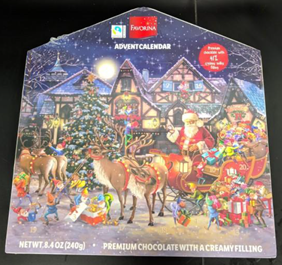
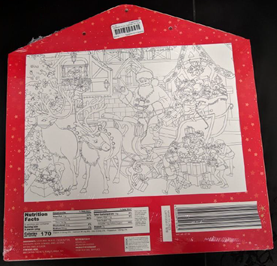
ARLINGTON, VA –Lidl US has announced a voluntary recall for the 8.4 oz Favorina branded Advent Calendar (Premium Chocolate with a Creamy Filling) due to potential Salmonella contamination.
This voluntary recall was issued because some items may be contaminated with Salmonella.
Units affected by this recall:
This issue was found during routine testing, which Lidl performs on an ongoing basis to help ensure safe and quality products for our customers. Lidl US has received no reports or complaints of illness related to this product to date.
Posted in FDA, food contamination, food handler, Food Hazard, Food Hygiene, Food Inspections, Food Micro Blog, Food Microbiology, Food Microbiology Blog, Food Microbiology Testing, Food Pathogen, food recall, Food Safety, Food Safety Alert, Food Safety Management, Food Testing, Salmonella, Salmonella in Chocolate, Uncategorized
Israel’s top chocolate manufacturer announced on Tuesday that it is reintroducing several lines of candy to the Israeli market following a nationwide recall earlier this year due to salmonella contamination.
In a statement, the Strauss Group said that products from its Elite chocolate line, including the Parra brand, Pesek Zman and Kif Kef candy bars, would “gradually return to the shelves.” The move follows the reopening of its factory in Nof Hagalil in Israel’s north, where the salmonella was discovered. The company said that it has made “significant investments … to ensure the quality and safety of the products at the highest level.”
Posted in Decontamination Microbial, food bourne outbreak, Food Micro Blog, Food Microbiology, Food Microbiology Blog, Food Microbiology Research, Food Microbiology Testing, foodborne outbreak, foodbourne outbreak, microbial contamination, Microbial growth, Microbiological Risk Assessment, Microbiology, Microbiology Investigations, Microbiology Risk, outbreak, Salmonella, Salmonella in Chocolate

 FoodWorld