Category Archives: Salmonella in Chicken

RASFF Alerts – Salmonella – Polish Chicken Products – Black Pepper – Salted Pork – Poultry Meat – Whole Chickens – Anise Seeds – Chicken Caesar Sandwich

RASFF

Salmonella spp. in black pepper from Brazil in Germany

RASFF

Salmonella spp. in black pepper from Brazil in Germany

RASFF

Salmonella spp. in black pepper from Brazil in Germany

RASFF

Salmonella spp. in black pepper from Brazil in Germany

RASFF

Detected Salmonella in salted pork from the Netherlands in Germany and Sweden

RASFF

Salmonella Enteritidis in poultry meat from Belgium in France

RASFF

Salmonella enterica ser. Enteritidis in frozen chicken from Poland in Bulgaria and Italy

RASFF

Salmonella Mbandaka in chilled whole chicken from Latvia via Estonia in Finland

RASFF

Salmonella (in 1 out of 5 samples) in fresh fillets of broiler chicken breasts from Poland in Lithuania

RASFF

Salmonella spp in anise seeds from Syria in Spain

RASFF

Salmonella Enteritidis (in 1 out of 5 units) in chicken thighs without bone and skin from Poland in Latvia

RASFF

Salmonella enterica ser. Mbandaka (presence in 2 out of 5 samples /25g) in chicken caesar sandwich from Estonia, containing frozen steam cooked chicken breast fillets from Ukraine, via the Netherlands in Estonia and Finland

RASFF Alerts – Salmonella – Pistachios – Polish Chicken – Minced Thigh Broiler Chickens – Black Pepper – Dried Natural Casings – Live Razor Clams – Milano Salami

RASFF

Salmonella Worthington in pistachios from USA via Lithuania in Finland

RASFF

Salmonella Infantis (in 2 out of 5 units) in fresh chicken quarters from Poland in Latvia

RASFF

Salmonella Enteritidis (in 2 out of 5 units) in chicken quarters from Poland in Lithuania and Latvia

RASFF

Salmonella (in 2 out of 5 samples) in chilled minced thigh meat of broiler chickens from Poland in Lithuania

RASFF

Salmonella spp. in black pepper from Brazil in Germany

RASFF

Salmonella C1 in chicken neck skin from Poland and France

RASFF

Detection of Salmonella and Clostridium perfringens in dried natural casings from Portugal in France

RASFF

Detection of Salmonella in Live Razor Clams (Ensis spp.)from Ireland in Hong Kong

RASFF

Salmonella spp in salami Milano from Italy in Croatia and Slovenia

Czech Republic – Deep frozen chicken breast steak – Salmonella

Potravinynapranyri

Illustrative photo #1

Place of inspection:
Valašské Meziříčí ( Hranická 430/34, Krásno nad Bečvou, 75701 Valašské Meziříčí )
ID: 25572890
Food group: Meat and meat products Packaged meat

Deep frozen chicken breast steak
Category: Dangerous foods
Invalid parameter:

Salmonella Minnesota

The pathogenic bacterium Salmonella Minnesota was detected in the frozen meat . This bacteria can cause a disease called salmonellosis.

Batch: 150222
Best before date: 15/02/2024
Packaging: Plastic bag
Quantity of the product in the package: kg
Producer: São Salvador Alimentos S/A, Brazil
Importer: KOVÁŘ Plus, Kunovice
Country of origin:  Brazil
Date of sample collection: 15/09/2022
Reference number: 22-000056-SVS-CZ
The sample was detected by the official control of the State Veterinary Administration.

RASFF Alerts – Salmonella – Polish Chicken Products – Mussels – Sesame Seeds – Organic Poultry Meat Preparation

RASFF

Salmonella Agona in Mediterranean mussels (Mytilus galloprovincialis) produced in Italy and harvested in Spain

RASFF

Salmonella spp. in poultry meat preparation from Italy in Germany

RASFF

Salmonella Enteritidis (in 2 out of 5 units) in chicken hearts from Poland in Latvia

RASFF

Salmonella Infantis (in 1 out of 5 units) in fresh chicken thighs from Poland in Estonia and Latvia

RASFF

Salmonella in sesame seeds from Nigeria in Greece

RASFF

Salmonella spp. in organic poultry meat preparation from Austria in Germany

RASFF

Salmonella Infantis (in 4 out of 5 units) in chicken breast from Poland in Latvia

RASFF

Salmonella Enteritidis (in 1 out of 5 units) in fresh chicken quarters from Poland in Latvia

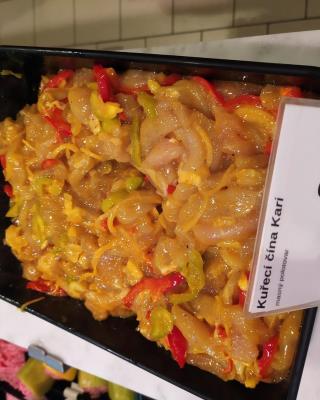
Czech Republic – Chicken China Curry -Salmonella

Potravinynapranyri

Illustrative photo #1

Place of inspection:
Prague 8 ( Maškova 1798/2, Kobylisy, 18200 Prague 8 )
ID: 07387156
Food group: Meat and meat products / Semi- finished meat
Chicken China Curry
Category: Dangerous foods
Invalid parameter:
Samonella Enterica sera. Enteritidis

The pathogenic bacterium Salmonella Enterica sera were detected in the meat semi-finished product. Enteritidis . This bacteria can cause a disease called salmonellosis.

Expiration date: 3/11/2022
Packaging: not packed
Producer: ZEMAN – meat, sausages as
Country of origin:  Czechia
Date of sample collection: 3/11/2022
Reference number: 22-000053-SVS-CZ
 
The sample was detected by the official control of the State Veterinary Administration.

Czech Republic – Marinated chicken breast steak Italia – Salmonella

Potravinynapranyri

Place of inspection:
Třemošnice ( 1. maje 447, 53843 Třemošnice )
ID: 07387156
Food group: Meat and meat products / Semi- finished meat
Marinated chicken breast steak Italia
Category: Dangerous foods
Invalid parameter:
Salmonella Agona

The pathogenic bacterium Salmonella Agona was detected in the semi-finished meat . This bacteria can cause a disease called salmonellosis.

Expiration date: 8/18/2022
Packaging: not packed
Producer: ZEMAN – meat, sausages as
Country of origin:  Czechia
Date of sample collection: 8/16/2022
Reference number: 22-000055-SVS-CZ
 
The sample was detected by the official control of the State Veterinary Administration.

RASFF Alerts – Salmonella – Polish Chicken and Turkey Products – Goose Liver – Sesame Seeds – Black Pepper – Sesame Paste – Kebab Meat Preparations – Frozen Duck – Salted Chicken Breast – Bio Alfalfa –

RASFF

Detection of Salmonella and Listeria in goose liver from Hungary in France and Italy

RASFF

Salmonella Infantis (in 5 out of 5 units) in boneless broiler thighs from Poland in Latvia

RASFF

Salmonella Enteritidis in chilled poultry meat from Poland in the Czech Republic

RASFF

Salmonella enteritidis in poultry meat from Poland in Angola, Bulgaria, Czech Republic, Germany, Hungary and Slovakia

RASFF

Salmonella spp in kebab meat preparations from Italy

RASFF

Salmonella Spp in frozen duck from Hungary in Italy

RASFF

Salmonella spp. in black pepper from Germany in Austria and Hungary

RASFF

Salmonella in frozen salted chicken breast from Brazil in the Netherlands

RASFF

Salmonella Typhimurium in fresh turkey fillet from Poland in Denmark and Finland

RASFF

Salmonella CO in chicken kebab from Poland in Germany

RASFF

Salmonella in sesame seeds from Nigeria in Greece

RASFF

Salmonella in Bio Alfalfa from the Netherlands in Belgium

RASFF

Salmonella Enteritidis (in 2 out of 5 units) in chilled chicken quarters from Poland via Lithuania in Latvia

RASFF

Salmonella suspicion in sesame paste from the UK in France, Italy, Monaco and Spain

RASFF

Salmonella Kentucky (in 5 out of 5 units) in chilled chicken quarters from Poland via Lithuania in Latvia

RASFF

Salmonella Infantis (in 1 out of 5 units) in broiler legs from Poland in Latvia

RASFF

Salmonella spp. in turkey meat from Poland in Slovakia

RASFF

Salmonella Enteritidis chilled chicken meat from Poland in Angola, Bulgaria, Czech Republic, Germany, Latvia and Slovakia

RASFF Alerts – Salmonella – Polish Chicken Products – Brazilian Black Pepper – Pork Sausages – Sliced Turkey Meat –

RASFF

Salmonella in Pork sausage from the Netherlands in Belgium

RASFF

Salmonella spp. in black pepper from Brazil in Germany

RASFF

Salmonella Typhimurium in turkey meat from Poland in the Czech Republic, Denmark, France, Germany, Poland, Romania, Slovakia, Sweden

RASFF

Salmonella Typhimurium in sliced turkey meat from Italy in Germany

RASFF

Salmonella Enteritidis in chicken meat from Poland in Germany

RASFF

Salmonella Enteritidis in chilled poultry meat from Poland in the Czech Republic

USA – An interesting study about cooking frozen chicken and Salmonella illness.


CDC

Foodborne Pathogen

After repeat U.S. outbreaks of salmonella tied to frozen, breaded and stuffed chicken products, researchers are now pointing to microwave cooking as a key driver of illness.

Producers began implementing labelling changes in 2006 to more clearly identify these products as raw; many warn against using microwave ovens (microwaves) to prepare them and provide validated cooking instructions solely for conventional ovens (ovens)

However, outbreaks continued to occur after implementation of these labelling changes

Although ovens were the most commonly reported appliance used to cook frozen stuffed chicken products, more than one half of respondents (54.0%) reported using other appliances instead of or in addition to ovens, including microwaves (29.0%), a circumstance that historically has been reported frequently by ill persons in outbreaks associated with frozen stuffed chicken products. Respondents with lower incomes and who live in mobile types of homes reported lower oven use and higher microwave use. Persons within these groups might be at increased risk for illness related to both challenges in preparing these foods and access to appliances.

Efforts to prevent Salmonella infections linked to frozen stuffed chicken products have relied on manufacturers to develop validated cooking instructions and labelling to alert the consumer to which appliances are recommended to cook them (i.e., ovens). Studies indicate that microwaves, air fryers, and toaster ovens inconsistently heat frozen stuffed chicken or frozen raw breaded chicken

Therefore, cooking instructions often do not include information about cooking the product in air fryers or toaster ovens and might warn against using microwaves. However, previous studies have found that some consumers infrequently read package instructions (8,9), including one report that found some consumers discarded packaging when the products were brought home and never saw cooking instructions . In this survey, 30% of respondents reported using an air fryer, 29% a microwave, and 14% a toaster oven. These findings suggest that relying on labelling and cooking instructions might not be sufficient to prevent illness. Further, even when cooking these products in an oven, verifying the temperature of the finished product is important. However, food thermometer usage can be low; one study found that even among persons who owned a food thermometer, only 38% typically used them to check doneness of frozen chicken products.

Research – Multi-country outbreak of Salmonella Mbandaka ST413, possibly linked to consumption of chicken meat in the EU/EEA, Israel and the UK

EFSA

A cross-border outbreak of Salmonella Mbandaka ST413 has been ongoing in the EU/EEA, Israel, and the UK since September 2021. By 8 November 2022, 196 cases had been reported in Czechia (n=5), Estonia (n=3), Finland (n=89), France (n=10), Germany (n=2), Ireland (n=1), the Netherlands (n=1), the United Kingdom (n=81), and Israel (n=4), according to the European case definition. Nineteen cases were hospitalised and five cases had septicaemia. One case in the UK died.

Based on case interviews from Finland and the UK, ready-to-eat (RTE) chicken products and/or fresh chicken meat are the likely vehicles of infection. Fifteen cases in Finland reported consumption of six RTE products from three brands. All 15 cases had consumed at least one RTE chicken product. Two products were marketed under the same brand name, which is adopted by the Estonian Company A and the Finnish Company B. Based on additional information, such as purchase data, and consultation of the grocery chains selling the products and of the Finnish Company B, the food authority in Finland linked the products to the Estonian Company A. However, this link could not be verified by the identification of the batches nor by microbiological evidence. The Estonian Company A received processed chicken meat from different suppliers, but there is no further information in RASFF. Therefore, the role of the Estonian Company A as a source of infection could not be established.

Epidemiological data and microbiological evidence from whole genome sequencing of human isolates indicate there are several active sources through different food distribution chains, with a likely common source higher up in the chicken supply chain. New cases are likely to occur in the EU/EEA until the source has been identified and controlled.

Further investigations are needed by public health and food safety authorities to identify the source(s)/origin of contamination.

Click to access roa-7707.pdf