Category Archives: Research

Research – Investigation of On-Farm Transmission Routes for Contamination of Dairy Cows with Top 7 Escherichia coli O-Serogroups

Springer

Shiga toxin-producing Escherichia coli (STEC) are foodborne bacterial pathogens, with cattle a significant reservoir for human infection. This study evaluated environmental reservoirs, intermediate hosts and key pathways that could drive the presence of Top 7 STEC (O157:H7, O26, O45, O103, O111, O121 and O145) on pasture-based dairy herds, using molecular and culture-based methods. A total of 235 composite environmental samples (including soil, bedding, pasture, stock drinking water, bird droppings and flies and faecal samples of dairy animals) were collected from two dairy farms, with four sampling events on each farm. Molecular detection revealed O26, O45, O103 and O121 as the most common O-serogroups, with the greatest occurrence in dairy animal faeces (> 91%), environments freshly contaminated with faeces (> 73%) and birds and flies (> 71%). STEC (79 isolates) were a minor population within the target O-serogroups in all sample types but were widespread in the farm environment in the summer samplings. Phylogenetic analysis of whole genome sequence data targeting single nucleotide polymorphisms revealed the presence of several clonal strains on a farm; a single STEC clonal strain could be found in several sample types concurrently, indicating the existence of more than one possible route for transmission to dairy animals and a high rate of transmission of STEC between dairy animals and wildlife. Overall, the findings improved the understanding of the ecology of the Top 7 STEC in open farm environments, which is required to develop on-farm intervention strategies controlling these zoonoses.
USA – USDA -FSIS Outbreak Table

FSIS USDA

The table below lists outbreak investigations in which FSIS responded by posting a recall of FSIS-regulated product linked to illness, a public health alert, and/or an after-action review report. The table does not include outbreak investigations that did not result in one or more of these outcomes.

The Outcomes & References column includes links to recall notices, public health alerts, and after-action review reports, as well as CDC outbreak notices for selected multistate foodborne outbreaks, which provide additional information. For a list of all foodborne outbreaks reported to CDC since 1998, please use the CDC National Outbreak Reporting System Dashboard.

Outbreak Year Pathogen Product Outcomes & References Active
2021 Salmonella Hadar Turkey (suspect) Yes
2021 Escherichia coli O145 (E-coli) Beef, ground (suspect) No
2021 Escherichia coli O157:H7 (E-coli) Unknown

CDC Notice: View CDC Investigation Notice

No
2021 Listeria monocytogenes Unknown No
2021 Escherichia coli O157:H7 (E-coli) Beef, ground (suspect) Yes
2020 Listeria monocytogenes Italian-style deli meats (suspect)

CDC Notice: View CDC Investigation Notice

No
2019 Salmonella Schwarzengrund Turkey, ground FSIS Recall: Butterball LLC Recalls Turkey Products Due to Possible Salmonella Schwarzengrund Contamination
FSIS After-Action Review:

CDC Notice: CDC Notice: Schwarzengrund-03-2019

No
2019 Escherichia coli O157:H7 (E-coli) Beef, ground FSIS Recall: New Seasons Market Recalls Ready-To-Eat Sesame Noodle Chicken Salad Products Due to Misbranding and Undeclared Allergens
FSIS After-Action Review:

Yes
2019 Salmonella Beef, ground FSIS Recall: Central Valley Meat Co., Inc. Recalls Ground Beef Products Due to Possible Salmonella Dublin Contamination
FSIS After-Action Review:

CDC Notice: CDC Notice: Dublin-11-2019

No
2019 Escherichia coli O157:H7 (E-coli) Beef, ground FSIS Recall: K2D Foods Recalls Raw Ground Beef Products Due to Possible E. coli O103 Contamination

CDC Notice: CDC Notice: O103-04-2019

No
2018 Salmonella Typhimurium Chicken salad FSIS Recall: Triple T Specialty Meats Inc. Recalls Chicken Salad Products Due to Possible Salmonella Contamination
FSIS After-Action Review:

CDC Notice: CDC Notice: Typhimurium-02-2018

No
2018 Listeria monocytogenes Pork patty rolls FSIS Recall: 165368 C. Corporation Recalls Pork Products Due to Possible Listeria Contamination

CDC Notice: CDC Notice: Lm-11-2018

No
2018 Salmonella Reading Turkey, ground FSIS Recall: Jennie-O Turkey Store Sales, Inc. Recalls Raw Ground Turkey Products due to Possible Salmonella Reading Contamination
FSIS Recall: Jennie-O Turkey Store Sales, LLC Recalls Raw Ground Turkey Products due to Possible Salmonella Reading Contamination
FSIS After-Action Review:

CDC Notice: CDC Notice: Reading-07-2018

No
2018 Salmonella Newport Beef, ground FSIS Recall: JBS Tolleson, Inc. Recalls Raw Beef Products due to Possible Salmonella Newport Contamination
FSIS Recall: JBS Tolleson, Inc. Recalls Raw Beef Products Due to Possible Salmonella Newport Contamination

CDC Notice: CDC Notice: Newport-10-2018

No
2018 Listeria monocytogenes Ham, ready-to-eat FSIS Recall: Johnston County Hams Recalls Ready-To-Eat Ham Products Due to Possible Listeria Contamination
FSIS Recall: Ukrop’s Homestyle Foods Recalls Ready-To-Eat Meat and Poultry Products Due to Possible Listeria Contamination
FSIS After-Action Review:

CDC Notice: CDC Notice: Lm-10-2018

No
2018 Escherichia coli O157:H7 (E-coli) Beef, ground FSIS Recall: Publix Super Markets Inc. Recalls Ground Chuck Products Due To Possible E. coli O26 Contamination
FSIS Recall: Cargill Meat Solutions Recalls Ground Beef Products due to Possible E. coli O157:H7 Contamination
FSIS After-Action Review:

CDC Notice: CDC Notice: O26-09-2018

No
2018 Salmonella I 4,[5],12:i:- Chicken FSIS Recall: Empire Kosher Poultry Inc. Recalls Chicken Products Due To Possible Extraneous Material Contamination

CDC Notice: CDC Notice: Salmonella-08-2018

No
2018 Salmonella Enteritidis Chicken, raw, breaded FSIS After-Action Review:

No
2017 Escherichia coli O157:H7 (E-coli) Beef, ground FSIS Recall: Vermont Livestock Slaughter And Processing LLC, Recalls Ground Beef Due To Possible E. Coli O157:H7 Contamination No
2016 Salmonella I 4,[5],12:i:- Chicken, rotisserie FSIS After-Action Review:

No
2016 Escherichia coli O157:H7 (E-coli) Beef, ground FSIS Recall: Adams Farm Slaughterhouse Recalls Beef, Veal, And Bison Products Due To Possible E. Coli O157:H7 Adulteration

CDC Notice: CDC Notice: O157H7-09-2016

No
2016 Escherichia coli O157:H7 (E-coli) Beef, ground FSIS Recall: PT Farm, LLC Recalls Beef Products Due To Possible E. Coli O157:H7 Contamination No
2016 Escherichia coli O157:H7 (E-coli) Beef, ground FSIS Recall: Good Food Concepts, LLC D.B.A. Ranch Foods Direct Recalls Non-Intact Beef Products Due To Possible E. Coli O157:H7 Contamination No
2016 Salmonella I 4,[5],12:i:- Pork (including at pig roasts) FSIS Recall: Kapowsin Meats Inc. Recalls Pork Products Due To Possible Salmonella Contamination
FSIS After-Action Review:

No
2016 Escherichia coli O157:H7 (E-coli) Beef, ground FSIS Recall: Snapp’s Ferry Packing Company Recalls Beef Product Due To Possible E. Coli O157:H7 Contamination No
2015 Salmonella I 4,[5],12:i:- and Salmonella Infantis Pork (including at pig roasts) FSIS Recall: Kapowsin Meats Recalls Pork Product Due To Possible Salmonella Contamination
FSIS After-Action Review:

CDC Notice: CDC Notice: Salmonella-08-2015

No
2015 Salmonella Enteritidis Chicken, stuffed FSIS Recall: Aspen Foods Recalls Frozen, Raw, Stuffed & Breaded Chicken Products Due to Possible Salmonella Enteritidis Contamination
FSIS After-Action Review:

CDC Notice: CDC Notice: Enteritidis-07-2015

No
2015 Salmonella Enteritidis Chicken, stuffed FSIS Recall: Barber Foods Recalls Stuffed Chicken Products Due To Possible Salmonella Enteritidis Contamination
FSIS After-Action Review:

CDC Notice: CDC Notice: Enteritidis-07-2015

No

USA – Marler renews call for declaring ‘outbreak serotypes’ of Salmonella as adulterants in meat and poultry

Food Safety News

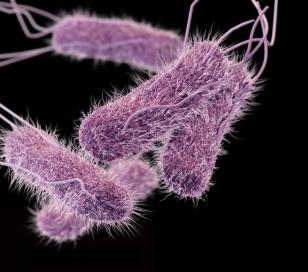
Salmonellaa

Image CDC

Food safety attorney Bill Marler wants to know what’s up with his petition calling on the USDA to declare specific “outbreak serotypes” of Salmonella as adulterants in meat.

He filed the petition more than a year ago, on Jan. 19, 2020, with USDA’s Food Safety and Inspection Service (FSIS), on behalf of Rick Schiller, Steven Romes, the Porter family, Food & Water Watch, Consumer Federation of America, and Consumer Reports.

The petition asks FSIS to declare the following Salmonella “outbreak serotypes” as per se contaminants in meat and poultry products:

Salmonella Agona, Anatum, Berta, Blockely, Braenderup, Derby, Dublin, Enteritidis, Hadar, Heidelberg, I 4,[5],12:i:-, Infantis, Javiana, Litchfield, Mbandaka, Mississippi, Montevideo, Muenchen, Newport, Oranienburg, Panama, Poona, Reading, Saintpaul, Sandiego, Schwarzengrund, Senftenberg, Stanley, Thompson, Typhi, and Typhimurium.

Research – Raw pet food microbiology safety risks rise with owner cognitive bias

Pet Food Industry

The optimistic belief that Salmonella only infects other people exemplifies a cognitive bias.

Although still a small portion of the overall pet food market, raw pet food sales grew at faster rates than kibble or conventional wet dog and cat foods during the pandemic. With the rising popularity of raw pet foods, people may believe they are following safe practices more than they…

To read more you will need to login to their site.

Research – Prevalence and antimicrobial resistance of foodborne pathogens in select fresh produce procured from farmers’ markets in Central Virginia

Wiley Online

As farmers’ markets have increased in size, scope, and complexity, so have potential food‐safety challenges and implications. Most products sold at farmers’ markets may receive minimal to no treatment of decontamination which could increase their potential microbial risks. The aim of this study was to assess the prevalence and antimicrobial resistance (AMR) of foodborne pathogens in select fresh produce procured from farmers’ markets in Central Virginia. A total of 138 samples produced by 15 farms and sold at 9 registered farmers’ markets were obtained between March and November 2017. CampylobacterEscherichia coli, and Listeria were, respectively, detected in 8.7, 9.4, and 8.0% of the samples. A total of 46 bacterial isolates consisted of CampylobacterE. coli, and Listeria were tested for their susceptibility to 12 antimicrobials. Ampicillin resistance showed the highest frequency among Campylobacter (100%) and E. coli (47.8%) isolates while nalidixic acid resistance was the highest in Listeria isolates (72.7%). At least 17% of each CampylobacterE. coli, and Listeria isolates exhibited multidrug resistance (MDR). No isolates had matching pulsed‐field gel electrophoresis (PFGE) profiles demonstrating that the E. coli isolates had a high degree of genomic diversity. This study demonstrated a potential health hazard arising from farmers’ market‐acquired fresh produce and emphasizes the importance of good agricultural and handling practices to prevent foodborne illness and spread of multidrug antibiotic resistance. Continued research is needed to determine and intervene the cause(s) of the observed prevalence and to support the healthy development of food products sold at farmers’ markets.

Research UK – Listeriosis in England and Wales: summary for 2019

Gov

This report summarises the number and characteristics of confirmed cases of listeriosis in England and Wales in 2019:

  • 142 cases of listeriosis were reported in England and Wales
  • incidence rates of listeriosis were highest in people aged 80 years and over
  • overall, the crude incidence of listeriosis was lower in men than women, but reported cases among men aged 60 to 69 were 7 times higher than in women aged 60 to 69.
  • pregnancy-associated infections accounted for 17.6% of all reported cases and, a third of pregnancy-associated cases resulted in stillbirth or miscarriage
  • among non-pregnancy associated cases of listeriosis, death was reported for 23 cases (19.7%), of whom 15 (12.8%) were known to have listeriosis recorded as a cause of death on the death certificate
  • incidence of listeriosis varied geographically, with the lowest incidence in East of England (0.14 per 100,000 population) and the highest in London (0.39 per 100,0000 population)
  • there were 4 listeriosis outbreaks investigated in England, including a national outbreak associated with the consumption of prepacked hospital sandwiches

Listeriosis remains a rarely reported disease, with 0.24 cases per 100,000 population. Despite a decline in reported cases in 2019, the number of outbreaks (4) of listeriosis remained comparable to previous years. The outcome of listeriosis in pregnancy remains severe with over a third resulting in miscarriage or stillbirth. Mortality amongst non-pregnancy cases remained high, with a case fatality rate of 12.8%. An early peak in listeriosis cases was identified as a national outbreak, and food incidents linked to sporadic cases were identified through the analysis of strain relatedness using whole genome sequence data.

As a predominantly foodborne infection, this severe disease is largely preventable. It remains imperative that sporadic cases of illness and clusters of disease continue to be monitored and investigated to inform the continued risk assessment of the food chain.

Research – Efficacy of Bacteriophage Cocktail to Control E. coli O157:H7 Contamination on Baby Spinach Leaves in the Presence or Absence of Organic Load

MDPI

Fruits and vegetables are high in nutrients that are essential for a healthy lifestyle. However, they also harbor an extensive array of microorganisms such as bacteria, which can be beneficial, neutral, or pathogenic. Foodborne pathogens can contaminate produce at any stage from the farm to the consumer’s table. Appropriate washing techniques using sanitizers can reduce the risk of pathogen contamination. Issues related to maintaining concentration, efficacy, and other problems have been a challenge for the food industry and, when left unresolved, have led to different outbreaks of foodborne illnesses. In this study, the efficacy of a lytic bacteriophage cocktail was examined for its ability to infect and reduce the contamination of Escherichia coli O157:H7 (E. coli O157:H7), in media with a high organic load, using a microplate technique. The study was conducted for 3 h to determine if the bacteriophage cocktail could reduce the pathogen in the presence of a high organic load. A significant (p < 0.05) reduction in the population of E. coli O157:H7 was observed, representing a 99.99% pathogen reduction at the end of 3 h. Fresh spinach leaves were washed in sterile potable or organic water (~9000 ppm organic load) containing E. coli O157:H7 and a bacteriophage cocktail to study the effectiveness of bacteriophages against the foodborne pathogen. Results indicated that the bacteriophage significantly (p < 0.05) reduced the contamination of E. coli O157:H7 in both situations. The study also demonstrated the bacteriophages’ ability to infect and reduce the pathogen in an organic-rich environment. This characteristic differs from commercially available sanitizers that have demonstrated a tendency to bind with the available organic load. Thus, these studies highlight the advantage of employing bacteriophages during produce wash to eliminate foodborne pathogen contamination on fruits and vegetables. View Full-Text

Research – Campylobacter Contamination of UK-Produced Halal Chicken at Retail

Journal of Food Protection

CDC Campy

Campylobacter is the leading cause of human bacterial diarrhoeal disease worldwide, with poultry meat products accounting for the majority of human cases. Recent surveys by the Food Standards Agency estimate the Campylobacter prevalence in fresh UK retail chicken to be 41.2%. However, such surveys have not distinguished between broiler chickens produced for different consumer demographics, such as the Halal market. Campylobacter colonisation of broilers is difficult to prevent, especially during routine partial depopulation of flocks. Broilers produced for the Halal market may undergo multiple depopulation events, which may increase the risk of colonisation and subsequent Campylobacter contamination of chicken meat. This project aimed to determine the prevalence and levels of Campylobacter contamination of chicken meat produced for the UK Halal market. Campylobacter was identified and enumerated from the neck skin and outer packaging of 405 Halal chickens. Following culture, isolates were assigned to species via PCR and disc diffusion antimicrobial susceptibility tests determined. Logistic regression analysis assessed risk factors for Campylobacter isolation, the level of Campylobacter contamination among positive carcasses and antimicrobial resistance outcomes. Campylobacter spp. were confirmed in 65.4% of neck skin samples and 17.1% of packaging samples. 13.8% of neck skin samples had the highest level of contamination (>1000 cfu/g). Large birds had a significantly higher number of samples with >1000 cfu/g (p<0.001) and as chicken carcass weight increased, birds were more likely to be Campylobacter-positive (p<0.05). A high prevalence of resistance was seen to ciprofloxacin (42.0%) and 38.5% of samples contained at least one multi-drug resistant Campylobacter isolate. This study demonstrates that Halal chicken has a higher Campylobacter prevalence than non-Halal chicken. Interventions should be introduced to reduce this increased public health risk to consumers.

Research – Environmental Management of Legionella in Domestic Water Systems: Consolidated and Innovative Approaches for Disinfection Methods and Risk Assessment

MDPI

Legionella_Plate_01

Legionella is able to remain in water as free-living planktonic bacteria or to grow within biofilms that adhere to the pipes. It is also able to enter amoebas or to switch into a viable but not culturable (VBNC) state, which contributes to its resistance to harsh conditions and hinders its detection in water. Factors regulating Legionella growth, such as environmental conditions, type and concentration of available organic and inorganic nutrients, presence of protozoa, spatial location of microorganisms, metal plumbing components, and associated corrosion products are important for Legionella survival and growth. Finally, water treatment and distribution conditions may affect each of these factors. A deeper comprehension of Legionella interactions in water distribution systems with the environmental conditions is needed for better control of the colonization. To this purpose, the implementation of water management plans is the main prevention measure against Legionella. A water management program requires coordination among building managers, health care providers, and Public Health professionals. The review reports a comprehensive view of the state of the art and the promising perspectives of both monitoring and disinfection methods against Legionella in water, focusing on the main current challenges concerning the Public Health sector.

Research – Effect of Chlorine Dioxide Treatment on Human Pathogens on Iceberg Lettuce

MDPI

In the vegetable processing industry, the application of chlorine dioxide (ClO2) as a disinfectant solved in washing water to eliminate undesirable microorganisms harmful to consumers’ health and the shelf life of produce has been discussed for years. The disinfection efficacy depends on various factors, e.g., the location of microorganisms and the organic load of the washing water. The present study analyzed the sanitation efficacy of various concentrations of water-solved ClO2 (cClO2: 20 and 30 mg L−1) on Escherichia coli (1.1 × 10⁴ cfu mL−1), Salmonella enterica (2.0 × 10⁴ cfu mL−1) and Listeria monocytogenes (1.7 × 10⁵ cfu mL−1) loads, located on the leaf surface of iceberg lettuce assigned for fresh-cut salads. In addition, it examined the potential of ClO2 to prevent the cross-contamination of these microbes in lettuce washing water containing a chemical oxygen demand (COD) content of 350 mg L−1 after practice-relevant washing times of 1 and 2 min. On iceberg leaves, washing with 30 mg L−1 ClO2 pronouncedly (1 log) reduced loads of E. coli and S. enterica, while it only insignificantly (<0.5 × log) diminished the loads of L. monocytogenes, irrespective of the ClO2 concentration used. Although the sanitation efficacy of ClO2 washing was only limited, the addition of ClO2 to the washing water avoided cross-contamination even at high organic loads. Thus, the application of ClO2 to the lettuce washing water can improve product quality and consumer safety. View Full-Text