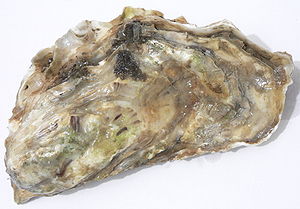
A heat wave that sent temperatures into the triple digits for three days in the U.S. Pacific Northwest in late June and early July drove up levels of the vibrio bacteria in area oysters, causing record numbers of illnesses from the bacteria and prompting oyster recalls.
The Washington State Department of Health (DOH) reported 75 lab-confirmed cases of vibriosis as of Wednesday, 29 July, and said there are likely many unreported cases. According to figures provided by DOH, the previous record number of vibriosos cases through 28 July was 48 in 2018.
The outbreak occurred over the holiday weekend of 4 July and coincided with the reopening of many of Washington’s businesses and restaurants. DOH said that several people visiting the area had fallen ill, including tourists from California, Canada, and Mexico. Officials had traced 48 of the cases back to commercial growers, while five of the cases were from recreational catch. The other cases with either unknown or still under investigation.
Vibriosis cases have been traced back to 24 different growing in areas in Washington state, including Samish Bay and Hood Canal, both of which have large tracts of oysters. A recall was issued for all oysters harvested in Samish Bay from 29 June onward, and the area was closed until at least 6 August, pending the results of ongoing tests. Officials were working to gather harvest from the area, while the Interstate Shellfish Sanitation Conference reported that some oysters from the affected spot had been exported to China, Cambodia, and the Philippines.
The Public Health Agency of Canada (PHAC) is collaborating with provincial public health partners, the Canadian Food Inspection Agency (CFIA) and Health Canada to investigate an outbreak of Hepatitis Ainfections occurring in Québec and Nova Scotia. The outbreak appears to be ongoing, as recent illnesses continue to be reported to PHAC.
Based on the investigation findings to date, exposure to frozen mangoes has been identified as a likely source of the outbreak. Two of the individuals who became sick reported consuming frozen mangoes before their illnesses occurred. Leftover frozen mangoes were collected from the homes of ill individuals and tested positive for Hepatitis A.
The CFIA has issued a food recall warning for various frozen mangoes sold under various brands. The recalled products have been distributed in Saskatchewan, Manitoba, Ontario, Québec, New Brunswick, Nova Scotia, Prince Edward Island, Newfoundland and Labrador, and may have been distributed in other provinces and territories. More information on the recalled products is available on CFIA’s website.
Canadians are advised not to eat any recalled food products. If you suspect you have been exposed to recalled products, or have symptoms consistent for Hepatitis A, see your health care provider immediately. Vaccination can prevent the onset of symptoms if given within 14 days of exposure. This notice contains more advice on how to avoid getting sick.
This public health notice will be updated as the investigation evolves.
Investigation summary
As of July 31, 2021, there are three laboratory-confirmed cases of Hepatitis A illness being investigated in the following provinces: Québec (2), and Nova Scotia (1). Individuals became sick between late March 2021 and mid June 2021. No hospitalizations or deaths have been reported. Individuals who became ill are between 23 and 63 years of age. The majority of cases (67%) are female.
The CFIA is continuing its food safety investigation, which may lead to the recall of other products. If other high-risk products are recalled, the CFIA will notify the public through updated food recall warnings.
It is possible that more recent illnesses may be reported in the outbreak because there is a period of time between when a person becomes ill and when the illness is reported to public health officials. For this outbreak, the illness reporting period is between two and six weeks.
Who is most at risk
Hepatitis A infections can occur among people of all ages; however, although rare, the severity of illness increases with age. Those with underlying liver disease are also at increased risk for severe illness.
If you have been exposed to Hepatitis A it is possible to spread the virus to other people before you experience any symptoms.
If you suspect you have been exposed to recalled products , or have symptoms consistent for Hepatitis A, see your health care provider immediately. Vaccination can prevent the onset of symptoms if given within 14 days of exposure.
If you are unsure whether a frozen mango product you have in your home is part of the food recall warning, do not consume it. Secure the product in a plastic bag, throw it out and wash your hands with warm soapy water.
If you order food and drinks containing frozen mangoes at a restaurant or food establishment, ask the staff whether the mangoes are part of the food recall warning. If they are, or if they don’t know, don’t eat or drink these food products.
Wash and sanitize any drawers or shelves in fridge and freezer areas where recalled products were stored.
Wash your hands before and after preparing or eating food, and after using the washroom or changing diapers.
If you have been diagnosed with Hepatitis A, do not prepare or serve food and drinks to others.
If you have been exposed to Hepatitis A, it is possible to spread the virus to other people before you experience any symptoms.
Symptoms
Not everyone who is infected will have symptoms. Symptoms are more likely to occur in adults than in children. Symptoms of hepatitis A include:
fever
dark urine
loss of appetite
fatigue (tiredness)
nausea and vomiting
stomach cramps or abdominal pain
jaundice (yellowing of the skin and eyes)
After you have been exposed to hepatitis A, symptoms typically appear 14 to 28 days later, but may occur up to 50 days later.
Symptoms usually last less than two months. Mild symptoms may last only one or two weeks, while severe symptoms can last up to nine months.
What is the Government of Canada doing
The Government of Canada is committed to protecting the health of Canadians from enteric disease outbreaks.
The Public Health Agency of Canada leads the human health investigation into an outbreak and is in regular contact with its federal, provincial and territorial partners to monitor the situation and to collaborate on steps to address an outbreak.
Health Canada provides food-related health risk assessments to determine whether the presence of a certain substance or microorganism poses a health risk to consumers.
The Canadian Food Inspection Agency conducts food safety investigations into the possible food source of an outbreak.
Epidemiological information
Figure 1 is an epidemiological curve for this outbreak, which shows the numbers of new cases by week. Outbreak investigators use this information to show when illnesses begin when they peak and when they trail off. It can take several weeks from the time a person becomes ill to when the illness is reported and testing confirms a link to the outbreak. Data are available for 3 cases.
Figure 1. Number of people infected with Hepatitis AFigure 1 – Text description
Pure Eire Dairy in Washington state has closed down for good. State officials linked the dairy to an outbreak of E. Coli infections beginning in May.
As of June 24 there were 17 confirmed patients in the outbreak. Ten of the patients are younger than 10 years old. Ten of the 17 patients have had such severe symptoms they had to be admitted to hospitals. The Washington health department has not released the ages of those who have hospitalized.
Of the 17 outbreak patients, four have developed hemolytic uremic syndrome (HUS), a type of kidney failure that can be fatal. Three of the patients live in Arizona and are thought to have become infected through person-to-person contact by visitors from Washington.
Most of the sick people reported eating organic yogurt made by the Pure Eire Dairy in Othello, WA. Both PCC brand and Pure Eire brand yogurt have been recalled.
The number of reported cases of domestically acquired cyclosporiasis illnesses has increased by 254 cases since the last update on July 14, 2021. Cases continue to be reported to CDC.
As of July 27, 2021, 462 laboratory-confirmed cases of cyclosporiasis in people who had no history of international travel during the 14-day period before illness onset have been reported to CDC by 29 jurisdictions, including 28 states and New York City.
At least 41 people have been hospitalized; no deaths have been reported.Cyclosporiasis illnesses are reported year-round in the United States; however, during the spring and summer months there is often an increase in cyclosporiasis acquired in the United States (i.e., “domestically acquired”).
The Public Health Agency of Catalonia of the Department of Health of the Generalitat of Catalonia (ASPCAT) has received notification from the Spanish Agency for Food Safety and Nutrition (AESAN) – through the State Food Alert Network (SCIRI) – of a alert regarding an outbreak in France with several cases detected during the months of June and July, caused by Salmonella enterica serotype Typhimurium , presumably associated with the consumption of the product marketed under the name “fuet” and produced by CAULA ALIMENTS SL (previously called EMBUTIDOS CAULA SL, code RGSEAA 10.01865 / GE).
After the first investigations and in application of the precautionary principle, the Catalan Public Health Agency (ASPCAT) has ordered the withdrawal from the market of the following products:
Products: FUET and SECALLONA.
Trademarks: CAULA, BASSO, LLORENS, ZABALETA, IKI, VIMA, EL ANDALUZ, CASA RAMON, SPAÑA SOL, LE CATALAN and
Manufacturer: CAULA ALIMENTS SL (10.0186 / GE).
Lot and presentation: any.
The trademarks of the products distributed in Catalonia and in Spain are: CAULA, BASSO, LLORENS, ZABALETA, IKI and VIMA.
The distribution of these products affects Catalonia (Girona and Tarragona), Galicia, Madrid and Navarra, but the main distribution has been in the European Union (mostly in France, but also in Germany, Austria, Belgium, Denmark, Estonia, Finland, Ireland, Latvia, Lithuania, the Netherlands, Poland and the Czech Republic) and in other countries such as Andorra and Equatorial Guinea.
The ASPCAT is carrying out the investigation actions of the alert, the verification of the withdrawal of the product from the market, the investigation of the causes and the application of corrective measures.
To date, no affected person has been detected in Catalonia, or in other Autonomous Communities.
As a precautionary measure, it is recommended that people who have the products indicated above in their home, refrain from consuming them and return them to the points of sale.
In the case of having consumed this type of product and presenting any symptoms compatible with salmonellosis (mainly diarrhea and / or vomiting, often accompanied by fever and headache), it is recommended to go to a health center.
It is also remembered that it is important that this product is kept in a cool and dry place to ensure its correct conservation, as indicated on its labeling.
For more information, you can call the CatSalut Responde 24 hours (061) information and consultation telephone number.
In case of having new information about this alert, ASPCAT will update this communiqué.
The Catalan Public Health Agency of the Department of Health of the Generalitat de Catalunya (ASPCAT) has received notification from the Spanish Agency for Food Safety and Nutrition (AESAN) – through the State Food Alert Network (SCIRI ) – an alert regarding an outbreak in France with several cases detected during the months of June and July, caused by Salmonella enterica serotype Typhimurium , allegedly associated with the consumption of the product marketed under the name “whip” and prepared by CAULA ALIMENTS SL (formerly called EMBUTIDOS CAULA SL, code RGSEAA 10.01865 / GE).
After the first investigations and in application of the precautionary principle, the Public Health Agency of Catalonia (ASPCAT) has ordered the withdrawal from the market of the following products:
Products: FUET and SECALLONA.
Trademarks: CAULA, BASSO, LLORENS, ZABALETA, IKI, VIMA, EL ANDALUZ, CASA RAMON, SPAÑA SOL, LE CATALAN and ORGULLO .
Manufacturer: CAULA ALIMENTS SL (10.01865 / GE).
Lot and presentation: any.
The trademarks of the products distributed in Catalonia and Spain are: CAULA, BASSO, LLORENS, ZABALETA, IKI and VIMA.
The distribution of these products affects Catalonia (Girona and Tarragona) , Galicia, Madrid and Navarre, but the main distribution has been in the European Union (mostly in France, but also in Germany, Austria, Belgium, Denmark, Estonia, Finland , Ireland, Latvia, Lithuania, the Netherlands, Poland and the Czech Republic) and other countries such as Andorra and Equatorial Guinea.
The ASPCAT is carrying out the actions of investigation of the alert, the verification of the withdrawal of the product of the market, the investigation of the causes and the application of corrective measures.
To date, no affected person has been detected in Catalonia or in other Autonomous Communities.
As a precautionary measure, people are advised to have the products listed above at home, refrain from consuming them and return them to points of sale.
If you have consumed this type of product and have any symptoms compatible with salmonellosis (mainly diarrhea and / or vomiting, often accompanied by fever and headache), it is recommended to go to a health center.
It is also recalled that it is important that this product is stored in a cool, dry place to ensure proper preservation, as indicated on its labeling.
For more information, you can call CatSalut 24 hours a day (061).
In the event that new information is available on this alert, ASPCAT will update this statement.
Sick people in this outbreak reported tasting or eating raw cake batter made from a variety of cake mixes. A single brand or type of cake mix has not been linked to the illnesses.
Seventy-five percent of sick people are children under the age of 18. Children are more likely to have a severe E. coli infection.
Eating raw cake batter can make you sick. Raw cake batter can contain harmful germs like E. coli. Germs are killed only when raw batter is baked or cooked. Follow safe food handling practices when you are baking and cooking with cake mixes, flour, and other raw ingredients:
Do not taste or eat any raw batter, whether it is from a homemade recipe or from a mix.
Do not let children eat raw batter. Foodborne illnesses can be more serious for children.
Bake or cook raw batter before eating.
Follow the recipe or package directions for cooking or baking at the proper temperature and for the specified time.
Do not make milkshakes with products that contain raw foods such as cake mix, flour, or eggs.
Keep raw foods such as cake mix, flour, or eggs separate from ready-to-eat foods. Because cake mix and flour are powders, they can spread easily.
Follow label directions to refrigerate products containing raw batter or eggs until they are cooked.
Clean up thoroughly after handling cake mix, flour, or eggs:
Wash your hands with running water and soap after handling cake mix, flour, raw eggs, or any surfaces they have touched.
Wash bowls, utensils, countertops, and other surfaces with warm, soapy water.
Call your healthcare provider right away if you have any of these severe E. coli symptoms:
Diarrhea and a fever higher than 102°F
Diarrhea for more than 3 days that is not improving
Bloody diarrhea
So much vomiting that you cannot keep liquids down
Total Illnesses: 11
Hospitalizations: 2
Deaths: 0
Last Illness Onset: July 1, 2021
States with Cases: IL (6), WI (4), MI (1)
Product Distribution*: IL, WI, IA, IN, MI
*Distribution has been confirmed for states listed, but product could have been distributed further, reaching additional states
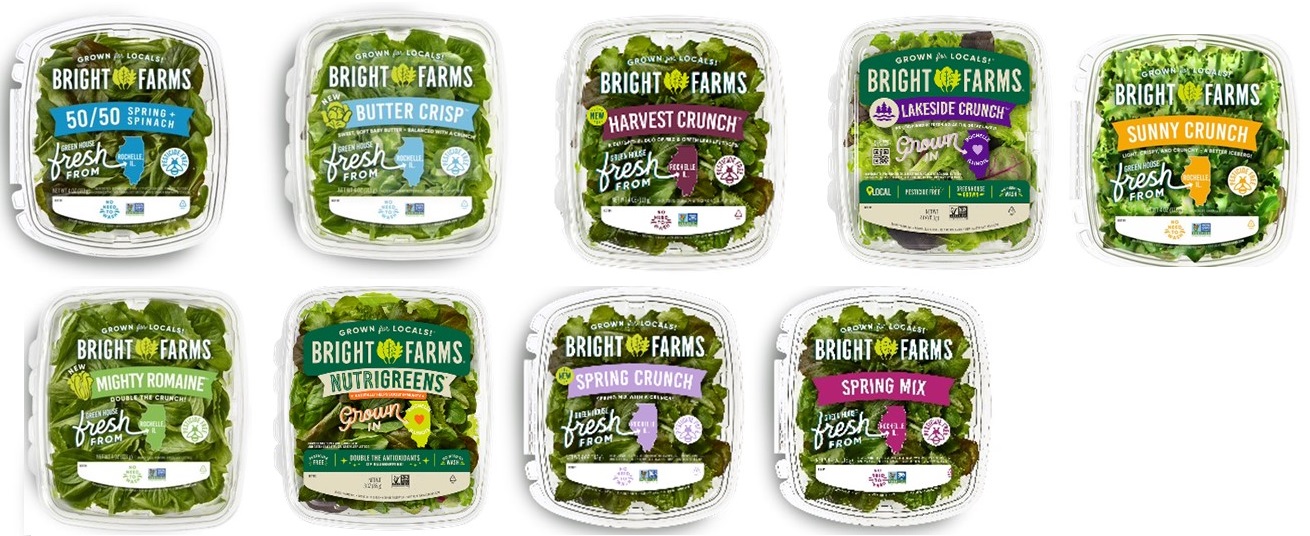
The FDA, along with CDC and state and local partners, is investigating a multistate outbreak of Salmonella Typhimurium infections linked to the consumption of BrightFarms packaged salad greens produced in the firm’s Rochelle, IL facility.
After FDA visited the facility and collected samples, some environmental samples tested positive for Salmonella Liverpool. Whole Genome Sequencing analysis revealed that the Salmonella found in these environmental samples was different from the outbreak strain. FDA is continuing its investigation and additional sample results are pending.
BrightFarms recalled additional packaged salad greens (see 2nd Recall Expansion) to include the Baby Spinach salad greens with a “Best By” date through 7/26/2021 produced in its Rochelle, IL, (Ogle County) greenhouse farm. The firm is not producing or distributing product from areas associated with environmental samples that tested positive for Salmonella.
FDA continues to work with BrightFarms to determine if there are additional products or “Best By” dates that could have been affected. Additional information will be provided as it becomes available.
Recommendation
Consumers, restaurants, and retailers should not eat, sell, or serve recalled BrightFarms packaged salad greens produced in Rochelle, IL. This includes the baby spinach packaged salad included in the firm’s expanded recall. The salads are packaged in a plastic clamshell container labeled as “fresh from Rochelle, IL.” According to the firm, these products were distributed in Illinois, Wisconsin, Iowa, Indiana, and Michigan.
Consumers, restaurants, retailers, and distributors should check their refrigerators and throw away any of the products identified above.
If you purchased or used these products, you should use extra vigilance in cleaning and sanitizing any surfaces that may have come in contact with the product, to reduce the risk of cross contamination.
FDA recommends that anyone who has symptoms of salmonellosis contact their healthcare provider.
Investigation Background
On July 15, 2021, BrightFarms recalled (see Initial Recall) packaged salad greens produced in its Rochelle, Illinois (Ogle County) greenhouse farm sold in Illinois, Wisconsin, Iowa, and Indiana. On July 21, 2021, Michigan was added to the list of states that received recalled products (see 1st Recall Expansion). Interview data and shopper card records show that seven people ate or bought multiple types of BrightFarms brand salad products before they got sick, including Sunny Crunch, 50/50 Spring & Spinach, Harvest Crunch, and Butter Crisp. FDA conducted a traceback investigation and identified the farm in Rochelle, IL, as the likely source of the BrightFarms brand salad bought by people who became ill. On July 28, 2021, following positive sample results, BrightFarms expanded their recall (see 2nd Recall Expansion) to include Baby Spinach packaged in clear, plastic clamshells with “Best By” dates through 7/26/2021.
The FDA continues working with BrightFarms to determine if there are additional products that could have been affected. Additional information will be provided as it becomes available.
The affected BrightFarms-branded products were sold by the following retailers:
The European Centre for Disease Prevention and Control (ECDC) has reported that, between 15 March and 6 July 2021, 348 confirmed cases of Salmonella braenderup (S. braenderup) sequence type 22 (ST22) were recorded in 12 EU or EEA countries, and the UK. Of these cases, 68 were hospitalised, with no deaths recorded.
Based on epidemiological, microbiological and traceability investigations, the vehicles of infection are presumed to be melons imported from outside the EU, EEA and UK. A batch of galia melons from a Honduran producer are reported to be a probable source of infection, however the first cases were detected in March 2021, before this batch had been harvested. This indicates that contaminated food vehicles had been circulating in these countries earlier, seemingly confirmed by the April 2021 detection, in Austria, of the outbreak strain in melons.
Further investigations are required to identify the point of contamination along the production chain. The Honduran producer finished harvesting melons in April 2021, and their produce is no longer on the market, with no additional exports from Honduras foreseen until the new season starts in December 2021. Given delays in reporting and the possibility of secondary cases, further infections may still be reported, but with decreasing frequency.