Category Archives: Mold Toxin

RASFF Alerts – Ochratoxin A – Raisins – Nutmeg

RASFF

Ochratoxin A in Raisins from Türkiye in the Netherlands

RASFF

Ochratoxin A in nutmeg from Indonesia in the Netherlands

RASFF Alerts – Aflatoxin – Peanuts – Groundnuts- Shelled Almonds

RASFF

Aflatoxins above MRL in peanuts from China in Spain

RASFF

Aflatoxins (B1, B2,G1,G2) in raw groundnuts from Argentina in the Netherlands

RASFF

aflatoxins over the permitted limits in shelled almonds from the United States in Italy

RASFF

Aflatoxin in Argentine groundnuts in the Netherlands

RASFF

Aflatoxin in Argentine groundnuts in the Netherlands

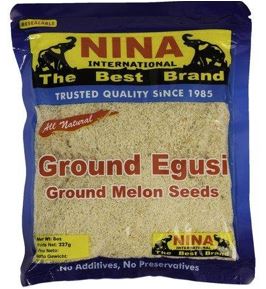
Luxembourg – RECALL: NINA INTERNATIONAL GROUND EGUSI GROUND MELON SEEDS – Salmonella and Aflatoxin

SAP

The Luxembourg Veterinary and Food Administration is recalling the following product in Luxembourg:

Name Ground Egusi – Ground Melon Seeds
Brand Nina International – The best brand
Unit 277g
bar code 745851003106
Date of minimum durability (MDD) 01/01/2024

Sale confirmed in Luxembourg by: Amazon

A sale by other operators cannot be excluded.

Source of information: RASFF (Rapid Alert System for Food and Feed)

Germany – NINA International Egusi Ground – Ground Melon Seeds ground melon seeds – Salmonella and Aflatoxin

LMW

Alert type: Groceries
Date of first publication: 02/03/2023
Product name:

NINA International Egusi Ground – Ground Melon Seeds ground melon seeds

Product images:

Ground Egusi.JPG

Letter from the company AsiaExpressFood

Manufacturer (distributor):

Sahara Pioneer Ltd. 14 Labor Street Accra Ghana

Reason for warning:

salmonella, aflatoxins

Packaging Unit: 227g
Durability: 01/01/2024

RASFF Alerts – Aflatoxin – Groundnuts- Melon Seeds – Pistachios – Dried Figs

RASFF

Aflatoxin in Argentine groundnuts in the Netherlands

RASFF

Aflatoxins and Salmonella group E in ground melon seeds from Ghana, via the Netherlands in Austria, Belgium, Cyprus, Czech Republic, Denmark, Finland, France, Germany, Hungary, Iceland, Italy, Luxembourg, Netherlands, Poland Romania, Sweden

RASFF

Aflatoxin B1 and Total in Pistachio nuts from Turkey in Germany, Italy, Netherlands, Poland and Romania

RASFF

Aflatoxin in Brazilian groundnuts in the Netherlands, Poland and Ukraine

RASFF

Aflatoxins in dried figs from Turkey in Sweden

RASFF

Aflatoxins beyond the maximum permitted limits in Pistachios in shell from Iran in Italy

RASFF Alert – Ochratoxin A – Nutmeg – Shelled sunflower Seeds – Chopped Dried Figs

RASFF

Ochratoxin A in nutmeg from Indonesia in the Netherlands

RASFF

Ochratoxin A in shelled sunflower seeds from China, packaged in Denmark in Poland

RASFF

Ochratoxin A in Turkish chopped dried figs in the Netherlands

RASFF

Ochratoxin A in dried figs from Turkey in Germany

Research – Mycotoxin survey: Watch out for exposure from dirty maize

Irish Examiner

If you’re feeding maize, you likely have a mycotoxin problem on your farm, delegates at a recent ruminant nutrition were told.

Breaking down the results of this year’s mycotoxin survey, Laura Quinn, Ruminant Technical Species Expert at DSM, said: “When plants get stressed – whether that be drought, weather-related or disease – they can be vulnerable to being attacked by fungi, and mycotoxins are toxic secondary metabolites which are released by the fungi.

“They are in almost all agricultural commodities worldwide. They are very stable, can persist in heat and are resistant to any processing at feed mills.”

Biomin and DSM have run the survey since 2004.

The firm analyses over 20,000 samples a year and offers localised predictions for mycotoxins based on weather patterns.

“Mycotoxins are anti-protozoal, anti-bacterial and anti-fungal, which is great for disinfectant, but considering in the rumen we are trying to use these to break down feed materials to produce milk, we don’t want them having that effect in the cow.”

In dairy animals, mycotoxins have been linked with reduced feed intake, lower milk yields, liver inflammation, lower vaccine efficacy, and lower fatty acid production, among other production and health issues.

There are currently more than 1,000 mycotoxins identified, with more being discovered by scientists all the time.

Germany – Simply Sunny, dried figs, 400g – Ochratoxin A

LMW

Alert type: Food
Date of first publication: 01/31/2023
Product name:

Simply Sunny, dried figs, 400g

Product images:

Figs (1).JPG

Eurogroup Deutschland GmbH

Figs (2).JPG

Eurogroup Deutschland GmbH

Manufacturer (distributor):

Eurogroup Deutschland GmbH Katzbergstraße 3 D – 40764 Langenfeld, Germany Distribution through branches of Penny Markt GmbH

Reason for warning:

Presence of ochratoxin A (“storage mold”)

Packaging Unit: 400g
Durability: 05/31/2023
Lot identification: OA350020356/2-11-630
Further information:

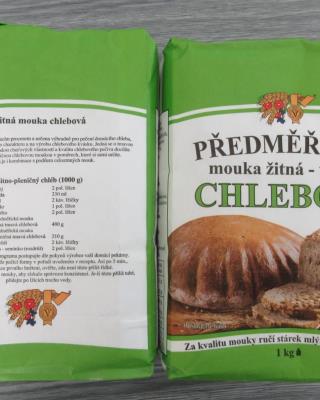
Czech Republic – PRE-MEASURED rye flour – dark BREAD – Ergot Alkaloids

Potravinynapranyri

Illustrative photo #1

Place of inspection:
Předměřice nad Labem ( Průmyslova 107, 50302 Předměřice nad Labem )
ID: 49814869
Food group: Milled cereal products Flour and semolina

PRE-MEASURED rye flour – dark BREAD
Category: Dangerous foods
Invalid parameter:

sum of ergot alkaloids

The maximum permitted limit for the content of contaminating substances – ergot alkaloids was exceeded in the flour.

Ergot alkaloids are produced by the fungus Claviceps purpurea and cause poisoning (ergotism).

Batch: 061022
Best before date: 07/06/2023
Packaging: PAP bag with print
Quantity of the product in the package: kg
Producer: Mlýny J.Voženílek, spol.s ro, Průmyslova 107, Předměřice nad Labem 50302
Country of origin:  Czechia
Date of sample collection: 8/11/2022
Reference number: 23-000045-SZPI-CZ

Research – Aflatoxins in Maize from Serbia and Croatia: Implications of Climate Change

MDPI

Abstract

Aflatoxins (AFs) represent the most important mycotoxin group, whose presence in food and feed poses significant global health and economic issues. The occurrence of AFs in maize is a burning problem worldwide, mainly attributed to droughts. In recent years, Serbia and Croatia faced climate changes followed by a warming trend. Therefore, the main aim of this study was to estimate the influence of weather on AFs occurrence in maize from Serbia and Croatia in the 2018–2021 period. The results indicate that hot and dry weather witnessed in the year 2021 resulted in the highest prevalence of AFs in maize samples in both Serbia (84%) and Croatia (40%). In maize harvested in 2018–2020, AFs occurred in less than, or around, 10% of Serbian and 20% of Croatian samples. In order to conduct a comprehensive study on the implications of climate change for the occurrence of AFs in maize grown in these two countries, the results of available studies performed in the last thirteen years were searched for and discussed.