Aflatoxin B1 in Indian peanuts for bird feed in the Netherlands
Aflatoxin B1 in dairy sheep compound feed from France in Spain

Aflatoxin B1 in Indian peanuts for bird feed in the Netherlands
Aflatoxin B1 in dairy sheep compound feed from France in Spain
The United States Food and Drug Administration (FDA) and the California Department of Public Health (CDPH) inspected your seafood processing facility, Mariscos Bahia Inc, located at 8300 Rex Rd., Pico Rivera, CA 90660-3719 from October 6 to October 21, 2022. The inspection was initiated as part of a multistate foodborne outbreak investigation of Salmonella Litchfield (S. Litchfield) infections linked to seafood, including fresh, raw salmon, supplied by your facility. According to the Centers for Disease Control and Prevention (CDC), 39 people from 4 states were infected with the outbreak strain of S. Litchfield. During our inspection we collected environmental samples (swabs) from various areas in your facility, including areas that are near food during processing operations. FDA laboratory analyses found the presence of the outbreak strain of S. Litchfield and two additional Salmonella strains, Salmonella Mbandaka (S. Mbandaka) and Salmonella Oranienburg (S. Oranienburg), which are human pathogens, in your facility. On October 20, 2022, your firm recalled various types of fresh fish processed at your facility and distributed between June 14, 2022 and October 17, 2022, because they had the potential of being contaminated with Salmonella. FDA and CDC have determined, based upon the epidemiologic, traceback evidence, and whole genome sequencing (WGS) matches between clinical and FDA environmental samples, that fresh salmon processed at your facility was the likely source of this multistate S. Litchfield outbreak.
Posted in FDA, food bourne outbreak, Food Illness, Food Micro Blog, Food Microbiology, Food Microbiology Blog, Food Microbiology Research, Food Microbiology Testing, Foodborne Illness, foodborne outbreak, foodbourne outbreak, Illness, microbial contamination, Microbial growth, Microbiological Risk Assessment, Microbiology, Microbiology Investigations, Microbiology Risk, outbreak
| Date Posted |
Ref | Pathogen or Cause of Illness |
Product(s) Linked to Illnesses (if any) |
Total Case Count |
Status |
| 3/8/2023 | 1144 | Salmonella Hartford | Not Yet Identified |
50 | Active |
| 3/1/2023 | 1143 | Hepatitis A Virus | Frozen Organic Strawberries |
See Outbreak Advisory |
Active |
| 2/15/2023 | 1123 | Listeria monocytogenes |
Not Yet Identified |
See CDC Investigation Notice |
Active |
| 11/9/2022 | 1127 | Listeria monocytogenes |
Enoki Mushrooms |
See Outbreak Advisory |
Active |
Posted in Decontamination Microbial, FDA, food bourne outbreak, Food Illness, Food Micro Blog, Food Microbiology, Food Microbiology Blog, Food Microbiology Research, Food Microbiology Testing, Foodborne Illness, foodborne outbreak, foodbourne outbreak, Hepatitis A, Illness, Listeria, Listeria Enoki Mushrooms, Listeria monocytogenes, microbial contamination, Microbial growth, Microbiological Risk Assessment, Microbiology, Microbiology Investigations, Microbiology Risk, outbreak, Salmonella
Posted in Biofilm, Food Micro Blog, Food Microbiology, Food Microbiology Blog, Food Microbiology Research, Food Microbiology Testing, Listeria, Listeria monocytogenes, microbial contamination, Microbial growth, Microbiological Risk Assessment, Microbiology, Microbiology Investigations, Microbiology Risk
Today, the FDA released Activities for the Safety of Imported Seafood (PDF). The report shares the comprehensive approach the FDA is taking to ensure that imported seafood consumed in the U.S. meets food safety requirements and the standards of domestically produced seafood.
Seafood is one of the most highly traded food commodities in the world with 2018 total imports accounting for approximately 94% of seafood sold by volume in the U.S. Seafood contains high quality protein and other essential nutrients and is an important part of a healthy diet. The safety of imported seafood, particularly shrimp, the most consumed type of seafood in the U.S., has garnered the attention of Congress and industry, among other stakeholders.
The FDA Strategy for the Safety of Imported Food (Import Strategy) is the roadmap for this report. It describes a comprehensive approach to imported food safety – guided by four goals:
The Activities for the Safety of Imported Seafood details how established FDA regulation and innovative programs and technology are employed to support each of the four goals as they relate to imported seafood safety. These include proactively engaging and establishing partnerships with FDA regulatory counterparts in countries that export seafood to the United States; exploring the use of Artificial Intelligence (AI), specifically Machine Learning (ML), to strengthen predictive analytics; and developing new tools that leverage technology such as geographic information system (GIS) to provide spatial intelligence about potential seafood hazards.
Posted in Decontamination Microbial, Food Micro Blog, Food Microbiology, Food Microbiology Blog, Food Microbiology Research, Food Microbiology Testing, Food Safety, Food Safety Management, food safety training, microbial contamination, Microbial growth, Microbiological Risk Assessment, Microbiology, Microbiology Investigations, Microbiology Risk
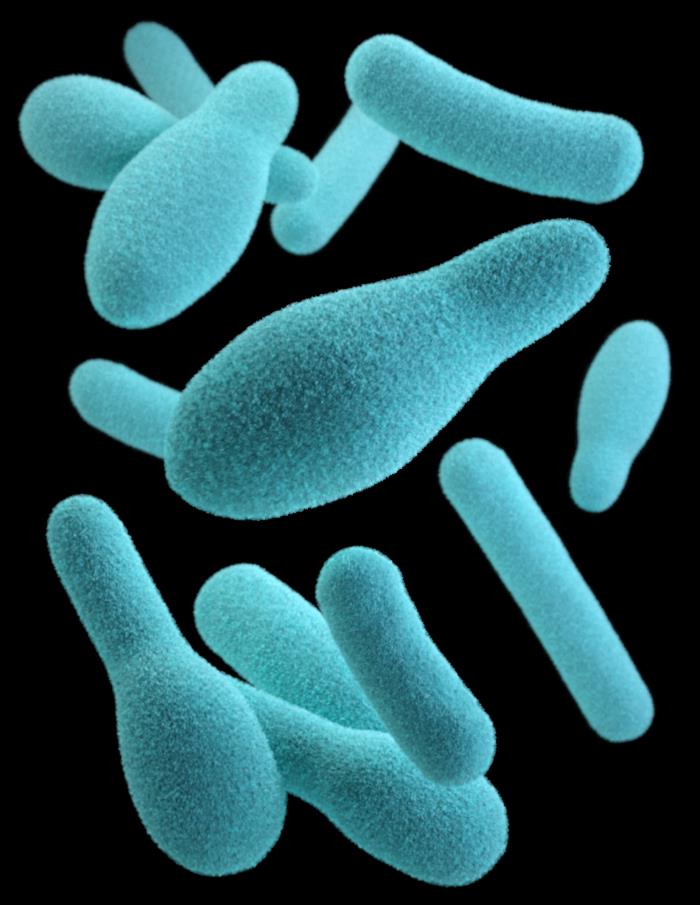
Ten people in a mountainous district of the Central Province of Quang Nam were hospitalized for Botulinum poisoning, with one of them dead after eating pickled carp on March 7.
Three seriously ill patients including one female and two male adults requiring mechanical ventilation were given Botulism Antitoxin Heptavalent (BAT) to treat Clostridium Botulinum poisoning. Up to now, 2/3 of patients have had good improvement after antidote infusion, a good prognosis; however, one patient is in critical condition.
Previously, the SGGP Newspaper released that after eating pickled carp at a house of a local inhabitant, four people experienced poisonous symptoms. They were rushed to the local infirmary for treatment. On the morning of March 18, physicians of the General Hospital in Phuoc Duc Commune of Phuoc Son District connected with Cho Ray Hospital in Ho Chi Minh City for consultation. Soon, doctors of Cho Ray Hospital flew to Quang Nam Province with five antidotes vitals to the General Hospital of the Northern mountainous region of Quang Nam for the treatment of the patients with botulinum poisoning.
Yesterday, Director of the Quang Nam Department of Health Mai Van Muoi said that the unit has just sent a dispatch on strengthening measures to prevent and control food poisoning when people like eating traditional foods such as fermented foods.
Thereby, the Department of Health of Quang Nam province suggested localities, especially highland areas, strengthen communication about food safety to local inhabitants to raise their awareness.
Posted in Bacterial Toxin, Clostridium, Clostridium botulinum, Decontamination Microbial, Food Micro Blog, Food Microbiology, Food Microbiology Blog, Food Microbiology Testing, Food Poisoning, Food Poisoning Death, microbial contamination, Microbial growth, Microbiological Risk Assessment, Microbiology, Microbiology Investigations, Microbiology Risk, Poisoning
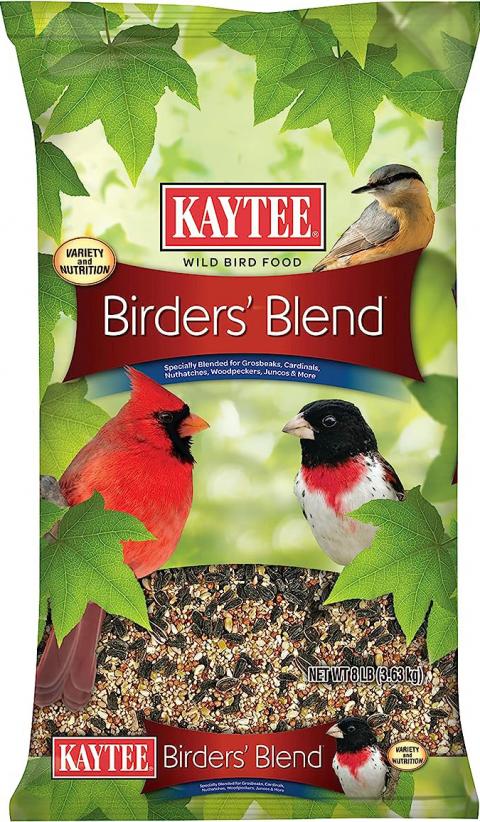
CHILTON, WI – March 18, 2023 – Kaytee Products Inc. is voluntarily recalling one lot of Kaytee® Wild Bird Food Birders’ Blend, 8 lb. bag, UPC 0 71859 02711 1, Lot Number PennPak1 102022 933, best buy date of 041224, due to potentially elevated levels of Aflatoxin above the acceptable limit. Aflatoxin is a naturally occurring by-product from the growth of Aspergillus flavus and can be harmful to wild birds if consumed in significant quantities. No illnesses have been reported in association with this product to date and no other Kaytee products are affected.
On March 13, 2023, the Georgia Department of Agriculture notified Kaytee Products Inc. that after conducting a routine laboratory analysis of the product, Lot PennPak1 102022 933 located on the bottom right corner of the front of the 8 lb. bags of Kaytee® Wild Bird Food Birder’s Blend was found to contain elevated levels of Aflatoxin.
The products affected by this announcement are:
|
Product |
Size |
UPC |
Lot No. |
Best by |
|---|---|---|---|---|
| Kaytee® Wild Bird Food Birders’ Blend | 8 lb | 0 71859 02711 1 | PennPak1 102022 933 |
041224 |
Posted in Aflatoxin, Animal Feed, Animal Feed Mould Toxin, Animal Feed Testing, Aspergillus, Aspergillus Toxin, Food Micro Blog, Food Microbiology Blog, microbial contamination, Microbial growth, Microbiological Risk Assessment, Microbiology, Microbiology Investigations, Microbiology Risk, mold, Mold Toxin, Mycotoxin

Contaminated shellfish are continuing to cause illnesses in several European countries and Hong Kong.
At least 170 people have fallen ill in Helsinki, Finland, after eating oysters in various restaurants in February and March. Cases have also been reported in other Finnish cities.
Norovirus has been found in nine different oyster batches with two from the Netherlands, six from France, and one from Ireland. Importers have withdrawn affected batches from the market.
Officials have tested food from restaurants and taken patient samples, finding norovirus. Some of those sick reported eating oysters.
A report on the outbreak is being prepared for the Finnish Food Authority (Ruokavirasto) and the Finnish Institute for Health and Welfare (THL).
Norovirus is the most commonly identified cause of foodborne outbreaks in Finland. Between 2017 and 2021, oysters caused 11 norovirus outbreaks in which more than 110 people fell ill.
Finland has published four Rapid Alert System for Food and Feed (RASFF) alerts on food poisoning due to norovirus in oysters since late February.
Posted in food bourne outbreak, Food Illness, Food Micro Blog, Food Microbiology, Food Microbiology Blog, Food Microbiology Research, Food Microbiology Testing, Foodborne Illness, foodborne outbreak, foodbourne outbreak, Illness, microbial contamination, Microbial growth, Microbiological Risk Assessment, Microbiology, Microbiology Investigations, Microbiology Risk, Norovirus, Norovirus Oysters, outbreak
Aged meat does not pose any additional risks compared to fresh meat if it is aged under controlled conditions, EFSA experts concluded in a scientific opinion released today.
Meat ageing is a process during which microbes and enzymes act upon the meat to break down the connective tissue, thereby tenderising the meat and giving it a richer flavour. This can be done through two main methods: wet ageing and dry ageing. Wet ageing is used for beef, pork and lamb that is stored and refrigerated in a vacuum package, while dry aged beef is refrigerated without packaging which results in a dry surface that is cut off before preparation.
“Aged meat has risen in popularity in recent years among the food industry and restaurants yet until now there has been a lack of knowledge about its safety. EFSA’s advice contributes to fill that gap and provides a solid scientific basis for food business operators to produce aged meat that is safe,” said the Chair of EFSA’s Panel on Biological Hazards, Prof Kostas Koutsoumanis.
There are no additional risks involved provided that the specific combination of time and temperature identified in the scientific opinion are observed during the ageing process, said EFSA’s experts. For example, dry aged beef can be considered as safe as fresh beef if ageing is done for up to 35 days at a temperature of 3°C or lower.
What’s your idea of a tasty snack? Fruit, biscuits, bread and jam perhaps? What would you say if you were offered something more adventurous – fried crickets or grasshoppers? Popular in some countries such as Thailand and Mexico, they are often eaten with chili and lime. In Europe, reactions are mixed! Our expert Ermolaos Ververis explains how EFSA’s novel foods team assesses whether foods such as insects are safe, and he makes us rethink what we know as staple foods in Europe. Come join us for this episode of Science on the Menu, where we even put these questions to the test.



 FoodWorld