Category Archives: Microbiology

Research – Brasil – Risk of Infection by Salmonella and Listeria from RTE Vegetables

Science DirectEurofins Food Testing UK

The current study was carried out to estimate the risks of infection due to consumption of RTE vegetables contaminated with Salmonella and Listeria monocytogenes in Brazil. The risk assessment model was composed of five different modules comprising the retail-consumption steps. Scenarios were simulated using prevalence and concentration levels reported in RTE vegetables in Brazil as well as considering values 10 times lower. In addition, scenarios in which temperature during transportation and storage are maintained below 5 °C were also evaluated. Models built in Excel spreadsheets were run (100,000 iterations) using @Risk software. The two outputs were risk of infection per month (probability of infection per month due to consumption of RTE vegetables) and number of infections per month (number of people that consumed RTE vegetables and get infected per month). The QMRA models predicted that the mean risk of Salmonella infection per month is 5.7E-03, while the mean risk of infection for L. monocytogenes was 8.1E-06 per month. The reduction of prevalence of Salmonella from 1.7% to 0.17% resulted in a decrease of risk of infection per month by about 6 times. In the case of L. monocytogenes, the reduction of prevalence from 2.2% to 0.22% resulted in decrease of risk of infection from 8.1E-06 to 1.0E-06. The risks and number of cases predicted in scenarios in which temperature was kept below 5 °C were reduced for both pathogens studied when compared to scenarios where this was not the case. The scenario where prevalence and concentration of pathogens was reduced and where temperature was <5 °C led to the lowest number of infections due by Salmonella and L. monocytogenes (187 and 3.3E-05 cases, respectively). The results suggest that effective mitigation strategies need to be adopted. The strict control of temperature during transportation, storage and consumption was more effective to reduce risk and number of cases due to L. monocytogenes than to Salmonella. More data is needed to improve the accuracy of risk assessment models developed.
UK -Four more E.coli O157 Cases in Scotland Linked to Burgers

STV NewsBurger

Four more cases of E coli have been linked to the SSE Hydro in Glasgow, health bosses said.

The new cases bring the total number to 15 and are all linked to events at the venue on January 17, 18 and 19.

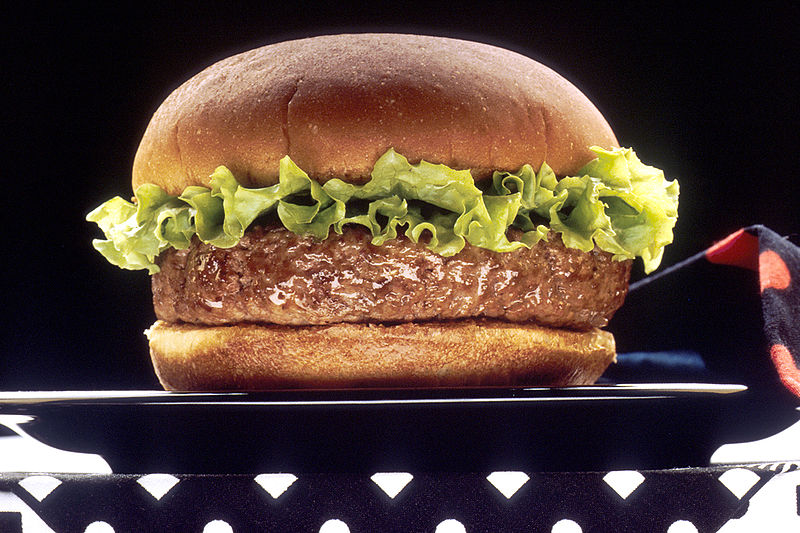
An investigation by NHS Greater Glasgow and Clyde (NHSGGC) alongside other public health bodies has indicated that burgers sold at the Hydro could have been the cause of the outbreak.

RASFF Alerts – Aflatoxin – Peanut – Groundnut – Almonds

RASFF-Logo

RASFF –aflatoxins (B1 = 80.2; Tot. = 88.4 µg/kg – ppb) in peanut kernels from China in Greece

RASFF – aflatoxins (B1 = 4.1 µg/kg – ppb) in groundnuts from the United States in the Netherlands

RASFF -aflatoxins (B1 = 7.1; Tot. = 8.9 µg/kg – ppb) in peanuts from Uganda in Belgium

RASFF – aflatoxins (B1 = 63.1; Tot. = 68.4 µg/kg – ppb) in almonds from Spain, via the Netherlands in Germany

RASFF Alerts – Animal Feed – Salmonella – Aflatoxin

RASFF-Logo

RASFF-Salmonella (present /25g) in processed animal protein of chicken from the Netherlands in Sweden

RASFF– Salmonella Give (present /25g) in fish meal from Spain in Hungary

RASFF– Salmonella Montevideo and Salmonella Tennessee in non GMO soy bean meal from Bosnia and Herzegovina in Austria

RASFF– aflatoxins (B1 = 190 / B1 = 150 / B1 = 29 µg/kg – ppb) in groundnut kernels from Sudan in the UK

RASFF– aflatoxins (B1 = 0.084 mg/kg – ppm) in maize from Croatia in Slovenia

RASFF– aflatoxins (B1 = 333 / B1 = 287 µg/kg – ppb) in sunflower seeds from Egypt in Belgium

USA – FDA – Recall Dog and Cat Food – Salmonella

FDAFDA

Pro-Pet LLC, St. Marys, Ohio, has initiated a voluntary recall of a limited number of Dry Dog and Cat Foods for possible Salmonella contamination. A single field test indicated products manufactured during a two day period, on a single production line may have the potential for Salmonella contamination. Pro-Pet LLC is voluntarily recalling the potentially impacted products made during this timeframe. There have been no reports of illness related to this product to date.

Salmonella can affect animals eating the products and there is risk to humans from handling contaminated pet products, especially if they have not thoroughly washed their hands after having contact with the products or any surfaces exposed to these products.

Healthy people infected with Salmonella should monitor themselves for some or all of the following symptoms: nausea, vomiting, diarrhea or bloody diarrhea, abdominal cramping and fever. Rarely, Salmonella can result in more serious ailments, including arterial infections, endocarditis, arthritis, muscle pain, eye irritation, and urinary tract symptoms. Consumers exhibiting these signs after having contact with this product should contact their healthcare providers.

Pets with Salmonella infections may be lethargic and have diarrhea or bloody diarrhea, fever, and vomiting. Some pets will have only decreased appetite, fever and abdominal pain. Infected but otherwise healthy pets can be carriers and infect other animals or humans. If your pet has consumed the recalled product and has these symptoms, please contact your veterinarian.

Australia/Bali – Two Die from Scomboid Poisoning and Secondary Illness

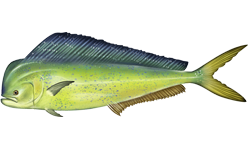
The Australian File:Coryphaena hippurus.png

NOELENE Bischoff and her teenage daughter Yvana died after eating toxic fish while on holidays in Bali, preliminary autopsy results reveal.

But the Sunshine Coast pair may have survived the rare poisoning, called Scombroid Syndrome Toxicity, had they not both been asthma sufferers which accelerated and intensified their reaction.

A spokesman for the Queensland Coroner Terry Ryan told The Australian the Bischoff family met with forensic pathologists in Brisbane yesterday and had been told the possible causes of death. However, autopsy testing has not been finalised.

Bischoff, 54, and her 14-year-old daughter died violently and mysteriously in Bali last month, hours after enjoying a final meal at the Padang Bai Beach resort restaurant.

They had eaten grilled mahi mahi fish, vegetarian pizza and chicken curry, before succumbing to vomiting and breathlessness.

USA – Chicken Livers – Campylobacter

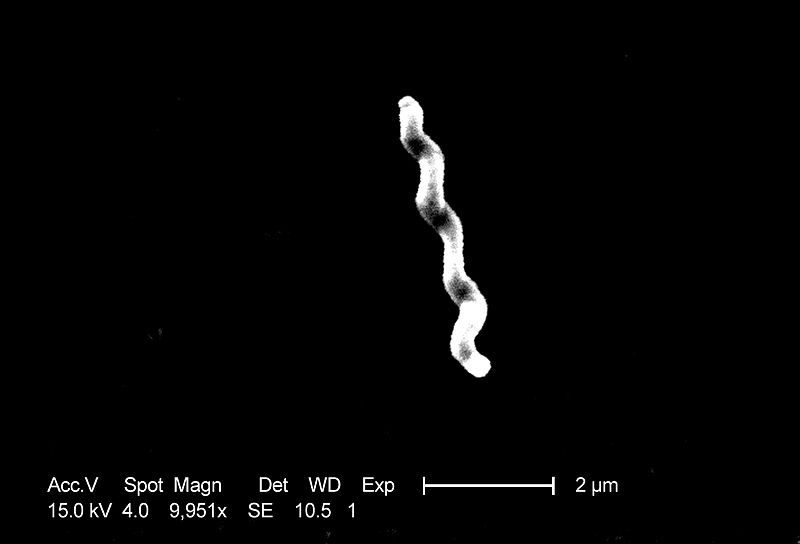
Orgeon Food Safety AlertsCampylobacter_jejuni_01

Since December 2013, Oregon health officials have been looking into the source of Campylobacteriosis that has sickened five individuals in Oregon and Ohio. All cases report eating undercooked or raw chicken livers; most cases consumed chicken livers prepared as pâté. The cases in Ohio ate chicken liver pâté while visiting Oregon. The Oregon Health Authority is working with USDA and CDC.

This is the second reported multistate outbreak of campylobacteriosis associated with consumption of undercooked chicken liver in the United States.

Oregon Live

A high-end chicken product enjoyed in high-end restaurants in Portland is part of a small food poisoning outbreak in Oregon.

Health officials issued a public health alert Tuesday, saying six people who consumed undercooked or raw chicken livers were infected with campylobacter, a common foodborne pathogen. Three people live in Oregon and two others were visiting the state from Ohio. The outbreak includes one person in Washington state who got sick after consuming chicken liver pills. Most of the others ate chicken liver pate.


USA- Beef Products Recall – STEC E.coli

E.coli Blog

PFP Enterprises, a Fort Worth, Texas, establishment, is recalling approximately 15,865 pounds of beef products because they may be contaminated with E. coli O103, E. coli O111, E. coli O121, E. coli O145, E. coli O26 and E. coliO45, the U.S. Department of Agriculture’s Food Safety and Inspection Service (FSIS) announced today.

FSIS personnel became aware of the problem during a Food Safety Assessment when they discovered that beef trim tested presumptive positive for multiple non-O157 Shiga toxin-producing E. coli (STEC) strains through the company’s testing program. The company inadvertently did not carry the test out to confirmation, and not all affected product was held.


Canada – Bacon Spread Recall- Clostridium botulinum

CFIACIFA

Kitchen by Brad Smoliak is recalling Bacon spread from the marketplace because it may permit the growth of Clostridium botulinum. Consumers should not consume the recalled product described below.

The following product has been sold in Alberta.

 Recalled products

Brand Name Common Name Size Code(s) on Product UPC
Kitchen by Brad Smoliak Bacon by brad smoliak 125 g or 125 ml Best Before 14 MA 14 and 14 JL 14 6 27843 01328 0

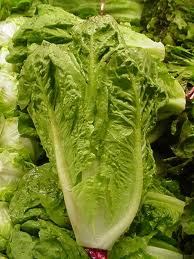
Research – Growth of Escherichia coli O157:H7 and Listeria monocytogenes in Packaged Fresh-Cut Romaine Mix at Fluctuating Temperatures during Commercial Transport, Retail Storage, and Display

Ingentaconnect

Temperature abuse during commercial transport and retail sale of leafy greens negatively impacts both microbial safety and product quality. Consequently, the effect of fluctuating temperatures on Escherichia coli O157:H7 and Listeria monocytogenes growth in commercially-bagged salad greens was assessed during transport, retail storage, and display. Over a 16-month period, a series of time-temperature profiles for bagged salads were obtained from five transportation routes covering four geographic regions (432 profiles), as well as during retail storage (4,867 profiles) and display (3,799 profiles). Five different time-temperature profiles collected during 2 to 3 days of transport, 1 and 3 days of retail storage, and 3 days of retail display were then duplicated in a programmable incubator to assess E. coli O157:H7 and L. monocytogenes growth in commercial bags of romaine lettuce mix. Microbial growth predictions using the Koseki-Isobe and McKellar-Delaquis models were validated by comparing the root mean square error (RMSE), bias, and the acceptable prediction zone between the laboratory growth data and model predictions. Monte Carlo simulations were performed to calculate the probability distribution of microbial growth from 8,122,127,472 scenarios during transport, cold room storage, and retail display. Using inoculated bags of retail salad, E. coli O157:H7 and L. monocytogenes populations increased a maximum of 3.1 and 3.0 log CFU/g at retail storage. Both models yielded acceptable RMSEs and biases within the acceptable prediction zone for E. coli O157:H7. Based on the simulation, both pathogens generally increased <2 log CFU/g during transport, storage, and display. However, retail storage duration can significantly impact pathogen growth. This large-scale U.S. study—the first using commercial time/temperature profiles to assess the microbial risk of leafy greens—should be useful in filling some of the data gaps in current risk assessments for leafy greens.