Archives
-
Join 346 other subscribers
KSWFoodWorld
Blog Stats
- 451,248 Views

Posted in Decontamination Microbial, Food Micro Blog, Food Microbiology, Food Microbiology Blog, Food Microbiology Research, Food Microbiology Testing, Food Technology, microbial contamination, Microbial growth, Microbiological Risk Assessment, Microbiology, Microbiology Investigations, Microbiology Risk, Mould Toxin, Mould/Mold, Mycotoxin, Research, Technology

Posted in Campylobacter, campylobacter coli, Campylobacter jejuni, Decontamination Microbial, Food Micro Blog, Food Microbiology, Food Microbiology Blog, Food Microbiology Research, Food Microbiology Testing, microbial contamination, Microbial growth, Microbiological Risk Assessment, Microbiology, Microbiology Investigations, Microbiology Risk, Research
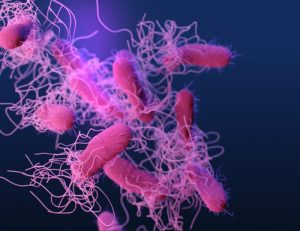
As of November 16, 2022, a Salmonella Typhimurium outbreak (reference # 1113) has been identified in the United States with no known source as the cause of the outbreak. A total of 264 cases have been identified in connection with the outbreak, though the number of actual cases is thought to be much higher and the investigation remains ongoing. The Food and Drug Administration (FDA) is leading the investigation in collaboration with both federal, state, and local partners. The FDA is currently working vigilantly to find the source of the Salmonella Typhimurium outbreak and will update the public accordingly.
Posted in Decontamination Microbial, food bourne outbreak, Food Illness, Food Micro Blog, Food Microbiology, Food Microbiology Blog, Food Microbiology Research, Food Microbiology Testing, Foodborne Illness, foodborne outbreak, foodbourne outbreak, Illness, microbial contamination, Microbial growth, Microbiological Risk Assessment, Microbiology, Microbiology Investigations, Microbiology Risk, outbreak, Salmonella
The Ministry of Health (MOH) and the Singapore Food Agency (SFA) are investigating two incidents of gastroenteritis affecting a total of 284 persons who reported gastroenteritis symptoms after consuming food prepared by Rasel Catering Singapore Pte Ltd between 8 and 16 November 2022. They either sought outpatient treatment, self-medicated, or recovered without treatment. None were hospitalised.
Crustaceans are popular seafood items worldwide owing to their rich nutritional value, unique tastes, and their incorporation in a variety of cuisines. There has been a great concern about the safety of crustaceans for human consumption being more prone to hazardous contaminants due to their exposure to diverse habitats and unhealthy farming and handling practices. These hazards can arise from chemical contaminants such as heavy metals, environmental pollutants, and biotoxins or biological sources, that is, pathogenic microbes and parasites. The different types of chemical contamination of crustaceans as well as biological hazards are reviewed as major part of this review. Although there are many reviews on contaminants in fisheries, nothing is traces to crustaceans. The current review compiles the food safety hazards of crustaceans arising from both chemical and biological origins and their impact on human health in farmed versus wild origins. The different methods of contaminants detection, viz. microbiological, molecular, and analytical methods, as well as control measures viz. cooking and processing methods that can be implemented to safeguard consumer safety are also reviewed. Future perspectives have been raised toward HACCP protocol implementation during handling, processing, and storage of crustaceans and posing real-time freshness monitoring tools such as intelligent packaging.
Posted in Decontamination Microbial, Food Micro Blog, Food Microbiology, Food Microbiology Blog, Food Microbiology Research, Food Microbiology Testing, Food Safety, Food Safety Management, food safety training, Food Technology, microbial contamination, Microbial growth, Microbiological Risk Assessment, Microbiology, Microbiology Investigations, Microbiology Risk
In this study, we developed a mathematical model to describe the fate of Bacillus cereus in Saengsik, a powdered ready-to-eat food with reduced moisture content, and to estimate the probability of B. cereus infection from Saengsik consumption, using quantitative microbial risk assessment (QMRA). The isothermal kinetic behavior of B. cereus was analyzed as a function of temperature (5–40°C). Bacterial cell counts were fitted to the Weibull model using GinaFit, and the obtained delta values (required time for the first decimal reduction) for each temperature were 128.3–17,124.1 hr and concave (ρ < 1) were observed under all experimental conditions. The obtained delta values were analyzed using the Davey model as a function of temperature, and the performance of the developed model of survival of B. cereus was appropriate based on the validation parameters (Bf, Af, and RMSE) within the acceptable range. QMRA model was developed using data on the prevalence and concentration of B. cereus along with time and temperature along the retail-to-consumer steps. Using a baseline model with the currently available data, the probability of B. cereus infection was zero. These results provide useful information for the risk assessment and management of microbial risk in foods, especially those with very low-moisture content.
The EODY rang the bell for two serious cases of botulism in Greece.
As he states in his announcement, on November 15, 2022, a confluence of 2 suspected botulism cases linked to each other by a family relationship (couple) was declared through the EODY’s Mandatory Disease Notification System.
The botulism antitoxin distribution mechanism was immediately mobilized through the EODY, in collaboration with the treating doctors, to administer the antitoxin to the two patients.
With the assistance of the World Health Organization, it was possible to administer the special antitoxin within the first twenty-four hours from the declaration of the 2 cases to EODY. The two patients, one of whom is intubated, are hospitalized in a stable clinical condition in health units in Attica.
According to the EODY, from the reported food consumption history, it emerged that the couple, of foreign nationality, who were in Greece on vacation, consumed, a few days before the onset of symptoms, asparagus prepared by them through the canning process.
It is noted that in the period 2004-2021, three laboratory-confirmed cases of botulism in infants and one suspected case in an adult were reported to EODY.
A rise in Cryptosporidium infections in Sweden has been attributed to contaminated salad by public health officials.
The Public Health Agency of Sweden (Folkhälsomyndigheten) said 101 cases of a certain type of Cryptosporidium parvum had been confirmed in 13 regions of the country.
Patients fell ill from Sept. 25 to Oct. 15 this year and women were more affected than men. Cases range from 4 to 86 years old with an average age of 42.
Link to salad
The agency added there are another 99 potential cases being investigated. The type of Cryptosporidium parvum involved is common so there could be several possible sources.
Local infection control units, the Swedish Food Agency (Livsmedelsverket) and Folkhälsomyndigheten investigated the increase in infections to find a source.
Analysis of information from patients on what they had eaten before becoming ill shows they ate mixed or bagged salad more often than a control group.
Salad has a short shelf life so health officials don’t think it is still available for sale but no products have been sampled.
Livsmedelsverket has looked into possible producers and growers but has been unable to find the likely source of infection.
As reported cases of Cryptosporidium have decreased and are at similar levels to previous years, officials believe the outbreak is over.
Posted in Contaminated water, Cryptosporidiosis, Cryptosporidium, food bourne outbreak, Food Illness, Food Micro Blog, Food Microbiology, Food Microbiology Blog, Food Microbiology Testing, Foodborne Illness, foodborne outbreak, foodbourne outbreak, Illness, microbial contamination, Microbial growth, Microbiological Risk Assessment, Microbiology, Microbiology Investigations, Microbiology Risk, outbreak, Water, water microbiology, Water Safety