Category Archives: microbial contamination

USA – Dave’s Sushi Turns Deadly: “2 have died, and another 30 injuries reported”

Food Poisoning News

Patrons of Dave’s Sushi, who ate at the establishment between March 31 and April 17th, may have been exposed to a deadly pathogen – as yet unidentified – but possibly in the Morel Mushrooms it served. The restaurant has released a statement:

“Upon being contacted by guests on Mon, April 17 about a potential issue, we stopped serving the morel mushrooms which were a specialty food item not on our regular menu and contacted the Gallatin City-County Health Department.”

While not certain, the mushrooms were served only at Dave’s in Montana – the Department of Public Health and Human Services (DPHHS) stated: “The DPHHS investigation has determined that the morel mushrooms served at the restaurant were not distributed to any other restaurants or businesses in Montana. The mushrooms were cultivated in China, shipped to a distributor in California, and subsequently sent to multiple states. There are no known associated illnesses in other states identified at this time.

As of date, two patrons have passed away due to the exposure, and as many as 30 have become ill – some have required hospitalization. The victims all seem to have become ill within a half hour (30 minutes) to four and one half hours (270 minutes) after consumption of the sushi served with the specialty item Morel Mushrooms.

USA- FDA -Investigations of Foodborne Illness Outbreaks Update

FDA

What’s New

  • For the outbreak linked to morel mushrooms (ref #1152), the case count has increased from 30 cases to 41 cases.
  • For the outbreak of hepatitis A virus (ref #1143), cases have increased from 8 to 9. This change has been made on the advisory for this outbreak.
Date
Posted
Ref Pathogen
or
Cause of
Illness
Product(s)
Linked to
Illnesses

(if any)
Total
Case
Count

Status
4/26/2023 1152 Not Yet Identified Morel Mushroom
(suspect)
41 Active
3/29/2023 1141 Salmonella Infantis Raw Flour See
Outbreak
Advisory
Active
3/1/2023 1143 Hepatitis A Virus Frozen Organic
Strawberries
See
Outbreak
Advisory
Active
2/15/2023 1123 Listeria
monocytogenes
Not Yet
Identified
See
CDC
Investigation
Notice
Active

Dutch farm owner, manager up on charges of selling contaminated eggs; one man died – Salmonella

Food Safety News

Two people in the Netherlands have been accused of knowingly selling eggs contaminated with Salmonella.

The case at Zwolle District Court covers events in 2017 and involves the duo, who were owner and manager of a farm at the time.

The Public Prosecution Service (OM) believes Salmonella findings were hidden for financial reasons. The defendants deny knowing about the contamination.

New Zealand – Shellfish biotoxin alert – North Island

MPI

North Island warning

Reason for alert Paralytic Shellfish Poisoning (PSP)

Date warning issued 10 May 2023

Media release

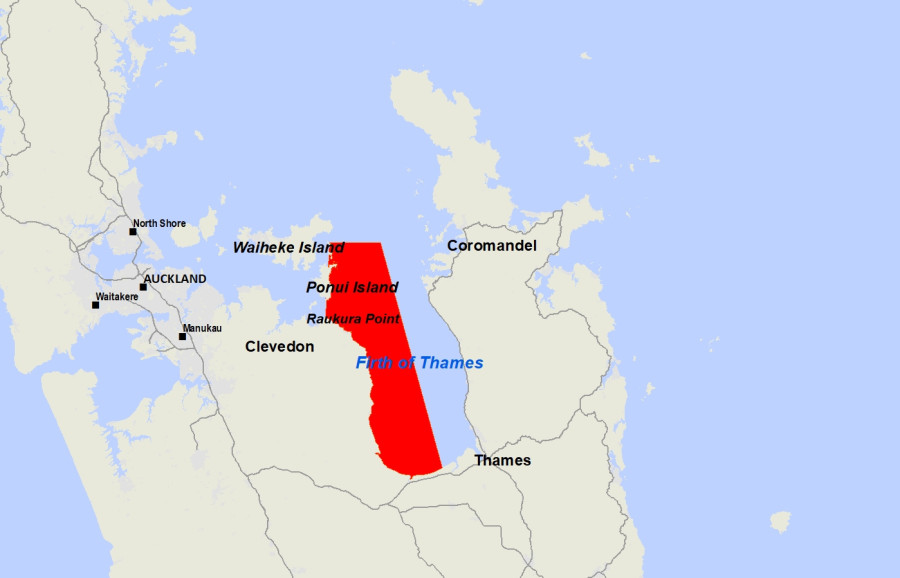
Affected area Western side of the Firth of Thames.
Shellfish affected Mussels, oysters, tuatua, pipi, toheroa, cockles, scallops, catseyes, kina (sea urchin) and all other bivalve shellfish.

Note, cooking shellfish does not remove the toxin.

Pāua, crab and crayfish may still be eaten if the gut has been completely removed prior to cooking, as toxins accumulate in the gut. If the gut is not removed its contents could contaminate the meat during the cooking process.

Symptoms Symptoms typically appear between 10 minutes and 3 hours after ingestion and may include:

  • numbness and a tingling (prickly feeling) around the mouth, face, and extremities (hands and feet)
  • difficulty swallowing or breathing
  • dizziness
  • headache
  • nausea
  • vomiting
  • diarrhoea
  • paralysis and respiratory failure and in severe cases, death.
Other information Paralytic shellfish toxins have been detected in shellfish from the Kaipara Harbour at levels over the safe limit of 0.8mg/kg set by MPI. Ongoing testing will continue and any changes will be communicated accordingly.

Map of the affected area

Map of affected area from the western half of the Firth of Thames.

Public warnings about toxic shellfish

We test shellfish and seawater for toxic algae every week from popular shellfish gathering areas around New Zealand. If the shellfish are not safe to eat, we issue public health warnings and put up signs at affected beaches.

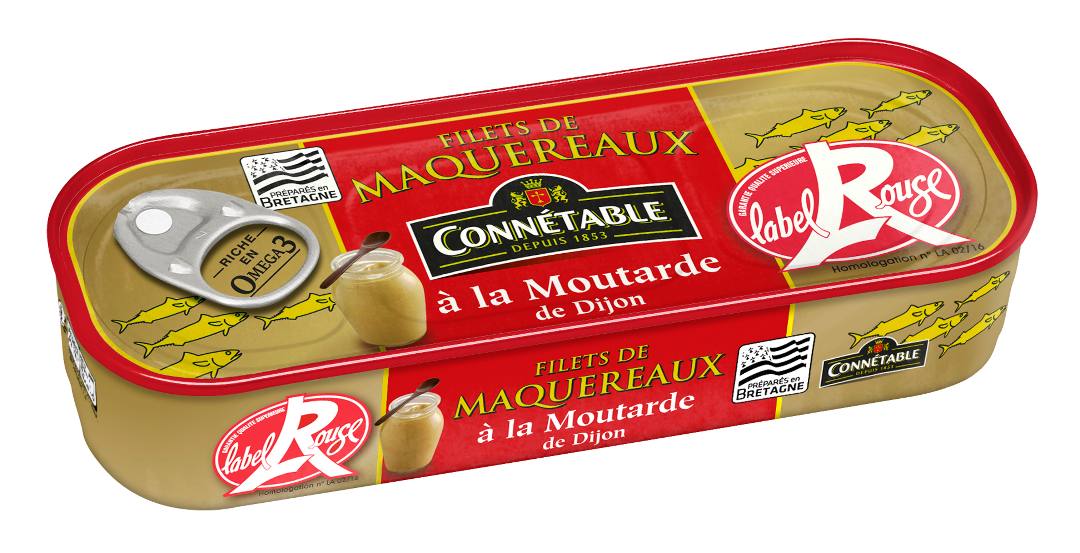
France – Label Rouge mackerel fillets with Dijon mustard – Food Safety

Gov france

Identification information of the recalled product

  • Product category Feed
  • Product subcategory Fishery and aquaculture products
  • Product brand name Constable
  • Model names or references 169g
  • Identification of products
    GTIN Batch Date
    3263670297812 T30170516 Date of minimum durability 01/17/2026
  • Marketing start/end date Since 03/10/2023
  • Storage temperature Product to be stored at room temperature
  • Health mark EN 29.046.532 EC
  • Geographic area of ​​sale Whole France
  • Distributors E.LECLERC signs

Practical information regarding the recall

  • Reason for recall Production incident that may affect the preservation of the product
  • Risks incurred by the consumer Other biological contaminants

Australia – Hepatitis A cases linked to café in Australian state

Food Safety News

Officials in Australia have issued a health alert after two hepatitis A cases were recently linked to a café.

The Department of Health in the state of Victoria said there was a risk of further locally acquired cases being reported in the coming weeks. No information was provided about the patients or if illness was caused by a contaminated food or food handler.

People who had food from Creatures of Habit café in the city of Springvale in Melbourne were advised to be aware of the symptoms of hepatitis A infection.

The café is located in the Springvale Homemaker Centre. A clean-up of the restaurant has been undertaken and there is no longer a risk to the public, according to officials. There are no other venues at the center implicated.

USA – White cheese queso recalled over inadequate pasteurization

Food Safety News

Pool Forge Dairy, of East Earl, PA, is recalling certain white cheese queso because of the possible risk of pathogen contamination due to inadequate pasteurization.

According to the information posted online by the Food and Drugs Administration (FDA), the recall was initiated on March 14 and is ongoing.

The recalled products were distributed in New Jersey.

Recalled product:

  • White Cheese Queso Blanco Delicias del Campo Queso Blanco White Cheese Net Wt. 1lb (453g)
  • UPC: 7 69602 55441 9 White Cheese also packaged in Pool Forge Dairy LLC labeling
  • The product is vacuum packaged in plastic and in a plastic container with a press-on lid
  • Sell-by dates are Jan. 7 to March 28, 2023

Consumers who purchased the recalled product should immediately dispose of it and not consume it.

USA – Outbreak Investigation of Hepatitis A Virus Infections: Frozen Strawberries (February 2023)

FDA

Product

California Splendor Recall: Kirkland Signature 4-lb. bag Frozen Organic Whole Strawberries in certain states with specific lot codes.

Scenic Fruit Recall: frozen organic strawberries with the following brand names and Best By Dates distributed to specific states:

  • Simply Nature, Organic Strawberries, Best By 06/14/2024
  • Vital Choice, Organic Strawberries, BEST BY 05/20/2024
  • Kirkland Signature, Organic Strawberries, Best If Used By 10/08/2024
  • Made With, Organic Strawberries, Best Before 11/20/2024
  • PCC Community Markets, Organic Strawberries, Best By 29/10/2024
  • Trader Joe’s, Organic Tropical Fruit Blend with the following Best By dates: 04/25/24; 05/12/24; 05/23/24; 05/30/24; 06/07/24

Stores Affected

California Splendor supplied recalled product to Costco stores in Los Angeles and Hawaii, and to two San Diego business centers. Scenic Fruit supplied recalled product to Costco, Aldi, KeHE, Vital Choice Seafood, and PCC Community Markets in specific states, and to Trader Joe’s nationwide.

On March 17, 2023, the retailer, Meijer, also issued press to voluntarily recall Made-WithExternal Link Disclaimer brand frozen organic strawberries from certain market store locations.

This is not an exhaustive list of products or stores. FDA is continuing to work with the firms to identify potential additional product information.

Symptoms of Hepatitis A

Illness usually occurs within 15 to 50 days after eating or drinking contaminated food or water. Symptoms of hepatitis A virus infection include fatigue, nausea, vomiting, abdominal pain, jaundice, dark urine, and pale stool. In some instances, particularly in children under the age of six, hepatitis A infection may be asymptomatic.

Status

Ongoing

Recommendation

  • Consumers, restaurants, and retailers should not sell, serve, or eat recalled frozen strawberries. These recalled products should be returned or thrown away.
  • If consumers purchased the recalled frozen organic strawberries and ate those berries in the last two weeks, and have not been vaccinated against hepatitis A, they should immediately consult with their healthcare professional to determine whether post exposure prophylaxis (PEP) is needed. PEP is recommended for unvaccinated people who have been exposed to hepatitis A virus in the last two weeks because vaccination can prevent a hepatitis A virus infection if given within 14 days of exposure. Those with evidence of previous hepatitis A vaccination or previous hepatitis A virus infection do not require PEP.
  • Contact your healthcare provider if you think you may have symptoms of a hepatitis A virus infection after eating these frozen organic strawberries, or if you believe that you have eaten these strawberries in the last two weeks.

Current Update

May 8, 2023

As of May 5, 2023, a total of 9 outbreak-associated cases of hepatitis A have been reported from 3 states. Based on epidemiological data collected by CDC, 9/9 (100%) people who provided information about what they ate before becoming ill reported eating frozen organic strawberries.

Research – Salmonella Outbreaks Associated with Not Ready-to-Eat Breaded, Stuffed Chicken Products — United States, 1998–2022

CDC

Not ready-to-eat (NRTE) breaded, stuffed chicken products (e.g., chicken stuffed with broccoli and cheese) typically have a crispy, browned exterior that can make them appear cooked. These products have been repeatedly linked to U.S. salmonellosis outbreaks, despite changes to packaging initiated in 2006 to identify the products as raw and warn against preparing them in a microwave oven (microwave) (14). On April 28, 2023, the U.S. Department of Agriculture proposed to declare Salmonella an adulterant* at levels of one colony forming unit per gram or higher in these products (5). Salmonella outbreaks associated with NRTE breaded, stuffed chicken products during 1998–2022 were summarized using reports in CDC’s Foodborne Disease Outbreak Surveillance System (FDOSS), outbreak questionnaires, web postings, and data from the Minnesota Department of Health (MDH) and the U.S. Department of Agriculture’s Food Safety and Inspection Service (FSIS). Eleven outbreaks were identified in FDOSS. Among cultured samples from products obtained from patients’ homes and from retail stores during 10 outbreaks, a median of 57% of cultures per outbreak yielded Salmonella. The NRTE breaded, stuffed chicken products were produced in at least three establishments.§ In the seven most recent outbreaks, 0%–75% of ill respondents reported cooking the product in a microwave and reported that they thought the product was sold fully cooked or did not know whether it was sold raw or fully cooked. Outbreaks associated with these products have occurred despite changes to product labels that better inform consumers that the products are raw and provide instructions on safe preparation, indicating that consumer-targeted interventions are not sufficient. Additional Salmonella controls at the manufacturer level to reduce contamination in ingredients might reduce illnesses attributable to NRTE breaded, stuffed chicken products.

Research – Study looks at Listeria contamination patterns in processors

CPS

While several studies have examined Listeria monocytogenes (Lm) prevalence in dairy and meat processing facilities, few have looked at Lm contamination patterns and related sanitation programs in produce processing facilities.
But Ana Allende, Ph.D., and her team from the CEBAS-CSIC research institute in Spain, hope their two-year CPS-funded research will change that. The project is designed to yield practical data about produce facilities’ environmental monitoring plans as well as the efficacy of sanitation programs.

Key Take-Aways

• Project looked at Listeria contamination patterns in three produce processing facilities.
• Whole genome sequencing, a type of genetic fingerprinting, helped link positive Lm samples to possible sources.
• Researchers tested biocides against resident Lm populations to gauge efficacy and potential loss of sensitivity.
“We started to become interested in the role of environmental contamination following years of attending the CPS Symposium where some researchers, such as Dr. Martin Wiedmann and Dr. Laura Strawn, focused on Listeria control in produce packinghouses and processing facilities,” she said. “We’re trying to bring our experiences from another point of view. The facilities we’re able to sample here could also help us understand the significance of this problem.”
Joining her as co-principal investigators were Mabel Gil, Ph.D., and Pilar Truchado, Ph.D., both from the CEBAS-CSIC.
As part of the project, the researchers enlisted the cooperation of three processing plants: one with a cut iceberg lettuce line, one with a cut fruit line and one with a salad bowl line.
While the U.S. Food and Drug Administration has zero tolerance for Lm in processed produce samples, the European Commission has set a threshold of up to 100 colony-forming units per gram.
Read More at the Link Above