Category Archives: Marine Biotoxin

New Zealand – Public health warning: shellfish biotoxin alert for East Coast of North Island further extended

MPI

New Zealand Food Safety is extending its advisory to the public not to collect or consume shellfish gathered from the East Coast of the North Island due to the presence of paralytic shellfish toxins.

“We have extended the existing warning north to now span from Cape Runaway all the way south to Blackhead Point, which is just north of Pōrangahau. Follow-up tests on mussels from Hicks Bay Beach showed levels of paralytic shellfish toxins three times the safe limit,” says New Zealand Food Safety deputy director-general Vincent Arbuckle.

“Please do not gather and eat shellfish from this area because anyone doing so could get sick. Affected shellfish include bivalve shellfish such as mussels, oysters, tuatua, pipi, toheroa, cockles, and scallops, as well as pūpū (cat’s eyes), Cook’s turban and kina (sea urchin).

“We are monitoring an algal bloom off the East Coast, which is spreading. This type of algae produces a dangerous toxin and when shellfish filter-feed, these toxins can accumulate in their gut and flesh. Generally, the more algae there are in the water, the more toxic the shellfish get.

“Cooking the shellfish does not remove the toxin, so shellfish from this area should not be eaten.”

Symptoms of paralytic shellfish poisoning usually appear within 10 minutes to 3 hours of eating and may include:

  • numbness and a tingling (prickly feeling) around the mouth, face, hands, and feet
  • difficulty swallowing or breathing
  • dizziness and headache
  • nausea and vomiting
  • diarrhoea
  • paralysis and respiratory failure and, in severe cases, death.

Pāua, crab, and crayfish may still be eaten if the gut has been completely removed prior to cooking, as toxins accumulate in the gut. If the gut is not removed, its contents could contaminate the meat during the cooking process.

Finfish are not affected by this public health warning, but we advise gutting the fish and discarding the liver before cooking.

New Zealand Food Safety has had no notifications of associated illness.

If anyone becomes ill after eating shellfish from an area where a public health warning has been issued, phone Healthline for advice on 0800 61 11 16, or seek medical attention immediately. You are also advised to contact your nearest public health unit and keep any leftover shellfish in case it can be tested.

“We are monitoring shellfish in the region and will notify the public of any changes to the situation,” says Mr Arbuckle.

Commercially harvested shellfish – sold in shops and supermarkets or exported – is subject to strict water and flesh monitoring programmes by New Zealand Food Safety to ensure they are safe to eat.

RASFF Alerts – Aflatoxin – Peanuts – Groundnuts – Melon Seeds – Fig and Date Orange Chocolate Cake

RASFF

Aflatoxin B1 in U.S.A. peanuts from the USA in the Netherlands

RASFF

Aflatoxin in fig date orange chocolate cake from Spain in the Netherlands

RASFF

Aflatoxin in USA groundnuts in the Netherlands

RASFF

Aflatoxin in groundnuts from the USA in the Netherlands

RASFF

Aflatoxin B1 in peanuts from the USA in the Netherlands

RASFF

Aflatoxin in ground melon seeds, from Ghana in Austria, Cyprus, France, Germany, Ghana, Hungary, Netherlands, Poland, Sweden

RASFF

Aflatoxin in USA groundnuts in the Netherlands

France – Tellines – Biotoxins – DSP

Gov france

Identification information of the recalled product

  • Product category Food
  • Product subcategory Fishing and aquaculture products
  • Product brand name Unbranded
  • Model names or references Tellines shipped from October 10 to 12, 2023
  • Product identification
    Lot
    42101000852 42101000711 72121000403
  • Products List 2023_10_13_-_FICHE_RETRAIT_RAPPEL.pdfAttachment
  • Start/end date of marketing From 10/10/2023 to 12/10/2023
  • Storage temperature Product to keep in the refrigerator
  • Health mark FR-29.158.500-CE
  • Geographical sales area Whole France
  • Distributors Grossistes – Pöissonniers – GMS

RASFF Alerts – Shellfish Biotoxin – Tellines – Live Bivalve Molluscs

RASFF

Presence of lipophillic toxins in a telline fishing area from France in Belgium and Spain

RASFF

Lipophilic biotoxins in live bivalve molluscs (Ruditapes decussatus) origin Portugal from Portugal in Spain

New Zealand – Public health warning: shellfish biotoxin alert for East Cape region

MPI

New Zealand Food Safety is advising the public not to collect or consume shellfish gathered from near Tolaga Bay due to the presence of toxins.

“Routine tests on mussels from Tolaga Bay have shown levels of paralytic shellfish toxins over the safe limit,” says New Zealand Food Safety deputy director-general Vincent Arbuckle. “The warning extends from Tatapouri Point just north of Gisborne, up to Koutunui Point in Tokamaru Bay.

“Please do not gather and eat shellfish from this area because anyone doing so could get sick.

“Cooking the shellfish does not remove the toxin, so shellfish from this area should not be eaten.”

Symptoms of paralytic shellfish poisoning usually appear within 10 minutes to 3 hours of eating and may include:

  • numbness and a tingling (prickly feeling) around the mouth, face, hands, and feet
  • difficulty swallowing or breathing
  • dizziness and headache
  • nausea and vomiting
  • diarrhoea
  • paralysis and respiratory failure and, in severe cases, death.

Pāua, crab, and crayfish may still be eaten if the gut has been completely removed prior to cooking, as toxins accumulate in the gut. If the gut is not removed, its contents could contaminate the meat during the cooking process.

New Zealand Food Safety has had no notifications of associated illness.

If anyone becomes ill after eating shellfish from an area where a public health warning has been issued, phone Healthline for advice on 0800 61 11 16, or seek medical attention immediately. You are also advised to contact your nearest public health unit and keep any leftover shellfish in case it can be tested.

“New Zealand Food Safety is monitoring shellfish in the region and will notify the public of any changes to the situation,” says Mr Arbuckle.

Commercially harvested shellfish – sold in shops and supermarkets or exported – is subject to strict water and flesh monitoring programmes by New Zealand Food Safety to ensure they are safe to eat.
A public health warning remains in place in the Queen Charlotte Sound due to high levels of Diarrhetic Shellfish Toxins.

RASSF Alert – Shellfish Toxins – Tellins

RASFF

Presence of lipophyse toxins in a tellin fishing area in France, Belgium, Spain, Switzerland

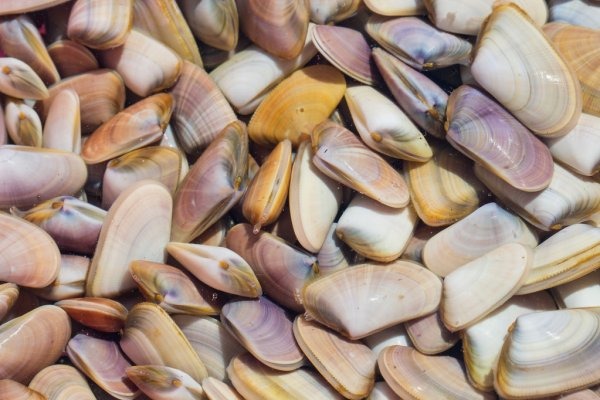
Luxembourg – Medium and large tellines sold in bulk on fish stalls – DSP

SAP

Presence of lipophilic toxins (DSP) exceeding the regulatory health threshold

Name Medium and large tellina
Brand Bulk sale on Auchan fish market stall
Sales period 09/28/2023 – 10/02/2023

Danger  : Presence of lipophilic toxins (DSP) exceeding the regulatory health threshold

DSP toxins cause intoxication in consumers, the effects of which appear within 2 to 18 hours after ingestion of contaminated shellfish. The main symptoms are gastrointestinal: diarrhea, nausea, vomiting, abdominal pain, and chills.

Click to access alva-affiche-client.pdf

Sale confirmed in Luxembourg by: Auchan on fish stall .

A sale by other operators cannot be excluded.

France – Tellines – DSP Biotoxin

Gov france

  • Product category Food
  • Product subcategory Fishing and aquaculture products
  • Product brand name Unbranded
  • Model names or references Tellines shipped from 09/27/23 and 09/28/23
  • Product identification
    Batch
    All lots
  • Start/end date of marketing From 09/27/2023 to 09/28/2023
  • Storage temperature Product to keep in the refrigerator
  • Health mark FR.29.158.500.CE
  • Geographical sales area Whole France
  • Distributors Wholesalers – Fishmongers – GMS

RASFF Alert- Lipophilic Toxin – Mussels

RASFF

Presence of lipophilic toxin detected in mussels from France in Switzerland

Luxembourg – Medium and large tellines sold in bulk on fish stalls – Presence of lipophilic toxins (DSP) exceeding the regulatory health threshold

SAP

The following product is recalled in Luxembourg:

Consumption reminder
Name Medium and large tellina
Brand Bulk sale on Auchan fish market stall
Sales period 08/29/2023 – 09/01/2023

Danger  : Presence of lipophilic toxins (DSP) exceeding the regulatory health threshold

DSP toxins cause intoxication in consumers, the effects of which appear within 2 to 18 hours after ingestion of contaminated shellfish. The main symptoms are gastrointestinal: diarrhea, nausea, vomiting, abdominal pain, and chills.

Sale confirmed in Luxembourg by: Auchan on fish stall .

A sale by other operators cannot be excluded.

Information Source: Recall Notification