Category Archives: foodborne outbreak

USA – USDA – Outbreak Investigations

FSIS USDA

The table below lists outbreak investigations in which FSIS responded by posting a recall of FSIS-regulated product linked to illness, a public health alert, and/or an after-action review report. The table does not include outbreak investigations that did not result in one or more of these outcomes.

Outbreak Year Pathogen Product Outcomes & References Active
2021 Salmonella Hadar Turkey, ground FSIS Public Notification: FSIS Issues Public Health Alert for Raw Ground Turkey Products Linked to Salmonella Hadar Illness

CDC Notice: Salmonella Outbreak Linked to Ground Turkey

Yes
2021 Salmonella Enteritidis Chicken, raw, breaded, stuffed (suspect) Yes
2021 Escherichia coli O157:H7 (E. coli) Beef, ground (suspect) No
2021 Escherichia coli O145 (E. coli) Beef, ground (suspect) No
2021 Escherichia coli O157:H7 (E. coli) Unknown

CDC Notice: View CDC Investigation Notice

No
2021 Listeria monocytogenes Unknown No

Switzerland – Swiss outbreaks fall but 10 die from listeriosis; survey shows public interest in food safety

Food Safety News

The number of foodborne outbreaks in Switzerland almost halved in 2020 compared to the year before.

Only 13 outbreaks were reported following the consumption of food this past year versus 23 in 2019.

Overall, more than 161 people became ill and at least 36 were hospitalized. Ten deaths were recorded in one outbreak. In 2019, more than 331 people fell ill and six were hospitalized.

One outbreak of Salmonella Bovismorbificans involved several regions in the country but investigators could not link it to a food source. Nine people fell sick in 2019 and 12 in 2020.

The infectious agent was only determined in three of 13 outbreaks with some of the others potentially due to Clostridium perfringens and histamine. The potential Clostridium perfringens outbreak at a restaurant resulted in 48 patients and was linked to a mixed pasta dish with ground meat in sauce and grated cheese. Another incident with 37 sick was at a banquet served to 1,200 people. An investigation found violations in the cold chain.

Sweden and Denmark – Salmonella sickens up to 50 in Denmark and Sweden; food source suspected

Food Safety News

Danish authorities are investigating Salmonella Braenderup infections that are related to an outbreak in Sweden. In Denmark, 24 people have fallen sick since late March while in Sweden, there are 22 confirmed patients since mid-April.

An international outbreak investigation is ongoing and the European Centre for Disease Prevention and Control (ECDC) is helping with cross-border coordination.

Between March 26 and April 26, 24 cases of Salmonella Braenderup have been reported to the Statens Serum Institut in Denmark. Those affected live all over the country with 17 women and seven men aged 1 to 90 years old sick. The median age is 67 years of age.

Work is underway to clarify the cause of the outbreak and identify the source of infection, which is suspected to be a widely distributed food.

USA – Public health officials urge consumers to check for yogurt linked to outbreak – E.coli

Food Safety News

E.coli

Washington State public health officials today announced a likely link between PCC Community Market brand organic yogurt and an E. Coli outbreak that is hitting children hard. The yogurt is produced by Pure Eire Dairy.

“The outbreak now includes 11 confirmed cases, including six children under the age of 10, infected with bacteria that have been genetically linked. Counties with cases include Benton (1), King (8), Snohomish (1) and Walla Walla (1). Seven people have been hospitalized. Three people have developed hemolytic uremic syndrome, a serious complication,” according to a statement this morning from the Washington Department of Health.

Pure Eire Dairy recalled all of its organic PCC yogurt Friday, May 14, after outbreak patients reported eating it before becoming sick. All flavors and best-by dates of the 8-ounce and 16-ounce yogurt sold under the PCC brand has been recalled.

USA – Connecticut, Maryland, New York and Virginia report Listeria cases linked to El Abuelito brand Hispanic-style fresh and soft cheeses _ Listeria monocytogenes

Food Poison Journal

A total of 13 people infected with the outbreak strain of Listeria monocytogenes were reported from 4 states. Illnesses started on dates ranging from October 20, 2020, to March 17, 2021, with 12 illnesses occurring in 2021.

Sick people ranged in age from less than 1 to 75 years, with a median age of 52. Twelve people were Hispanic, and seven people were female. Twelve people were hospitalized, and one death was reported from Maryland. Four people got sick during their pregnancy, resulting in two pregnancy losses and one premature birth; the fourth person remained pregnant after recovering.

USA – Outbreak Investigation of Listeria monocytogenes – Hispanic-style Fresh and Soft Cheeses (February 2021)

FDA

The FDA, along with CDC and state and local partners, investigated a multistate outbreak of Listeria monocytogenes infections linked to queso fresco cheeses made by El Abuelito Cheese, Inc. On 5/14/2021, the CDC announced that this outbreak is over.

Recommendation

Recalled Queso Fresco, Quesillo (Oaxaca, string cheese), or Requeson (ricotta) cheeses are past shelf life and should no longer be available.

FDA recommends that anyone who received recalled products use extra vigilance in cleaning and sanitizing any surfaces and containers that may have come in contact with these products to reduce the risk of cross-contamination. Listeria can survive in refrigerated temperatures and can easily spread to other foods and surfaces.

People who are pregnant, are age 65 or over, or have a weakened immune system should not eat any soft cheeses unless they are made with pasteurized milk. Consumers at higher risk for Listeria illness should be aware that although pasteurization of milk kills Listeria, soft cheeses made from pasteurized milk can still become contaminated and have caused Listeria outbreaks, including this one.


Product Images

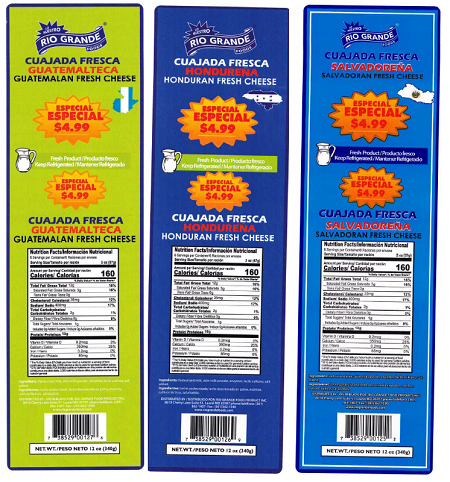
Sample Product Label from the Outbreak Investigation of Listeria monocytogenes in Hispanic-style Fresh and Soft Cheeses (February 2021) - Rio Grande
Sample Product Label from the Outbreak Investigation of Listeria monocytogenes in Hispanic-style Fresh and Soft Cheeses (February 2021) - Rio Lindo
Sample Product Label from the Outbreak Investigation of Listeria monocytogenes in Hispanic-style Fresh and Soft Cheeses (February 2021) - El Abuelito
Sample Product Label from the Outbreak Investigation of Listeria monocytogenes in Hispanic-style Fresh and Soft Cheeses (February 2021) - Chirilagua, Yorito

Recall Information

On 2/19/2021, El Abuelito Cheese, Inc. announced their initial recall of products, and on 2/27/2021, they announced the expansion of their recall to cover additional products. The recall announcements include the full product list and descriptions.

Consumers, restaurants, and retailers should not eat, sell, or serve any recalled Queso Fresco, Quesillo (Oaxaca, string cheese), or Requeson (ricotta) cheeses.

The firm’s recall does not include any additional products with the El Abuelito Cheese, Inc. label because they are not manufactured or handled in the same facility; this includes El Abuelito Meat, Inc., panela cheese, cotija cheese, mole, crema centroamericana, and crema mexicana. Updates will be provided as they become available.

FDA has posted lists of retailers that may have received Hispanic-styles cheeses from the El Abuelito Cheese, Inc. facility in Paterson N.J.  It is possible that these lists may not include all retailers who have received these cheeses; however, these lists represents the best information currently available to the FDA.

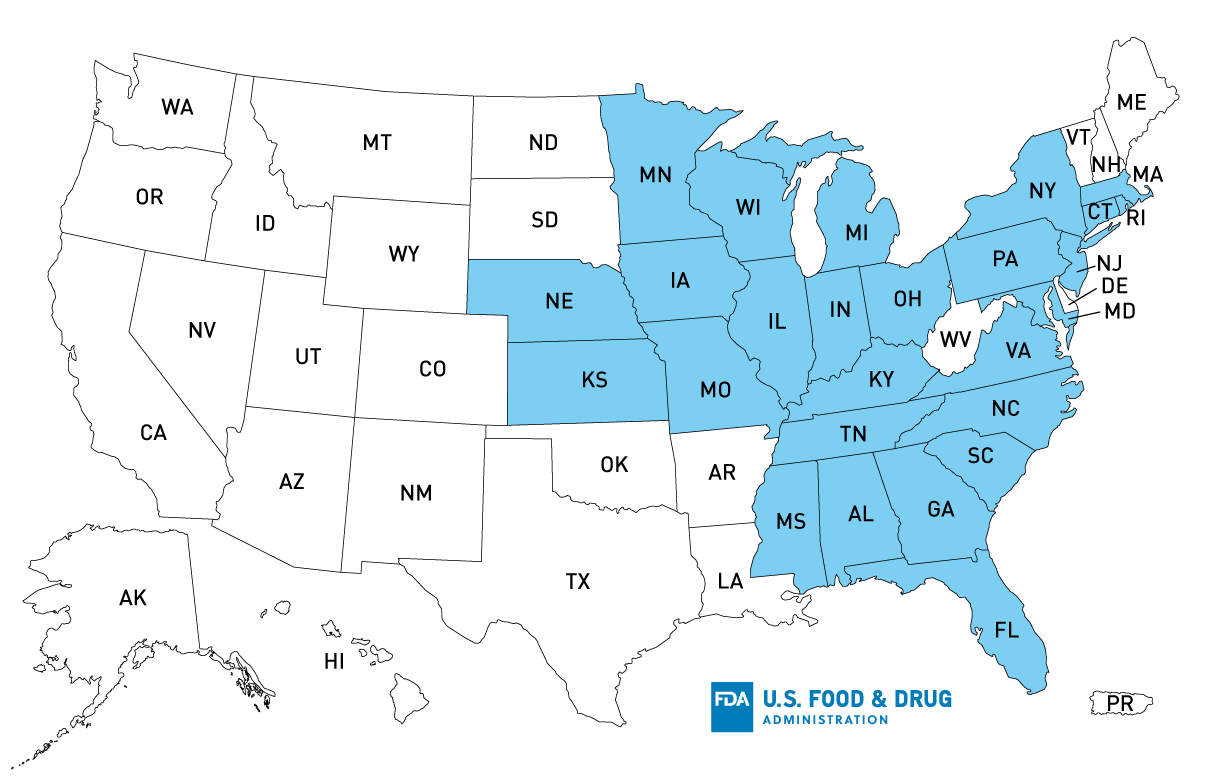
Map of U.S. Distribution of Recalled Queso Fresco, Quesillo, and Requeson Cheeses

Map of U.S. Distribution of Recalled Queso Fresco, Quesillo, and Requeson Cheeseso as of March 9, 2021

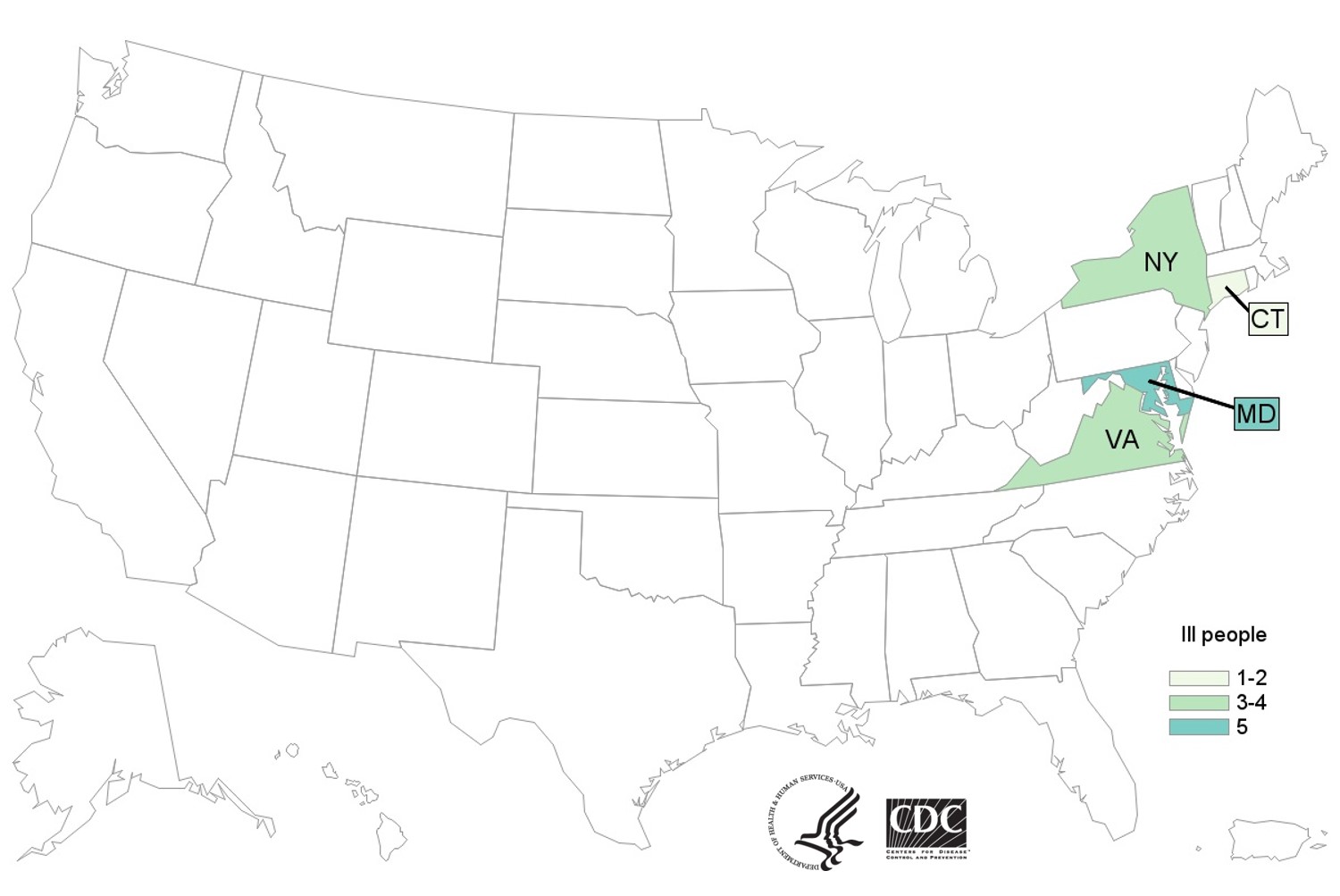
Case Count Map Provided by CDC

CDC Case Count Map for the Outbreak Investigation of Listeria monocytogenes in Hispanic-style Fresh and Soft Cheeses as of May 14, 2021

Case Counts

Total Illnesses: 13
Hospitalizations: 12
Deaths: 1
Last Illness Date: 3/17/2021
States with Cases: CT (1), MD (5), NY (4), and VA (3)
Product Distribution*: AL, CT, FL, GA, IA, IL, IN, KS, KY, MA, MD, MI, MN, MO, MS, NC, NJ, NY, NE, OH, PA, RI, SC, TN, VA, WI
*States with confirmed distribution; product could have been distributed further

Research – FDA In Brief: FDA Releases Investigation Report Following 2020 Salmonella Outbreak Linked to Red Onions

FDA

“The FDA has been working with the CDC, state partners and Canadian officials to investigate the largest Salmonella Newport outbreak in over a decade, which was linked to red onions. The FDA, today, released a 2020 Salmonella Outbreak Linked to Red Onions Report that includes an overview of our investigation findings, including factors that potentially contributed to the Salmonella contamination of red onions.

“Our investigation found the outbreak to be linked to whole red onions supplied by Thomson International, Inc., with farms in Bakersfield and Holtville, California. During the investigation, the FDA identified several plausible opportunities for contamination that may have contributed to the outbreak, including potentially contaminated irrigation water, sheep grazing on adjacent land, signs of animal intrusion including scat (fecal droppings) and large flocks of birds that may spread contamination, as well as packing house cleaning and sanitizing practices.

“Eleven of the environmental subsamples tested positive for various types of Salmonella Newport; however, none matched the outbreak strain. Although a conclusive root cause could not be identified, the FDA’s leading hypothesis is that contaminated irrigation water used in a growing field in Holtville, California may have led to contamination of the onions. Considering these findings, the FDA encourages all produce growers to assess risks that may be posed by adjacent and nearby land uses, especially as it relates to the presence of livestock and the interface between farmland, rangeland, irrigation water, and other agricultural areas.

“Safeguarding the U.S. food supply and helping to ensure that our food is not contaminated at any point during its journey along the supply chain is a critical focus of the FDA’s work. Food safety is a shared responsibility that involves food producers, distributors, manufacturers, retailers, and regulators. The FDA is committed to working with these stakeholders to advance the critical work to reduce the potential for contamination events and ensure the continued safety of our food supply.”

Additional Information

  • The U.S. Food and Drug Administration is releasing a report on an investigation conducted in response to an outbreak of Salmonella Newport, which caused more than 1,600 reported illnesses in the U.S. and Canada between June and October 2020.
  • The FDA’s investigation identified Thomson International Inc. of Bakersfield, California, as the likely source of contaminated red onions. Thomson International, Inc. recalled all varieties of onions that could have come in contact with potentially contaminated red onions due to the risk of cross contamination.
  • This was the largest Salmonella outbreak in more than a decade. The FDA recommends that all produce farms assess growing operations to ensure implementation of appropriate science- and risk-based preventive measures, including applicable provisions of the FDA Food Safety Modernization Act (FSMA) Produce Safety Rule and good agricultural practices.

Related Information

Armenia – Armenia reports gastrointestinal outbreak, Hundreds sickened

Outbreak News Today

The Armenian Ministry of Health reports an outbreak of intestinal infections in the country’s Sisian community.

To date, the ministry has recorded 370 cases with diagnoses that are characteristic of intestinal infections and 7 of the 370 patients are currently undergoing treatment at a hospital.

The Ministry of Health said that the patients are in serious condition, while other residents are receiving outpatient treatment.

Outbreak News Interviews Podcast

Sample from water and from patients have been taken for microbial testing to include enteropathogenic intestinal bacteria, Yersinia enterocolitis and Campylobacter, as well as Norovirus and Adenovirus.

USA – FDA to Implement Sampling Effort for Lettuce Grown in Salinas Valley, California

FDA

The U.S. Food and Drug Administration will be collecting and testing samples of lettuce grown in California’s Salinas Valley from local commercial coolers from May through November 2021. The agency will test the samples for Shiga toxin-producing Escherichia coli (STEC), including E. coli O157:H7, and Salmonella spp. as part of ongoing surveillance efforts following reoccurring outbreaks linked to this region, including most recently in the fall of 2020.

The FDA assignment will direct sampling to be conducted at commercial cooling and cold storage facilities where field heat is removed from harvested lettuce and where product is cold-stored before processing. Sampling may include pre-cooled product (preferred) or post-cooled product. Sample collection at commercial coolers helps the FDA efficiently obtain samples from multiple farms at centralized locations and facilitates prompt traceback and follow-up if contamination is detected.

The agency plans to collect and test a total of approximately 500 post-harvest samples of iceberg, leaf and romaine lettuce. Each sample will consist of 10 subsamples, each made up of one head of lettuce (trimmed, cored and possibly wrapped), or in the case of romaine lettuce, loose leaves or one package of hearts.  FDA laboratories will conduct all testing.

During this sampling assignment, the FDA will take extra precautions to help ensure the safety of agency investigators and firm employees during the COVID-19 pandemic. FDA investigators will preannounce their visits to firms per the Agency’s COVID-19 safety practices. They will be outfitted with personal protective equipment (PPE) and will carry out their work while adhering to local, state and applicable CDC guidance.

Helping to ensure the safety of leafy greens remains a high priority of the FDA. This assignment adds to other work underway in collaboration with stakeholders in the California Central Coast growing region to identify where the recurring strain of pathogenic E. coli is persisting and the likely routes of leafy green contamination with STECs.  This includes continued implementation of actions identified in the recently updated Leafy Greens Action Plan, including a multi-year longitudinal  study to assess the environmental factors impacting the presence of foodborne pathogens in this region. Consistent with the action plan, if the FDA detects a pathogen such as E. coli O157:H7, the agency will conduct a follow-up investigation to identify potential sources and routes of contamination. Such investigations are designed to inform what additional preventive measures may be needed to help prevent outbreaks of foodborne illness.


USA – New Jersey school district closes doors after foodborne outbreak

Food Safety News

A current foodborne outbreak has caused the closure of school buildings for at least two weeks in Camden County, NJ.

On May 6, the district’s employees experienced symptoms of foodborne illness after attending a luncheon catered by an outside vendor.

As of the posting of this article, the exact pathogen is still unknown. However, the Camden County Department of Health has stated that they suspected the pathogens could be highly contagious.

The Waterford Township School District is a community public school district that serves students in prekindergarten through sixth grade.

On May 10, the district’s Superintendent, Brenda Harring, sent a letter to the parents of students at Waterford Township School District explaining that more than 60 percent of the school’s staff members that participated in the luncheon became ill and are continuing to recover.