Category Archives: Foodborne Illness

USA – Baby formula recall expands to include Similac PM after another baby dies of Cronobacter

USA Today

Abbott Nutrition’s baby formula recall has been expanded to include one lot of Similac PM 60/40.

The Food and Drug Administration said in an update Monday that health officials were investigating an additional illness of Cronobacter sakazakii with exposure to powdered infant formula produced at the company’s Sturgis, Michigan facility. That baby also died of Cronobacter.

“The most recent patient was reported to have consumed Abbott Nutrition’s Similac PM 60/40 product with the lot code 27032K800 prior to Cronobacter sakazakii infection,” the FDA said.

Similac PM is considered “a specialty formula for certain infants who would benefit from lowered mineral intake.” It was not included in the previous recall for select lots of Similac, Alimentum and EleCare formulas announced Feb. 17.

RECALL DATABASE:  Check USA TODAY’s recall resource for the latest updates

USA – FDA – Infant Formula Recall: What to Know

FDA

If you use powdered infant formula, be aware certain Similac, Alimentum and EleCare products have been recalled and should not be used.

The U.S. Food and Drug Administration (FDA) is investigating consumer complaints of bacterial infections in five infants who consumed powdered infant formula produced in Abbott Nutrition’s facility in Sturgis, Michigan. All five infants had to be hospitalized and the bacterial infection may have contributed to death in two patients.

Because infant formula is the only source of nutrition for many newborns and infants, the FDA understands and shares the concerns parents and caregivers may have.

Here’s information to help you as we continue our investigation.

What powdered infant formula products have been recalled?

Abbott Nutrition has recalled certain powdered infant formula products produced at its Sturgis, Michigan facility. Products from that facility can be found across the U.S. and some were exported to other countries. Here’s how you can tell if you have any of those products.

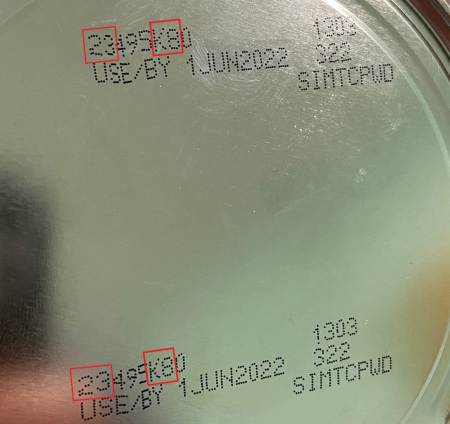
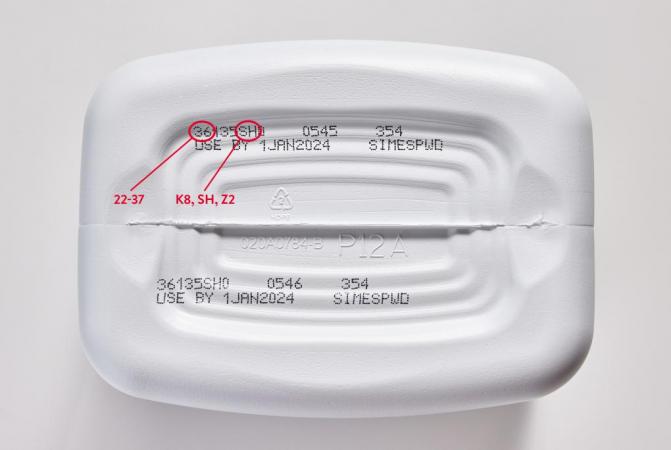
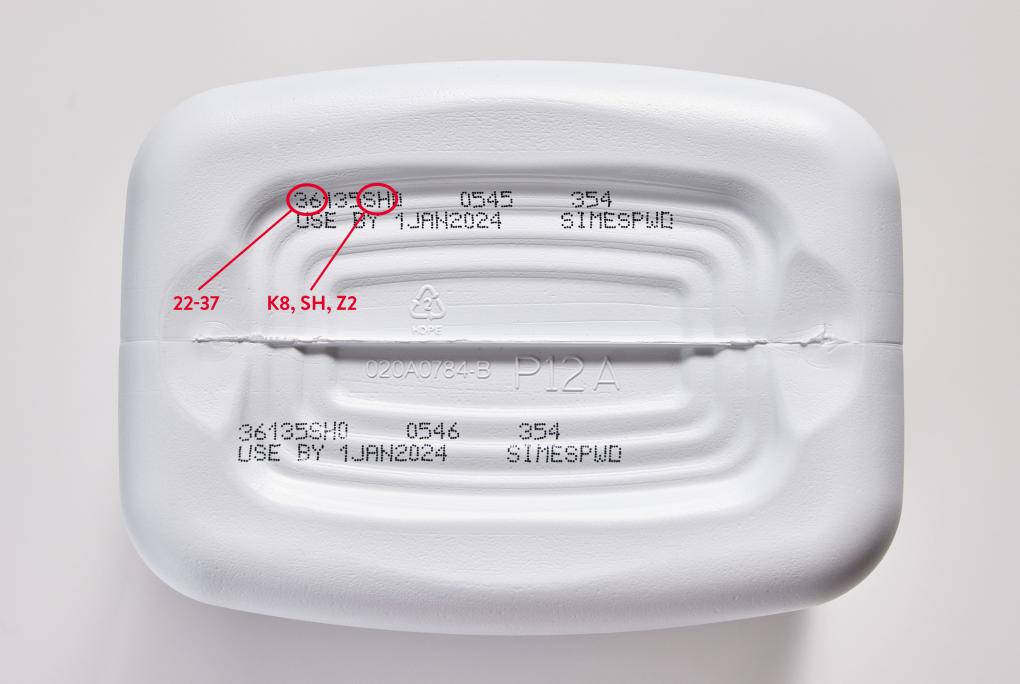
The FDA recommends consumers look at the lot code, a multidigit number on the bottom of a container of Similac, Alimentum and EleCare powdered infant formula and do not use if:

  • the first two digits of the code are 22 through 37; and
  • the code on the container contains K8, SH or Z2; and
  • the expiration date is 4-1-2022 (APR 2022) or later.

In addition to products described above, Abbott Nutrition has recalled Similac PM 60/40 with a lot code of 27032K80 (can) / 27032K800 (case).

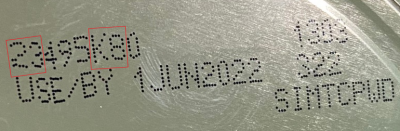
You can also enter your product lot code on the company’s websiteExternal Link Disclaimer to check if it is part of the recall. Please see the images below for a closer look at the identifying information.

Powdered Abbott products that don’t have the code and expiration noted above are not included in the recall. Liquid formula products are not subject to the recall. At this time, Similac PM 60/40 with lot code 27032K80 (can) / 27032K800 (case) are the only type and lots of this specialty formula being recalled.

Top of Infant Formula can displaying number coding.
Top of Powdered Infant Formula can, displaying dates and number coding.
Bottom of Powdered Infant formula container

What infections have been reported and what symptoms should I look for?

Four cases involve Cronobacter sakazakii, and one involves Salmonella Newport infection.

  • Cronobacter bacteria can cause severe, life-threatening infections (sepsis) or meningitis (an inflammation of the membranes that protect the brain and spine). Cronobacter infections are rare but are especially high risk for newborns.
  • Salmonella are a group of bacteria that can cause gastrointestinal illness and fever called salmonellosis.
  • Symptoms related to Cronobacter and Salmonella infection include: poor feeding, irritability, temperature changes, jaundice, grunting breaths, abnormal body movements, lethargy, rash or blood in the urine or stool.
  • If your infant is experiencing symptoms related to Cronobacter or Salmonella infection, contact your child’s health care provider to report his or her symptoms and receive immediate care.

When and where were the illnesses?

Illnesses occurred in Minnesota, Ohio, and Texas between September 16, 2021 and January 4, 2022.

I’m having a hard time finding formula. What is the FDA doing to help?

We are aware the recall has created new concerns about the availability of certain types of infant formula, particularly given the overall strains on supply chains experienced during the COVID-19 pandemic.

The FDA is working with Abbott Nutrition to better assess the impacts of the recall and understand the production capacity at other Abbott facilities that produce some of the impacted brands. We are also working with Abbott on safe resumption of production at the Sturgis, Michigan facility. As Abbott Nutrition was initiating its recall, the FDA intensified outreach to other infant formula manufacturers to inquire about their capacity and potential impacts. We will continue discussion with Abbott Nutrition and other infant formula manufacturers and consider all tools available to support the supply of infant formula products.

Are homemade formulas an alternative?

No. The FDA advises parents and caregivers not to make or feed homemade formula to infants. Homemade infant formula recipes have not been evaluated by the FDA and may lack nutrients vital to an infant’s growth.

What else should I know?

Parents and caregivers also should never dilute infant formula. Consumers also should avoid buying formula online that comes from outside the U.S., as it has the potential to be counterfeit.

If your regular formula is not available, contact your child’s health care provider for recommendations on changing feeding practices.

If you get infant formula through WIC, do not throw the formula out. Instead, you should take it to the store for a refund and exchange or call the company at 1-800-986-8540 to help you. WIC recipients should be able to obtain a different brand of similar formula. Call your local WIC clinic for more guidance.

Additional Resources:

USA – West Virginia Infant Has Salmonella After Ingesting Powdered Formula

Food Poisoning Bulletin

A West Virginia infant has Salmonella after ingesting recalled powdered infant formula, according to the West Virginia Department of Health and Human Resources (DHHR). This illness is in addition to the four infants the FDA reported sick with Cronobacter and Salmonella infections in association with certain recalled lots of Similac, EleCare, and Alimentum formula produced by Abbott Nutrition. This is the first case in that state of Salmonella in an infant as a result of consuming the formula. The other cases were from Minnesota, Ohio, and Texas.

USA – Norovirus outbreak linked to Seattle area restaurant

Outbreak News Today

Eurofins

Seattle-King County Public Health reports investigating an outbreak of norovirus-like illness associated with vomiting, diarrhea, abdominal pain, and chills at Rock Wood Fired Pizza in Renton, an inner-ring suburb of Seattle.

Since February 22, 2022, 9 people from 2 separate meal parties reported becoming ill after eating food from the Rock Wood Fired Pizza between February 19 and 20, 2022.

Environmental Health Investigators visited the restaurant on February 23, 2022. Investigators did not find any risk factors that are known to contribute to the spread of norovirus. The restaurant closed on February 23, 2022, to complete a thorough cleaning and disinfection. All ready-to-eat foods were discarded for those processed before the restaurant was disinfected.

Environmental Health investigators revisited the restaurant on February 24 and confirmed proper cleaning and disinfection was completed. The restaurant was reopened on February 24, 2022.

USA – Cronobacter Illnesses Linked to Powdered Infant Formula

CDC

On February 17, Abbott three brands of formula produced at its manufacturing facility in Sturgis, Michigan. Parents and caregivers of newborns should not feed their baby recalled Similac, Alimentum, or EleCare powdered infant formulas.

Fast Facts
  • Illnesses: 3
  • Deaths: 1
  • States: 3 (Minnesota, Ohio, Texas)
  • Recall: Yes
  • Investigation status: Active
Powdered infant formula container with product coding

Recalled Powdered Infant Formula

On February 17, Abbott recalledexternal icon three brands of formula produced at its manufacturing facility in Sturgis, Michigan.

Recalled Similac, Alimentum, or EleCare powdered formula have all three of these conditions:

  • First two digits of the code are 22 through 37, AND
  • Code on the container contains “K8,” “SH,” or “Z2,” AND
  • Use-by date is 4-1-2022 (APR 2022) or later.

To find out if the product you have is included in this recall, review these codes in the bottom of the package. See the recall noticeexternal icon for more information.

What Parents and Caregivers Should Do

Do not feed your baby any recalled powdered formula.

Contact your baby’s healthcare provider if:

  • Your baby has symptoms of Cronobacter illness (fever and poor feeding, excessive crying, or very low energy).
  • Your regular formula is not available, and you need recommendations on other ways to feed your baby.
Symptoms
  • The first symptom of Cronobacter infection in infants (0–1 year old) is usually a fever, accompanied by poor feeding, excessive crying, or very low energy. Some infants may also have seizures. Infants with these symptoms should be seen by a medical provider as soon as possible.
  • Cronobacter germs can cause a dangerous blood infection (sepsis) or make the linings surrounding the brain and spinal cord swell (meningitis). Infections in infants usually occur in the first days or weeks of life. Infants 2 months of age and younger are most likely to develop meningitis if they are infected with Cronobacter.
What Healthcare Providers/Laboratories Should Do
  • If a Cronobacter infection is diagnosed by a laboratory culture, CDC encourages clinicians and laboratories to inform their local or state health department.
  • Cronobacter can be detected in the blood or cerebrospinal fluid (CSF) of patients with meningitis or sepsis caused by these bacteria. Cronobacter bacteria grow on routine culture media and microbiological laboratories can detect Cronobacter from blood or CSF samples.
  • CDC does not recommend testing infants for Cronobacter infection unless they have symptoms of meningitis or sepsis, even if they consumed recalled formula.
  • CDC does not recommend testing stool for CronobacterCronobacter infection does not typically cause diarrhea in infants.
  • CDC does not recommend testing formula for Cronobacter contamination unless an infant has a diagnosed Cronobacter infection.
alert icon
Please contact your local or state health department if your child has been diagnosed with Cronobacter infection and consumed recalled formula.
Description of Cases

On February 10, 2022, CDC was notified of FDA’s investigation of consumer complaints of infant illness related to products from Abbott Nutrition in Sturgis, Michigan. These complaints include three reports of Cronobacter sakazakii infections and one report of Salmonella Newport infection in infants. CDC and FDA are conducting additional laboratory testing and investigation to better understand these cases.

The most recent investigation details are summarized below:

From September 16, 2021, to January 5, 2022, CDC received reports of three Cronobacter cases in infants that were later found to be linked to this ongoing investigation:

  • Three infants in Minnesota, Ohio, and Texas consumed formula produced at the Sturgis, Michigan, facility before they got sick. Formula consumed included Similac Sensitive, Similac Pro-total Comfort, and Similac Advance. Cronobacter may have contributed to the death of an infant in Ohio.
  • These are the same cases identified in the consumer complaints received by FDA.

On February 16, 2022, CDC asked clinicians and state and local health departments to provide information on other cases of Cronobacter associated with infant formula from November 2020 through the present. Since then, CDC has received reports of more possible cases of Cronobacter illnesses in infants who might have consumed recalled formula. CDC is investigating to determine if these cases are linked to formula products produced at the Abbott Nutrition facility in Sturgis, Michigan. CDC is performing whole genome sequencing on Cronobacter bacteria isolated from available patient samples to compare with the environmental samples taken at the facility to determine if there is any relation.

CDC’s routine outbreak surveillance has not detected an outbreak of Salmonella illnesses linked to the case reported to FDA.

About Cronobacter

Cronobacter sakazakii is a germ found naturally in the environment and can live in very dry places. The germs can live in dry foods, such as powdered infant formula, powdered milk, herbal teas, and starches. Cronobacter infection is not reportable in most states, meaning doctors are not required to report cases to their health department. Cronobacter illnesses are rare, but when infections happen, they can be deadly for infants. CDC typically receives reports of 2 to 4 infections in infants per year, but the total number of cases that occur in the United States each year is not known.

How Cronobacter Can Spread
  • At a production factory, Cronobacter could get into formula powder if contaminated raw materials are used to make the formula or if the formula powder touches a contaminated surface in the manufacturing environment.
  • Powdered infant formula could also become contaminated at home or elsewhere after the container is opened. For example, Cronobacter could get into the formula if formula lids or scoops are placed on contaminated surfaces and later touch the formula or if the formula is mixed with contaminated water or in a contaminated bottle. See more information on how to safely prepare and store powdered infant formula.

UK – Former butcher fined after Listeria outbreak link; his family now running shop

Food Safety News

A former butcher in England was fined this week after his business was linked to a Listeria outbreak. Officials said it was one of the biggest environmental health investigations the authorities have ever had.

Robert Bowring of Bowring Butchers was prohibited from managing any food business during sentencing at Nottingham Crown Court. While he is not allowed to manage food processes and production, he will be able to undertake tasks such as deliveries.

The Mansfield District Council launched an investigation in April 2019 after being told by Public Health England East Midlands, now the UK Health Security Agency (UKHSA), that whole genome sequencing had linked two cases of listeriosis to Bowring. The suspected source was Bowring Butchers and potted beef.

The court was told about the death of Kathleen Ferguson who was admitted to hospital after becoming ill. Listeria was found in a blood sample, confirming listeriosis, although cause of death was recorded as heart disease. Analysis revealed that the bacteria in Ferguson’s blood was from the same source as those in samples taken in Bowring’s premises, where she was a regular customer. Two care homes had also been supplied with meat by Bowring.

Sentencing Judge Nigel Godsmark said although Ferguson died with, rather than of, listeriosis, the consequences could have been serious, particularly for vulnerable and elderly people in care homes.

Sweden – Salmonella in meat sick 15 in Sweden

Europe Cities

Disease In Food

More than a dozen people recently fell ill in Sweden with Salmonella infections after eating poorly cooked burgers.

An outbreak with 15 cases of salmonellosis after a lunch at a hotel restaurant was investigated by the local food authority and the regional public health authority in Jämtland Härjedalen.

The Salmonella Enteritidis outbreak occurred among students and teachers from Fjällgymnasiet high school during a ski competition in northern Sweden.

Based on information from 11 patients, the first date for disease onset was January 28 and the last was February 4. The age range was 17 to 57 years with a median age of 19. Ten of the patients were men and one was female, all were from northern Sweden.

All the sick had a common meal where they ate ground (minced) burgers. Some of those who ate lunch reported that the burgers were clearly poorly cooked.

After finding Salmonella in samples of minced meat, further tracing of the batch of frozen beef and pork involved was carried out by local authorities, revealing that it came from Poland.

Salmonella was found in three of six meat samples but there is no ongoing risk of people getting sick as the batch involved was only distributed to restaurants and has now been withdrawn.

RASFF Alerts – Foodborne outbreak suspected to be caused by infant formulae from the United States – Salmonella Newport – Cronobacter

RASFF

Foodborne outbreak suspected to be caused by infant formulae from the United States in Croatia, Ireland, Italy, Netherlands, Slovenia , Spain

USA – FDA Investigation of Cronobacter and Salmonella Complaints: Powdered Infant Formula (February 2022)

FDA

Case Counts

Total Adverse Events: 4 (3 Cronobacter, 1 Salmonella)
Hospitalizations: 4
Reported Deaths: 1*
Adverse Event Dates: 9/6/2021 – 12/18/2021
States with Adverse Events: MN (1), OH (1), TX (2)
Product Distribution: Nationwide and International
*One death has been reported but has not been confirmed to be solely attributable to Cronobacter infection.

If you want to check if your powdered formula is part of the recall, you can enter the product lot code on the bottom of your package on the company’s websiteExternal Link Disclaimer.

If you have questions or need information about the recall, you can Submit Questions/Get Assistance.

If your infant is experiencing symptoms related to Cronobacter or Salmonella infection, such as poor feeding, irritability, temperature changes, jaundice, grunting breaths, abnormal movements, lethargy, rash, or blood in the urine or stool; contact your health care provider to report their symptoms and receive immediate care.

To report an illness or adverse event, you can

The FDA, along with CDC and state and local partners are investigating four consumer complaints of infant illness related to products from Abbott Nutrition’s Sturgis, MI facility received from 9/20/2021 to 1/11/2022. All of the cases are reported to have consumed powdered infant formula (IF) produced from Abbott Nutrition’s Sturgis, MI facility. These complaints include three reports of Cronobacter sakazakii infections and one report of Salmonella Newport infection in infants. All four cases related to these complaints were hospitalized and Cronobacter may have contributed to a death in one case.

FDA has initiated an onsite inspection at the facility. Findings to date include several positive Cronobacter results from environmental samples taken by FDA, and adverse inspectional observations by FDA investigators. A review of the firm’s internal records also indicate environmental contamination with Cronobacter sakazakii and the firm’s destruction of product due to the presence of Cronobacter.

FDA is issuing this advisory to alert consumers to avoid purchasing or using recalled powdered infant formula produced in the Sturgis, MI facility.

On 2/17/2022, Abbott Nutrition initiated a voluntary recall of certain powdered infant formulas. Products made at the Sturgis facility can be found across the United States and were likely exported to other countries as well. Canadian health officials have also issued a recall warningExternal Link Disclaimer. FDA is continuing to investigate and will update this advisory should additional consumer safety information become available.

Recommendation

The FDA is advising consumers not to use recalled Similac, Alimentum, or EleCare powdered infant formulas. Recalled products can be identified by the 7 to 9 digit code and expiration date on the bottom of the package (see image below). Products are included in the recall if they have all three items below:

  • the first two digits of the code are 22 through 37 and
  • the code on the container contains K8, SH, or Z2, and
  • the expiration date is 4-1-2022 (APR 2022) or later.

Additional recall information is available on the FDA website. Parents can also enter their product lot code on the company’s websiteExternal Link Disclaimer to check if it is part of the recall.

Additional Information for Parents and Caregivers:

The recall does not include liquid formula products or any metabolic deficiency nutrition formulas. Consumers should continue to use all product not included in the recall.

Parents and caregivers should never dilute infant formula and should not make or feed homemade infant formula to infants. Consumers should also avoid purchasing imported formula through online sales, as it has the potential to be counterfeit.

If your regular formula is not available, contact your child’s healthcare provider for recommendations on changing feeding practices.

More information on Cronobacter and infant formula is available on CDC’s website.

Recalled powdered infant formulas have the potential to be contaminated with Cronobacter, a bacterium that can cause severe foodborne illness primarily in infants. Cronobacter infections are rare but are especially high risk for newborn infants (see symptoms below).

Cronobacter bacteria can cause severe, life-threatening infections (sepsis) or meningitis (an inflammation of the membranes that protect the brain and spine). Symptoms of sepsis and meningitis may include poor feeding, irritability, temperature changes, jaundice (yellow skin and whites of the eyes), grunting breaths, and abnormal movements. Cronobacter infection may also cause bowel damage and may spread through the blood to other parts of the body.

If your child is experiencing any of these symptoms, you should notify your child’s healthcare provider and seek medical care for your child immediately. Healthcare providers and health departments are encouraged to report any confirmed cases of Cronobacter sakazakii to CDC.

USA – Las Vegas – Health district: More than 30 report illness after eating at restaurant

Review Journal

More than 30 people have reported becoming ill after they consumed food and/or drink at a northwest Las Vegas restaurant, according to the Southern Nevada Health District.

Secret of Siam, 5705 Centennial Center, has been closed as the health district investigates.

“The Health District has received reports from more than 30 people whose symptoms included increased heart rate, blurry vision, hallucinations, disorientation or confusion, dizziness or vertigo, loss of consciousness, dry mouth, and numbness and tingling in extremities within hours of consuming food or drink from Secret of Siam,” a health district news release stated.

The incidents occurred in January and February.

Anyone who may have eaten food at the restaurant is asked to take a survey at www.snhd.info/siamsurvey.