Category Archives: Food Toxin

Japan – Food poisoning shuts sushi shops – Vibrio parahaemolyticus

The Japan News 

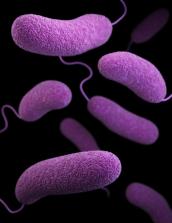
CDC Vibrio

TOKYO (Jiji Press) — Totoyamichi, a conveyor-belt sushi restaurant operator affiliated with Japan’s Skylark Holdings Co., has been shutting all 24 outlets since Monday after food poisoning occurred at some of them.

At least 39 customers have complained of food poisoning symptoms after eating at Totoyamichi restaurants.

Skylark reported the case only on its website while stopping short of holding a press conference. The restaurant group may thus come under fire for failing to fully explain the incident, analysts said.

According to Skylark, food poisoning symptoms, such as diarrhea and stomachache, were reported from customers who used eight Totoyamichi outlets in Tokyo and neighboring Kanagawa and Saitama prefectures between Aug. 31 and Sept. 3. The affected customers are recovering from their illness.

In a survey by Skylark, vibrio parahaemolyticus, a type of bacteria that causes stomachache and other symptoms, was detected from raw sea urchin at some outlets.Speech

Japan – 28 suffer food poisoning at MOS Burger restaurants E.coli O121

Mainichi 

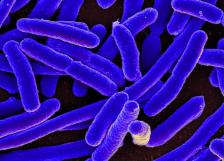
CDC E.coli

TOKYO (Kyodo) — A total of 28 people have suffered food poisoning after dining at MOS Burger restaurants in Tokyo and other locations in Japan, the operator and other sources said.

Twelve of the 28 were infected with the same O-121 strain of E. coli bacteria, the Ministry of Health, Labor and Welfare said Friday.

Those affected had dined at 19 restaurants in eight prefectures in eastern and central Japan between Aug. 10 and 23, the operator, MOS Food Services Inc., said.

One of the restaurants in Ueda, Nagano Prefecture, suspended operations for three days through last Wednesday following an order from a local public health office, the company said.

“It is highly likely that (the illness) was caused by foodstuffs supplied (to the restaurants) by the headquarters of the chain,” it said.

RASFF Alerts – Aflatoxin – Almonds – Groundnuts – Pistachios

RASFF-Logo

RASFF-aflatoxins (B1 = 15.7; Tot. = 17.6 µg/kg – ppb) in almonds from the United States in Spain

RASFF-aflatoxins (B1 = 4.0 µg/kg – ppb) in groundnut kernels from Argentina in the Netherlands

RASFF-aflatoxins (B1 = 13; Tot. = 15 µg/kg – ppb) in groundnuts from Argentina in the Netherlands

RASFF-aflatoxins (B1 = 7.2 µg/kg – ppb) in groundnut kernels from Argentina in the Netherlands

RASFF-aflatoxins (B1 = 2.8 µg/kg – ppb) in groundnut kernels from Argentina in the Netherlands

RASFF-aflatoxins (B1 = 25; Tot. = 62 µg/kg – ppb) in groundnuts from Argentina in the Netherlands

RASFF-aflatoxins (B1 = 25; Tot. = 28 µg/kg – ppb) in groundnut kernels from Argentina in the Netherlands

RASFF-aflatoxins (B1 = 86.5; Tot. = 93 µg/kg – ppb) in pistachios in shell from Iran in Greece

RASFF-aflatoxins (B1 = 4.1; Tot. = 4.4 µg/kg – ppb) in groundnut kernels from Argentina in the Netherlands

RASFF-aflatoxins (B1 = 2,8 µg/kg – ppb) in shelled groundnuts from Sudan in Greece


UK – Egypt – E. coli ’caused Egypt hotel couple’s deaths’

BBC News

E. coli caused the deaths of a British couple who died after falling ill at a holiday resort in Egypt, the country’s authorities have said.

John Cooper, 69, and his wife Susan, 63, from Burnley, died in the Red Sea city of Hurghada on 21 August .

In an official statement, the Egyptian general prosecutor said post-mortem examinations showed E. coli bacteria was a factor in both deaths.

But the couple’s daughter described the findings as “absolute rubbish”.

Kelly Ormerod, who was at the Steigenberger Aqua Magic hotel with her parents, told the BBC she did not believe the symptoms her parents showed were consistent with E. coli infection .

She added further post-mortem examinations of her parents’ bodies would be carried out in the UK, on direction from the Home Office.

Ukraine – Ukraine reports 8th botulism death of 2018 – Clostridium botulinum

Outbreak News Today 

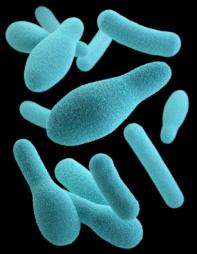
CDC Clost Spore

The Ukraine Ministry of Health reported an additional botulism death in a man from the Kherson region, the eighth botulism fatality of the year.

The probable cause of botulism is smoked homemade fish, which he and his wife eaten the day before. The woman is currently hospitalized for her illness in a severe resuscitation unit.

The Ministry of Health once again emphasizes that with the slightest suspicion of botulism, urgent medical attention should be sought. The success of treatment depends on early diagnosis and proper treatment, which in most cases is accompanied by the introduction of botulinum antitoxin.

Research – USA – Microbiological Testing Program for Escherichia coli O157:H7 and non-O157 Shiga toxin-producing Escherichia coli (STEC)

FSIS USDA USDA

FSIS considers raw, non-intact beef products or the components of these products found to have six Shiga toxin-producing Escherichia coli (STEC) to be adulterated, in addition to E. coli O157:H7. (Refer to the Federal Register notice Shiga Toxin-Producing Escherichia coli in Certain Raw Beef Products | PDF). These six non-O157 STECs are O26, O45, O103, O111, O121, and O145.

On June 4, 2012, FSIS began verification testing for these non-O157 STEC in domestic and imported beef manufacturing trimmings from cattle slaughtered on or after June 4, 2012. Beef manufacturing trimmings collected from cattle slaughtered before June 4, 2012, or that contain other components such as cheek meat are analyzed for E. coli O157:H7 only.

USA – E. coli Outbreak Linked to WA Dungeness Valley Creamery Raw Milk Sickens Two

Food Poisoning Bulletin Raw Milk Food Safety KSW Foodworld

An E. coli outbreak that sickened a child under the age of 5 and a person in their 70s is linked to raw milk from Dungeness Valley Creamery raw milk in Olympia, Washington. The child lives in Island county and the older adult lives in Clallam County. The press release from the Washington State Department of Health states that they got sick “with an E. coli infection after drinking Dungeness Valley Creamery raw milk.”

Dr. Scott Lindquist, Washington state communicable disease epidemiologist, said in a statement, “Raw milk doesn’t go through the pasteurization process where harmful germs and bacteria are destroyed. This puts infants, young children, the elderly, pregnant women and those with a weakened immune system at a greater risk of illness when they drink it.”

UK – Scotland – FSS Statement regarding Errington Cheese Ltd

FSA

Food Standards Scotland is aware of ongoing commentary around the Errington Cheese Ltd case. Food Standards Scotland is – rightly – publically accountable, and accountable to Parliament. Our duty is to protect public health. We believe it is in the public interest for FSS to address the inaccuracies being reported.

First, Food Standards Scotland does not act alone during a major food incident. In this instance, we were one of several agencies and 60 individuals representing Health Protection Scotland, NHS Health Boards, South Lanarkshire Council and other Local Authorities. Setting up an Incident Management team during an incident is standard practice to ensure a range of experts are involved.

Secondly, extensive investigations into the possible cause of the E.coli O157 outbreak of 2016 were undertaken – not just looking at a range of possible food sources, but also at possible factors common to all of the patients interviewed, such as recent travel, environmental factors etc. These investigations were extensive and exhaustive, and led the Incident Management Team to Dunsyre Blue cheese, produced by Errington Cheese Ltd, as the source of the outbreak.

This conclusion of the Incident Management Team report is not being legally challenged. The recent Sheriff Court proceedings did not relate to Dunsyre Blue cheese and therefore the Court did not have the opportunity to review the large body of evidence considered by the Incident Management Team during the outbreak. The Court condemned some batches of Corra Linn and Lanark Blue cheese because they failed to comply with food safety requirements, and released others.

Thirdly, the epidemiology (the spread of the disease and identification of the source) is being challenged in a report by Professor Norman Noah which we understand was prepared for the purpose of defending litigation against Errington Cheese Ltd by a third party. Neither Food Standards Scotland nor Health Protection Scotland have had sight of this report, despite requests, and so have had no opportunity to respond to its conclusions.

Further, there are calls for an independent review of Food Standards Scotland’s actions and decision – which, to reiterate, were not taken in isolation. An independent review has already been undertaken under a co-operative agreement between the central food authorities of New Zealand and those of the United Kingdom, which we have published on our website.

The Government of New Zealand’s Ministry for Primary Industries evaluated the decisions that were taken regarding the recall of products from Errington Cheese Ltd during the E.coli O157 outbreak of 2016.

The reviewers in New Zealand were presented with extensive documentation which we will also be releasing. The evaluation was based on international good practice, New Zealand regulatory requirements and expectations that would be applied in a similar scenario, as well as the Ministry for Primary Industries’ specialist scientific evidence.

The New Zealand government reviewers “find the risk management decisions made and actions taken by the Competent Authorities SLC [South Lanarkshire Council] and FSS are reasonable and proportionate in regard to protecting public health.”

RASFF Alerts- STEC E.coli – Raw Milk Goats Cheese – Boneless Beef – Roe Deer Meat – VP Beef

RASFF-Logo

RASFF-shigatoxin-producing Escherichia coli (O103:H2 stx1+, eae+) in raw milk goat’s cheese from France in France

RASFF-shigatoxin-producing Escherichia coli in frozen boneless beef from Brazil in Italy

RASFF-shigatoxin-producing Escherichia coli (stx1+ /25g) in frozen roe deer meat from the United Kingdom in Italy

RASFF-shigatoxin-producing Escherichia coli (stx2+ /25g) in chilled vacuum packed beef from Argentina in the Netherlands

RASFF Alerts – Histamine -Chilled Yellowfin Tuna – Skipjack Tuna – Chilled Tuna

RASFF-Logo

RASFF-foodborne outbreak caused by histamine (1358; 1565; 1739 mg/kg – ppm) in chilled yellowfin tuna (Thunnus albacares) from Sri Lanka in Italy

RASFF-histamine (466 mg/kg – ppm) in frozen skipjack tuna (Euthynnnus pelamis) from Vietnam in Spain

RASFF-histamine (259 mg/kg – ppm) in chilled tuna from Italy in France