
RASFF – histamine (1344 mg/kg – ppm) in frozen albacore tuna (Thunnus alalunga) from Vietnam, via Spain, processed in France in France

RASFF – histamine (1344 mg/kg – ppm) in frozen albacore tuna (Thunnus alalunga) from Vietnam, via Spain, processed in France in France
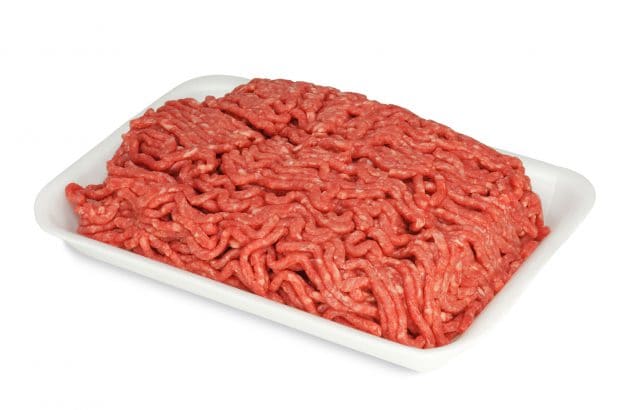
K2D Foods Recalls Raw Ground Beef Products Due to Possible E. coli O103 Contamination
Grant Park Packing Recalls Raw Ground Beef Products Due to Possible E. coli O103 Contamination
The ground beef E. coli O103 outbreak has now sickened at least 156 people in 10 states. according to the Centers for Disease Control and Prevention (CDC). Twenty people are hospitalized because they are so ill. UPDATE: K2D Foods has recalled more than 100,000 pounds of ground beef for possible E. coli O103 contamination. But the recall notice states that “At this time, there is no definitive link between this positive product and the ongoing E. coli O103 outbreak.”
Posted in E.coli, E.coli O103, food bourne outbreak, food contamination, Food Hygiene, Food Illness, Food Inspections, Food Micro Blog, Food Microbiology, Food Microbiology Blog, Food Pathogen, Food Poisoning, food recall, Food Safety, Food Safety Alert, Food Testing, Food Toxin, Foodborne Illness, foodborne outbreak, foodbourne outbreak, Uncategorized
RASFF – ochratoxin A (15.49 µg/kg – ppb) in raisins from China in Poland
RASFF – shigatoxin-producing Escherichia coli (stx +, eae + /25g) in filet americaine from Belgium in Belgium
RASFF – shigatoxin-producing Escherichia coli (O113: H21 – stx2+ /25g) in chilled boneless meat from Argentina in Germany
Aflatoxins are toxic and carcinogenic mycotoxins found in a range of agricultural products, particularly cereals and nuts. Of especial concern are potentially high levels of these mycotoxins in maize and peanuts, which form part of staple diets in many parts of Asia.
The major fungus producing aflatoxins is Aspergillus flavus. However, another fungus,Aspergillus parasiticus and a few other minor species of Aspergillus can also produce these toxins.
Aflatoxins in crops:
All cereal crops can contain aflatoxins. Intensive cropping practices and decreased genetic diversity in cereal crops probably contribute to increased preharvest infections of commodities with fungi that produce aflatoxins. Preharvest contamination of crops with aflatoxins occurs in the temperate and tropical regions.
The seeds in growth-stressed plants are the most susceptible to fungal invasion and aflatoxin production. Postharvest contamination occurs worldwide when conditions in the storage unit exist for the growth of Aflatoxigenic fungi. Aflatoxigenic fungi can grow in feedlot manure.
Insects spread the spores of aflatoxigenic fungi to plants and the fungi colonize areas of insect damage. The flower and silk in corn can be portals of entry for species of Aspergillus.
Insect damage, timing of irrigation or rain, relative humidity around the bolls, stage of maturity and variety of cotton can be factors in causing preharvest contamination of cottonseed with aflatoxins.
Schulz Organic Farms Pty Ltd TA Timboon Dairy/Timboon Cheesery is conducting a recall of Timboon Brie. The product has been available for sale at Timboon Cheesery in Vic.

The recall is due to microbial E.coli contamination.
Food products contaminated with E.coli may cause illness if consumed.
Australia
Consumers should not eat this product. Any consumers concerned about their health should seek medical advice. Customers should return the product to the place of purchase for a full cash refund.
For further information please contact:
Timboon Cheesery 0491108328 www.timbooncheesery.com.au

Posted in E.coli, E.coli O103, eae, food bourne outbreak, food contamination, Food Hygiene, Food Illness, Food Inspections, Food Micro Blog, Food Microbiology, Food Microbiology Blog, Food Poisoning, food recall, Food Safety, Food Safety Alert, Food Testing, Food Toxin, foodborne disease, Foodborne Illness, foodborne outbreak, foodbourne outbreak, STEC, STX 1, STX 2, Uncategorized, VTEC

Image CDC
The investigation gathered food samples from the event and stool samples from those who attended.
In lab reports, Clostridium perfringens enterotoxin turned up in two stool samples and Clostridium perfringens was found in a sample of roast beef — the former is what the latter bacteria turns into once digested.
“We did take other food samples… it was only the roast beef that came back growing bacteria,” said Mary Lou Albanese, the manager of infectious disease for the MLHU.
Albanese added that the bacteria is quick-moving, often making people ill within 12 hours after ingesting.

 FoodWorld