Category Archives: Food Toxin

New Zealand – Shellfish biotoxin alerts – Hawkes Bay

MPI

The Ministry for Primary Industries (MPI) today issued a public health warning advising the public not to collect or consume shellfish harvested from the Hawkes Bay Coast between Mahanga Beach south to Porangahau Beach.

Routine tests on shellfish samples taken from this region have shown levels of Paralytic Shellfish Poisoning (PSP) toxins above the safe limit of 0.8 mg/kg set by MPI. Anyone eating shellfish from this area is potentially at risk of illness.

Map highlighting in red the areas affected.

Mussels, oysters, tuatua, pipi, toheroa, cockles, scallops, catseyes, kina (sea urchin) and all other bivalve shellfish.

Note, cooking shellfish does not remove the toxin.

Pāua, crab and crayfish may still be eaten if the gut has been completely removed prior to cooking, as toxins accumulate in the gut. If the gut is not removed its contents could contaminate the meat during the cooking process.

Information -Aflatoxins prompt increased EU checks on US peanuts

IEG Policy

The EU is stepping up the frequency of controls for aflatoxins in US peanut consignments after a spate of notifications through its Rapid Alert System for Food and Feed (RASFF), reveals the latest update to the bloc’s high risk import list in an annex to a 2009 regulation (669/2009).


Korea – Ministry warns against food poisoning, flesh-eating bacterial infection -Vibrio species

The Korea Herald

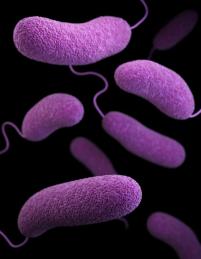
CDC Vibrio

Image CDC

The Food Safety Ministry issued a warning Friday against food poisoning and flesh-eating infection associated with Vibrio bacteria, urging caution in beach-going and seafood consumption.

The ministry said infections of Vibrio bacteria, which thrive in warming waters, are most commonly reported from July to September.

Vibrio parahaemolyticus causes food poisoning and gastrointestinal illnesses, while vulnificus causes flesh-eating disease.

Two main routes of infection identified by the ministry are eating raw or undercooked seafood and exposing open wounds to contaminated waters.

Those with chronic liver diseases or a compromised immune system in particular are advised against eating or handling uncooked seafood and coming in contact with higher salinity waters.

Major symptoms of the bacterial infection include vomiting, diarrhea, cramps, chills and fever.


USA – Animal Feed Recalled Due to Aflatoxin Test Results Exceeding FDA Action Levels

WebWire

In May, the U.S. Food and Drug Administration (FDA) posted information about one company’s voluntary recall of 14 animal feed products produced in late 2018 and early 2019. The products were produced for consumption by everything from cows and horses to sheep and poultry.

According to the recall notice, the feed manufacturer first learned of the issue when it received notification from the North Carolina Department of Agriculture of test results showing that a single lot of a specific product contained elevated levels of aflatoxin. The recall involved products manufactured and sold in the eastern United States. These products were removed from retail shelves earlier this year and the company reports no adverse health effects to animals had been reported at the time of the recall notice.

RASFF Alert – Histamine – Defrosted Tuna Fillets

RASFF-Logo

RASFF – histamine (332.17 mg/kg – ppm) in defrosted tuna fillets from Italy in Croatia


RASFF Alert – Vibrio parahaemolyticus – Frozen Cooked Whole Crayfish (Procambarus clarckii) in Dill Brine

RASFF-Logo

RASFF – Vibrio parahaemolyticus (presence /20g) in frozen cooked whole crayfish (Procambarus clarckii) in dill brine from China in Sweden

RASFF Alert – Food Poisoning – Food Supplements

RASFF-Logo

RASFF – food poisoning suspected to be caused by food supplements from Spain, via Germany in France

RASFF Alert – Moulds – Liquid Candy in Spray

RASFF-Logo

RASFF – high count of moulds (7 out of 12) in liquid candy in spray from Spain in Spain

RASFF Alerts – STEC E.coli – Soft Cheese

RASFF-Logo

RASFF – shigatoxin-producing Escherichia coli (stx1+ stx2- eae-) in soft cheese from Belgium in Germany

RASFF Alerts – Aflatoxin – Groundnuts -Peanut Butter – Mixed Nuts – Dried Fig Cubes – Cayenne Pepper – Hazlenut Kernels – Pistchios – Chilli Powder – Dried Figs

RASFF-Logo

RASFF – aflatoxins (B1 = 2.6; Tot. = 3.3 µg/kg – ppb) in groundnuts with shell from Argentina in the UK

RASFF – aflatoxins (B1 = 149.1; Tot. = 168.55 µg/kg – ppb) in groundnuts from the United States in Slovakia

RASFF – aflatoxins in organic peanut butter from the Netherlands, with raw material from Germany in the Netherlands

RASFF – aflatoxins (B1 = 15; Tot. = 17.9 µg/kg – ppb) in groundnuts from Egypt in Italy

RASFF – aflatoxins (B1 = 3.1; Tot. = 3.7 µg/kg – ppb) in mixed nuts from Turkey in France

RASFF – aflatoxins (B1 = 11.1; Tot. = 16.6 µg/kg – ppb) in dried fig cubes from Turkey in France

RASFF – aflatoxins (B1 = 9.1; Tot. = 18.5 µg/kg – ppb) in dried figs cubes from Turkey in France

RASFF – aflatoxins (B1 = 7.8 µg/kg – ppb) in groundnuts with shell from India in the UK

RASFF – aflatoxins (B1 = 90; Tot. = 103 µg/kg – ppb) in ground nuts from China in Belgium

RASFF – aflatoxins (B1 = 11.1; Tot. = 11.6 µg/kg – ppb) in Cayenne pepper powder from India in the UK

RASFF – aflatoxins (B1 = 7.2 mg/kg – ppm) in hazelnut kernels from Georgia in Greece

RASFF – aflatoxins (B1 = 106.19; Tot. = 117.01 µg/kg – ppb) in pistachios with shell from the United States, dispatched from Turkey in Italy

RASFF – aflatoxins (B1 = 7.6 µg/kg – ppb) in chili powder from India in Belgium

RASFF – aflatoxins (B1 = 13.5; Tot. = 15.5 µg/kg – ppb) in groundnuts with shell from China in Spain

RASFF – aflatoxins (B1 = 21; Tot. = 29 µg/kg – ppb) in dried figs from Turkey in France