Category Archives: Food Testing

Hong Kong – Listeria monocytogenes in Cheese Products

CFS

Food Safety Focus (94th Issue, May 2014) – Incident in Focus

Listeria monocytogenes in Cheese Products

Reported by Ms. Janny MA, Scientific Officer,
Risk Assessment Section,
Centre for Food Safety

On 18 April 2014, the US Centers for Disease Control and Prevention (CDC) announced its final investigation on a listeriosis outbreak which involved eight persons, including two mother-newborn pairs and a newborn, with one death in the US. Results of the investigation, with food (fresh cheese curd) and environmental samples tested positive for Listeria monocytogenes, indicated that cheese products made by Roos Foods were the likely source of the outbreak. This article discusses the risk of L. monocytogenes in cheese products.

Cheeses

Cheeses can generally be obtained by coagulating the protein of milk and by partially draining the whey resulting from the coagulation. Nowadays, over 500 types of cheeses are available worldwide, with variations deriving from different cheese manufacturing processes, e.g. type of milk, coagulation method, starting culture, addition of salt and ripening etc.
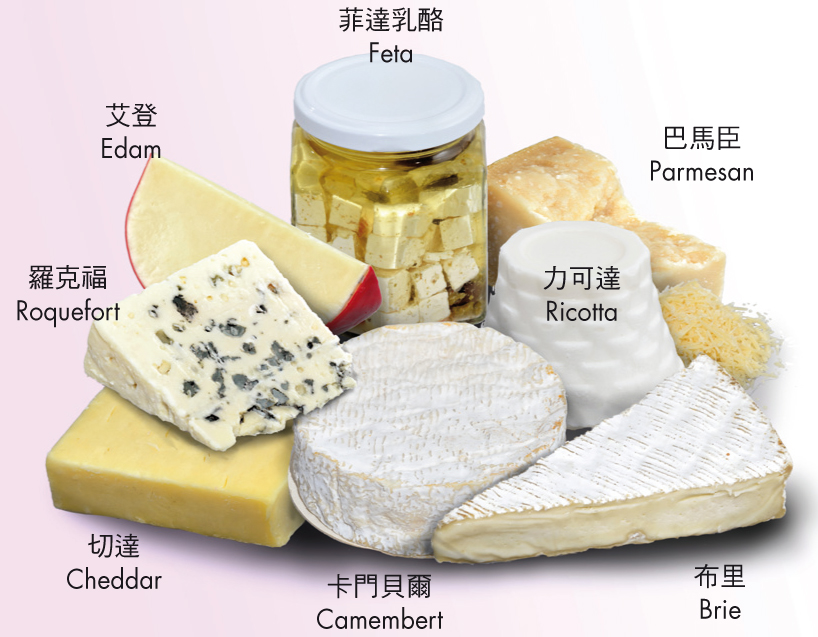
Various types of cheeses are available on the local market

In fact, there are various ways to categorise cheeses. Traditionally, cheeses have been classified principally by their moisture content-

Soft cheese – Has a higher moisture content, e.g. Feta, Brie, Camembert

Semi-hard cheese – Moisture content sits between soft and hard cheeses, e.g. Edam, Gouda

Hard cheese – Has a lower moisture content, e.g. Cheddar, Emmental

Extra hard cheese – Dry, slightly brittle, suitable for grating, e.g. Parmesan

Cheeses may also be grouped according to their principal ripening –

Unripened/ Fresh cheese – Ready for consumption soon after manufacture, e.g. Cottage cheese, Ricotta

Ripened cheese – Not ready for consumption shortly after manufacture; must be held for such time, temperature and other conditions that results in the necessary biochemical and physical changes characterising the cheese, including –

  • Mould ripened cheese – ripening has been accomplished primarily by the development of characteristic mould growth
  • Internal mould ripened: c haracterised by the growth of Penicillium roquefortii resulting a network of blue and green veins throughout the cheese (blue cheese), e.g. Danish blue, Roquefort, Stilton
  • Surface mould ripened: characterised by the growth of Penicillium camemberti on the cheese surface, e.g. Brie, Camembert
  • Cheese in brine – has no actual rind and preserved in brine e.g. Feta

Listeria monocytogenes in Cheeses

Cheeses, particularly soft cheeses, have been implicated in listeriosis outbreaks worldwide. Foodborne listeriosis is a relatively uncommon but serious disease caused by L. monocytogenes, a pathogen that can be killed under normal cooking temperature but is able to grow slowly at refrigerated temperature as low as 0°C. Asymptomatic infection of listeriosis probably occurs in most healthy people, but it can pose serious health risks for the susceptible population including pregnant women, elderly and immunocompromised individuals such as patients with AIDS and diabetes mellitus.

The presence of L. monocytogenes in cheeses may be originated from the ingredients particularly raw milk or can come from the processing plant environment, including the equipment, personnel or cross-contamination between finished products and raw materials. If the temperature as well as other conditions especially acidity and water content permit, L. monocytogenes can grow to high levels upon prolonged storage.

Cheeses of Higher or Lower Risk

Since pasteurisation, by heating milk to a specific temperature for a set period of time, kills L. monocytogenes effectively, cheeses made with pasteurised milk are generally considered of lower risk unless post-process contamination occurs.

For cheeses made with unpasteurised milk, their safety relies on a range of factors that influence the presence, growth, survival and inactivation of pathogenic microorganisms including L. monocytogenes.

In general, soft cheeses made with unpasteurised milk are of much higher L. monocytogenes risk than hard/ extra hard cheeses made with unpasteurised milk as the formers are likely to be less acidic and contain more moisture, which provide a favourable environment for the growth of L. monocytogenes, than the latter. A recent risk assessment study conducted by Food Standards Australia New Zealand also pointed out that the estimated L. monocytogenes risk from the consumption of certain raw milk soft cheeses i.e. feta and camembert is low in the general population but is high in the susceptible population. However, the L. monocytogenes risk upon the consumption of raw milk cheddar cheese (a type of hard cheese) and extra hard cheese in the general and susceptible populations is negligible and low/ very low respectively.

Key Points to Note:

  1. Cheeses, particularly soft cheeses, have been implicated in outbreaks of listeriosis worldwide.
  2. Cheeses made with pasteurised milk are generally considered of lower risk.
  3. Soft cheeses made from unpasteurised milk are the most risky.

Advice to susceptible populations

  • Read food labels and choose cheeses carefully before consumption.
    • Hard and extra hard cheeses are generally safe.
    • Avoid soft cheeses (e.g. Feta, Brie, Camembert) and blue cheeses (e.g. Danish blue, Gorgonzola and Roquefort).
    • For other types of cheeses, choose only those made from pasteurised milk.
    • Do not eat if in doubt.
  • Store cheese products strictly in accordance with the instructions on the labels.

Advice to the trade

  • Maintain good food and personal hygiene and avoid cross-contamination.
  • Provide sufficient information on food label for the consumers to make informed food choices.
    • Properly label whether the cheese products are made from raw/ unpasteurised or pasteurised milk.
    • Consider providing more information e.g. description on firmness of the cheese products.

Sweden and Denmark – Salmonella sickens up to 50 in Denmark and Sweden; food source suspected

Food Safety News

Danish authorities are investigating Salmonella Braenderup infections that are related to an outbreak in Sweden. In Denmark, 24 people have fallen sick since late March while in Sweden, there are 22 confirmed patients since mid-April.

An international outbreak investigation is ongoing and the European Centre for Disease Prevention and Control (ECDC) is helping with cross-border coordination.

Between March 26 and April 26, 24 cases of Salmonella Braenderup have been reported to the Statens Serum Institut in Denmark. Those affected live all over the country with 17 women and seven men aged 1 to 90 years old sick. The median age is 67 years of age.

Work is underway to clarify the cause of the outbreak and identify the source of infection, which is suspected to be a widely distributed food.

USA – Faribault Foods, Inc. Announces Extension of Voluntary Recall of a Limited Quantity of S&W Brand Organic Black Beans, and O Organic Brand Black Beans and O Organic Brand Chili Beans Due to Compromised Hermetic Seal – Clostridium

FDA

kswfoodworld

Faribault Foods, Inc. is voluntarily recalling 15 ounce cans of S&W Organic Black Beans, 15 ounce cans of O Organic Brand Black Beans and 15 ounce cans of O Organic Brand Chili Beans because the cans may have a compromised hermetic seal. The compromised hermetic seal may affect can integrity and may cause the cans to leak, bloat or allow bacteria to grow inside the product which could lead to serious illness. Clostridium botulinum poisoning in humans can begin from six hours to two weeks after eating food that contains the toxin. Symptoms may include double vision, blurred vision, drooping eyelids, slurred speech, difficulty swallowing, and muscle weakness. Botulism poisoning can cause paralysis of the breathing muscles, which can result in death unless assistance with breathing (mechanical ventilation) is provided.

The recalled products were distributed to the States of CA, WA, UT, OR, AZ, CO, AK, HI, TX, GA, and ID in retail stores.

This event only affects the lot codes listed below: The lot codes are printed on the bottom of the can.

Product Lot Number Distribution Dates
S&W Organic Black Beans, 15 oz. Best By JUL 19 2022
1329A 202 20
August 2020-October 2020
S&W Organic Black Beans, 15 oz. Best By JUL 20 2022
1329A 203 20
September 2020-March 2021
S&W Organic Black Beans, 15 oz. Best By JUL 23 2022
1329A 205 20
August 2020-November 2020
S&W Organic Black Beans, 15 oz. Best By SEP 13 2022
1329A 258 20
November 2020-March 2021
S&W Organic Black Beans, 15 oz. Best By SEP 14 2022
1329A 259 20
November 2020-March 2021
S&W Organic Black Beans, 15 oz. Best By SEP 15 2022
1329A 260 20
October 2020-December 2020
S&W Organic Black Beans, 15 oz. Best By MAR 11 2023
1329A 071 21
March 2021-April 2021
S&W Organic Black Beans, 15 oz. Best By MAR 14 2023
1329A 074 21
April 2021
S&W Organic Black Beans, 15 oz. Best By MAR 15 2023
1329A 075 21
April 2021
S&W Organic Black Beans, 15 oz. Best By MAR 16 2023
1329A 076 21
March 2021-April 2021
S&W Organic Black Beans, 15 oz. Best By JAN 31 2023
1329A 032 21
February 2021-April 2021
S&W Organic Black Beans, 15 oz. Best By FEB 01 2023
1329A 033 21
February 2021-April 2021
S&W Organic Black Beans, 15 oz. Best By FEB 02 2023
1329A 034 21
February 2021-April 2021
S&W Organic Black Beans, 15 oz. Best By FEB 03 2023
1329A 035 21
February 2021-April 2021
O Organics Organic Black Beans, 15 oz. Best By FEB 03 2023
981A 035 21
February 2021-April 2021
O Organics Organic Chili Beans, 15 oz. Best By FEB 04 2023
978A 036 21
February 2021-April 2021

No other production codes, sizes or brands of Faribault Foods, Inc. products are affected by this recall.

Consumers who may have purchased the products listed above should return them to the store where purchased for a refund or replacement.

The recall was initiated after the firm had received consumer and customer complaints regarding failure of the hermetic seal. The problem related to the hermetic seal failure was corrected and no other product is affected.

The quality and safety of our products are the top priority for our company. We apologize to our retail customers and consumers and sincerely regret any inconvenience created by this recall. We are working with the U.S. Food and Drug Administration on this voluntary recall and will cooperate with them fully.

For consumer support and product questions please call 1-888-201-6440, Monday-Friday from 8am to 5pm CST or email BeanTeam@FaribaultFoods.com

Original Press Release


Company Contact Information

Consumers:
 1-888-201-6440
 BeanTeam@FaribaultFoods.com

USA – Morse’s Sauerkraut worker sick with E. coli – source unknown – STEC E.coli

Food Poison Journal

The Maine Center for Disease Control and Prevention (Maine CDC) has identified a case of Shiga toxin-producing E. coli (STEC) infection in a Waldoboro food service worker, according to a Monday evening news release.

The individual handled deli food at Morse’s Sauerkraut in Waldoboro while infectious from April 1 through May 13.

An assessment of the individual’s illness determined that patrons of Morse’s Sauerkraut may be at risk for STEC infection, the Maine CDC announced.

Individuals who purchased deli items from Morse’s Sauerkraut between April 1 and May 13 should watch for symptoms of infection, such as severe stomach cramps, diarrhea (often bloody), and vomiting.

France – Product recall: Medium shells sold at retail – ASP Toxins

Oulah

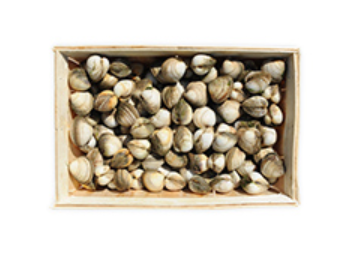
Product recall: Medium shells sold at retail

ENCOUNTERED PROBLEM

ASP marine biotoxins (amnesia toxins)

PROPOSED SOLUTION

Do not consume and bring back to the point of sale.

Food poisoning caused by these toxins results in digestive disorders (vomiting, abdominal pain, diarrhea) within 2 to 24 hours of ingestion of the contaminated shellfish. These disorders may be followed by feelings of dizziness, persistent headaches, disorientation, and possibly recent memory loss.

FURTHER INFORMATION


▸ Start date / End of marketing
Since 05/11/2021


▸ Health mark
FR.29.158.500.CE


▸ Distributors
CARREFOUR LECLERC POMONA POISSONNERIES – INDEPENDENT MARKETS


▸ Source
FURIC MAREE

Luxembourg – RECALL: MEDIUM SHELLS (CERASTODERMA EDULE) OF THE BRAND THAËRON – ASP Toxins

SAP

Thaëron is recalling the following products:

Last name Medium Cockles (Cerastoderma edule)
Mark Thaeron
Unit 500 g
Bar code 3661737000281
Use by date (DLC) 05/19/21
Lot 13221
Last name Medium Cockles (Cerastoderma edule)
Mark Thaeron
Unit 1000 g
Bar code 3293580000974
Use by date (DLC) 05/19/21
Lot 13221

Danger  : Contains amnesic toxins (ASP)

Consumption of these products can be dangerous for health. The symptoms are: diarrhea, vomiting (within 2 to 24 hours) and neurological symptoms (headache, confusion, disorientation or even amnesia). 

Sale in Luxembourg by: Auchan

A sale by other operators cannot be excluded.

Source of information: Auchan recall notification

Communicated by: Government Commission for Quality, Fraud and Food Safety .

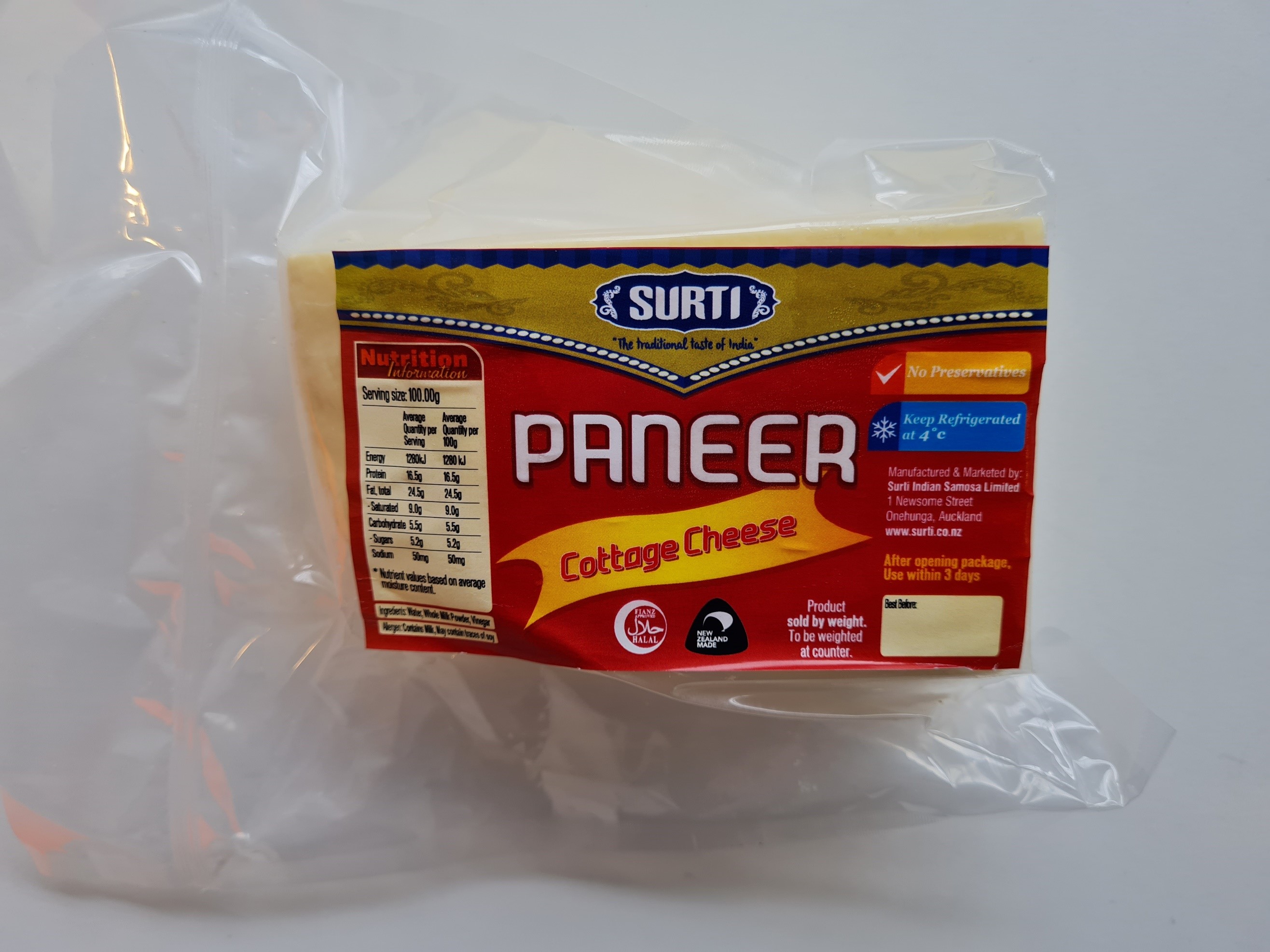
New Zealand – Surti brand Paneer – E.coli

MPI

Surti brand Paneer

18 May 2021: Surti Indian Samosa Limited is recalling a specific batch of Surti brand Paneer due to the possible presence of E.coli.

Surti brand Paneer (various weights).
Product identification

Product type

 Cheese

Name of product (size)

 Surti brand Paneer (various weights)

Date marking

Best before 30JUN21

Package size and description

The product is sold in plastic packaging of various weights of approximately 200g to 500g.

Distribution

The product is sold at ethnic retail stores throughout New Zealand.

Auckland

  • Angels Spice and Superette, 284 Blockhouse Bay Road, Avondale, Auckland
  • Arjun Supermarket, 5 Rankin Avenue, New Lynn Auckland
  • ARKH Food and Spices Limited, 1/222 Swanson Road, Auckland
  • Bikanervala, 2 White Swan Road, Mount Roskill, Auckland
  • Bombay Chinese, Queens Court, 368 Queen Street, Auckland
  • Chevalier Produce, 34 Fremlin Place, Avondale, Auckland
  • Continental Halal Meats and Spices, 57G Cavendish Drive, Manukau, Auckland
  • Get Fresh Mangere, 99 Westney Road, Mangere, Auckland
  • Get Fresh Otahuhu, 81 Station Road, Otahuhu, Auckland
  • Jay’s Fresh Mart Auckland, 59 Shirley Road, Papatoetoe, Auckland
  • Kelvin Fruit and Vege Shop Auckland, 8 Mahia Road, Manuwera, Auckland
  • Lotus Supermarket, 43B Cavendish Drive, Manukau, Auckland
  • Lotus Supermarket, 64 Stoddard Road, Mount Roskill, Auckland
  • Madinah Halal Meats, 1/16 Lambie Drive, Auckland
  • Massey Fruit and Vege, 1/2 Triangle Road, Massey, Auckland
  • Namaste Delhi Limited, 89 Great South Road, Epsom, Auckland
  • Om Sai Foods & Spices, 3A/7 Reeves Road, Pakuranga, Auckland
  • Patel Brothers Supermarket, 26 Carr Road, Mount Roskill, Auckland
  • Point Chev Fresh, 1104/D Great North Road, Point Chevalier, Auckland 1
  • Puhinui Superette, 202 Puhinui Road, Papatoetoe, Auckland
  • Raavi Foods And Spices Trading Limited, 421 Richardson Road, Mount Roskill Auckland
  • Saffron Foods Henderson, 214 Universal Drive, Henderson, Auckland
  • Spice Corner, 691 Manukau Road, Royal Oak, Auckland
  • Vege Oasis Mangere, 376 Massey Road, Mangere East, Auckland
  • Volt Convenience Store CBD, 107 Mayoral Drive, Auckland
  • Yogiji’s Food Mart, 7/251 Lincoln Road, Henderson, Auckland
  • Younus Halal Meat and Spices Limited, 1482B Dominion Road, Mount Roskill, Auckland

Christchurch

  • Krazy Price Mart Limited, 429 Tuam Street, Philipstown

Wellington

  • Indian Stores Limited, 218A Riddiford Street, Newtown

Notes

This recall does not affect any other Surti brand products.

Consumer advice

Customers are asked to check the date mark printed on the back of the product packaging.

Affected product should not be consumed unless it is cooked thoroughly (piping hot all the way through). There have been no reports of associated illness. However, if you have consumed any of this product and have any concerns about your health, seek medical advice.

Customers should return the product to their retailer for a full refund or cook thoroughly (piping hot all the way through).

Escherichia coli (E.coli) is a bacterium that normally lives in the intestines of people and other warm-blooded animals. Although most strains of E.coli are harmless, some types can cause serious illness, with severe diarrhoea and stomach cramps.

Who to contact

If you have questions, contact Surti Indian Samosa Limited.

  • Phone: 09 273 4164
  • Address: 1 Newsome Street, Onehunga, Auckland.

France – Product recall: Colmett d’Alsace “the gourmet” 150g of the TEMPE brand – Salmonella

Oulah

Product recall: Colmett d'Alsace "la gourmande" 150g of the TEMPE brand

ENCOUNTERED PROBLEM

Presence of Salmonella

PROPOSED SOLUTION

People who may have this product are asked not to consume it and to return it to the point of sale where it was purchased.

Foodborne illness caused by salmonella results in gastrointestinal disturbances, diarrhea, vomiting and abdominal pain, often accompanied by fever; these symptoms may be more severe in young children, immunocompromised individuals and the elderly. The incubation period can range from 6 to 72 hours.
People who have consumed the products mentioned below and who have these symptoms are invited to consult their doctor, notifying him of this consumption.

FURTHER INFORMATION

▸ Names of models or references
Colmett d’Alsace “the gourmet” 150g – Sausage spread


▸ Barcode
3287241908501


▸ Lot
125


▸ DLC – DDM
05/31/2021


▸ Start date / End of marketing
From 05/10/2021 to 05/14/2021


▸ Health mark
FR 68-122-001 CE


▸ Consumer service contact
0805385749


▸ Source
MAURER TEMPE ALSACE

France – Product recall: Thaëron France Pavilion shellfish Thaëron 300g tray -ASP Toxins

Oulah

Product recall: Thaëron France Pavilion shellfish Thaëron 300g tray

ENCOUNTERED PROBLEM

Possible presence of ASP toxins

PROPOSED SOLUTION

Do not consume and return to the point of sale for reimbursement.

These shells come from a fishing area contaminated by a toxin-producing algae. In the event of the appearance of gastrointestinal and / or neurological symptoms, consult your doctor, telling him that you have consumed shellfish contaminated with ASP phycotoxins.

FURTHER INFORMATION

▸ Barcode
3661737004869


▸ Lot
13221


▸ DLC – DDM
05/19/2021


▸ Start date / End of marketing
since 05/13/2021


▸ Health mark
FR 29 236 500 CE


▸ Source
https://www.supercasino.fr/

France – Product recall: TEMPE brand herb chipolata – Salmonella

Oulah

Product recall: TEMPE brand herb chipolata

ENCOUNTERED PROBLEM

Presence of salmonella

PROPOSED SOLUTION

People who may have this product are asked not to consume it and to return it to the point of sale where it was purchased.

Foodborne illness caused by salmonella results in gastrointestinal disturbances, diarrhea, vomiting and abdominal pain, often accompanied by fever; these symptoms may be more severe in young children, immunocompromised individuals and the elderly. The incubation period can range from 6 to 72 hours.
People who have consumed the products mentioned below and who have these symptoms are invited to consult their doctor, notifying him of this consumption.

FURTHER INFORMATION

▸ Model names or references
Chipolata with herbs


▸ Barcode
3301091901144


▸ Lot
125


▸ DLC – DDM
05/22/2021


▸ Packaging
packaged in a protective atmosphere


▸ Start date / End of marketing
From 05/10/2021 to 05/14/2021


▸ Health mark
FR 68-122-001 CE


▸ Consumer service contact
0805385749


▸ Source
MAURER TEMPE ALSACE