Brand: Similac
Name: Alimentum
Reason for reporting: Recall due to microbiological risk Publication date: 23 February 2
Click to access C_17_PubblicazioneRichiami_1658_azione_itemAzione0_files_itemFiles0_fileAzione.pdf

Brand: Similac
Name: Alimentum
Reason for reporting: Recall due to microbiological risk Publication date: 23 February 2
Click to access C_17_PubblicazioneRichiami_1658_azione_itemAzione0_files_itemFiles0_fileAzione.pdf
Posted in Cronobacter sakazakii, cross contamination, food contamination, food handler, Food Hazard, Food Hygiene, Food Inspections, Food Micro Blog, Food Microbiology, Food Microbiology Blog, Food Microbiology Testing, Food Pathogen, food recall, Food Safety, Food Safety Alert, Food Testing, Salmonella
Tesco is recalling Tesco Hog Roast Style Pork with Apple Sauce because the crackling crumb sachet within the pack may contain Salmonella.
| Tesco Hog Roast Style Pork with Apple Sauce (suitable for freezing) | |
|---|---|
| Pack size | 425g |
| Use by | 06 January 2022, 09 January 2022, 15 January 2022, 17 January 2022, 6 February 2022, 8 March 2022, 9 March 2022 |
The possible presence of salmonella in the product listed above.
Symptoms caused by salmonella usually include fever, diarrhoea and abdominal cramps
Matvælastofnun warns against consuming one batch of chicken from Reykjagarður due to suspicion of salmonella infection. The company has recalled the production batch.
The recall only applies to the following batch:
Consumers who have purchased chickens with this traceability number are asked to return
the product to the relevant store, or directly to Reykjagarður hf., Fossháls 1,
110 Reykjavík
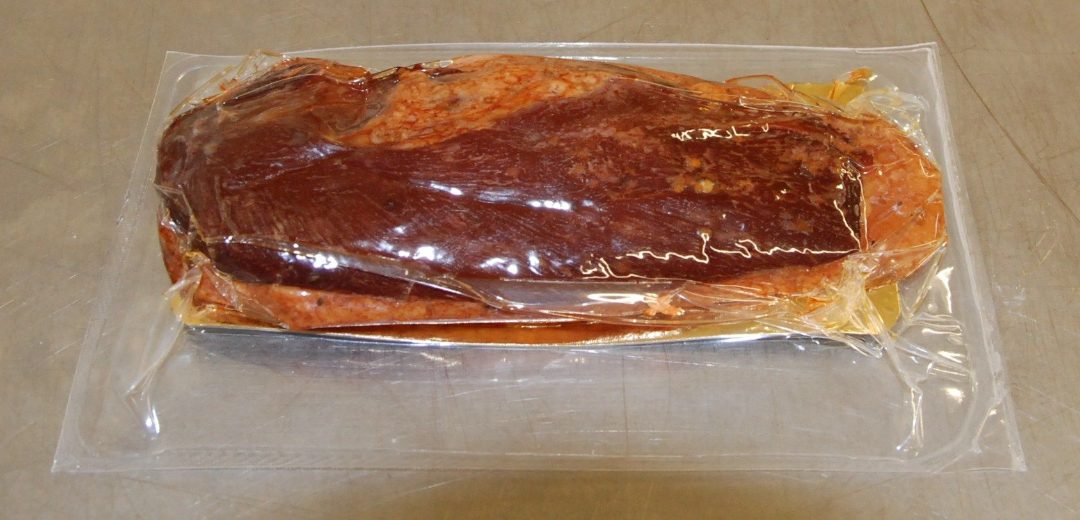
| Lot | Dated | |
|---|---|---|
| 301604 | Use-by date 04/29/2022 | |
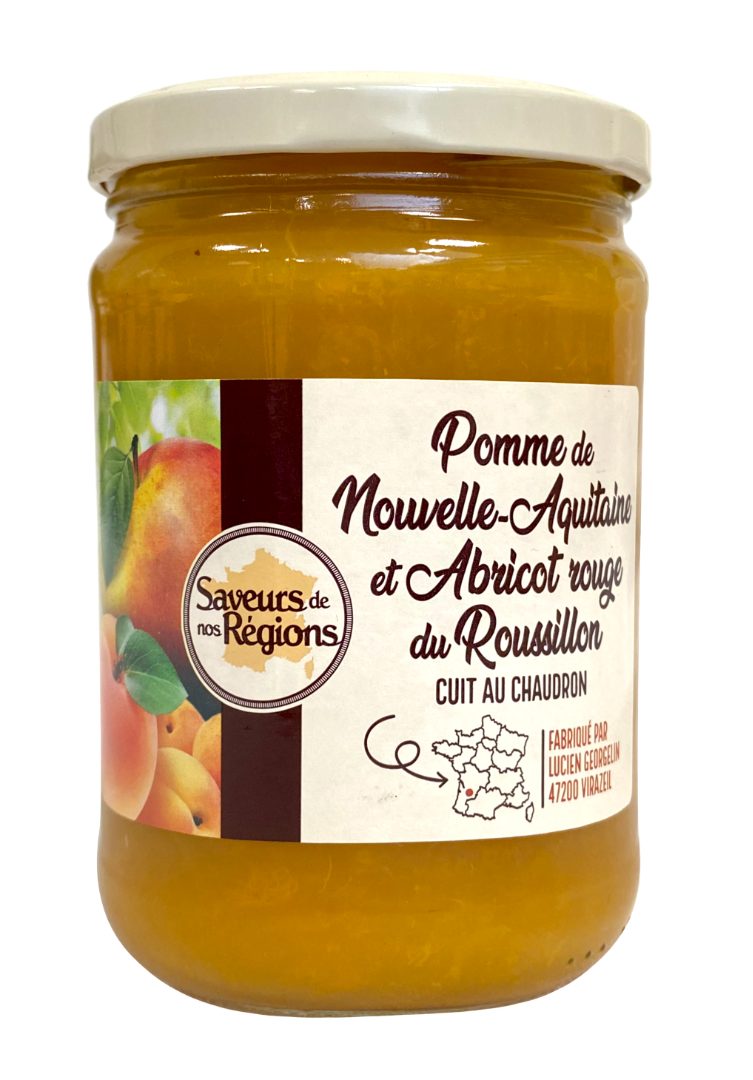
| GTIN | Dated | |
|---|---|---|
| 20291495 | Date of minimum durability 20/12/2024 | |
Posted in food contamination, food handler, Food Hazard, Food Hygiene, Food Inspections, Food Micro Blog, Food Microbiology, Food Microbiology Blog, Food Microbiology Testing, Food Poisoning, food recall, Food Safety, Food Safety Alert, Food Testing, Food Toxin, Mold Toxin, Mould Toxin, Mycotoxin, Patulin
Total Adverse Events: 4 (3 Cronobacter, 1 Salmonella)
Hospitalizations: 4
Reported Deaths: 1*
Adverse Event Dates: 9/6/2021 – 12/18/2021
States with Adverse Events: MN (1), OH (1), TX (2)
Product Distribution: Nationwide and International
*One death has been reported but has not been confirmed to be solely attributable to Cronobacter infection.
If you want to check if your powdered formula is part of the recall, you can enter the product lot code on the bottom of your package on the company’s websiteExternal Link Disclaimer.
If you have questions or need information about the recall, you can Submit Questions/Get Assistance.
If your infant is experiencing symptoms related to Cronobacter or Salmonella infection, such as poor feeding, irritability, temperature changes, jaundice, grunting breaths, abnormal movements, lethargy, rash, or blood in the urine or stool; contact your health care provider to report their symptoms and receive immediate care.
To report an illness or adverse event, you can
The FDA, along with CDC and state and local partners are investigating four consumer complaints of infant illness related to products from Abbott Nutrition’s Sturgis, MI facility received from 9/20/2021 to 1/11/2022. All of the cases are reported to have consumed powdered infant formula (IF) produced from Abbott Nutrition’s Sturgis, MI facility. These complaints include three reports of Cronobacter sakazakii infections and one report of Salmonella Newport infection in infants. All four cases related to these complaints were hospitalized and Cronobacter may have contributed to a death in one case.
FDA has initiated an onsite inspection at the facility. Findings to date include several positive Cronobacter results from environmental samples taken by FDA, and adverse inspectional observations by FDA investigators. A review of the firm’s internal records also indicate environmental contamination with Cronobacter sakazakii and the firm’s destruction of product due to the presence of Cronobacter.
FDA is issuing this advisory to alert consumers to avoid purchasing or using recalled powdered infant formula produced in the Sturgis, MI facility.
On 2/17/2022, Abbott Nutrition initiated a voluntary recall of certain powdered infant formulas. Products made at the Sturgis facility can be found across the United States and were likely exported to other countries as well. Canadian health officials have also issued a recall warningExternal Link Disclaimer. FDA is continuing to investigate and will update this advisory should additional consumer safety information become available.
The FDA is advising consumers not to use recalled Similac, Alimentum, or EleCare powdered infant formulas. Recalled products can be identified by the 7 to 9 digit code and expiration date on the bottom of the package (see image below). Products are included in the recall if they have all three items below:
Additional recall information is available on the FDA website. Parents can also enter their product lot code on the company’s websiteExternal Link Disclaimer to check if it is part of the recall.
Additional Information for Parents and Caregivers:
The recall does not include liquid formula products or any metabolic deficiency nutrition formulas. Consumers should continue to use all product not included in the recall.
Parents and caregivers should never dilute infant formula and should not make or feed homemade infant formula to infants. Consumers should also avoid purchasing imported formula through online sales, as it has the potential to be counterfeit.
If your regular formula is not available, contact your child’s healthcare provider for recommendations on changing feeding practices.
More information on Cronobacter and infant formula is available on CDC’s website.
Recalled powdered infant formulas have the potential to be contaminated with Cronobacter, a bacterium that can cause severe foodborne illness primarily in infants. Cronobacter infections are rare but are especially high risk for newborn infants (see symptoms below).
Cronobacter bacteria can cause severe, life-threatening infections (sepsis) or meningitis (an inflammation of the membranes that protect the brain and spine). Symptoms of sepsis and meningitis may include poor feeding, irritability, temperature changes, jaundice (yellow skin and whites of the eyes), grunting breaths, and abnormal movements. Cronobacter infection may also cause bowel damage and may spread through the blood to other parts of the body.
If your child is experiencing any of these symptoms, you should notify your child’s healthcare provider and seek medical care for your child immediately. Healthcare providers and health departments are encouraged to report any confirmed cases of Cronobacter sakazakii to CDC.
Posted in Cronobacter sakazakii, FDA, food bourne outbreak, food contamination, food death, food handler, Food Hazard, Food Hygiene, Food Illness, Food Inspections, Food Micro Blog, Food Microbiology, Food Microbiology Blog, Food Microbiology Testing, Food Pathogen, food recall, Food Safety, Food Safety Alert, food safety training, Food Testing, Foodborne Illness, foodborne outbreak, foodbourne outbreak, Illness, outbreak, Salmonella
Monday, 21 February 2022


| Summary | |
|---|---|
| Category 1: | For Action |
| Alert Notification: | 2022.14 |
| Product: | Please see table below |
| Batch Code: | Please see table below |
| Country Of Origin: | United States |
Abbott is recalling specific batches of its EleCare Similac and Alimentum Similac due to the possible presence of Salmonella and Cronobacter sakazakii. No products distributed to Ireland have tested positive for the presence of Cronobacter sakazakii or Salmonella Newport. Both products are foods used for special medical purposes for infants, ordinarily to be used under medical supervision. Point-of-sale recall notices will be displayed in stores supplied with the implicated batches.
Salmonella and Cronobacter sakazakii can cause illness in infants if they are present in powdered infant formula. Although Cronobacter sakazakii and Salmonella cannot grow in powdered infant formula, they can survive for a long period of time and therefore, pose a potential risk after rehydration if the product is temperature abused. Contamination of powdered infant formula with Cronobacter sakazakii and Salmonella can cause severe disease in infants such as diarrhoea (sometimes bloody), fever, sepsis or meningitis which can lead to serious neurological and developmental issues and can be fatal on rare occasions. Sepsis and meningitis may include poor feeding, irritability, temperature changes, jaundice (yellow skin and whites of the eyes) and abnormal breaths and movements. Among infants, those at greatest risk for infection are neonates (<28 days), particularly pre-term infants, low-birth weight infants or immunocompromised infants.
Retailers are requested to remove the implicated batches from sale and to display a point-of-sale recall notice in stores where the affected batches were sold.
Parents and guardians are advised not to feed the implicated batches to infants.

Posted in Cronobacter sakazakii, cross contamination, food contamination, food handler, Food Hazard, Food Hygiene, Food Illness, Food Inspections, Food Micro Blog, Food Microbiology, Food Microbiology Blog, Food Microbiology Testing, Food Pathogen, food recall, Food Safety, Food Safety Alert, Food Testing, FSAI, Salmonella
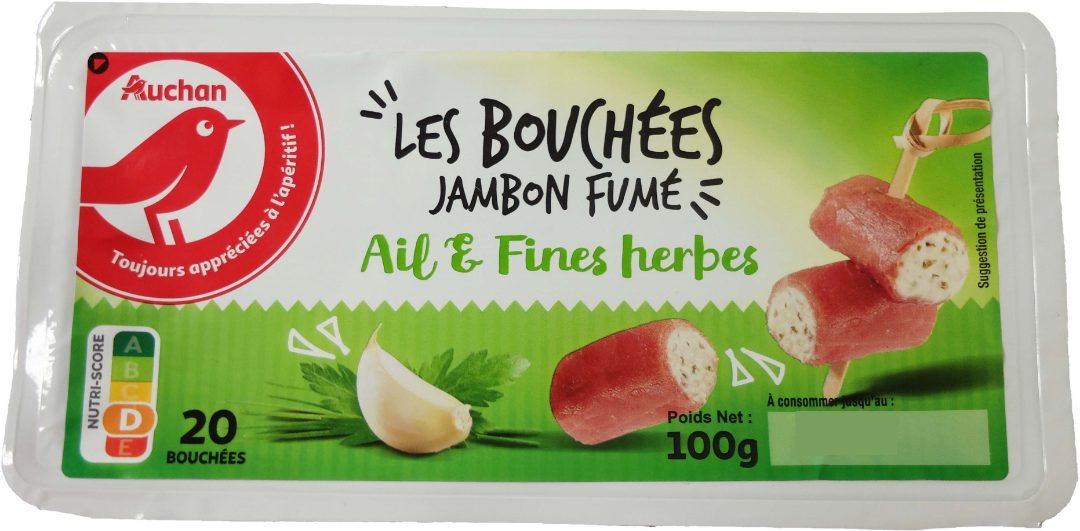
| GTIN | Lot | Dated |
|---|---|---|
| 3596710439607 | 229 | Use-by date 03/24/2022 |

liver cream sold in the traditional delicatessen section of the Carrefour Market Essars store between February 8 and February 9, 2022
Brand: unbranded
| GTIN | Lot | |
|---|---|---|
| 1111111111111 | sold between February 8 and February 9, 2022 | |
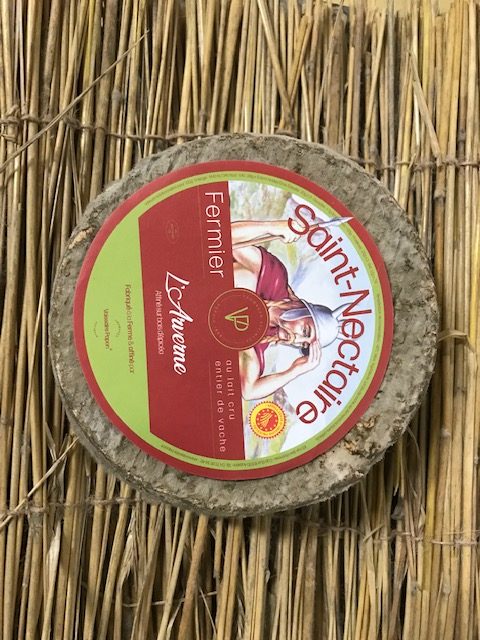
| Lot | Dated | |
|---|---|---|
| 63VBM040122 | Date of minimum durability 03/24/2022 | |


