Category Archives: Food Technology

Research – Efficacy of Bacteriophage Cocktail to Control E. coli O157:H7 Contamination on Baby Spinach Leaves in the Presence or Absence of Organic Load

MDPI

Fruits and vegetables are high in nutrients that are essential for a healthy lifestyle. However, they also harbor an extensive array of microorganisms such as bacteria, which can be beneficial, neutral, or pathogenic. Foodborne pathogens can contaminate produce at any stage from the farm to the consumer’s table. Appropriate washing techniques using sanitizers can reduce the risk of pathogen contamination. Issues related to maintaining concentration, efficacy, and other problems have been a challenge for the food industry and, when left unresolved, have led to different outbreaks of foodborne illnesses. In this study, the efficacy of a lytic bacteriophage cocktail was examined for its ability to infect and reduce the contamination of Escherichia coli O157:H7 (E. coli O157:H7), in media with a high organic load, using a microplate technique. The study was conducted for 3 h to determine if the bacteriophage cocktail could reduce the pathogen in the presence of a high organic load. A significant (p < 0.05) reduction in the population of E. coli O157:H7 was observed, representing a 99.99% pathogen reduction at the end of 3 h. Fresh spinach leaves were washed in sterile potable or organic water (~9000 ppm organic load) containing E. coli O157:H7 and a bacteriophage cocktail to study the effectiveness of bacteriophages against the foodborne pathogen. Results indicated that the bacteriophage significantly (p < 0.05) reduced the contamination of E. coli O157:H7 in both situations. The study also demonstrated the bacteriophages’ ability to infect and reduce the pathogen in an organic-rich environment. This characteristic differs from commercially available sanitizers that have demonstrated a tendency to bind with the available organic load. Thus, these studies highlight the advantage of employing bacteriophages during produce wash to eliminate foodborne pathogen contamination on fruits and vegetables. View Full-Text
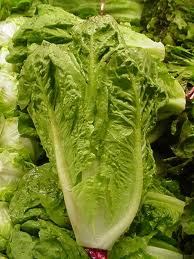
Research – Effect of Chlorine Dioxide Treatment on Human Pathogens on Iceberg Lettuce

MDPI

In the vegetable processing industry, the application of chlorine dioxide (ClO2) as a disinfectant solved in washing water to eliminate undesirable microorganisms harmful to consumers’ health and the shelf life of produce has been discussed for years. The disinfection efficacy depends on various factors, e.g., the location of microorganisms and the organic load of the washing water. The present study analyzed the sanitation efficacy of various concentrations of water-solved ClO2 (cClO2: 20 and 30 mg L−1) on Escherichia coli (1.1 × 10⁴ cfu mL−1), Salmonella enterica (2.0 × 10⁴ cfu mL−1) and Listeria monocytogenes (1.7 × 10⁵ cfu mL−1) loads, located on the leaf surface of iceberg lettuce assigned for fresh-cut salads. In addition, it examined the potential of ClO2 to prevent the cross-contamination of these microbes in lettuce washing water containing a chemical oxygen demand (COD) content of 350 mg L−1 after practice-relevant washing times of 1 and 2 min. On iceberg leaves, washing with 30 mg L−1 ClO2 pronouncedly (1 log) reduced loads of E. coli and S. enterica, while it only insignificantly (<0.5 × log) diminished the loads of L. monocytogenes, irrespective of the ClO2 concentration used. Although the sanitation efficacy of ClO2 washing was only limited, the addition of ClO2 to the washing water avoided cross-contamination even at high organic loads. Thus, the application of ClO2 to the lettuce washing water can improve product quality and consumer safety. View Full-Text

Research – Acoustic Water Could Cut Salad-Related Food Poisoning

Technology Networks

Eurofins Food Testing UK

A new study has shown that gentle streams of water carrying sound and microscopic air bubbles can clean bacteria from salad leaves more effectively than current washing methods used by suppliers and consumers. As well as reducing food poisoning, the findings could reduce food waste and have implications for the growing threat of anti-microbial resistance.

A diet containing uncooked salad, fruit and vegetables is key to reducing a range of conditions, including cardiovascular diseases, Type II diabetes and certain types of cancer.

However, salad and leafy green vegetables may be contaminated with harmful bacteria during growing, harvesting, preparation and retail leading to outbreaks of food poisoning which may be fatal in vulnerable groups.

Because there is no cooking process to reduce the microbial load in fresh salads, washing is vital by the supplier and the consumer.

Washing with soap, detergent bleach or other disinfectants is not recommended and the crevices in the leaf surface means washing with plain water may leave an infectious dose on the leaf. Even if chemicals are used, they may not penetrate the crevices.

In this new study, published in the journal Ultrasound in Medicine and Biology, scientists used acoustic water streams to clean spinach leaves directly sourced from the field crop, then compared the results with leaves rinsed in plain water at the same velocity.

Research – Short Wave Ultraviolet Light (UV-C) Effectiveness in the Inactivation of Bacterial Spores Inoculated in Turbid Suspensions and in Cloudy Apple Juice

MDPI

Liquid foods might present interferences in their optical properties that can reduce the effectiveness of short-wave ultraviolet radiation (UV-C) treatments used for sterilization purposes. The effect of turbidity as UV-C interference factor against the inactivation of bacterial spores was analysed by using phosphate-buffered saline solutions (PBS) of different turbidity values (2000, 2500, and 3000 NTU) which were adjusted with the addition of apple fibre. These suspensions were inoculated with spores of Bacillus subtilis and Alicyclobacillus acidoterrestris. While higher UV-C doses increased the inactivation rates of spores, these were reduced when turbidity values increased; a dose of 28.7 J/mL allowed inactivation rates of B. subtilis spores of 3.96 Log in a 2000-NTU suspension compared with 2.81 Log achieved in the 3000-NTU one. Spores of B. subtilis were more UV-C-resistant than A. acidoterrestris. Cloudy apple juice inoculated with A. acidoterrestris spores was processed by UV-C at different doses in a single pass and with recirculation of the matrix through the reactor. Inactivation increased significantly with recirculation, surpassing 5 Log after 125 J/mL compared with 0.13 Log inactivation after a single-pass treatment at the same UV-C dose. UV-C treatments with recirculation affected the optical properties (absorption coefficient at 254 nm and turbidity) of juice and increased browning as UV-C doses became higher.

Research – Natural Antimicrobials Suitable for Combating Desiccation-Resistant Salmonella enterica in Milk Powder

MDPI

Some Salmonella enterica strains survive well in low-water activity (low-aw) foods and cause frequent salmonellosis outbreaks in these products. Methods are needed to overcome such desiccation-resistant Salmonella and to improve the safety of low-aw foods. Building on a recent finding, we hypothesized that natural antimicrobial food additives, which are active against cytoplasmic membrane, could overcome this desiccation resistance phenomenon, and thus, sensitize the pathogen to drying and mild processing. Food additives were screened for the ability to cause leakage of intracellular potassium ions; retention of these ions is vital for protecting Salmonella against desiccation. Two antimicrobial food additives, carvacrol and thymol, caused considerable potassium leakage from the desiccation-resistant S. enterica serovars, Tennessee and Livingstone. Thus, carvacrol and thymol were investigated for their ability to sensitize the desiccation-adapted S. enterica to heat treatment. The combined use of food additives, at their minimum inhibitory concentrations, with heat treatment at 55 °C for 15 min caused 3.1 ± 0.21 to more than 5.5 log colony forming unit (CFU)/mL reduction in desiccation-adapted S. enterica, compared to 2.4 ± 0.53–3.2 ± 0.11 log CFU/mL reduction by sole heat treatment. Carvacrol was the additive that caused the greatest potassium leakage and sensitization of Salmonella to heat; hence, the application of this compound was investigated in a food model against Salmonella Typhimurium ASD200. Addition of carvacrol at 200 or 500 ppm into liquid milk followed by spray-drying reduced the strain’s population by 0.9 ± 0.02 and 1.3 ± 0.1 log CFU/g, respectively, compared to 0.6 ± 0.02 log CFU/g reduction for non-treated spray-dried milk. Additionally, freeze-drying of milk treated with high levels of carvacrol (5000 ppm) reduced the population of Salmonella Typhimurium ASD200 by more than 4.5 log CFU/g, compared to 1.1 ± 0.4 log CFU/g reduction for the freeze-dried untreated milk. These findings suggest that carvacrol can combat desiccation-resistant S. enterica, and thus, potentially improve the safety of low-aw foods. View Full-Text

Research – Australian breakthrough is the new alternative to milk pasteurisation

Food Safety News

From “down under” comes news that is said to be the biggest breakthrough in dairy safety since pasteurization. It has been accepted as “an alternative treatment to pasteurization of raw milk” by Dairy Food Safety Victoria (DFSV) with financial support from both the Queensland state government putting in $190,000 and the Australian Federal Government $761,700.

Australia-based Naturo plans to roll out its Wholey Milk Co. brand, using the new “Haelen” technology beginning in March and April, serving retail outlets in Queensland during 2021, and then expanding internationally in 2022.

Naturo CEO Jeff Hastings says Haelen is a “gentle alternative technology” that without heat kills pathogens while retaining higher levels of useful vitamins, proteins, and enzymes that under pasteurization are damaged or destroyed.

Ireland – Survey of the Microbiological Safety of Refrigerated Ready-to-eat (RTE) Spreads and Dips

FSAI

Refrigerated/fresh spreads and dips such as hummus, guacamole, meat and fish pâtés are popular ready-to-eat food items. New products enter the market regularly to facilitate consumer’s lifestyles for on-the-go snacking and portion control.
However, many of these products are capable of supporting the growth of Listeria monocytogenes and undergo no further cooking by the consumer prior to consumption, making them high risk foods.Plant-based dips such as fresh salsa and guacamole contain raw produce.
These are often made in large batches and if made under poor hygienic conditions and poorly refrigerated area risk for the growth of foodborne pathogens (Kendall et al., 2013). Since those products are generally not cooked, their microbiological quality relies on the combination of several hurdles including pH, presence of organic acids, use of preservatives and storage temperature.
Ingredient quality also has a major effect on the final product safety. Chefs may choose to use lower grade ingredients (e.g. bruised tomatoes) reserving higher quality for foods in which they are visible to the consumer (Kendall et al., 2013). Dicing or pureeing produce, typical for preparation of salsa and guacamole, creates a large cut surface area that can spread contamination and increases availability of nutrients that can support the growth of pathogens (Asplund et al., 1991; Weissinger et al., 2000).
Plant-based food items are projected to become more and more popular with vegetarian and vegan consumers looking for a good source of protein in order to meet their nutritional needs. However, foodborne outbreaks particularly with Salmonella have been linked to these types of products worldwide (Appendix 1).
Meat and fish spreads, such as chicken liver pâté and smoked salmon pâté and pastes are popular spreads. Within the meat category, liver pâtés are amongst the most popular with chicken/duck livers being the major ingredient. There are multiple recipes for the manufacture of these types of spreads with the cooking of the livers being a critical control point. However, if appropriate cooking processes are not applied, pathogens if present can survive and potentially grow to harmful levels in these types of products. For example,smoked fish such as salmon, trout or mackerel, used in the production of fish spreads, have been occasionally contaminated with Listeria monocytogenes and can survive if the cooking process is insufficient (Rørvik et al.,2000).

USA – FDA Core Network

FDA

With CORE, FDA brought together expertise in medicine, public health and science to coordinate its efforts to find, stop, and prevent foodborne illness outbreaks. Since CORE was established in 2011, CORE teams have identified 959 potential outbreaks, responded to 234 outbreaks potentially linked to FDA regulated food products, identified a specific food in 100 outbreaks, and warned consumers to avoid those foods through more than 400 public notifications.

Outbreak Detection, Response, Prevention

On the Lookout

The CORE Signals and Surveillance Team evaluates emerging outbreaks and disease surveillance trends, working in collaboration with CDC, FDA field offices, and state agencies. The team reviews firm data including past inspections, sampling results, product distribution, and sourcing information. It also considers previous incidents involving similar pathogen and food pairs. This information is used to determine whether it can provide clues to understand emerging outbreaks. When an outbreak appears to be caused by an FDA-regulated food, this information is passed to a Response Team to coordinate FDA’s response efforts.

On the Hunt

Response Teams have one goal: to control and stop the outbreak. Response Teams work directly with FDA field offices, FDA subject-matter experts, the CDC, and state partners on a response strategy. The team coordinates investigations, inspections, sampling, and traces product distribution. Close coordination among the FDA, CDC, and state and local regulatory, public health and agriculture departments is crucial to stopping an outbreak.

Results of Response Activities

During or following an outbreak response several actions can be taken to either protect public health or inform public health efforts. Among the actions that have been taken as a result of CORE-coordinated investigations are:

  • More than 400 Public Advisories since 2011
  • At least 251 Recalls, including downstream recalls since 2011
  • 268 CORE-issued Assignments, including food facility/farm investigations/inspections, record collection, and sample collection related to outbreaks between 2016 – 2019
    • 106 Assignments with sample collection between 2016 – 2019

Communications

The CORE Communications Team monitors emerging and active incident investigations. If there is an ongoing risk to the public and actionable steps can be taken to reduce risk of illness, the FDA will issue public warning. This team also prepares responses to inquiries from FDA stakeholders and the media regarding outbreaks.

An Eye to Prevention

What did we learn? How can we prevent this from happening again? These questions guide the mission of the Outbreak Evaluation and the Outbreak Analytics Teams. These teams look at all aspects of the outbreak, from ingredient sourcing to production and distribution. They conduct data analyses to recommend ways to integrate preventative measures in food safety activities.

Results of Post-Response Activities

The CORE Outbreak Evaluation and Outbreak Analysis Teams have used data from CORE-coordinated outbreaks to contribute to:

  • The development of improved detection of the Cyclospora parasite in foods to improve outbreak detection and prevention efforts.
  • The development of the FDA Produce Safety Rule, aimed at reducing the risk of contamination of produce, and related documents.
  • The development of inspectional and sampling surveillance assignments to monitor firms and industries with foods associated with outbreaks and gather outbreak prevention data.
  • Providing resources to retailers, growers, shippers, and carriers on handling produce recalled after an outbreak and develop articles and presentations focused on past outbreak investigations to inform and educate the public and food industry professionals.
  • Communicating the results of outbreak analyses and prevention efforts through scientific journal articles and professional conferences focused on outbreak response and prevention.

More Information

USA Research – Sources and prevalence of Cyclospora cayetanensis in Southeastern US water sources and growing environments

Centre For Produce Safety

Summary

220px-Cyclospora_cayetanensis_stained

In 2018, a domestic-produce associated cyclosporiasis outbreak and the first Cyclospora detection on domestic produce demonstrated the need for a better understanding of Cyclospora prevalence in US produce growing environments. The Southeastern Coastal Plain growing region has several risk factors that warrant the evaluation of Cyclospora prevalence, including a farm worker population from Cyclospora-endemic areas, use of surface water for irrigation, and heavy rainfall that could transport Cyclospora into surface waters. The proposed study will assess Cyclospora prevalence in this region through two Georgia industry partners representing growing practices across the southeastern US. Human sewage samples from municipal wastewater influents and on-farm portable toilets will be tested to assess Cyclospora shedding in the region and on-farm, respectively. Cyclospora prevalence in the agricultural environment will be assessed in irrigation water and on produce (via a proxy measurement). Using newly developed tools, Cyclospora contamination found will be traced through the produce growing process by genetic typing to match detections between samples and by assessing parasite’s maturation state to approximate time since shedding. This study will add to the understanding of Cyclospora contamination in US produce growing environments and provide information about contamination routes to produce within the Southeastern US.

Technical Abstract

The increased frequency of produce-associated cyclosporiasis outbreaks highlights Cyclospora cayetanensis as an important emerging foodborne pathogen. Most produce associated cyclosporiasis outbreaks have implicated produce grown in areas where the disease is endemic. However, the 2018 detection of C. cayetanensis on US-grown produce and a cyclosporiasis outbreak associated with US-grown produce highlights the need for a better understanding of C. cayetanensis prevalence in US
agricultural environments and of the risks of oocyst contamination to domestically grown produce. The aims of the current study are to assess C. cayetanensis prevalence in irrigation water, harvested produce (via spent packing house water as a proxy), on-farm portable toilets, and municipal wastewater influents in the Southeastern Coastal Plain growing region in Georgia. Georgia vegetable growers produce a wide variety of ready-to-eat produce and utilize well water- and surface water-fed irrigation water holding ponds for produce irrigation, similar to other large agricultural regions in the US. Georgia growing regions are also subject to heavy rainfalls, which we have shown contributes to human fecal contamination of irrigation ponds in the region. Additionally, a majority of the farm workers harvesting
produce are from Cyclospora-endemic regions, representing a potential shedding source C. cayetanensis oocysts.

C. cayetanensis prevalence in the agricultural environment will be assessed by analyzing large-volume (50 L) irrigation water samples on eight farms monthly during non-harvesting periods and twice a month during harvest. At most, one additional irrigation water sample will be collected per month following heavy rainfall. The prevalence of C. cayetanensis from harvested produce will be assessed by analyzing large-volume (up to 50 L) of spent rinse and wash water from packing houses as a proxy measurement. Generic Escherichia coli and the human-specific Bacteroides HF183 fecal marker will be assessed to evaluate the overall and human-specific fecal contamination, respectively, in the water samples. Human sewage samples from municipal wastewater influents and on-farm portable toilets will be analyzed to assess the prevalence of C. cayetanensis shedding in the region generally and on the farm environment, respectively. C. cayetanensis detections will be subsequently analyzed to determine the genotype and sporulation state of detected oocysts, in order to estimate oocyst maturation level and compare the genetic relatedness of oocysts detected in various sample matrices. The typing information will allow for C. cayetanensis contamination to be traced through the growing process. The maturation data will allow for an estimate of the time spent in the environment after shedding from the human host and of potential health risks associated with consumption of contaminated produce, as maturation state determines infectivity of the parasite.

Data from this project will aid in the understanding of the domestic prevalence of C. cayetanensis in agricultural environments and provide the information needed to begin answering questions related to domestic C. cayetanensis produce contamination risks and identify best practices for risk reduction. Additionally, the evaluation of the human-specific fecal marker can provide insight into how Georgia vegetable growing practices are potentially preventing environmental and produce contamination.

USA – Shenandoah Growers, Inc Issues a Limited, Voluntary Recall of Specific Imported Organic Basil Because of Potential Health Risk – Cyclosporiasis

FDA

Company Announcement

Shenandoah Growers, Inc (Harrisonburg, VA) out of an abundance of caution, has issued a limited, voluntary recall of approximately 3240 units of branded fresh cut, packaged organic basil clamshells packed at its Indianapolis, Indiana location due to a possible health risk from Cyclospora.

Cyclosporiasis is an intestinal infection caused by the Cyclospora parasite. A person may become infected after ingesting contaminated food or water. Common symptoms include severe abdominal pain, watery diarrhea, nausea and vomiting, body aches and fatigue. The infection is treated with antibiotics and most people respond quickly to treatment.

Only the following specific lot codes are affected:

PV40515 1034     PV40515 3034     PV40515 4034     PV40515 3035

The affected product has a country of origin of Colombia and was harvested entirely from Puerto Vallarta Herbs SAS (Farm) and imported by Vallarta Organics LLC dba Organic Destiny (Importer).

Affected lot codes shipped:

Lot Code: Pack Date: Brand: Size: Location UPC:
PV40515 1034 2/3/2021 Shenandoah Growers by That’s Tasty 0.75 oz Indianapolis Fruit 7-68573-00101-4
PV40515 1034 2/3/2021 Shenandoah Growers by That’s Tasty 2.0 oz Indianapolis Fruit 7-68573-02143-2
PV40515 1034 2/3/2021 Shenandoah Growers by That’s Tasty 4.0 oz Indianapolis Fruit 7-68573-00141-0
PV40515 3034 2/3/2021 That’s Tasty (Pasta Blend) 0.5 oz Vine Line Produce 7-68573-52008-9
PV40515 3034 2/3/2021 That’s Tasty 0.5 oz Vine Line Produce 7-68573-50502-4
PV40515 3034 2/3/2021 Shenandoah Growers by That’s Tasty 4 oz Vine Line Produce Bulk N/A
PV40515 3034 2/3/2021 Shenandoah Growers by That’s Tasty 1 lb. Vine Line Produce Bulk N/A
PV40515 4034 2/3/2021 Simple Truth 3.0 oz Kroger 0-11110-00876-3
PV40515 1034 2/3/2021 That’s Tasty 0.25 oz J&J Distributing 7-68573-02515-7
PV40515 1034 2/3/2021 Shenandoah Growers by That’s Tasty 0.75 oz J&J Distributing 7-68573-00101-4
PV40515 3035 2/4/2021 That’s Tasty 3.0 oz Schnucks 7-68573-53001-9

Recalled products were distributed to select retail stores between 2/3/2021 to 2/4/2021 in the following states: Illinois, Indiana, Iowa, Michigan, Minnesota, Mississippi, Missouri, Ohio, Tennessee, and Wisconsin.

This recall notification is being issued due to a single instance in which a sample of bulk product was pulled at the port of entry in Miami and tested by the FDA as part of routine surveillance and indicated the potential presence of Cyclospora.

Affected Shenandoah Growers customers have been notified of the recall and instructed to immediately remove and discard recalled products from all store shelves, distribution and other inventories to ensure they are no longer available for sale or consumption.

The Shenandoah Growers recall includes only those clamshells of certified organic basil clearly marked with the affected lot codes listed above. The lot code can be found printed on each clamshell.

No other Shenandoah Growers products are subject to recall, and the company has no knowledge of any illness reported or related to this product to date.

Consumers who may have a recalled basil product should discard it immediately and not eat it. Consumers with questions, or to obtain refunds, may contact the Shenandoah Growers Consumer Response Center at 844-896-6939 Monday through Friday, 8 am to 5 pm EST.

Shenandoah Growers takes food safety matters very seriously, and stringently follows all mandated regulations and implements preventive measures designed to minimize potential risks. Shenandoah Growers is working in close coordination with regulatory officials, including the FDA, on this matter.

Company Contact Information

Shenandoah Growers Consumer Response Center
844-896-6939


Company Contact Information

Consumers:
Shenandoah Growers Consumer Response Center
 844-896-6939