Category Archives: Food Technology

Research -Application of Whole Genome Sequencing to Aid in Deciphering the Persistence Potential of Listeria monocytogenes in Food Production Environments

MDPI

Listeria monocytogenes is the etiological agent of listeriosis, a foodborne illness associated with high hospitalizations and mortality rates. This bacterium can persist in food associated environments for years with isolates being increasingly linked to outbreaks. This review presents a discussion of genomes of Listeria monocytogenes which are commonly regarded as persisters within food production environments, as well as genes which are involved in mechanisms aiding this phenotype. Although criteria for the detection of persistence remain undefined, the advent of whole genome sequencing (WGS) and the development of bioinformatic tools have revolutionized the ability to find closely related strains. These advancements will facilitate the identification of mechanisms responsible for persistence among indistinguishable genomes. In turn, this will lead to improved assessments of the importance of biofilm formation, adaptation to stressful conditions and tolerance to sterilizers in relation to the persistence of this bacterium, all of which have been previously associated with this phenotype. Despite much research being published around the topic of persistence, more insights are required to further elucidate the nature of true persistence and its implications for public health.
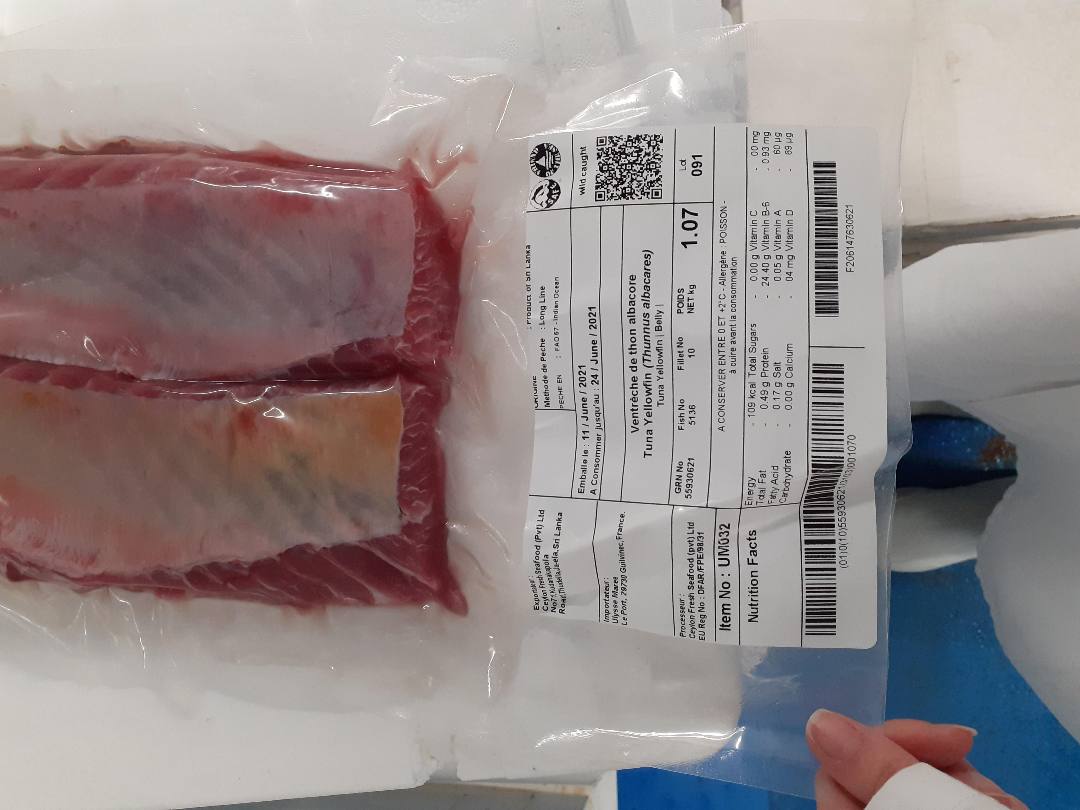
France – Yellowfin tuna belly and loin – Histamine

Gov france

Identifying information for the recalled product

  • Product category Food
  • Product sub-category Fishery and aquaculture products
  • Product brand name/
  • Names of models or references26LT145 – 26LT0320
  • Product identification
    Lot
    955283 – 955284
  • Storage temperature Product to be stored in the refrigerator
  • Geographical sales area Regions: Pays-de-la-Loire
  • Distributors COMMERCIAL RHD AND GMS (Super U)

Practical information regarding the recall

  • Reason for recall Histamine result at 636 ppm
  • Risks incurred by the consumer Undeclared allergenic substances

Research – Thermosonication Combined with Natural Antimicrobial Nisin: A Potential Technique Ensuring Microbiological Safety and Improving the Quality Parameters of Orange Juice

MDPI

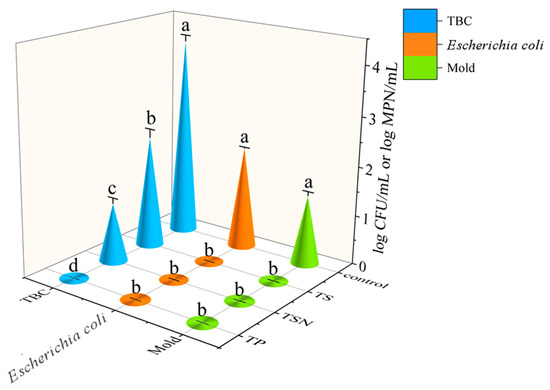
Currently, thermal pasteurisation (TP) remains the most widely applied technique for commercial orange juice preservation; however, a high temperature causes adverse effects on the quality attributes of orange juice. In order to explore a novel non-thermal sterilization method for orange juice, the impacts of thermosonication combined with nisin (TSN) and TP treatments on the quality attributes including microbial and enzyme inactivation and the physicochemical, nutritional, functional, and sensory qualities of orange juice were studied. Both TP and TSN treatments achieved desirable bactericidal and enzyme inactivation effects, and nisin had a significant synergistic lethal effect on aerobic bacteria in orange juice (p < 0.05). Additionally, TSN treatment significantly improved the color attributes of orange juice and well maintained its physicochemical properties and sensory quality. More importantly, TSN treatment significantly increased the total polyphenols content (TPC) and total carotenoids (TC) by 10.03% and 20.10%, increased the ORAC and DPPH by 51.10% and 10.58%, and the contents of total flavonoids and ascorbic acid were largely retained. Correlation analysis of antioxidant activity showed that the ORAC and scavenging ability of DPPH radicals of orange juice are mainly attributed to TC and TPC. These findings indicate that TSN shows great potential application value, which could guarantee the microbiological safety and improve the quality attributes of orange juice. View Full-Text

▼ Show Figures

Research – Reduction of Salmonella enterica in Turkey breast slices kept under aerobic and vacuum conditions by application of lactic acid, a bacteriophage, and ultrasound

Wiley Online

The effects of different antimicrobial applications against Salmonella enterica subs. enterica DSM 18522 strain in turkey breast slices kept under either aerobic or anaerobic-vacuum conditions for different keeping times of 30 min and 6 hr at 4°C were evaluated. In this study, it was aimed to compare chemical (lactic acid, 3%), biopreservation (bacteriophage Felix O1, 1 × 108 pfu/ml), and physical (ultrasound, 20 kHz) antimicrobial applications in reducing a high initial S. enterica DSM 18522 count (~6 log cfu/g) in turkey breast slices at different conditions. The highest reduction in S. enterica DSM 18522 counts (1.62 log units) was observed in turkey breast slices kept under aerobic condition for 6 hr after being treated with lactic acid. The bacteriophage application significantly (p < .05) reduced S. enterica DSM 18522 counts 1.22 and 1.41 log cfu/g in turkey breast slices that kept under aerobic and anaerobic-vacuum conditions for 30 min, respectively. There was no significant effect of keeping time under aerobic or anaerobic-vacuum conditions on S. enterica DSM 18522 counts in turkey breast slices treated with bacteriophage or ultrasound. However, the reduction of S. enterica DSM 18522 counts in turkey breast slices treated with lactic acid increased with keeping time under aerobic or anaerobic-vacuum conditions. Regardless of keeping conditions, the lowest reductions in S. enterica DSM 18522 counts were detected in turkey breast slices treated with ultrasound. The results of this study show that lactic acid and bacteriophage applications are effective in reducing S. enterica DSM 18522 counts in turkey breast slices.

Research – Application of chitosan microparticles against human Norovirus

Journal of Food Protection

Human norovirus (HuNoV) is the leading causative agent of foodborne outbreaks and is associated with the second most prevalent cause of waterborne infections in the United States. The goal of this research was to investigate the antiviral activity of chitosan microparticles (CM) against HuNoV GII.4 Sydney and its cultivable surrogate, Tulane virus (TuV), in suspensions mimicking fecally-contaminated water. CM was prepared by crosslinking chitosan molecules with sodium sulfate, and then its anti-noroviral activity was assessed using infectivity assay on TuV and RT-qPCR on TuV and HuNoV. A 3% CM suspension in PBS (pH 7.2) showed binding to TuV particles but with a negligible impact on virus infectivity (p>0.05). TuV and HuNoV suspended in fecal suspensions showed a 1.5-log10 reduction in genomic copies per ml following a 10-min contact time (p<0.05). Despite the negligible impact on viral infectivity, CM moderately binds to virus particles and helps purify environmental water by removing infectious virus particles. In this study, TuV served as a suitable surrogate for HuNoV by showing a similar log10 reduction in fecal suspension. Overall, the outcomes of thisresearch highlight the potential application of CM as a novel, natural treatment to minimize the spread of water-transmitted viral pathogens.


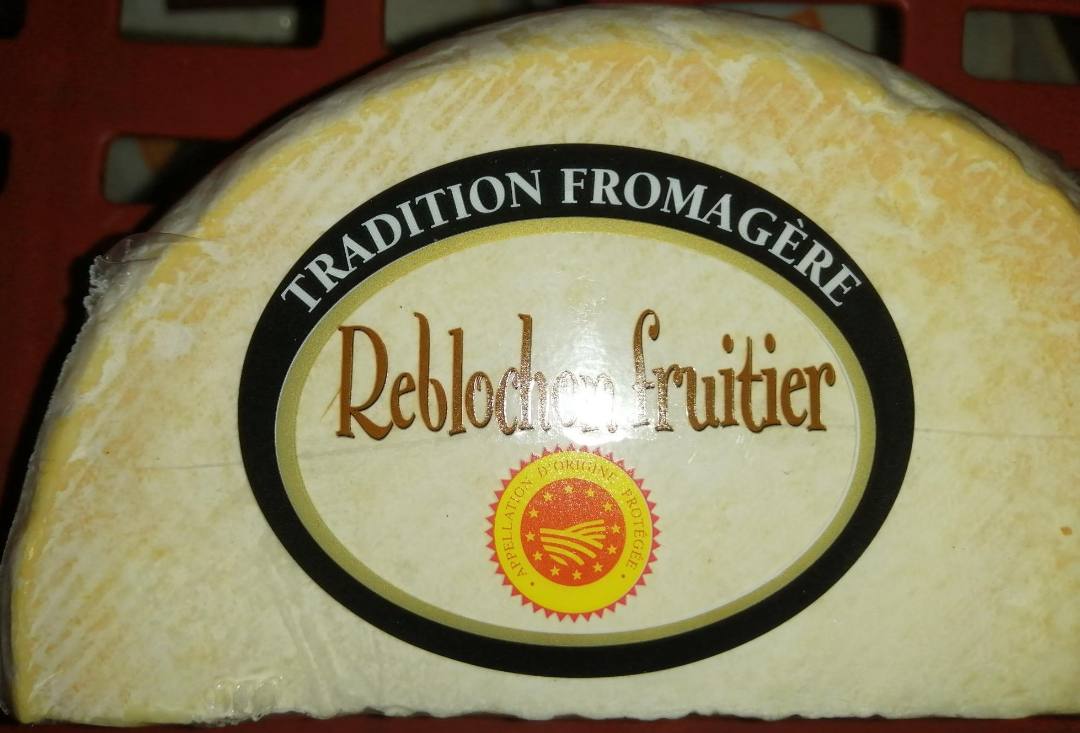
France- Reblochon with raw milk – Listeria monocytogenes

Gov france

Identifying information for the recalled product

  • Product category Food
  • Product sub-category Milk and dairy products
  • Product brand name Cheese tradition
  • Names of models or references Reblochon fruit
  • Product identification
    GTIN Lot Dated
    3252540951107 All lots Use-by date between 08/01/2021 and 09/06/2021
  • Packaging Sub film
  • Start date / End of marketing From 07/08/2021 to 08/06/2021
  • Storage temperature Product to be stored in the refrigerator
  • Health mark FR 84.007.011 CE
  • Geographical sales area Whole France
  • Distributors Disfres
  • List of points of salelist_stores_Disfrais.pdf

Practical information regarding the recall

  • Reason for recall likely to be contaminated with Listeria monocytogenes
  • Risks incurred by the consumer Listeria monocytogenes (causative agent of listeriosis)
  • Consumer behaviour Stop consuming
    Return the product to the point of sale
    Destroy the product
  • Sanitary recommendation People who have consumed the “products” mentioned above and who have fever, isolated or accompanied by headaches, and muscle aches, are invited to consult their doctor, notifying him of this consumption. Serious forms with neurological complications and maternal or foetal damage in pregnant women can also sometimes occur. Pregnant women as well as immunocompromised people and the elderly should pay special attention to these symptoms. Listeriosis is a disease that can be serious and can take up to eight weeks to incubate.
  • Compensation modalities Repayment
  • End date of the recall procedure Monday, August 30, 2021

Research – Antimicrobial Efficacy and Spectrum of Phosphorous-Fluorine Co-Doped TiO2 Nanoparticles on the Foodborne Pathogenic Bacteria Campylobacter jejuni, Salmonella Typhimurium, Enterohaemorrhagic E. coli, Yersinia enterocolitica, Shewanella putrefaciens, Listeria monocytogenes and Staphylococcus aureus

MDPI

Contamination of meats and meat products with foodborne pathogenic bacteria raises serious safety issues in the food industry. The antibacterial activities of phosphorous-fluorine co-doped TiO2 nanoparticles (PF-TiO2) were investigated against seven foodborne pathogenic bacteria: Campylobacter jejuniSalmonella Typhimurium, Enterohaemorrhagic E. coliYersinia enterocoliticaShewanella putrefaciensListeria monocytogenes and Staphylococcus aureus. PF-TiO2 NPs were synthesized hydrothermally at 250 °C for 1, 3, 6 or 12 h, and then tested at three different concentrations (500 μg/mL, 100 μg/mL, 20 μg/mL) for the inactivation of foodborne bacteria under UVA irradiation, daylight exposure or dark conditions. The antibacterial efficacies were compared after 30 min of exposure to light. Distinct differences in the antibacterial activities of the PF-TiO2 NPs, and the susceptibilities of tested foodborne pathogenic bacterium species were found. PF-TiO2/3 h and PF-TiO2/6 h showed the highest antibacterial activity by decreasing the living bacterial cell number from ~106 by ~5 log (L. monocytogenes), ~4 log (EHEC), ~3 log (Y. enterolcolitcaS. putrefaciens) and ~2.5 log (S. aureus), along with complete eradication of C. jejuni and S. Typhimurium. Efficacy of PF-TiO2/1 h and PF-TiO2/12 h NPs was lower, typically causing a ~2–4 log decrease in colony forming units depending on the tested bacterium while the effect of PF-TiO2/0 h was comparable to P25 TiO2, a commercial TiO2 with high photocatalytic activity. Our results show that PF-co-doping of TiO2 NPs enhanced the antibacterial action against foodborne pathogenic bacteria and are potential candidates for use in the food industry as active surface components, potentially contributing to the production of meats that are safe for consumption. View Full-Text

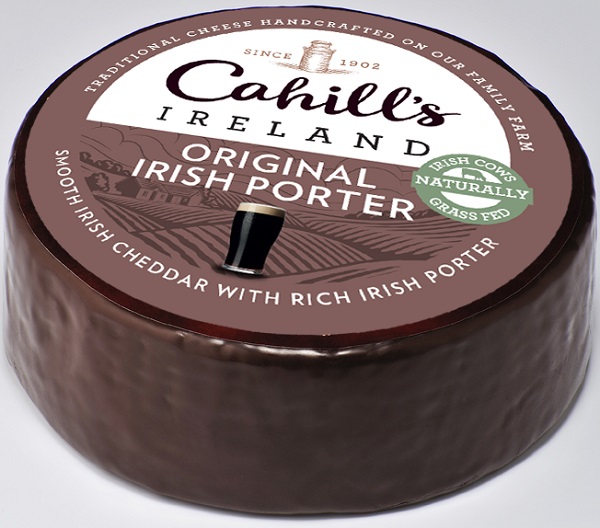
Canada – Updated Food Recall Warning – Cahill’s brand Original Irish Porter Cheese recalled due to Listeria monocytogenes

CFIA

Recall details

Ottawa, August 3, 2021 – The food recall warning issued on July 23, 2021 has been updated to include additional distribution information. This additional information was identified during the Canadian Food Inspection Agency’s (CFIA) food safety investigation.

Tree of Life Canada ULC is recalling Cahill’s brand Original Irish Porter Cheese from the marketplace due to possible Listeria monocytogenes contamination. Consumers should not consume the recalled products described below.

Recalled product

Brand Product Size UPC Codes
Cahill’s Original Irish Porter Cheese 2.27 kg 00034463010160 22-JA-13
21125
Cahill’s Original Irish Porter Cheese 200 g 00034463016056 21-DE-13
21126

What you should do

If you think you became sick from consuming a recalled product, call your doctor.

Check to see if you have the recalled products in your home. Recalled products should be thrown out or returned to the store where they were purchased.

Food contaminated with Listeria monocytogenes may not look or smell spoiled but can still make you sick. Symptoms can include vomiting, nausea, persistent fever, muscle aches, severe headache and neck stiffness. Pregnant women, the elderly and people with weakened immune systems are particularly at risk. Although infected pregnant women may experience only mild, flu-like symptoms, the infection can lead to premature delivery, infection of the newborn or even stillbirth. In severe cases of illness, people may die.

Background

This recall was triggered by the company. The CFIA is conducting a food safety investigation, which may lead to the recall of other products. If other high-risk products are recalled, the CFIA will notify the public through updated Food Recall Warnings.

The CFIA is verifying that industry is removing the recalled products from the marketplace.

Illnesses

There have been no reported illnesses associated with the consumption of these products.

Product photos

Printer ready version of photos

  • Cahill's – Original Irish Porter Cheese – 2.27 kilograms
  • Cahill's – Original Irish Porter Cheese – 200 grams

Public enquiries and media

Public enquiries
Toll-free: 1-800-442-2342 (Canada and U.S.)
Telephone: 1-613-773-2342 (local or international)
Email: information@inspection.gc.ca
Media relations
Telephone: 613-773-6600
Email: cfia.media.acia@inspection.gc.ca

Research – Combined Hurdle Technologies Using UVC Waterproof LED for Inactivating Foodborne Pathogens on Fresh-Cut Fruits

MDPI

This study investigated the combined bactericidal efficacy of slightly acidic electrolyzed water (SAEW), fumaric acid (FA), and ultravioletC waterproof light-emitting diodes (UVC W-LED) for the control of Staphylococcus aureus and Listeria monocytogenes in fresh-cut fruits. Cherry tomato, grape, apple, and pineapple were inoculated with S. aureus and L. monocytogenes and then washed with 30 ppm SAEW containing 0.5% FA in a container equipped with two UVC W-LEDs. Behaviors of S. aureus and L. monocytogenes and quality properties of fresh-cut fruits were monitored after storage at 10 °C and 15 °C for 7 days. The most effective reductions of S. aureus (1.65 log CFU/g) and L. monocytogenes (2.63 log CFU/g) were observed in the group with the combined treatment of SAEW + FA and UVC W-LED. At 10 °C and 15 °C, populations of both pathogens in the combined treatment group were lower than those in a control. Combined treatment showed no negative effect on moisture retention in the fruit. Moreover, visual changes were less significant than in the control. These results demonstrate that the combined treatment can improve the microbial safety and the quality of fruits. If it is properly used in the sanitizing step of the fresh produce industry, a positive effect can be expected.

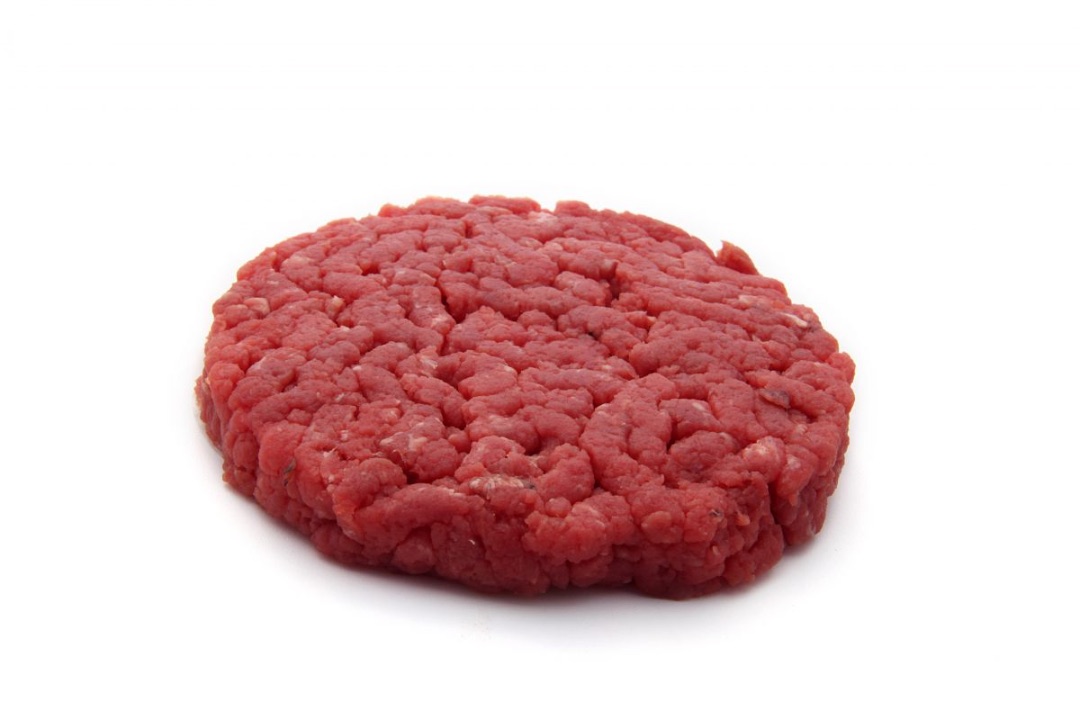
France – Minced steak on demand – Salmonella

Gov france

Identifying information for the recalled product

  • Product category Food
  • Product sub-category Meats
  • Product brand name Unbranded
  • Names of models or references Chopped steak on demand
  • Product identification
    Lot
    03068785
  • Start date / End of marketing From 07/19/2021 to 07/20/2021
  • Storage temperature Product to be stored in the refrigerator
  • Further information Minced steak made to order from animals coming from Bigard packer code FR81065001CE.
  • Geographical sales area Albi and the surrounding area
  • DistributorsIntermarché Le Séquestre

Practical information regarding the recall

  • Reason for recall Presence of salmonella
  • Risks incurred by the consumer Salmonella spp (causative agent of salmonellosis)
  • Consumer behavior Stop consuming
    Stop using the product
    Destroy the product
  • Sanitary recommendation Food poisoning caused by salmonella results in sudden onset gastrointestinal disorders (diarrhea, vomiting) often accompanied by fever and headaches which generally occur 6 to 72 hours after consumption of the contaminated products. These symptoms may be more pronounced in young children, pregnant women, immunocompromised individuals and the elderly. People who have consumed these products and who present these symptoms are invited to consult their doctor, notifying him of this consumption. In the absence of symptoms within 7 days after consuming the affected products, there is no need to worry and consult a doctor. If the product must be cooked before consumption:
  • Compensation modalities Repayment
  • End date of the recall procedure Monday, August 2, 2021