Recalled Foods , Published: July 26, 2021
Archives
-
Join 347 other subscribers
KSWFoodWorld
Blog Stats
- 486,634 Views
Recalled Foods , Published: July 26, 2021

the colony of the cheese showed the appearance of colonies of mold visible to the naked eye. Food is not considered safe if it shows signs of spoilage.
The food had an expiration date.
| Date of minimum durability: | 06/01/2021 |
| Packaging: | Sliced cheese wax |
| Date of sampling: | 17. 6. 2021 |
| Reference number: | 21-000202-CAFIA-CZ |

The colony showed the appearance of mold colonies visible to the naked eye. Food is not considered safe if it shows signs of spoilage.
During the inspection, unsatisfactory storage temperatures of this product were not found. The food has not expired. The sample was taken from the opened package.
| Date of minimum durability: | 07/02/2021 |
| Packaging: | Sliced cheese wax |
| Country of origin: | Netherlands |
| Date of sampling: | 7. 5. 2021 |
| Reference number: | 21-000201-CAFIA-CZ |
Brand : COOPERATIVA PRODUTTORI LATTE E FONTINA SOC. COOP. ARL
Name : FONTINA DOP
Reason for reporting : Recall due to microbiological risk
Publication date : 26 July 2021
Click to access C_17_PubblicazioneRichiami_1283_azione_itemAzione0_files_itemFiles0_fileAzione.pdf
The FSSAI has withdrawn the notice of July 1 regarding INFOSAN alert on detection of salmonella in dried oregano from Chile.
According to the FSSAI, the matter was investigated further and it has been reported by the INFOSAN that the matter of contamination was reported only in the consignments in Sweden.
The INFOSAN clarification reads, “The investigation of the case concluded that only the consignment detected in Sweden was affected, due to an unusual summer rain in the central zone of Chile that affected this consignment in its drying stage. Therefore, there is no other consignment exported to other countries affected by this problem.”
The FSSAI after receiving the clarification from the INFOSAN, decided to withdraw the order of July 1, 2021, and the consequent recall process initiated pursuant to the said order.
FSSAI’s order says that it has been decided to withdraw the order and any such recall process initiated pursuant to the order also stands terminated with immediate effect.
The order reads, “However, the same is without prejudice to any action against the importing FBO with respect to the samples drawn by the concerned food safety officers/authorised officer, as per provisions of the FSS Act.”
On July 1, 2021, FSSAI issued an alert after receiving an alert from the INFOSAN on detection of salmonella in dried oregano from Chile. FSSAI says that it was done to bring the alert to the notice of the public and all the stakeholders so that any inadvertent consumption of the implicated product could be avoided in India immediately.

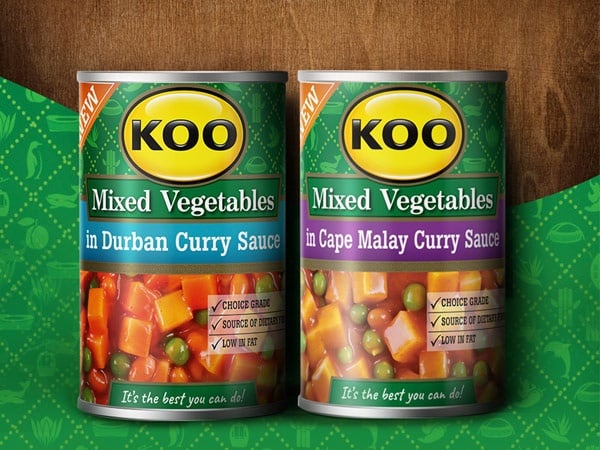
Tiger Brands, South Africa’s biggest food manufacturer, announced on Monday that it is immediately recalling about 20 million KOO and Hugo’s canned vegetable products over safety concerns due to potentially defective cans.
The issue with the cans, which is a deficient side seam weld that could cause the cans to leak, was initially discovered in May this year with 18 cans at one of Tiger Brand’s facilities. The cans came from a supplier. While that batch and several others weren’t released for trade, a probe determined that some cans from a defective batch did.
It did a test and out of 287,040 cans inspected after a transport and handling test, a side seam leak had developed in two cans. This prompted the recall.
“A leak in a can presents a risk of secondary microbial contamination after the canned products are dispatched into the marketplace. Where such contamination occurs, it will present a low probability of illness and injury if the contaminated product is consumed,” Tiger Brands said in an announcement.
Posted in food contamination, Food Hazard, Food Hygiene, Food Inspections, Food Micro Blog, Food Microbiology, Food Microbiology Blog, Food Microbiology Testing, food recall, Food Safety, Food Safety Alert, Food Spoilage, Food Testing, microbial contamination, Microbiological Risk Assessment, Microbiology, Microbiology Investigations
Brand : L’Artigiano del Salame
Name : Grandma Maria’s Stortina
Reason for reporting : Recall due to microbiological risk
Publication date : July 26, 2021
Click to access C_17_PubblicazioneRichiami_1282_azione_itemAzione0_files_itemFiles0_fileAzione.pdf

| Lot | ||
|---|---|---|
| 03068785 | ||

The Alabama Department of Public Health (ADPH), in cooperation with Huddle House in Hamilton, is investigating a food handler who is infected with hepatitis A virus. As a preventative measure, ADPH is suggesting customers who consumed food, whether dine-in, pickup, or delivery between the dates of July 9 through July 21, 2021, be identified. These patrons may need the hepatitis A vaccine or immune globulin to reduce their chance of illness.

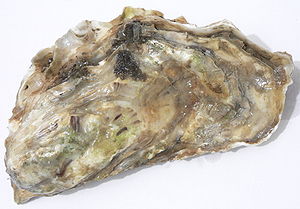
The Centre for Food Safety (CFS) of the Food and Environmental Hygiene Department today (July 23) instructed the trade to suspend the import of ready to eat raw oysters harvested in Samish Bay of the United States (US). The trade should also stop using or selling the product concerned immediately should they possess it.
A spokesman for the CFS said, “The CFS noticed that the Washington State Department of Health reported that ready to eat raw oysters harvested in Samish Bay of the US, which were suspected to be contaminated with Vibrio parahaemolyticus, were under recall. Upon learning of the incident, the CFS immediately contacted local major importers for follow-up. A preliminary investigation found that the importer, Asia-Taylor (A&T) Finefoods Limited, had imported some of the affected product which was on sale in its retail outlet. For the sake of prudence, the CFS has immediately instructed the trade to suspend the import into and sale within Hong Kong of all ready to eat raw oysters harvested in the abovementioned area in the US, and instructed the importer to stop sale and remove from shelves the affected product.”
The CFS is also tracing the distribution of the product concerned. The trade should also stop using or selling the product concerned immediately should they possess it.
The spokesman pointed out that as oysters feed by filtering a large volume of seawater, pathogens (such as Vibrio parahaemolyticus) can accumulate in them if they are grown in or harvested from contaminated water. Raw or partially cooked oysters are high risk foods. Susceptible groups, such as pregnant women, young children, the elderly and people with weakened immune systems or liver diseases, should avoid eating them.
The CFS will inform the US authorities and will also notify the local trade. It will continue to follow up on the incident and take appropriate action to safeguard food safety and public health. An investigation is ongoing.
Posted in CFS, food contamination, Food Hazard, Food Hygiene, Food Inspections, Food Micro Blog, Food Microbiology, Food Microbiology Blog, Food Microbiology Testing, Food Pathogen, Food Poisoning, Food Safety, Food Safety Alert, Food Spoilage, Vibrio, Vibrio parahaemolyticus, Water, water microbiology, Water Safety